

A sudden drop in hunger after a plant-based switch often happens when high-fiber foods, lower calorie density, nausea, or a separate health issue make you feel full too fast. A big bowl of beans and greens can crowd out hunger before your calorie intake catches up.
This guide covers why a plant-based shift can leave meals feeling strangely too much, which warning signs deserve attention, and which food choices and meal habits help someone with a small appetite stay nourished.
Key Takeaways
- Vegan eating is not the only cause. A sudden drop in appetite deserves a broader look at digestion, stress, and illness for you.
- Fiber can crowd hunger fast. Large portions of beans, grains, and vegetables may fill your stomach before calories add up for you.
- B12, iron, zinc, calcium, omega-3, and vitamin D matter. Low intake can affect energy, mood, and the urge to eat for you.
- Small meals work better than meal pressure. Eating little and often can fit a poor appetite better than waiting for a big hunger wave for you.
- Energy-dense vegan foods help. Nut butter, avocado, tahini, tofu, soy yogurt, and smoothies add calories without much volume for you.
Why Appetite Can Drop After Going Vegan
That early fullness often shows up right after you switch to plant-based meals, especially in the first 2 to 4 weeks. High-fiber foods take up more space in the stomach, so hunger fades before your calorie intake catches up for you.
Fiber load changes stomach fullness
Beans, oats, brown rice, fruit, and vegetables slow stomach emptying because fiber holds water and adds bulk. That can support digestion, but during a sudden diet change it can also create early satiety, the feeling that you are done after only a few bites. That is one reason low appetite on a vegan diet can show up even when nothing else seems wrong for you.
Calorie density falls faster than you expect
A plate can look large and still be light on energy. If you replace cheese, eggs, or meat with a mountain of salad and steamed vegetables, the meal may lose hundreds of calories while still looking full. Your stomach sends a full signal before your energy intake catches up.
Digestive adjustment and outside factors can stack up
Bloating, gas, and a new bowel pattern can flatten hunger for days or longer. Stress, anxiety, depression, illness, and medication effects can do the same thing, which is why the answer to why am I not hungry on vegan diet is rarely about vegan eating alone. A diet shift may be the trigger, but it is not always the whole story.
Mechanism matters here. Gut bacteria ferment fiber into short-chain fatty acids such as butyrate and acetate, and that process can slow gastric emptying and change satiety. Fiber is not the problem by itself; a sudden jump in it can make meals feel uncomfortably heavy for you.
That stomach heaviness can be normal for a short stretch, but it should still follow a clear pattern. Next, you need to separate a temporary adjustment from a problem that deserves medical attention.
When fullness arrives quickly, the usual next concern is whether the diet still covers essentials.
When Fullness Is Normal And When It Is Not
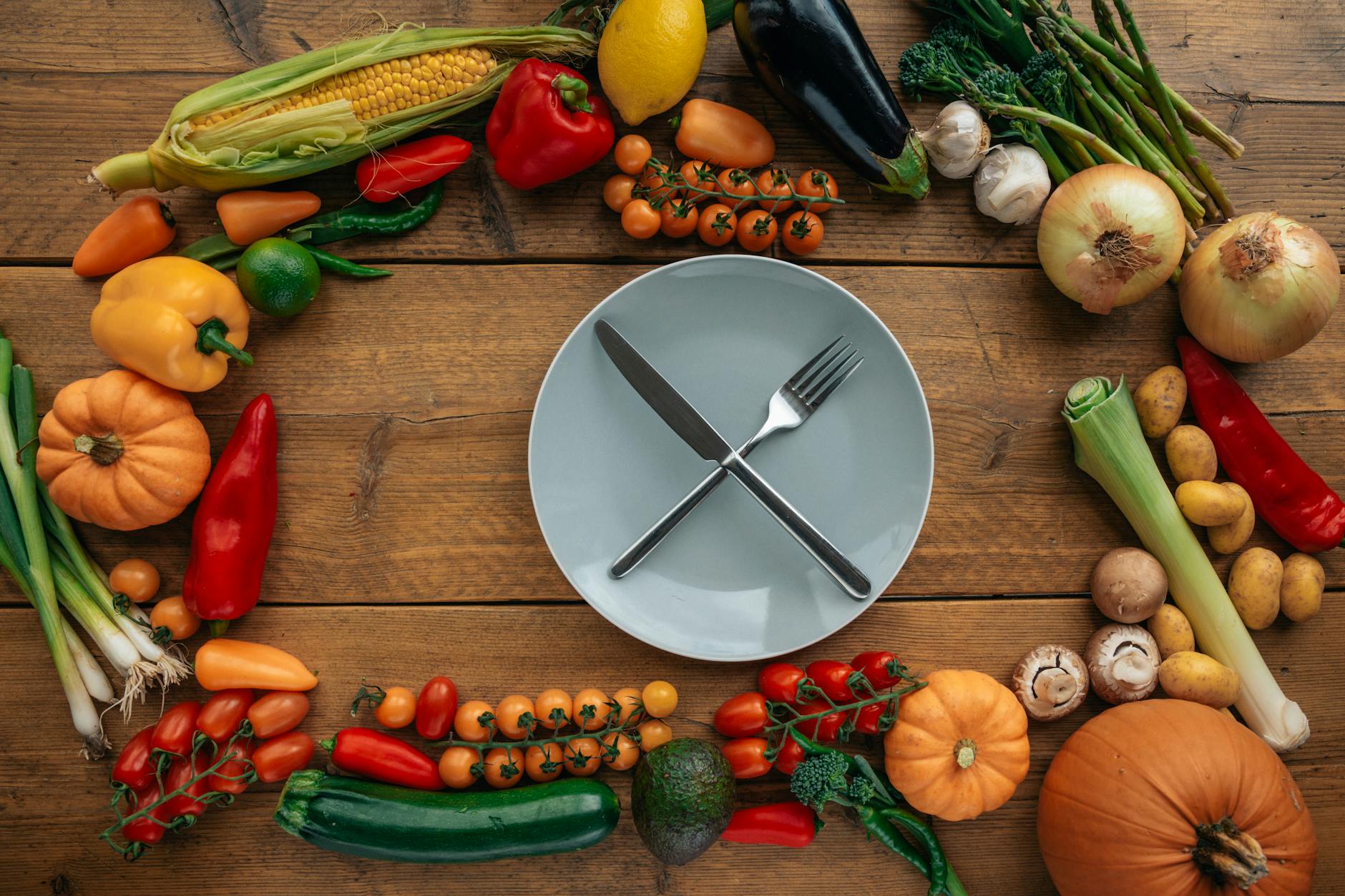
That adjustment period often feels strongest in the first few weeks of a new meal pattern. Bigger salads, more legumes, and fewer packaged calorie sources can leave you satisfied sooner, especially during the first stretch of a vegan diet.
Pay attention to the pattern, not just the feeling. A full stomach after a larger, high-fiber meal is different from weight loss, dizziness, vomiting, or a week of barely eating.
Temporary fullness has a different shape
Normal adjustment tends to be mild and short-lived. You eat smaller portions, feel full faster, and then return to a steadier pattern once your meals become more balanced and easier to digest.
Red flags deserve a medical check
Persistent weight loss, weakness, dizziness, vomiting, severe bloating, black stools, or trouble swallowing are not routine diet adjustment. Sudden appetite loss with pain or fever also needs attention. Those signs can point to digestive disorders, infection, medication side effects, or mental health concerns, and waiting too long can leave you more depleted.
Food aversion and nausea are not the same as hunger loss
Nausea makes food sound unpleasant before you even smell it, while hunger loss feels more like a missing signal. Food aversion can show up after a stomach bug, with migraine, with anxiety, or after a rough transition to very high-fiber eating. That distinction matters because the next meal choice changes with the symptom for you.
Once you know the difference, the next check is nutritional. Smaller meals make gaps easier to miss, especially when the foods you choose are filling but not dense in calories or key nutrients.
Once those shortfalls appear, the way meals are built can make all the difference.
The Nutrients That Most Often Need A Closer Look
A well-planned vegan diet can be nutritionally adequate, but small intake makes gaps easier to miss. Low appetite on a vegan diet raises the chance that you miss key nutrients simply because your meals are smaller than they need to be, and that can show up as fatigue within 1 to 2 weeks.
| Nutrient | Why it matters | Low-intake clue |
|---|---|---|
| Vitamin B12 | Supports nerve function, red blood cell formation, and energy pathways for you. | Fatigue, foggy thinking, or a flat mood for you. |
| Iron | Helps carry oxygen through the blood for you. | Tiredness, weakness, and less interest in eating for you. |
| Zinc | Supports taste, smell, and normal appetite signaling for you. | Food tastes dull and meals feel less appealing for you. |
| Calcium | Works with bones, muscles, and nerve function for you. | Low dairy-free intake can leave your day uneven for you. |
| Omega-3 | Supports cell membranes and brain health for you. | Low intake can overlap with fatigue and low mood for you. |
| Vitamin D | Works with bone and immune functions for you. | Low sun exposure can make intake more relevant for you. |
Vitamin B12 and iron deserve priority
Vitamin B12 is not reliably present in plant foods unless you use fortified sources, so it needs steady attention on any vegan plan. Iron matters too because iron deficiency can sap energy and make eating feel like a chore. The effect you notice often matters more than the label: fatigue makes meals easy to skip.
Zinc and omega-3 affect appetite quality
Zinc helps with taste and smell, and those senses shape how food feels before you swallow it. Omega-3 intake supports general health and may overlap with mood and energy patterns. If food tastes flat, smells off, or feels boring, those details can change intake more than willpower does.
Vitamin D and calcium sit in the broader health check, especially when your meals are small and your routine has less fortified food than you expected. That is the point where a careful meal review or a dietitian visit becomes more useful than guessing.
Those nutrient gaps often show up in your eating pattern first. The next move is to make meals easier to finish without forcing a big plate.
That approach helps, but nausea often calls for gentler textures and simpler flavors.
Eating Patterns That Make Small Appetites Work Harder
Small, frequent meals usually work better than waiting for a giant hunger signal. A quiet stomach can stay quiet all day, so meal frequency matters more than appetite drama, and that structure can protect your calorie deficit from getting too large.
Use tiny eating windows
Set three meal anchors and two or three snacks rather than aiming for one large plate. That structure keeps energy intake moving even on days when hunger is muted, and it lowers the chance that you end the day short on calories.
Build each eating moment with three parts
Each mini meal should include a calorie source, a protein source, and a soft or easy-to-tolerate food. A tofu bowl with rice and avocado, or soy yogurt with nut butter and fruit, gives you more staying power than plain vegetables alone.
Choose dense foods that do not take much room
Nut butter, avocado, olive oil, tahini, tofu, soy yogurt, trail mix, and smoothies are high-calorie vegan foods for low appetite because they pack energy into a small amount of food. A smoothie with soy milk, banana, nut butter, and oats can go down far easier than a stacked plate.
Keep fiber moderate until appetite steadies
Huge salads and extra-large bowls of beans can backfire while appetite is poor. Pull fiber back a little, then raise it again once your intake is steadier and your stomach can handle more bulk. That shift is not a retreat from healthy eating; it is a practical way to keep eating enough.
Check the texture before the ingredient list. Warm, soft, and moist foods usually feel easier than dry or crunchy meals when your appetite is low.
Texture often matters more than flavor when nausea shows up. The best next step is to choose foods that slide down easily and do not overload your senses.
When eating feels difficult, a stepwise return can prevent setbacks and keep energy steady.
Foods That Go Down Easily When You Feel Nauseous
Soft foods tend to work better than rough, dry, or strongly scented meals. A bowl of oatmeal or a cup of soup can feel far more manageable than a fiber-heavy stir-fry when nausea is in the mix.
Choose mild textures and cooler temperatures
Smoothies, oatmeal, soup, toast, rice, bananas, and applesauce are gentle starting points. Cool foods can also reduce smell, which helps when odor alone turns your stomach. That small shift can make the difference between skipping food and taking in a few hundred useful calories.
Use liquids when chewing feels hard
Liquids can be easier than solids because they move faster and ask less of your gut. Fortified shakes or meal replacements may help cover calories and protein on very low appetite days, especially when chewing feels like too much work.
Keep snack sizes tiny and repeatable
Hummus with crackers, soy yogurt, mashed potatoes, or nut-butter toast can fit a very small appetite without overwhelming it. The goal is not a perfect plate. The goal is a pattern you can repeat by lunchtime, midafternoon, and evening.
A little flavor control helps too. Ginger, peppermint, citrus, or strong spice can help some people, while others do better with bland food and fewer smells. That is why how to increase appetite naturally starts with what your stomach will actually accept, not with a rigid food rule.
Once you can tolerate a few bites again, structure matters more than guesswork. A simple recovery sequence keeps you moving from fluids to food without forcing a big meal too early.
Patterns like timing, triggers, and portion size often reveal more than a single bad meal.
A Simple Recovery Framework For Very Low Appetite
Very low appetite needs a sequence, not a guess. Start with fluids, then add gentle eating windows, then move toward fuller meals as your tolerance improves.
- Hydrate early. Sip water, broth, or another tolerated fluid so dehydration does not blunt hunger further.
- Open the day with a small bite. A banana, toast, or a few spoonfuls of oatmeal can restart intake.
- Use a snack ladder. Move from sips to soft foods, then to denser foods as the stomach settles.
- Repeat every few hours. Small frequent meals for low appetite keep the day from drifting into an empty stretch.
- Add a fortified shake. A meal replacement can cover calories and protein during a rough day.
- Get help for persistence. Ongoing weight loss, fatigue, or low appetite calls for a clinician or dietitian review.
A vegan meal plan for low appetite can stay simple. Breakfast might be a soy milk smoothie with banana and nut butter, lunch a bowl of rice with tofu and avocado, a snack of soy yogurt with oats, and dinner a mild lentil soup with toast. That pattern is small, but it keeps intake moving and gives you a usable vegan meal plan for low appetite.
Scientific point worth knowing. Gastrointestinal hormones such as cholecystokinin and peptide YY rise after a large meal and tell the brain that food has arrived. A very bulky vegan meal can trigger that signal fast, so denser food in smaller amounts often works better than sheer volume.
That same meal log can also show whether the problem is food-related or tied to something else. Before changing your diet again, a short record can reveal the pattern hiding under the low intake.
Taken together, those clues point less toward restriction and more toward a smarter routine.
What To Track Before You Change Your Diet Again
A short note in your phone can reveal more than guesswork. Track meal size, bloating, nausea, bowel changes, weight shifts, stress, and any medication changes for a week or two.
Look for the pattern behind the pause
Sudden appetite change that lines up with a new medicine, poor sleep, a stomach bug, anxiety, or depression points away from food alone. That history matters because the fix changes with the cause, and a diet tweak will not solve a medical problem.
Watch for slow clues instead of one big event
Food tasting flat, finishing meals with a heavy belly, or skipping the last meal of the day can signal that intake is sliding. Those clues show up before major weight loss, which gives you a chance to act sooner.
For low appetite on a vegan diet, the right next move is rarely more restriction. It is a better meal shape, a check on key nutrients, and a clear line between normal adjustment and a red flag.
Bottom Line
A plant-based diet can support good nutrition, but a sudden drop in appetite deserves a real look instead of a shrug. The most useful fix is often smaller, denser meals with less fiber bulk, plus attention to B12, iron, zinc, calcium, omega-3, and vitamin D. Persistent loss, weight change, vomiting, or pain needs a clinician.
FAQ
Why do I have low appetite on a vegan diet?
High-fiber meals, lower calorie density, bloating, and digestive adjustment can all make you feel full before you have eaten enough. Stress, depression, medication effects, and illness can stack on top of that pattern for you.
Can too much fiber make you feel full and stop you from eating?
Yes. Fiber adds bulk and holds water in the gut, so a large bean, grain, and vegetable meal can trigger fullness fast even when your calorie intake is still low for you.
What are the best vegan foods when you have no appetite?
Soft, dense foods tend to work best, such as smoothies, oatmeal, rice, toast, tofu, soy yogurt, avocado, tahini, and nut butter. Liquids and snack-sized portions are easier than large plates for you.
When is low appetite a sign I should see a doctor?
Weight loss, weakness, dizziness, vomiting, black stools, fever, severe bloating, or trouble swallowing are red flags. Appetite loss that does not improve after a short period also deserves medical review for you.
How do I tell the difference between low appetite, nausea, and bloating?
Low appetite feels like the hunger signal is missing, nausea makes food seem unpleasant before you eat, and bloating feels like pressure or tightness after eating. The distinction matters because each problem changes food choices and the need for care for you.
