

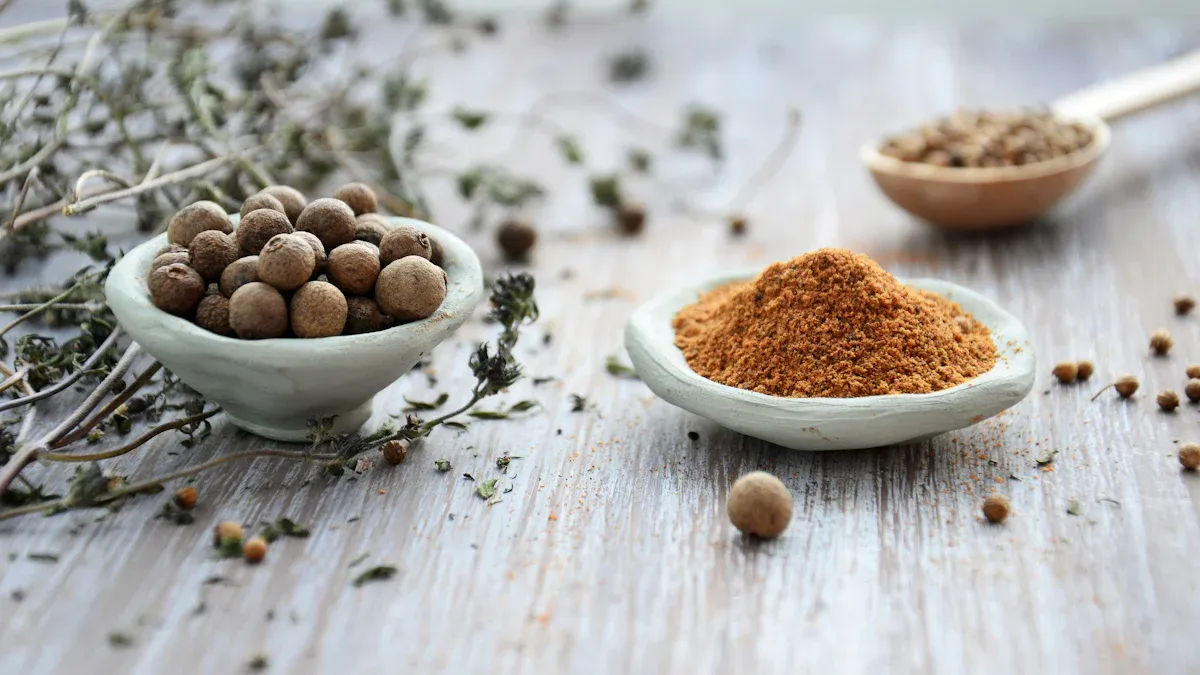
Nutmeg is a spice you find in kitchens around the world. People ask if nutmeg is healthy or risky because its nutrition draws attention. The global nutmeg market keeps growing, even though production in Indonesia and India dropped due to environmental problems. You may wonder about nutmeg’s value and why demand keeps rising.
Key Takeaways
Nutmeg is rich in nutrients like magnesium, manganese, and antioxidants, which support overall health.
Using nutmeg in moderation can enhance digestion, improve heart health, and provide anti-inflammatory benefits.
Excessive consumption of nutmeg can lead to serious side effects, including hallucinations and organ damage; always measure carefully.
Nutmeg Nutrition

Nutritional Profile
You might wonder what makes nutmeg stand out in terms of nutrition. Nutmeg contains a mix of macronutrients and micronutrients that support your body in many ways. Here is a table showing the nutrition facts for nutmeg per 100 grams:
Nutrient | Value per 100g | Percent of RDA |
|---|---|---|
Energy | 525 Kcal | 26% |
Carbohydrates | 49.29 g | 38% |
Protein | 5.84 g | 10% |
Total Fat | 36.31 g | 180% |
Dietary Fiber | 20.8 g | 55% |
Vitamin A | 102 IU | 3.5% |
Vitamin C | 3 mg | 5% |
Calcium | 184 mg | 18% |
Magnesium | 183 mg | 46% |
Iron | 3.04 mg | 38% |
Manganese | 2.9 mg | 126% |
Copper | 1.027 mg | 114% |
Potassium | 350 mg | 7.5% |
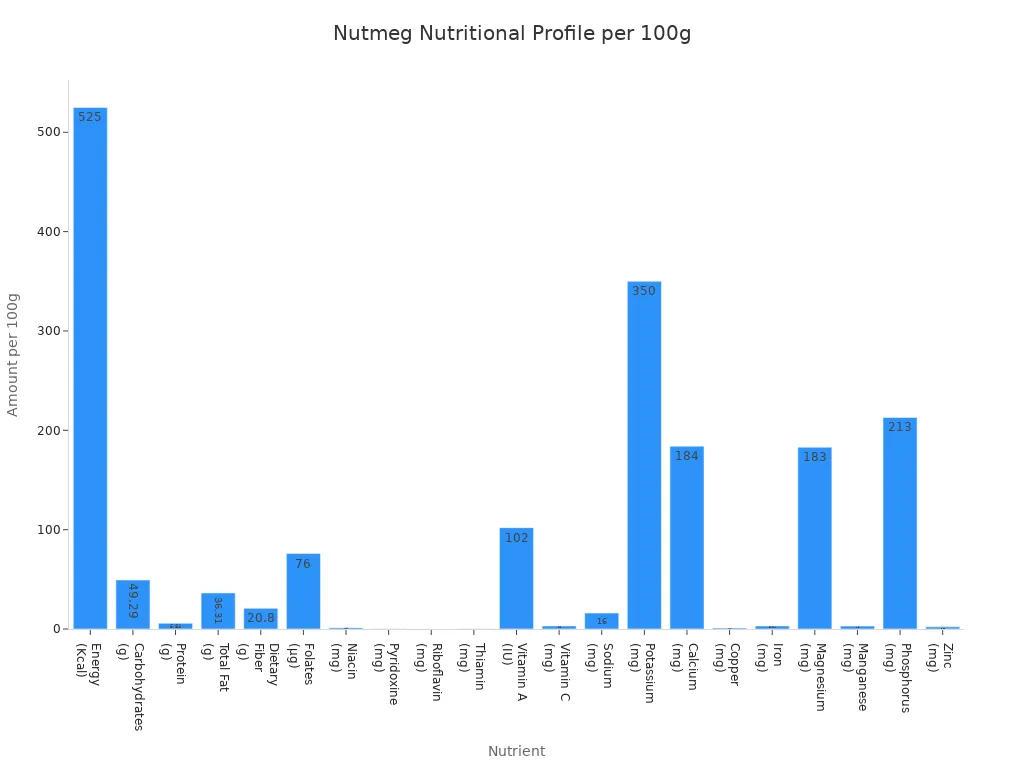
Nutmeg has a higher calorie count than most spices. For example, nutmeg provides 525 calories per 100 grams, while cardamom only has 311 calories. Even a teaspoon of nutmeg gives you about 12 calories.
Key Nutrients
Nutmeg offers more than just calories. You get important vitamins and minerals like magnesium, manganese, copper, iron, and calcium. These nutrients help your body in many ways. Magnesium supports your muscles and nerves. Manganese and copper help your body use energy and protect your cells. Iron helps carry oxygen in your blood. Nutmeg also contains antioxidants such as eugenol and phenolic compounds. These antioxidants protect your cells from damage and may lower your risk of diseases. The fiber in nutmeg supports healthy digestion. When you use nutmeg in small amounts, you add both flavor and nutrition to your meals.
Health Benefits of Nutmeg
Antioxidant and Anti-Inflammatory Effects
Nutmeg gives you strong antioxidant and anti-inflammatory effects. These health benefits come from its rich mix of vitamins, phenolic compounds, flavonoids, and lignans. You can find nutmeg acting as a natural antioxidant by stopping lipid peroxidation and quenching singlet oxygen. This helps protect your cells from damage and supports your well-being.
Nutmeg contains active phytochemicals that fight oxidative stress.
Studies show nutmeg supplementation improves antioxidant levels in animals and boosts growth rates.
You get anti-inflammatory properties from compounds like macelignan and myrislignan.
Compound | Mechanism of Action | Effects |
|---|---|---|
Macelignan | Suppresses LPS-induced activation of the Toll-like receptor 4 pathway, inhibiting NF-κB and COX-2 expression | Anti-inflammatory effects in diabetes and hepatotoxicity models, neuroprotective effects |
Activates PPAR-γ, leading to increased arginase 1 expression | Protective against Parkinson’s Disease and neurodegenerative disorders | |
Reduces matrix metalloproteinases (MMPs) and collagen synthesis in skin | Antiphotoaging effects, protecting skin fibroblasts from UVB damage | |
Myrislignan | [Further details not provided in the existing answer] | [Further details not provided in the existing answer] |
You may notice nutmeg helps reduce inflammation and supports your body’s defense against chronic diseases. The anti-inflammatory effects also protect your skin and brain. These benefits make nutmeg a valuable spice for your health.
Tip: You can add nutmeg to your meals to enjoy its antioxidant and anti-inflammatory effects, but always follow precautions to avoid nutmeg toxicity.
Heart and Blood Sugar Support
Nutmeg supports your heart health and helps with lowering blood sugar. You can see these health benefits in studies that show nutmeg’s ability to lower cholesterol and improve antioxidant levels.
Finding | Description |
|---|---|
Cholesterol Reduction | The study found a significant reduction in serum total cholesterol and triglycerides in hypercholesterolemic rats treated with Monodora myristica extract. |
HDL-c Increase | Treatment with the extract resulted in a significant increase in HDL-c, which is known as ‘good cholesterol’ and is essential for heart health. |
Antioxidant Effects | The extract ameliorated oxidative stress and improved antioxidant levels, suggesting protective effects against heart-related injuries. |
You may benefit from nutmeg’s cholesterol-lowering effects, which help reduce the risks of heart disease. Nutmeg also helps regulate blood pressure and supports your kidney health. Animal studies suggest nutmeg may help lower blood sugar levels. A 2020 study showed nutmeg extract treats diabetes in rats, leading to reduced blood sugar and better pancreatic function. These effects make nutmeg a helpful spice for people who want to support their heart and blood sugar health.
Digestive and Mental Health Benefits
Nutmeg gives you many health benefits for your digestive system. You can use nutmeg to relieve nausea, diarrhea, and stomachaches. Nutmeg has carminative properties, which help reduce gas and stimulate appetite. Traditional medicine uses nutmeg for indigestion, flatulence, and nausea.
Nutmeg helps with gastrointestinal disorders and protects against inflammatory bowel disease.
You get strong antimicrobial effects against harmful bacteria like E. coli and H. pylori.
Studies show nutmeg reduces proinflammatory cytokines and supports gut health.
You may notice nutmeg helps with diarrhea and nausea, making it a useful spice for digestive comfort. Nutmeg also supports mental health. Some studies report nutmeg has antidepressant-like effects and may help regulate mood. Nutmeg’s effects on the serotonergic system suggest it could help with mood disorders. However, you should know that abusing nutmeg can cause toxic effects, including severe mood changes and psychotic symptoms. Always follow precautions and avoid overuse.
Nutmeg may help with insomnia and better sleep. Some people use nutmeg to relax and improve sleep quality. You can add nutmeg to warm milk or tea before bed to support sleep. Nutmeg’s calming effects may help you unwind and rest.
Nutmeg also shows promise in protecting your liver and kidney health. Some studies suggest nutmeg may help prevent cancer by reducing inflammation and oxidative stress. You may benefit from nutmeg’s ability to support your body’s defenses against cancer and other chronic diseases.
Note: You should always use nutmeg in moderation. Too much nutmeg can lead to toxic effects, including nausea, diarrhea, and nutmeg toxicity. Follow precautions and consult your doctor if you have kidney problems or other health risks.
Nutmeg Side Effects & Safe Use
Potential Risks
You may wonder what side effects can happen if you use too much nutmeg. Most people use nutmeg safely in food, but high amounts can cause serious problems. Some of the most commonly reported side effects include:
Delirium
Anxiety
Confusion
Headaches
Nausea
Dizziness
Dry mouth
Eye irritation
Amnesia
Convulsions
Palpitations
Dehydration
Generalized body pain
Allergic reactions
Contact dermatitis
Acute episodes of psychosis
Hallucinations
Serious mental side effects
Nutmeg poisoning can cause agitation, hallucinations, drowsiness, vomiting, and even tachycardia. In rare cases, nutmeg has led to death, especially when people consume more than 10 grams at once. Children and adults have both experienced fatal outcomes after large doses.
Symptoms/Health Risks | Description |
|---|---|
Tachycardia | Increased heart rate |
Dizziness | Feeling lightheaded or unsteady |
Excitement | Heightened state of arousal |
Anxiety | Feelings of worry or unease |
Headache | Pain in the head region |
Limb Weakness | Reduced strength in limbs |
Dry Mouth | Lack of saliva production |
Nausea | Feeling of sickness with an urge to vomit |
Hallucinations | Perception of things not present |
Organ Damage | Harm to liver, heart, and kidneys |
Severe Cases | Possible death from high doses |
Water Intoxication | Dangerous condition from too much water |
Electrolyte Abnormalities | Imbalance of minerals in the body |
Safe Consumption
You can safely enjoy nutmeg in small amounts. Most recipes use about one-quarter teaspoon, which is safe for most people. Eating more than one teaspoon at a time can lead to side effects. Experts recommend keeping your intake below 10 grams per sitting to avoid nutmeg poisoning. For babies under 6 months, avoid nutmeg. Children over 6 months can have less than 1/8 teaspoon mixed into food. At 12 months, you can add up to 1/4 teaspoon to meals.
Tip: Always measure nutmeg carefully and avoid using nutmeg essential oil in large amounts, as it can increase the risk of side effects.
Who Should Avoid Nutmeg
Some people should avoid nutmeg because of the risk of side effects. Adolescents face a higher risk of deliberate misuse, which can cause hallucinations, seizures, or even coma. People with a history of seizures, heart problems, or liver disease should not use nutmeg. Pregnant women should avoid large amounts, as nutmeg may affect the nervous system. Mixing nutmeg with other substances can make side effects worse. If you notice dizziness, agitation, or vomiting after eating nutmeg, seek medical help right away.
Nutmeg Uses

Cooking Tips
You find nutmeg in kitchens around the world. People use it for its warm, sweet flavor in both sweet and savory dishes. You can add nutmeg to holiday baking, such as pies, cakes, and custards. Many chefs recommend nutmeg for sauces like béchamel and hollandaise. You see nutmeg sprinkled on drinks like lattes, hot chocolate, and eggnog. Nutmeg also appears in traditional recipes, including Mysore Pak, Punjabi Pinni, and Bhetki Begum Bahar.
Application | Description |
|---|---|
Sweet Dishes | Adds warmth and sweetness to desserts and baked goods |
Savory Dishes | Enhances sauces, soups, and stews with depth and complexity |
Beverages | Provides an aromatic finish to drinks such as chai and hot toddies |
Tip: You can grate nutmeg fresh for a stronger aroma and flavor.
Everyday Uses
Nutmeg offers more than culinary value. You find nutmeg oil in home remedies for skin health because it has antibacterial and anti-inflammatory properties. People use nutmeg in aromatherapy to promote relaxation and reduce stress. You may add nutmeg to warm milk to help with sleep. Nutmeg helps with digestive problems and muscular aches. Many people use nutmeg to support mood and manage anxiety.
Promotes relaxation and better sleep
Supports skin health and pain relief
Helps with digestive comfort
Storage Advice
You keep nutmeg fresh by storing it in a cool, dark place away from sunlight and heat. Use airtight containers, such as glass jars or stainless steel tins, to protect nutmeg from moisture. If you store ground nutmeg, transfer it to a small jar for long-term freshness. Whole nutmeg seeds last indefinitely when stored properly. Ground nutmeg stays flavorful for up to three years.
Storage Condition | Shelf Life |
|---|---|
Cool, dark place, airtight container | 3-4 years |
Whole nutmeg seeds | Indefinite |
Note: Avoid grating nutmeg directly over hot food to preserve its aroma.
Nutmeg gives you antioxidants, vitamins, and minerals. You gain health benefits like better digestion and heart support. Nutrition experts agree nutmeg is safe in small amounts, but too much can cause serious side effects.
Add nutmeg to drinks, baked goods, or vegetables for flavor.
Always use nutmeg in moderation for best results.
FAQ
What is the safest way to use nutmeg in recipes?
You should measure nutmeg carefully. Use less than one teaspoon per dish. This amount keeps your food safe and flavorful.
Tip: Freshly grated nutmeg gives you stronger taste and aroma.
What happens if you eat too much nutmeg?
You may feel dizzy, anxious, or sick. High doses can cause hallucinations or serious health problems. Always use nutmeg in moderation.
What nutrients do you get from nutmeg?
You get magnesium, manganese, copper, iron, and antioxidants. These nutrients help your muscles, nerves, and cells stay healthy.
Nutrient | Benefit |
|---|---|
Magnesium | Supports nerves |
Iron | Carries oxygen |
Copper | Protects cells |