

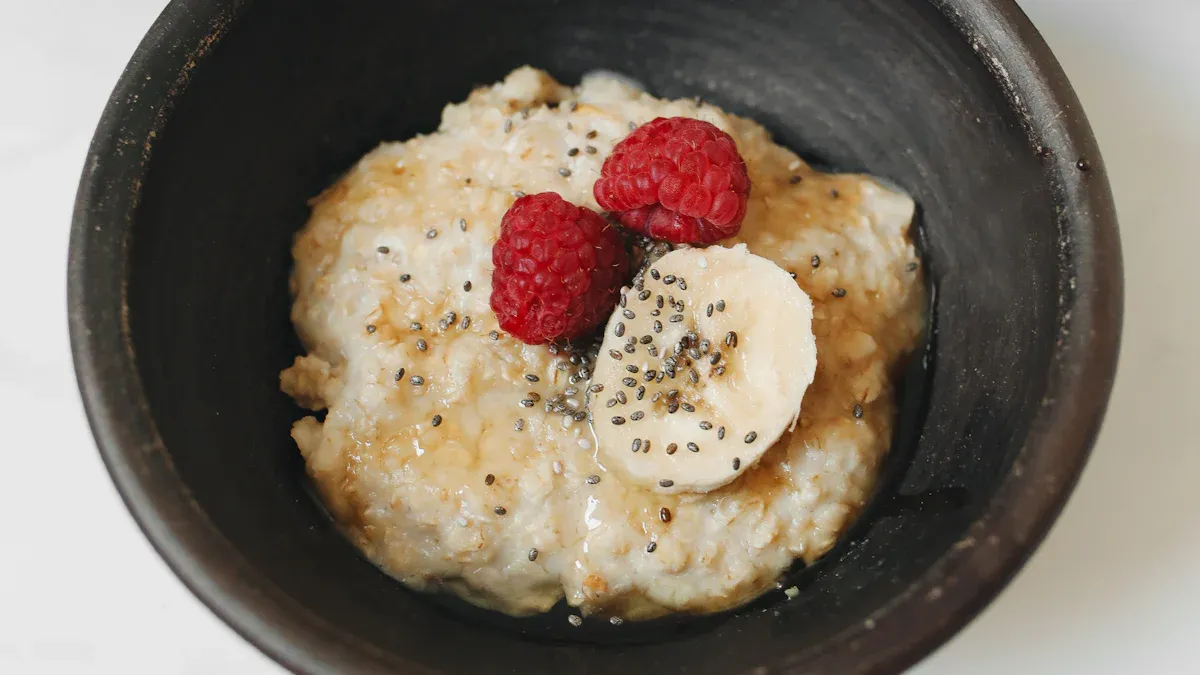
Have you ever truly appreciated the humble power of a bowl of oatmeal? For generations, oatmeal has been a breakfast champion. Today, you see oats in countless culinary creations, far beyond just your morning meal. These versatile oats offer incredible oatmeal nutrition. It provides many health benefits, making it a true superfood for your overall health. You will explore key oatmeal nutrition facts, its top benefits, and many versatile uses.
Key Takeaways
Oatmeal is a superfood. It has many important nutrients like fiber, vitamins, and minerals.
Eating oatmeal helps your heart. It lowers bad cholesterol and keeps your blood sugar steady.
Oatmeal helps your digestion. It makes you feel full, which can help with weight control.
Oats are good for your body. They boost your immune system and protect your skin.
You can eat oats in many ways. Try them in breakfast, baking, or smoothies.
Oatmeal Nutrition Facts: A Detailed Look
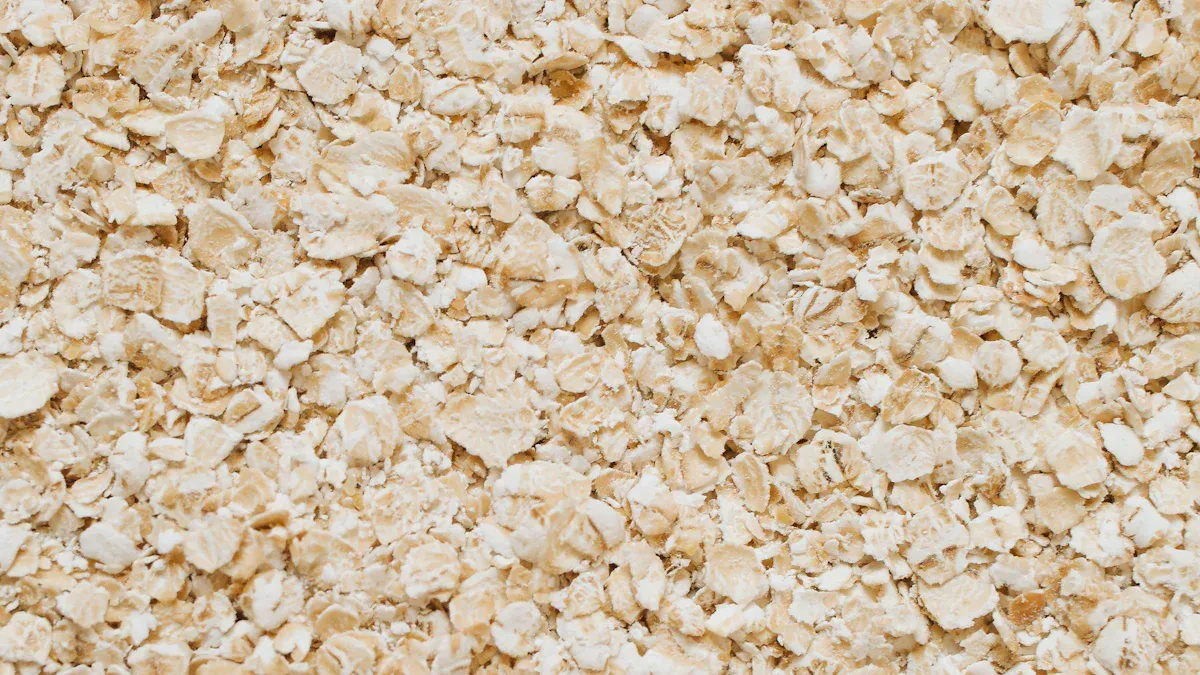
You might think of oatmeal as a simple breakfast, but its nutritional profile is anything but basic. Let’s dive into the oatmeal nutrition facts. This detailed nutrition overview shows you why this whole grain powerhouse deserves a regular spot in your diet.
Macronutrient Breakdown
Oatmeal provides a balanced mix of macronutrients, giving you sustained energy throughout your day. A single cup of cooked oatmeal offers a significant amount of complex carbohydrates, protein, and healthy fats.
Here is a typical breakdown for one cup of cooked oatmeal:
Macronutrient | Amount (per 1 cup cooked oatmeal) | Calorie Breakdown |
|---|---|---|
Calories | 145 | – |
Fat | 2.39g | 15% |
Carbs | 25.37g | 69% |
Protein | 6.06g | 16% |
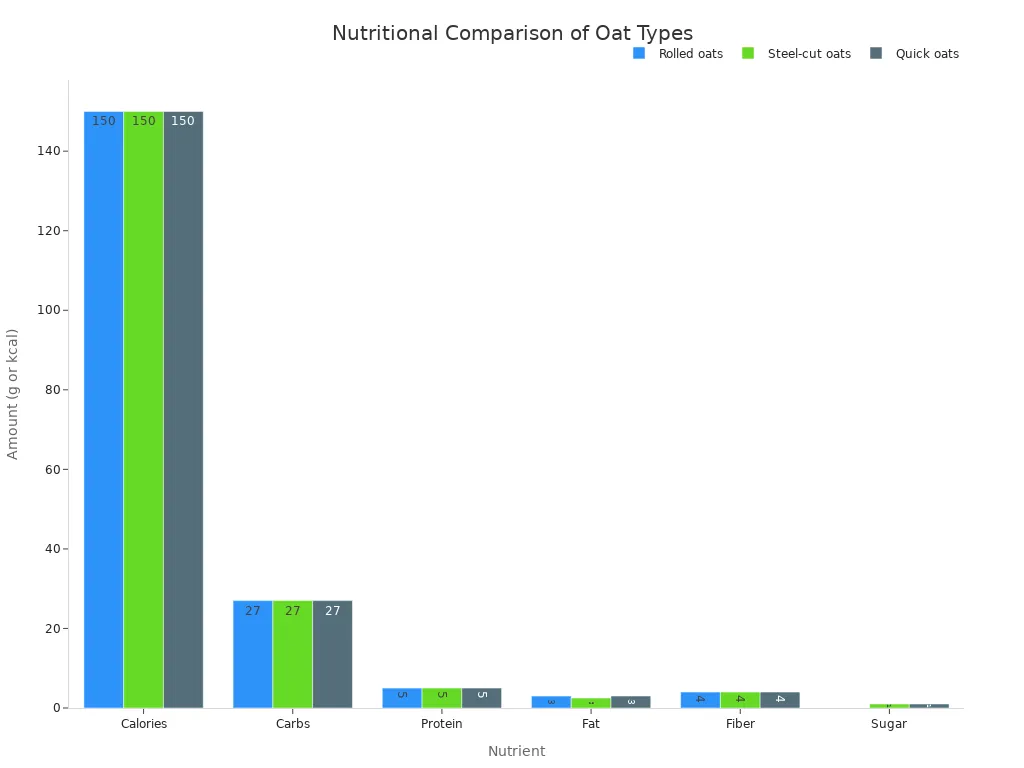
This shows you that carbohydrates make up the largest portion of calories, providing the fuel your body needs. You also get a good amount of protein and healthy fats. For example, a standard serving (about 40.5g dry oats) typically contains around 5g of protein, 27g of carbohydrates, and 3g of fat. These numbers highlight the excellent balance of energy sources you get from eating oatmeal.
Essential Vitamins and Minerals
Oats are a treasure trove of essential vitamins and minerals. They provide many micronutrients vital for your body’s functions. You will find a remarkable concentration of these in your bowl of oatmeal:
Manganese: You get a whopping 64% of your daily recommended value. This mineral is crucial for bone health and metabolism.
Copper: Oatmeal provides 18% of your daily value, supporting energy production and iron absorption.
Vitamin B1 (Thiamin): You receive 16% of your daily value. Thiamin helps convert food into energy.
Magnesium: This accounts for 13% of your daily value, important for muscle and nerve function.
Beyond these, oats also contain other valuable minerals:
Iron
Potassium
Phosphorus
Zinc
Selenium
These nutrients contribute to overall health, from supporting your immune system to maintaining healthy blood.
Fiber Content and Types
One of the most celebrated aspects of oatmeal nutrition is its impressive fiber content. A single cup of cooked oatmeal delivers almost 4 grams of dietary fiber. This fiber is not just one type; it includes both soluble and insoluble fiber.
The star of the show is beta-glucan, a type of soluble fiber unique to oats. This powerful fiber forms a gel-like substance in your digestive tract. This helps slow down digestion and absorption. This specific type of fiber is responsible for many of oatmeal’s health benefits, which you will learn about later. The high fiber content in oats also helps you feel full longer.
Antioxidants and Phytonutrients
Oats are rich in antioxidants and unique plant compounds called phytonutrients. These compounds protect your body from damage.
You will find these key players in your oatmeal:
Avenanthramides: These are powerful antioxidants found almost exclusively in oats. They help reduce inflammation and protect your heart. They also have anti-itching properties.
Flavonoids: These are another group of antioxidants present in oats. They work with other compounds to boost your body’s defenses.
Phenolic Compounds: Oats contain various phenolic acids like ferulic acid and caffeic acid. These contribute to the overall antioxidant capacity of this whole grain.
These unique compounds make oatmeal more than just a source of energy. They provide significant protective benefits for your health.
Top 9 Benefits of Oatmeal
Oatmeal offers many impressive health benefits. You gain significant advantages for your overall health when you make it a regular part of your diet. These benefits come from its unique nutritional makeup.
Supports Heart Health
Oatmeal is a champion for your heart. Its soluble fiber, beta-glucan, plays a key role. This fiber forms a gel in your digestive system. It binds with cholesterol and removes it from your body. This process helps lower LDL (‘bad’) cholesterol levels. Studies show consuming oats and oat-based products significantly reduces serum cholesterol, especially LDL cholesterol.
For example, some oat products have led to cholesterol reductions of up to 16% and LDL cholesterol reductions of up to 28%. Another study found that consuming 3 grams of oat beta-glucan daily for 8 weeks lowered LDL cholesterol levels by over 15%. This powerful action minimizes cholesterol buildup in your arteries. Beta-glucan also helps lower blood pressure. This further reduces your risk of heart disease.
Aids Blood Sugar Control
Oatmeal is excellent for managing your blood sugar. The beta-glucan fiber slows down glucose absorption after meals. This prevents sharp spikes in blood sugar. This mechanism helps you maintain stable blood glucose levels.
Less processed forms of oats, like steel-cut oats, are especially effective. They retain more fiber, which means your body breaks down carbohydrates more slowly. This leads to a gradual rise in blood glucose. Research shows that oat beta-glucan contributes to both insulin and glycemic control. For individuals with type 2 diabetes, oats consumption improves glucose levels and insulin sensitivity. A systematic review of 16 studies showed a moderate beneficial effect of oats intake on glycemic control. This helps you improve blood sugar management throughout the day.
Promotes Digestive Health
Oatmeal is a friend to your digestive system. Its high fiber content supports a healthy gut. Both soluble and insoluble fibers work together. Soluble fiber, like beta-glucan, acts as a prebiotic. It feeds beneficial gut bacteria.
This promotes a healthy gut microbiome. Oat bran fiber increases the production of short-chain fatty acids (SCFAs), especially butyrate. Butyrate is vital for colon health and strengthens your intestinal barrier. This helps your gut function better. Insoluble fiber adds bulk to your stool. This aids regular bowel movements and prevents constipation. A high-fiber diet keeps your digestive system running smoothly.
Assists Weight Management
Oatmeal can be a valuable tool for weight loss. It helps you feel full longer. The soluble fiber in oatmeal absorbs water and expands in your stomach. This increases satiety and reduces hunger. A study found that oatmeal significantly increased fullness and reduced hunger compared to other oat-based cereals. It also led to lower energy intake at lunch.
This means you eat less later in the day. While some studies show varied effects on immediate food consumption, the overall impact on satiety is clear. Regular consumption of oatmeal helps you manage your weight. It contributes to a lower body weight, BMI, and waist circumference. This helps weight control by naturally reducing your overall calorie intake.
Boosts Immune Function
Oatmeal strengthens your immune system. Beta-glucans in oats activate immune cells. This enhances your body’s defense against infections. These cells increase levels of antibodies and natural killer T cells. These cells release substances that fight bacteria and viruses.
Oats also contain powerful antioxidants, like phenolic compounds and vitamin E. These protect your cells from damage and reduce inflammation. Vitamins like B6, folate, and A also play vital roles in immune responses. You give your body a strong defense when you eat oatmeal regularly.
Reduces Chronic Disease Risk
Eating oatmeal regularly helps reduce your risk of several chronic diseases. Its beneficial compounds protect your body. Oats offer protection from certain cancers, especially in the colon. They also decrease age-related systemic chronic inflammation.
This is important for preventing many age-related conditions. Long-term oat consumption reduces risk factors for cardiovascular disease, such as high LDL cholesterol. It also helps patients with irritable bowel syndrome (IBS) and ulcerative colitis. The unique compounds in oats, like beta-glucan, show promise as anticarcinogenic agents. They can inhibit tumor growth.
Enhances Skin Protection
Oatmeal offers surprising benefits for your skin. It is a common ingredient in many skincare products. Oats contain compounds that protect and soothe your skin.
Flavonoids absorb harmful UV radiation.
Starches and Beta-glucans help your skin retain moisture. They preserve your skin’s barrier.
Avenacins provide a natural cleansing action.
Phenols act as antioxidants and reduce inflammation.
Avenanthramides are unique to oats. They have potent anti-inflammatory and anti-irritant effects. They can reduce itching and redness.
These components work together to protect your skin from environmental damage and soothe irritation.
Provides Sustained Energy
Oatmeal is an excellent source of sustained energy. It is a complex carbohydrate rich in fiber and nutrients. Your body digests it slowly. This means glucose enters your bloodstream gradually. This prevents the sudden energy crashes you might experience with sugary breakfasts. Its high levels of soluble fiber ensure a steady supply of glucose. This helps maintain stable blood sugar levels. You get a prolonged energy supply. This makes oatmeal an ideal food before physical activity. It boosts energy levels for hours.
Contains Unique Antioxidants
Oats contain unique antioxidants called avenanthramides. You do not find these powerful compounds in other cereals. Avenanthramides offer many health benefits. They have strong antioxidant activity. They also possess anti-inflammatory, anti-itching, and anti-irritant properties. These compounds protect your cells from oxidative stress. They also have antiatherogenic activity. This means they help prevent the early stages of atherosclerosis. This protects your cardiovascular system. Avenanthramides also offer skin protection. They reduce wrinkles and alleviate inflammatory skin conditions. This unique compound acts as an antioxidant and provides significant protective benefits for your health.
Warm Uses & Incorporating Oats
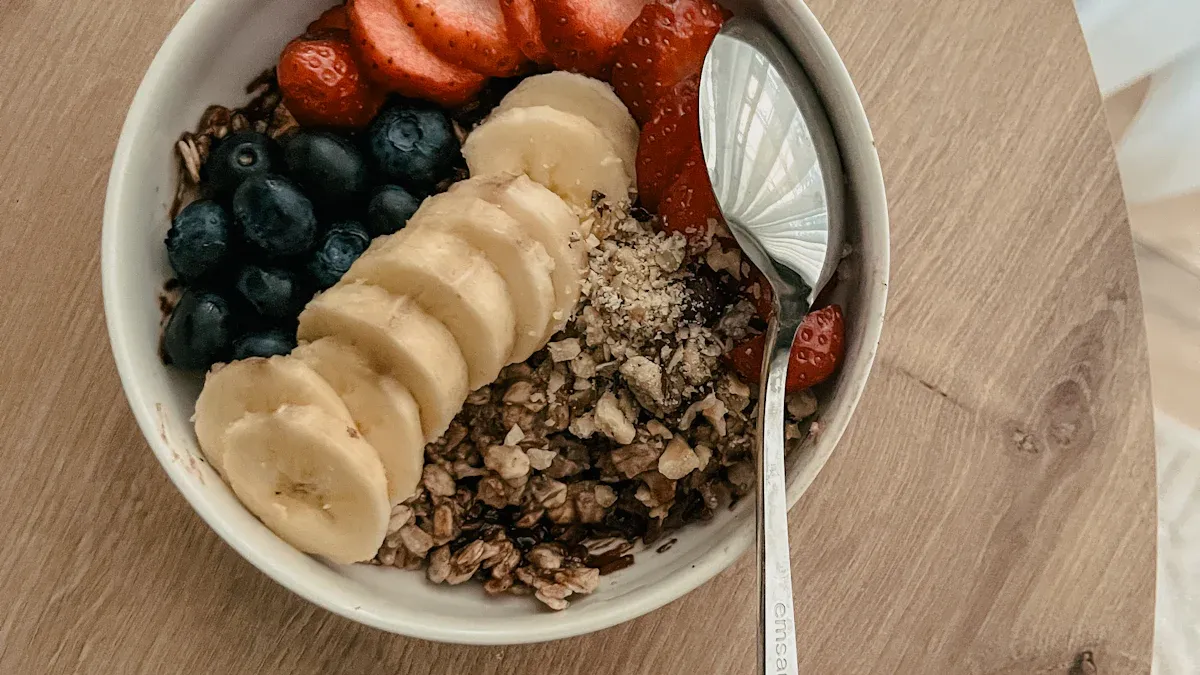
Oats are incredibly versatile. You can enjoy them in many ways beyond a simple breakfast. You will find many delicious ways to include oats in your daily meals.
Classic Oatmeal Preparations
You can start your day with classic oatmeal. Just cook oats with water or milk. Add your favorite toppings. These include fresh fruit, nuts, seeds, or a drizzle of honey. This simple meal provides warmth and energy.
Overnight Oats Variations
Overnight oats are a convenient option. You prepare them the night before. They are ready to eat in the morning. You can try many creative variations.
Strawberries & Cream: Use fresh berries or fruit juice-sweetened jam.
Tropical: Add frozen pineapple or mango for a quick, exotic flavor.
‘PBJ’: Combine any nut butter with frozen raspberries.
Chocolate: Mix in chocolate. You can add berries or cacao nibs.
Apple Pie: Simmer apples with spices for a warm, comforting taste.
Banana Bread: Use overripe bananas and spices for a healthier treat.
Pumpkin Spice: Use canned pumpkin purée for a seasonal favorite.
Savory Oatmeal Bowls
Oatmeal does not have to be sweet. Savory oatmeal bowls offer a unique twist. You can customize them with many ingredients. For example, you can make a Savory Oatmeal Breakfast Bowl. Add spinach, mushrooms, and a fried egg. You can also include tomatoes, basil, and mozzarella. Or try zucchini, corn, and black beans. You can set up an ‘oatmeal bar’ with toppings. This lets everyone create their own bowl. Popular toppings include:
Sliced avocado
Shredded cheese
Salsa or hot sauce
Bacon or diced ham
Everything bagel seasoning
Baking with Oats
Oats are a great addition to your baking. They add texture and nutrition. Different types of oats work best for different recipes.
Oat Type | Common Baking Applications |
|---|---|
Rolled Oats | Cookies, muffins, breads, granola |
Quick Oats | Quick-cooking baked goods, smoothies |
Oat Flour | Gluten-free baking, pancakes, waffles |
Oat Bran | Added to cereals, muffins for fiber |
Oats in Smoothies and Shakes
You can easily add oats to your smoothies and shakes. They make drinks thicker and more filling. This boosts your energy. Try a Banana Oatmeal Smoothie. It has a creamy texture and cozy flavor. A Peanut Butter Oatmeal Smoothie is healthy and satisfying. You can also make an Apple Cinnamon Smoothie. It tastes like apple pie. A Mixed Berry Oatmeal Smoothie offers many antioxidants.
Different Types of Oats Explained
You will find different types of oats. They vary in how they are processed. This affects their cooking time and texture.
Steel-cut oats are whole oat groats chopped into smaller pieces. They have a chewy texture and nutty flavor. They take 15–30 minutes to cook.
Rolled oats are steamed and flattened oat groats. They have a milder flavor and softer texture. They cook faster.
Quick oats are rolled oats that are steamed and rolled even thinner. They cook in just a few minutes. They have a very soft texture.
While their basic nutrition is similar, quick oats can cause faster blood sugar spikes. Steel-cut and rolled oats offer a slower energy release. This helps stabilize blood sugar. Eating oats in their less processed forms can be beneficial.
You have seen the incredible oatmeal nutrition and many benefits it offers. This whole grain provides essential nutrients for your health. Its versatility makes incorporating oats into your diet easy.
Make oatmeal a regular part of your healthy eating routine.
You will gain a powerful, accessible superfood. Embrace the full power of oatmeal nutrition from these amazing oats.
FAQ
Is oatmeal gluten-free?
Yes, pure oats are naturally gluten-free. However, cross-contamination can happen during processing. Look for certified gluten-free labels if you have celiac disease or gluten sensitivity.
What is the healthiest type of oatmeal?
Steel-cut oats and rolled oats are generally the healthiest. They are less processed. They offer more fiber and a lower glycemic index. This means they release energy slowly.
Can you eat oatmeal every day?
Yes, you can eat oatmeal daily. It provides many health benefits. It supports heart health and digestion. You get sustained energy. Vary your toppings to keep it interesting and balanced.
Does oatmeal help you lose weight?
Oatmeal helps with weight management. Its high fiber content makes you feel full. This reduces your overall calorie intake. It helps you control your appetite.
What is the difference between quick oats and rolled oats?
Quick oats are rolled oats that are steamed and cut into smaller pieces. They cook faster. Rolled oats are steamed and flattened. They have a chewier texture and take longer to cook.