


Dietary fats play a critical role in your health. The type and balance of these fats matter more than quantity. Your body needs essential omega-6 fats and omega-3 fatty acids; it cannot produce them. This guide demystifies the omega 6 to omega 3 ratio, explaining its profound impact. Modern diets often skew this omega-6/3 ratio, leading to potential health concerns. An imbalanced ratio can drive chronic inflammation, increasing your risk of cardiovascular disease and other chronic conditions. We provide actionable guidance on achieving a healthier balance through food sources and better omega-3 fats.
Key Takeaways
Your body needs both omega-6 and omega-3 fats. It cannot make them.
Modern diets have too many omega-6 fats. They have too few omega-3 fats.
An unbalanced ratio causes long-term inflammation. This leads to many health problems.
Eat more omega-3 rich foods like fatty fish. Reduce processed foods and high omega-6 oils.
Aim for an omega-6 to omega-3 ratio of 4:1 or lower. This helps your health.
Omega-6 and Omega-3 Fats: The Basics

You often hear about omega-6 and omega-3 fats. These are essential nutrients your body needs but cannot make. Understanding them starts with their names. The term “omega” in fatty acids refers to the last carbon atom in the chain. The number after “omega” tells you where the first double bond is located when you count from that omega end. For example, omega-3 fatty acids have their first double bond at the third carbon from the omega end. Omega-6 fats have their first double bond at the sixth carbon.
What Are Omega-6 Fats
Omega-6 fats are polyunsaturated fatty acids. You find these fats in many plant foods. They are also common in certain vegetable oils. Primary dietary sources of omega-6 fats include walnuts, sunflower seeds, and almonds. Oils like sunflower oil, corn oil, and soybean oil also contain high amounts of omega-6 fats. These omega-6 fats play crucial roles in your body. They are part of your cell membranes, helping them work correctly. Omega-6 fats also help control gene activity inside your cells. Arachidonic acid, a type of omega-6, is vital for brain development in babies.
What Are Omega-3 Fats
Omega-3 fats are another type of polyunsaturated fatty acid. These fats are also essential for your health. Major omega-3 fatty acids include alpha-linolenic acid (ALA), eicosapentaenoic acid (EPA), and docosahexaenoic acid (DHA). You get ALA from plant oils like flaxseed oil and canola oil. Fatty fish like salmon, mackerel, and sardines are excellent sources of EPA and DHA. Some foods, such as eggs and milk, may also be fortified with omega-3 fats. The benefits of omega-3 are wide-ranging.
Essential Roles in the Body
Both omega-6 and omega-3 fats have vital jobs. Omega-6 fats, like linoleic acid, help maintain healthy skin. They are key for your skin’s barrier function. These omega-6 fats can also influence your body’s inflammatory responses. Omega-3 fats help regulate many body processes. They control blood clotting and inflammation. Omega-3 fats also help your arterial walls contract and relax. They attach to cell receptors to regulate genetic activity. These omega-3 fats keep your cell membranes fluid, which is important for how cells work.
The Ideal Omega 6 to Omega 3 Ratio
Understanding the right balance between omega-6 and omega-3 fats is crucial for your health. This balance, or the omega 6 to omega 3 ratio, significantly impacts your body’s functions.
Historical vs. Modern Ratios
Your ancestors ate a very different diet than you do today. The estimated omega-6 to omega-3 ratio in ancestral human diets was between 1:1 and 2:1. This range reflects how humans ate for most of their history. However, modern eating habits have drastically changed this balance.
There is some evidence to suggest that the high omega-6 to omega-3 fats ratio typical of Western diets, 20:1 or even higher, compared to an estimated 1:1 during the most of human evolution, contributes to many chronic diseases, including cardiovascular disease, cancer and autoimmune disorders,” said Zhang.
This quote highlights the significant shift. You now consume far more omega-6 fats than omega-3 fats. This imbalance creates a high omega-6/3 ratio.
Why Balance Matters
A balanced omega-6/3 ratio is vital for your cells. When this ratio is off, it affects how your body works.
Eicosanoid Metabolite Production: The ratio of omega-3 to omega-6 fatty acids controls the production of eicosanoid metabolites. These substances influence inflammation and other responses inside your cells.
Gene-Nutrient Interactions: Imbalances in omega-3 and omega-6 intake can disrupt how genes interact with nutrients. This leads to biological problems that increase your risk of disease. For example, a high omega-6/3 ratio can increase pro-inflammatory eicosanoids. These promote inflammation, blood clots, and cell growth. Omega-3 fats help keep these processes in check.
Recommended Ratios for Health
You want to aim for a lower omega-6/3 ratio. Most health organizations suggest an omega-6 to omega-3 ratio of 4:1. This means you consume four times more omega-6 than omega-3. The Lyon Diet Heart Study found that a 4:1 ratio linked to a 70% decrease in mortality. This shows the power of a balanced omega-6/3 ratio. You should strive for this lower ratio to prevent chronic diseases and improve your overall health.
Modern Diets and Ratio Imbalance
Your modern eating habits have significantly altered the balance of essential fats in your body. This shift creates an imbalanced omega-6/3 ratio, moving far from what your ancestors consumed.
High Omega-6 in Western Foods
You now consume far more omega-6 fats than ever before. Industrial seed oils are a primary reason for this increase. These include canola, soybean, corn, cottonseed, safflower, and sunflower oils. Manufacturers use these inexpensive, highly processed oils widely in packaged and restaurant food. They have replaced traditional fats. The typical Western diet shows an omega-6/3 ratio of approximately 20:1, heavily favoring omega-6. This imbalance comes from your overconsumption of linoleic acid, mainly from these industrial omega-6 seed oils. Over the last century, your intake of linoleic acid has more than doubled. Soybean, corn, and safflower oil are major contributors; corn oil has an omega-6/3 ratio of about 60:1, and safflower oil is around 77:1.
Low Omega-3 Consumption
While your omega-6 intake has soared, your omega-3 fats intake has often remained low. Most people in the United States consume too many omega-6 fats and not enough omega-3 fats. The optimal dietary omega-6 to omega-3 ratio should be 2-to-1 or less. However, your typical American diet shows an omega-6 to omega-3 ratio ranging from 10-to-1 to 25-to-1. This imbalance in omega-3 intake largely results from consuming more omega-6-rich vegetable oils. You also eat fewer omega-3-rich food items like fatty fish. In fact, 90% of Americans do not meet the recommended intake of fish twice per week. Certain groups face higher risks of insufficient omega-3 intake, including individuals on very low-fat diets and vegans.
Impact of Processed Foods
Processed foods play a huge role in this imbalance. Seed and vegetable oils are everywhere in processed food. These oils were almost non-existent 100 years ago. Now, they account for approximately 20% of Americans’ total caloric intake. These oils can have an omega-6 to omega-3 ratio of up to 70:1, leading to an excess of omega-6 in your body.
During the 20th century, soybean oil’s role in the American diet dramatically shifted. It became the primary source of linoleic acid (LA) and alpha-linolenic acid (ALA). This represents a more than 500-fold increase in soybean oil’s importance for LA. Your estimated per capita consumption of soybean oil rose over 1000-fold. This led to a more than threefold increase in LA intake. While total omega-3 fatty acids saw a slight increase due to ALA, the substantial rise in dietary LA from soybean oil likely decreased your tissue concentrations of beneficial omega-3 fats like EPA and DHA.
This widespread use of high-omega-6 oils in processed food significantly skews your overall omega-6/3 ratio.
Health Risks of an Imbalanced Ratio
Your body faces significant health risks when your omega-6 to omega-3 ratio is out of balance. This imbalance can lead to widespread problems.
Chronic Inflammation
A high omega-6 to omega-3 ratio drives chronic low-grade inflammation in your body. This imbalance promotes a pro-inflammatory state. It increases the production of pro-inflammatory mediators. It also decreases anti-inflammatory ones. This means your body stays in a constant state of alert. This state contributes to many chronic inflammatory diseases. These include cardiovascular disease, diabetes, obesity, rheumatoid arthritis, inflammatory bowel disease, nonalcoholic fatty liver disease, and Alzheimer’s disease. Omega-6 polyunsaturated fatty acids (PUFA) generally produce pro-inflammatory eicosanoids. Omega-3 PUFA produce anti-inflammatory eicosanoids. This difference is key. Populations with high omega-3 intake, like Greenland Eskimos and Japanese, show lower rates of certain inflammatory diseases. This supports the idea that a balanced ratio helps prevent disease.
You might wonder what markers show this inflammation. Studies have looked at specific inflammatory markers. One study found a strong link between a high omega-6/3 ratio and elevated levels of hs-CRP, IL-6, TNF-α, fibrinogen, and homocysteine in healthy individuals. These are all signs of inflammation in your body. Another study observed an inverse relationship between the omega-6/3 ratio and the anti-inflammatory marker IL-10. This means a higher omega-6/3 ratio often leads to lower levels of this protective marker. However, some studies report no significant correlation between the omega-6/3 ratio and these markers. This shows the complexity of studying inflammation.
Cardiovascular Health
Your cardiovascular health suffers from an imbalanced omega-6/3 ratio. This imbalance affects your arteries and heart. Docosahexaenoic acid (DHA), an omega-3 fat, protects your arteries. Studies show that people with higher DHA levels have a lower risk of carotid plaque. They also have a lower risk of plaque progression over time. This highlights the cardiovascular benefits of omega-3s.
Some omega-6 fatty acids, like linoleic acid (LA) and arachidonic acid (AA), offer some cardiovascular benefits. However, other omega-6s, such as gamma-linolenic acid (GLA) and dihomo-gamma-linolenic acid (DGLA), link to inflammation. They also link to endothelial activation. These are crucial factors in arterial plaque formation. They also drive cardiovascular disease progression.
An imbalanced omega-6/3 ratio leads to several problems in your cardiovascular system:
It creates an imbalance between low-density lipoproteins (LDL) and high-density lipoproteins (HDL).
It causes macrophages to accumulate. These are immune cells that contribute to plaque.
It inflames your vascular walls. This damages your blood vessels.
Omega-6 and omega-3 fatty acids compete for the same enzyme binding sites in your body. The specific fatty acid that binds determines the signals. It signals either pro-inflammatory or anti-inflammatory factors. This directly influences the inflammatory pathways linked to cardiovascular disease progression. The typical Western diet has a much higher omega-6/3 ratio (around 20:1) than the optimal ratio (5:1). This high ratio activates inflammatory pathways. It contributes to metabolic syndromes. This further drives cardiovascular disease progression.
Other Chronic Diseases
An imbalanced omega-6/3 ratio also impacts other chronic diseases. You see links to metabolic syndrome and type 2 diabetes. A reduction in the eicosapentaenoic (EPA)/arachidonic acid (AA) ratio indicates an omega-3/omega-6 imbalance. This imbalance associates with metabolic diseases like diabetes mellitus. A high EPA/AA ratio, however, shows better glycemic control and reduced inflammation. This suggests omega-3s have anti-inflammatory effects that help manage blood sugar. However, research in this area has conflicting results. More data from large clinical trials is necessary. Some reviews state no clear evidence shows the omega-3/omega-6 ratio is important for diabetes or glucose metabolism. This highlights the need for more focused studies.
Autoimmune conditions also connect to this imbalance. A high omega-6/omega-3 ratio, common in Western diets, contributes to various chronic diseases. This includes autoimmune disorders. Omega-3 polyunsaturated fatty acids (PUFA) have anti-inflammatory properties. Omega-6 fatty acids show pro-inflammatory effects. An imbalance, especially a shift towards higher omega-6 consumption, drives chronic low-grade inflammation. This chronic low-grade inflammation is a key factor in many diseases, including autoimmune conditions. Omega-3 fatty acid supplementation can significantly reduce disease activity in autoimmune conditions. These include type 1 diabetes, rheumatoid arthritis, systemic lupus erythematosus, and multiple sclerosis. Targeting a healthy omega-6/3 PUFA ratio helps modulate inflammation. It also helps prevent the progression of autoimmune disorders. This shows the powerful anti-inflammatory effects of a balanced diet.
Achieving a Healthy Omega Ratio
You can actively improve your health by balancing your omega-6/3 ratio. This involves making smart choices about the fats you eat. You want to increase your intake of beneficial omega-3 fats and reduce your intake of certain omega-6 fats. This section shows you how to make these important dietary changes.
Increase Omega-3 Intake
Increasing your omega-3 intake is a key step. These essential fats play a vital role in your body. You need to focus on getting enough long-chain omega-3 polyunsaturated fatty acids, specifically EPA and DHA. You can get these powerful omega-3 fats from fish or fish oil supplements.
Eating seafood regularly is an excellent way to boost your omega-3 intake. Consuming one to three seafood-containing meals each week can provide enough omega-3 fatty acid levels. This gives you about 0.25 to 0.5 grams per day of EPA and DHA. This amount is good for preventing heart disease. Make sure you replace less healthy food options with seafood.
You might wonder how much omega-3 intake you actually need. The National Institutes of Health (NIH) states there is not enough data to set a specific daily allowance for omega-3 for healthy adults. They also do not have specific recommendations for EPA and DHA individually. However, a 2002 study suggested that if you have cardiovascular disease, you should aim for about 1 gram of EPA plus DHA daily.
General health organizations offer broader guidelines for your omega-3 intake:
Group | Recommended Daily EPA+DHA Intake |
|---|---|
Adults (general health organizations) | Minimum 500 mg |
Healthy Children (ages 4-12) | 2000 mg |
Healthy Adolescents (ages 13-18) | 2000-3000 mg |
Healthy Adults (ages 18+) | 3000-4000 mg |
Most Healthy Adults (general support) | 2000-3000 mg |
Individuals with metabolic risk factors, during pregnancy, and infancy | Higher than 500 mg |
Supplemental intakes (U.S. FDA & EFSA) | Up to 5000 mg (generally well-tolerated and safe) |
These guidelines help you understand your omega-3 intake goals.
Reduce Omega-6 Intake
Reducing your omega-6 fats intake is just as important as increasing your omega-3 intake. Many modern diets contain too many omega-6 fats, especially from certain vegetable oils. You should avoid vegetable oils that are high in omega-6. These include corn oil, soybean oil, and sunflower oil. These oils are often found in processed foods.
The Lyon Heart Study showed how effective this change can be. Participants improved their diet by replacing corn oil, which is high in linoleic acid (an omega-6 fat), with olive oil and canola oil margarine. Olive oil is low in linoleic acid. This change helped them achieve a healthier omega-6 to alpha-linolenic acid (ALA) ratio of 4:1. This shows you can make a big difference by choosing different cooking oils. Limiting your consumption of processed snacks, fast food, and baked goods also helps. These items often contain high amounts of unhealthy omega-6 fats.
Practical Dietary Strategies
You can make practical changes to your diet to achieve a healthy omega-6/3 ratio. Your goal is to shift your overall fat intake.
Prioritize Omega-3 Rich Foods: Focus on increasing your omega-3 intake from sources like fatty fish (salmon, mackerel, sardines). Consider fish oil supplements if your dietary intake is insufficient.
Choose Healthier Oils: Replace high omega-6 fats oils like corn and soybean oil with healthier options. Use olive oil, avocado oil, or canola oil in moderation.
Eat Whole Foods: Emphasize whole, unprocessed food. This naturally reduces your exposure to hidden omega-6 fats in processed items.
Follow a Mediterranean-Inspired Diet: This type of diet has proven effective. It lowers the ratio of omega-6 to omega-3 fatty acids in healthy people. This diet focuses on fruits, vegetables, whole grains, legumes, nuts, seeds, and healthy fats like olive oil. It also includes moderate amounts of fish and poultry.
Look to Evolutionary Patterns: Human beings evolved on a diet with an omega-6/omega-3 ratio of about 1:1. Modern Western diets have a ratio of 15:1 to 16.7:1. Moving your diet closer to these evolutionary patterns can greatly improve your omega-6/3 ratio. This means eating more natural, less processed food.
By making these strategic changes to your food choices, you can significantly improve your omega balance. This supports your overall health.
Top Food Sources for Balance
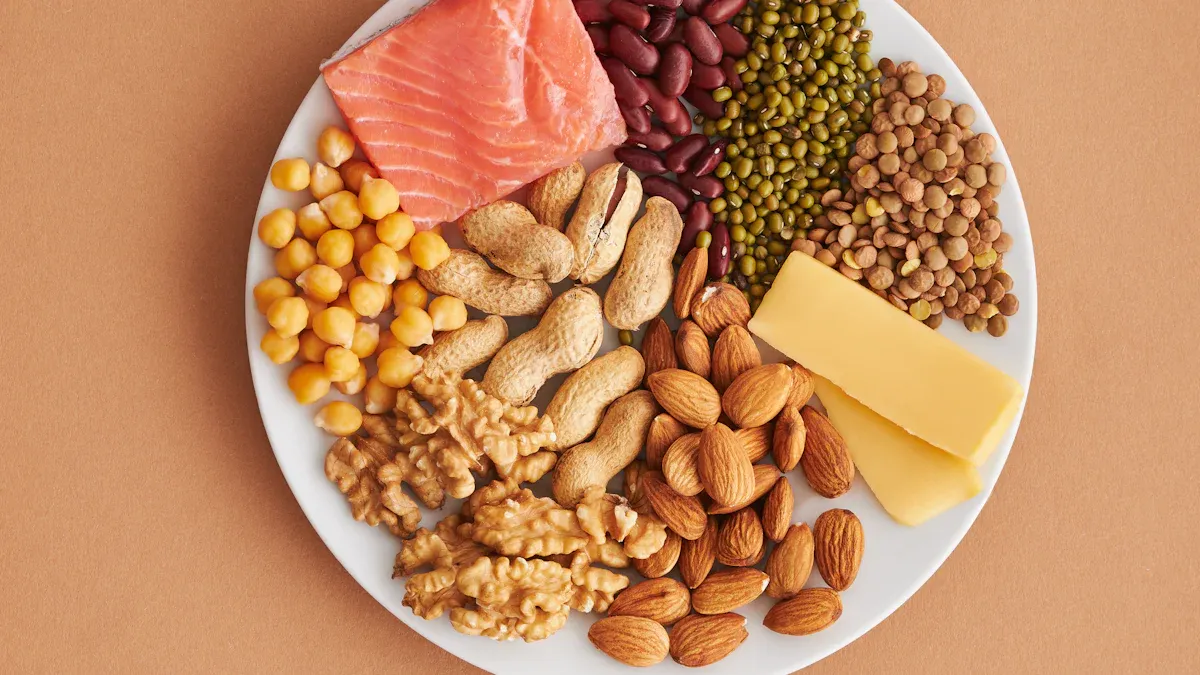
You can actively balance your omega-6 to omega-3 ratio through smart food choices. Focus on increasing your omega-3 intake and selecting better omega-6 fats. This helps you achieve a healthier balance.
Best Omega-3 Foods
To boost your omega-3 fats intake, prioritize fatty fish. These are excellent dietary sources of EPA and DHA. You can find significant amounts of these beneficial omega-3 fats in various types of fish.
Fish Type | ALA (g) | EPA (g) | DHA (g) | Total (g) |
|---|---|---|---|---|
Mackerel, Atlantic | 0.1 | 0.9 | 1.6 | 2.6 |
Mackerel, chub | 0.3 | 0.9 | 1.0 | 2.2 |
Mackerel, Japanese horse | 0.1 | 0.5 | 1.3 | 1.9 |
Mackerel, king | – | 1.0 | 1.2 | 2.2 |
Salmon, Atlantic | 0.2 | 0.3 | 0.9 | 1.4 |
Salmon, Chinook | 0.1 | 0.8 | 0.6 | 1.5 |
Salmon, chum | 0.1 | 0.4 | 0.6 | 1.1 |
Salmon, coho | 0.2 | 0.3 | 0.5 | 1.0 |
Salmon, pink | Tr | 0.4 | 0.6 | 1.0 |
Salmon, sockeye | 0.1 | 0.5 | 0.7 | 1.3 |
Note: ALA = alpha linolenic acid, EPA = eicosapentaenoic acid, DHA = docosahexaenoic acid, Tr = Trace amount, – = Not available or negligible.
You can see the specific omega content in different fish varieties. This chart shows you the breakdown of ALA, EPA, and DHA in various fish. Your omega-3 intake greatly benefits from eating fish like salmon and mackerel. Other good sources include flaxseeds, chia seeds, and walnuts for ALA.
Healthier Omega-6 Choices
Not all omega-6 fats are bad. You need some omega-6 fats for your body to function. The key is choosing healthier sources.
Avocado oil is a good choice. It has high monounsaturated fat content. This makes it less prone to oxidation.
Extra virgin olive oil (EVOO) is another excellent option. It has similar antioxidant activity and monounsaturated fat percentage to avocado oil. Its antioxidants protect the oil from oxidizing, even when you sauté or roast with it.
High oleic seed oils are also good alternatives to other seed oils. These oils have lower levels of omega-6 fatty acids. Their fatty acid profiles are similar to olive oil.
These healthy omega-6 fats contribute to your overall omega balance without promoting inflammation. Your daily intake of these oils can be part of a balanced diet.
Foods to Limit
To improve your omega ratio, you must reduce your intake of certain foods. These foods often contain high amounts of omega-6 fats. Limiting them helps lower your overall omega-6 intake.
Processed snacks
Fast foods
Cakes
Fatty meats
Cured meats
These dietary sources contribute to an imbalanced omega ratio. Reducing your consumption of these items helps you achieve a healthier omega balance. Your food choices directly impact your omega-3 and omega-6 intake.
Understanding your omega 6 to omega 3 ratio is a powerful step for better health. Your dietary intake of these fats directly impacts your well-being. Prioritize omega-3 rich foods, be mindful of omega-6 sources, and choose whole, unprocessed items for your diet. This balanced intake can significantly reduce mortality risks. Research shows a balanced omega intake, especially with strong omega-3 intake, lowers your risk of early death. Your overall dietary intake of fats matters. Small, consistent changes to your omega intake lead to significant long-term health benefits. Start balancing your fatty acid intake today. Your daily intake makes a difference. This improved intake supports better health.
FAQ
What is the ideal omega-6 to omega-3 ratio?
You should aim for an omega-6 to omega-3 ratio of 4:1 or lower. Historical human diets had a ratio closer to 1:1 or 2:1. Modern Western diets often have ratios as high as 20:1, which is not healthy.
Why are modern diets imbalanced in omega fats?
Modern diets are imbalanced because you consume too many omega-6 fats from industrial seed oils and processed foods. You also eat too few omega-3 fats, especially from fatty fish. This combination creates a high omega-6 to omega-3 ratio.
What health problems can an imbalanced ratio cause?
An imbalanced ratio can lead to chronic low-grade inflammation. This inflammation contributes to many chronic diseases. These include heart disease, metabolic disorders, and autoimmune conditions. It affects your overall health negatively.
How can you improve your omega-6 to omega-3 ratio?
You can improve your ratio by increasing omega-3 intake from fatty fish and flaxseeds. You should also reduce omega-6 intake. Limit processed foods and vegetable oils high in omega-6. Choose healthier oils like olive oil.
Are all omega-6 fats bad for you?
No, not all omega-6 fats are bad. Your body needs some omega-6 fats for essential functions. The problem arises from consuming too much omega-6, especially from highly processed sources. Focus on healthier omega-6 choices like avocado oil.