

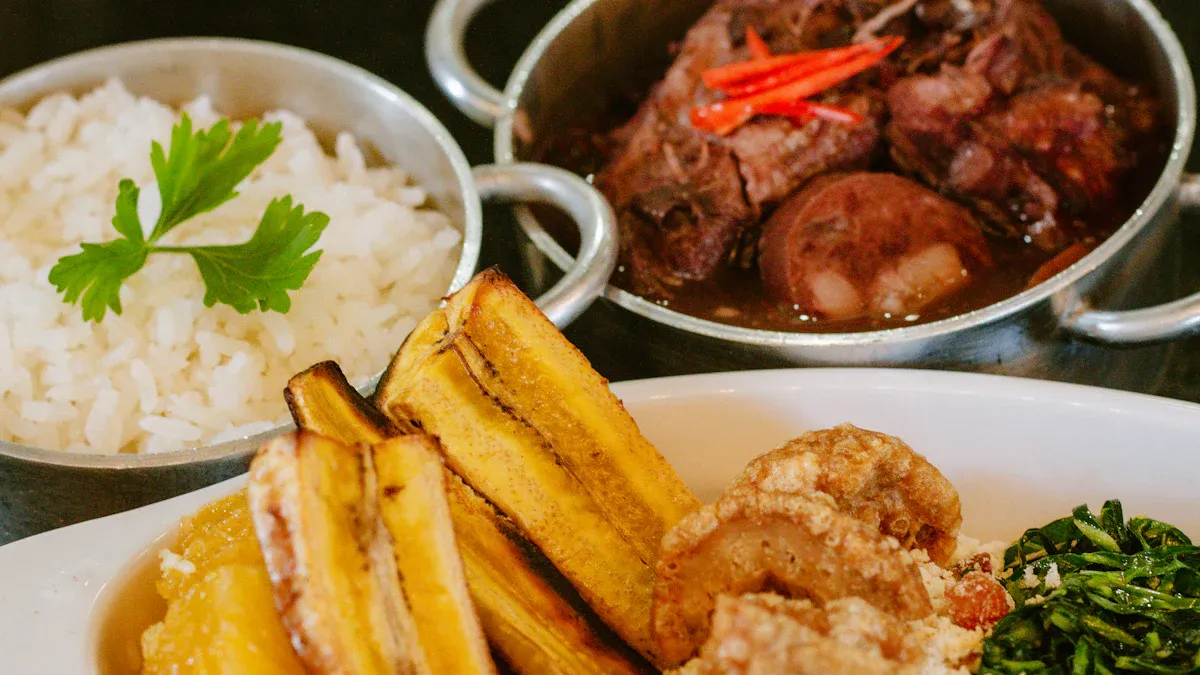
Plantains are a vital food source for millions worldwide. They look like bananas. You cook them before eating. This versatile plantain offers unique culinary possibilities. This blog explores their amazing plantain nutrition. You will discover their many health benefits and diverse cooking uses. Learn about the rich nutrition plantains provide. Explore this delicious and healthy addition to your diet.
Key Takeaways
Plantains are a versatile fruit. You must cook them before eating. They offer different tastes and textures based on ripeness.
Plantains provide good nutrition. They are rich in complex carbohydrates, vitamins A, C, and B-complex, and minerals like potassium and magnesium.
Eating plantains helps your health. They support digestion, boost your immune system, give you lasting energy, and are good for your heart.
You can cook plantains in many ways. Green plantains are starchy for savory dishes. Ripe plantains are sweet for desserts or sides.
Add plantains to your meals. You can use them in breakfast, lunch, dinner, or as healthy snacks. Choose and store them based on how ripe you want them.
Plantains vs. Bananas: Key Differences
Taste, Texture, and Ripeness
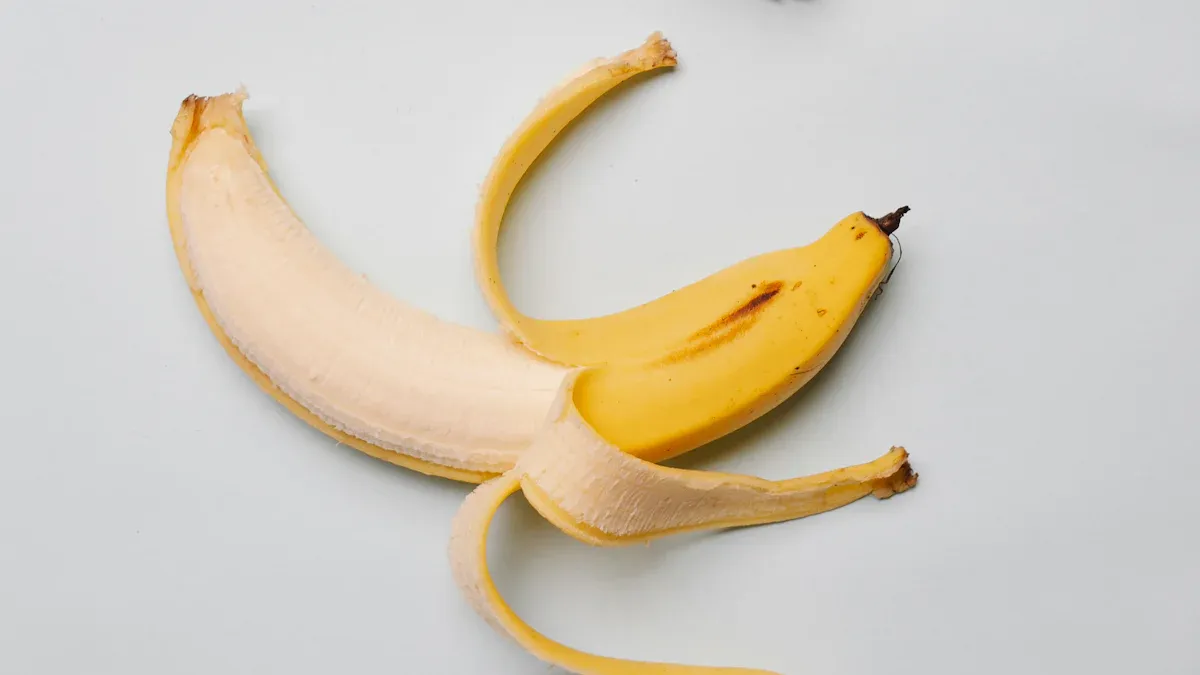
You might think plantains are just big bananas, but they are quite different. When you taste a green plantain, you will find it starchy and not sweet at all. Its texture is firm, much like a potato. As a plantain ripens, its skin turns yellow, then black. It becomes sweeter and softer, but it never reaches the intense sweetness of a ripe banana. Bananas, on the other hand, are sweet and soft when ripe, perfect for eating raw. Understanding the different types of plantains by their ripeness helps you know how to use them.
Culinary Applications
You almost always cook a plantain before eating it. Green plantains are very starchy. You can boil, fry, or bake them in savory dishes, much like you would use potatoes. Think of crispy plantain chips or mashed plantains. Riper, yellow plantains become sweeter. You can fry them to make a delicious, slightly sweet side dish. Bananas are usually eaten raw. You add them to smoothies, cereals, or use them in sweet desserts. The way you use them in the kitchen is a major difference.
Nutritional Comparison
While plantains and bananas share many good nutrients, they have some key differences. Both give you potassium, magnesium, folate, and vitamin C. However, plantains tend to have slightly more calories and carbohydrates than bananas. Both fruits offer ‘good’ complex carbohydrates. These are nutrient-dense and help your digestion.
Here is a quick look at their nutritional content per 100 grams:
Nutrient | Bananas (per 100g) | Plantains (per 100g) |
|---|---|---|
Calories | 89 | 122 |
Carbs | 23 grams | 32 grams |
Fiber | 3 grams | 2 grams |
Potassium | 358 mg | 487 mg |
Magnesium | 27 mg | 36 mg |
Vitamin C | 9 mg | 18 mg |
A main difference is how their carbohydrates are made up. Bananas get more of their carbs from sugars. Plantains get most of their carbs from starch. Both are healthy sources of complex carbohydrates. Plantains contain about 32 grams per 100-gram serving. Bananas have about 23 grams. The ripeness of different types of plantains can change these amounts. You can see these differences clearly in this chart:
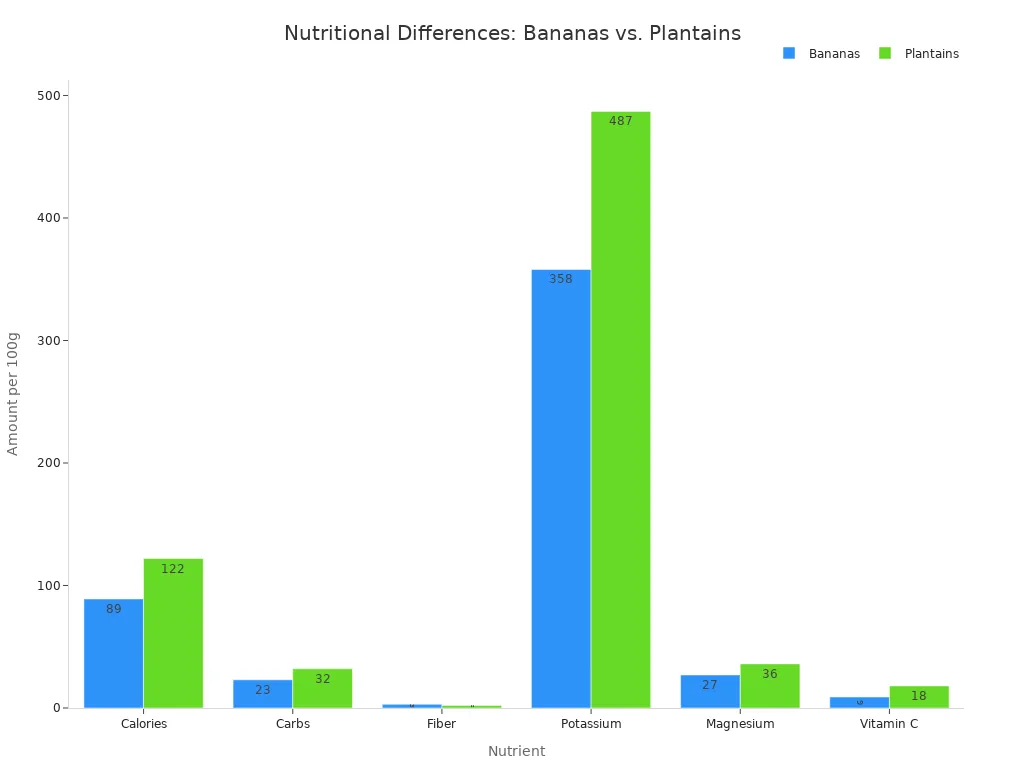
You can see that plantains offer a bit more of certain nutrients. Understanding these differences helps you choose the right one for your meal.
Plantain Nutrition Facts: Key Data
You want to know the specific details about plantain nutrition. This section breaks down the key plantain nutrition facts. You will discover what makes this fruit so valuable for your diet.
Macronutrient Profile
You want to understand the core of plantain nutrition. Plantains are a powerhouse of energy. They mainly provide carbohydrates. One cup of cooked plantains gives you a good amount of calories. For example, one cup of cooked plantains can have around 230 calories. If you boil green plantains, one cup provides about 186 calories. Some preparations might even reach 399 calories per cup. These plantain nutrition facts show they are a great energy source.
You also get fiber from plantains. Fiber is important for your digestion. One cup (139 grams) of baked yellow plantains contains 3 grams of fiber. A whole plantain can give you between 4.5 to 6 grams of fiber. This is 16–21% of your daily needs. Plantains offer a small amount of protein, usually around 1.5 to 2 grams per cup. They contain almost no fat or cholesterol. This makes them a healthy choice.
Key Vitamins: A, C, and B-Complex
Plantains are rich in several important vitamins. You will find a good amount of Vitamin A in them. Vitamin A helps your vision and keeps your skin healthy. Plantains also give you Vitamin C. This vitamin boosts your immune system. It helps your body fight off sickness.
You also get B-complex vitamins from plantains. Vitamin B-6 is especially notable. B-6 helps your body turn food into energy. It also supports brain health. These vitamins work together to keep your body functioning well.
Essential Minerals
Beyond vitamins, plantains offer essential minerals. These minerals are vital for many body functions. You get a good supply of potassium from plantains. Potassium is crucial for heart health. It helps maintain normal blood pressure. It also supports proper muscle function.
Plantains also contain magnesium. Magnesium plays a role in over 300 body processes. It helps with nerve function and bone health. You will also find calcium, sodium, and phosphorus in plantains. These minerals are important for strong bones and overall body balance. While iron, manganese, copper, and zinc are present, they are in smaller amounts. The peel of the plantain is especially rich in some minerals like calcium and potassium.
Antioxidant Properties
Plantains contain antioxidants. These compounds protect your body’s cells. They fight against damage from harmful molecules called free radicals. This protection can reduce your risk of chronic diseases. The Vitamin C in plantains acts as a powerful antioxidant. Other compounds also contribute to this protective effect. Eating plantains regularly can support your overall health. This is another great benefit of plantain nutrition.
Plantain Health Benefits: Why They’re Good for You
You want to know why plantains are good for you. This section explains the many plantain health benefits. You will discover how eating plantains can improve your overall health.
Digestive Wellness and Gut Health
You can improve your digestion with plantains. Plantains are rich in fiber and resistant starch, especially green plantains. These act as prebiotics. Prebiotics feed the good bacteria in your gut. This supports a healthy gut microbiome.
Resistant starch in plantains does not digest in your small intestine. It travels to your large intestine. There, your gut bacteria ferment it. This process creates beneficial short-chain fatty acids (SCFAs). These include butyrate, acetate, and propionate. SCFAs are important for keeping your gut lining strong. They also help control inflammation. Butyrate links to lower rates of colorectal cancers. Propionate can decrease inflammation and boost your immune system.
Studies support these benefits. A review of trials found resistant starch helps bowel function in healthy adults. This shows plantain’s role in digestive health. Research on mice also showed resistant starch can change gut bacteria. This highlights how plantain can influence your gut health. Plantain flour can even help with obesity by improving gut flora and hormone release.
You can find psyllium in plantain seeds. This fiber acts like a natural laxative. It absorbs water in your digestive tract. Plantain leaves may slow digestion. This helps with bowel regularity and can treat diarrhea. A study in 2011 showed narrowleaf plantain extract helped heal stomach ulcers in rats. Plantain weed’s anti-inflammatory properties may also help with digestive issues like inflammatory bowel disease (IBD). These benefits make plantain a great food for your digestive health.
Immune System Boost
You can strengthen your immune system with plantains. Plantains contain a lot of Vitamin C. This vitamin is very important for boosting your immune system. Vitamin C helps your body make white blood cells. These cells fight off infections. Eating plantains regularly can help your body fight common illnesses. It can also reduce inflammation and speed up recovery.
Plantains also have antioxidants. These protect your cells from damage. They fight harmful molecules called free radicals. Free radicals can weaken your immune system. By neutralizing them, antioxidants keep your cells and tissues safe. This contributes to your overall immune health.
Sustained Energy and Blood Sugar
You get lasting energy from plantains. They are full of complex carbohydrates. These carbs release energy slowly into your body. This gives you sustained energy throughout the day. You avoid sudden energy crashes.
The fiber in plantains also helps manage your blood sugar. Fiber slows down sugar absorption. This prevents sharp spikes in your blood sugar levels. This is especially helpful for maintaining stable energy.
Heart Health Support
You can support your heart health with plantains. Plantains are a good source of potassium. Potassium is vital for managing your blood pressure. It works against the effects of sodium. More potassium helps your body get rid of extra sodium through urine. Potassium also helps relax the walls of your blood vessels. This further lowers your blood pressure.
Many foods are rich in potassium. These include apricots, cantaloupe, and spinach. Plantains are a great choice among them. The fiber in plantains also helps lower bad cholesterol. This further supports your heart health. These plantain health benefits make them a smart choice for your diet.
Cooking Plantain: Versatile Uses and Techniques
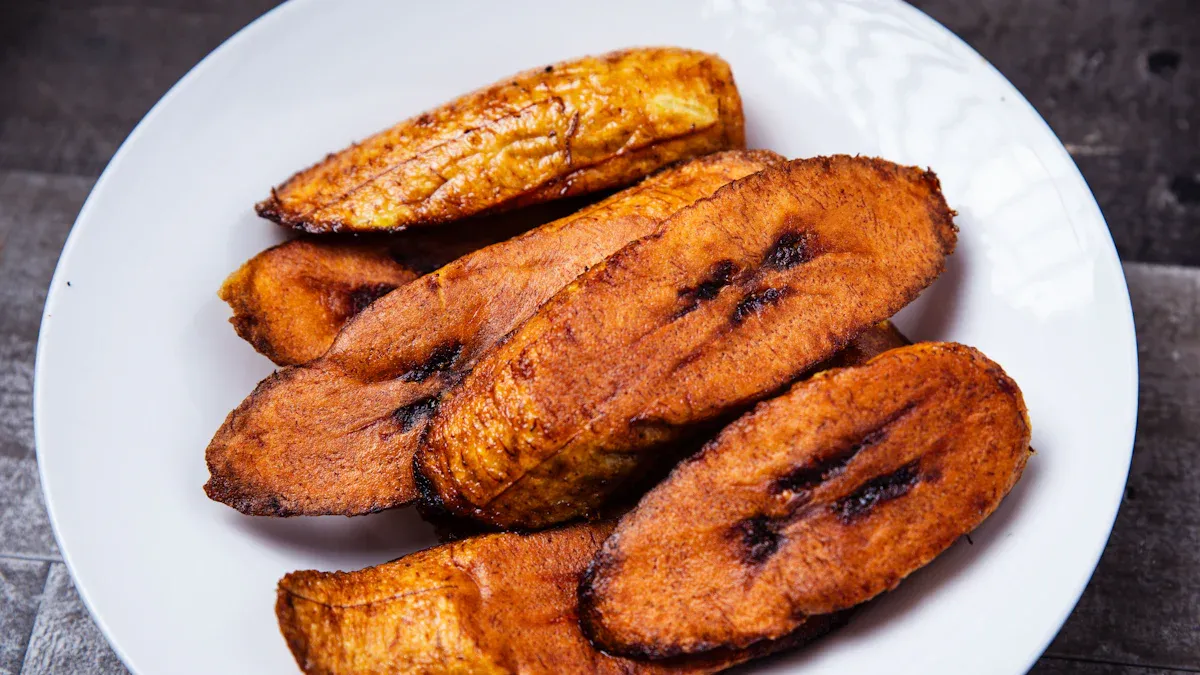
You can cook plantains in many ways. Their taste and texture change with ripeness. This makes plantain preparation exciting. You will find different culinary uses for each stage.
Green Plantains: Savory and Starchy Uses
Green plantains are firm and starchy. You use them like potatoes. Many cultures boil or fry them in savory dishes. For example, you can make Mofongo in Puerto Rico. This dish uses mashed green plantains with garlic. West Africa makes Fufu by boiling and mashing plantains into a dough. You can also deep fry slices to create crispy tostones. These are often served as a side. Boiling green plantains makes them soft. You can mash them or serve them with stews.
Yellow Plantains: Naturally Sweetening Meals
Yellow plantains are a bit sweeter. They still hold their shape well. You can use them to add a natural sweetness to meals. Try making a sweet plantain and potato hash. You can also stuff ripe plantain with beef. Some people bake plantains with coconut or cheese. You can even use yellow plantains in baking. Think of plantain bread or muffins, similar to banana bread.
Black Plantains: Caramelized Delights
Black plantains are very ripe. They are soft and very sweet. Their sugars caramelize beautifully when cooked. You can fry them until they are golden brown and soft. These sweet fried plantains make a delicious side dish or dessert.
Popular Cooking Methods
You have many ways to cook plantain. Frying is popular for all stages. You can make crispy tostones from green plantains. You can also make sweet maduros from ripe ones. Boiling makes plantains soft. You can mash them or serve them as a base for other foods. Baking plantains brings out their natural sweetness. Grilling adds a smoky flavor.
Global Culinary Inspirations
Plantains are a staple in many cuisines. You find many delicious plantain dishes worldwide. In Latin America, you might enjoy Pastelón. This is a sweet plantain lasagna. Patacones, or twice-fried green plantains, are popular in Colombia and Costa Rica. In Africa, you can try Kelewele from Ghana. This dish features spicy fried plantains. Tatale, or African plantain pancakes, are another tasty option. These culinary uses show how versatile plantain truly is. You can always find new ways how to prepare plantains.
Incorporating Plantains into Your Diet
You can easily add plantains to your daily meals. Their versatility means you can enjoy them at any time. You will find many ways to make them a delicious part of your diet.
Breakfast Ideas
Start your day with plantains. You can enjoy sweet fried plantains alongside eggs and bacon. This gives you a satisfying and energizing meal. You can also boil green plantains and mash them. Serve them with a sprinkle of salt and a side of cheese. This offers a hearty breakfast option.
Lunch and Dinner Dishes
Plantains make excellent main courses or sides. You can create many flavorful plantain dishes. Consider making Plantain and Black Bean Burritos. You might also try a Vegetable Curry with Plantains. Aduki Beans Curry with Green Plantain is another great choice. For a quick meal, Skillet Plantain Nachos are delicious. These options show how plantains can be the star of your meal.
Healthy Snacks and Sides
You can make healthy snacks with plantains. Simple Plantain Chips and Guacamole are easy to prepare. You bake the chips until golden. This snack offers healthy fats and fiber. You can also make Stuffed Sweet Plantains with Black Beans and Cheese. This recipe uses ripe plantains. It boosts protein for a filling snack. Air Fryer Tostones are another healthy option. These are crispy fried plantains made with less oil. They are a nutritious and satisfying snack.
Selecting and Storing Plantains
You need to know how to choose plantains. For more cooking options, buy green plantains. They ripen after you pick them. For crispy chips, choose firm, bright yellow plantains with some black spots. If you want very sweet plantains, store green ones in a dark, cool place. They will turn yellow, then almost black. Check them daily for your desired ripeness. If you find yellow plantains with black mottling at the store, cook them soon. They are older. If you cannot find plantains at your regular grocery store, look in Hispanic or Caribbean markets. They often label them as ‘plátanos’. Knowing how to prepare plantains starts with selecting the right ones.
You now understand that plantains are a nutritious, versatile, and beneficial food. They offer excellent plantain nutrition, packed with essential vitamins, minerals, and fiber. These components provide many health benefits, supporting your digestion and heart health. You can easily experiment with plantain in your cooking. Try them at different ripeness stages and explore various cuisines. Embrace this amazing plantain for a healthier and more flavorful diet.
FAQ
Can you eat raw plantains?
You cannot eat raw green plantains. They are starchy and bitter. Ripe plantains are sweet. You still cook them before eating. Cooking makes them soft and tasty.
What is the best way to cook green plantains?
You can boil or fry green plantains. Boiling makes them soft for mashing. Frying creates crispy tostones. These are savory and delicious. Green plantains are best for savory dishes.
Are plantains good for weight loss?
Plantains offer fiber. Fiber helps you feel full. This can support weight management. They are also low in fat. Enjoy them as part of a balanced diet.
How do you store plantains?
Store green plantains at room temperature. They will ripen over time. Keep ripe plantains in the refrigerator. This slows down further ripening. You can also freeze cooked plantains.