

A small handful can reveal how much each seed contributes in protein, minerals, and healthy fats. Pumpkin seeds usually lean higher in magnesium, zinc, and iron, while sunflower seeds stand out for vitamin E and a lighter crunch.
You can use that difference to match a seed to your goal, whether you want better mineral coverage, smarter snacking, or a daily portion that fits your calorie target.
Key Takeaways
- Pumpkin seeds usually give you more magnesium, zinc, and iron per handful.
- Sunflower seeds usually lead for vitamin E and often cost less at many stores.
- Portion size matters more than the seed name for weight control and snacking.
- Roasted, salted, or candied versions change sodium, sugar, and calorie load fast.
- Whole pumpkin seeds bring a chewier bite, while hulled sunflower kernels feel lighter.
The Two Seeds Side By Side
That split shows up as soon as you compare a standard handful. Both seeds are calorie-dense sources of healthy fats, protein, and minerals, but they do not deliver the same mix of nutrients.
Pumpkin seeds are the flat green kernels from pumpkins or squash, while sunflower seeds usually mean striped shell seeds or hulled kernels sold for snacking and baking. In pumpkin seeds vs sunflower seeds, size is not the main issue; the nutrient profile, texture, and how each fits your routine matter more.
| Seed | What you usually eat | Main flavor and texture | Standout nutrients |
|---|---|---|---|
| Pumpkin seeds | Whole seeds or hulled kernels | Chewier, milder, more earthy | Magnesium, zinc, iron |
| Sunflower seeds | Shell seeds or hulled kernels | Smaller, nuttier, lighter crunch | Vitamin E, B6, folate |
| Both | Raw, roasted, or mixed into food | Dense, oily, easy to overeat | Healthy fats, protein, calories |
Whole pumpkin seeds usually keep more chew and a bit more fiber than hulled forms, while hulled sunflower kernels feel easier to eat fast. That difference affects satiety, because the texture changes how quickly you finish the snack.
Minerals make the difference here, and one seed stands out when magnesium, zinc, and iron matter most.
The Nutrient Breakdown That Matters Most
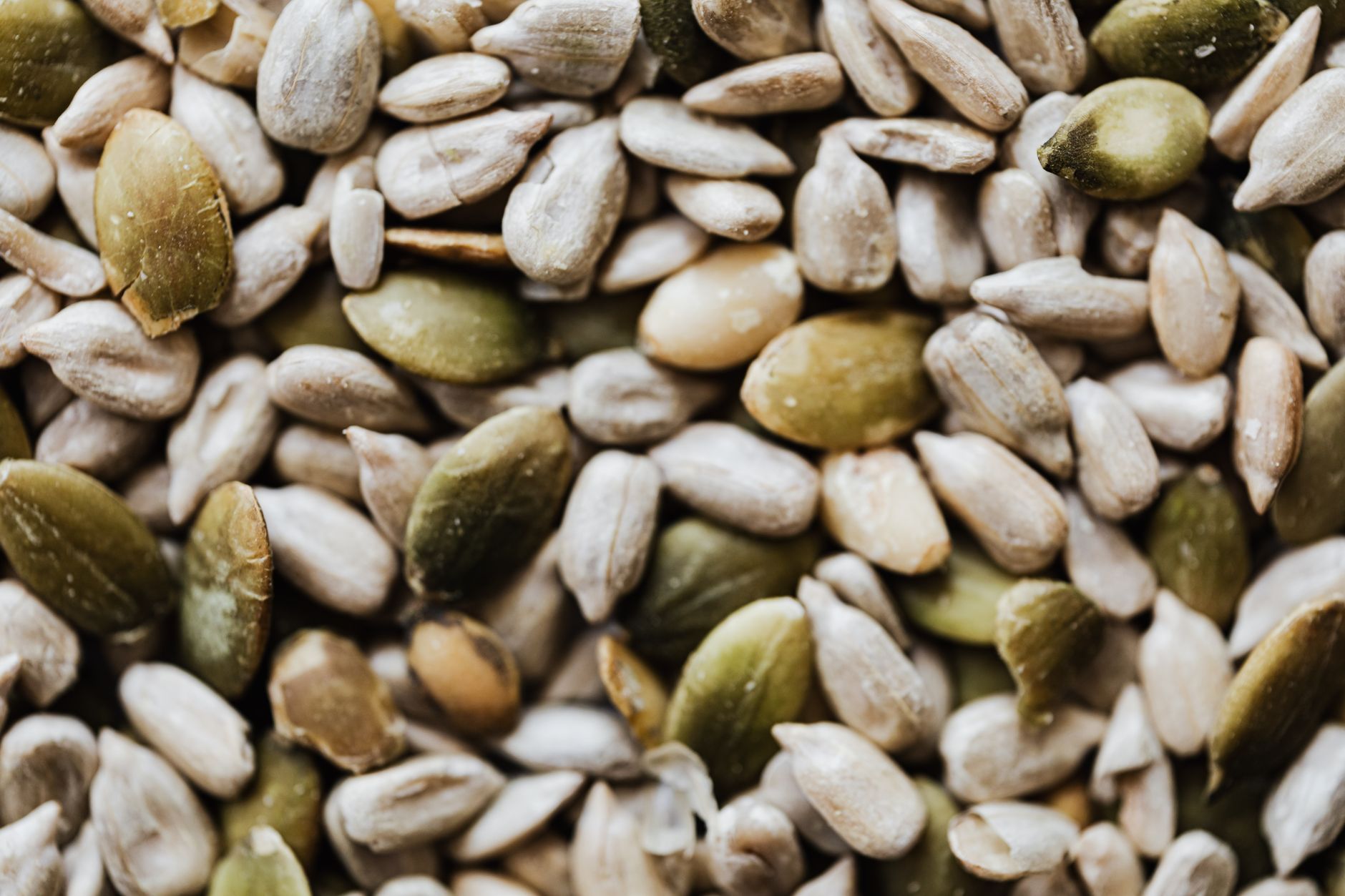
A one-ounce serving of either seed usually lands near 160 to 170 calories, with close to 5 or 6 grams of protein and a fair amount of fat. That is why a handful feels small but still changes the day’s energy total fast.
Pumpkin seeds nutrition vs sunflower seeds nutrition shifts across micronutrients. Pumpkin seeds tend to bring more magnesium, zinc, and iron, while sunflower seeds usually bring more vitamin E and often more vitamin B6 and folate.
Calories, protein, fiber, and fat
Protein is close enough that neither seed dominates for muscle support in isolation. Fiber depends on the form you buy, with whole seeds and shells adding more chew than hulled kernels, so satiety can feel different even at similar calories.
Fat matters here too. Both seeds carry mostly unsaturated fats, which explains the smooth mouthfeel and the way roasted seeds can taste rich without any added oil.
You can think of the calorie load as the main tradeoff for daily snacking. A small portion gives you protein, healthy fats, and minerals, but a larger bowl can add up quickly without looking like much food.
Minerals and vitamins that separate them
Magnesium in pumpkin seeds matters because this mineral helps hundreds of enzyme reactions, from energy release to muscle contraction. Zinc also shows up strongly in pumpkin seeds, and zinc is part of immune cell function and tissue repair; iron adds another reason they are favored for mineral-rich snacking.
Sunflower seeds stand out for vitamin E, a fat-soluble antioxidant that sits inside cell membranes and helps protect lipids from oxidation. That chemical detail matters because seeds themselves are rich in fat, so the natural vitamin E load fits the food’s structure rather than feeling bolted on.
| Nutrient | Pumpkin seeds | Sunflower seeds |
|---|---|---|
| Calories | Calorie-dense | Calorie-dense |
| Protein | Strong | Strong, often a touch lower |
| Fiber | Higher in whole seeds than hulled forms | Higher in shell seeds than hulled forms |
| Magnesium | Usually higher | Lower |
| Zinc | Usually higher | Lower |
| Iron | Usually higher | Lower |
| Vitamin E | Lower | Usually higher |
| B6 and folate | Lower | Often higher |
Sunflower seeds often bring a stronger vitamin E payoff for the same serving size. Pumpkin seeds usually win on minerals, especially when you care about magnesium, zinc, and iron in a plain snack.
Even with that advantage, a balanced diet can make the other seed the better everyday fit.
Where Pumpkin Seeds Pull Ahead
That mineral edge matters most when your goal is nutrient density from a small serving. Pumpkin seeds pack more magnesium and zinc into the same handful, which makes them useful when you want a simple food with a long mineral list.
Mineral-rich snacking works best when the food stays plain enough to keep the mineral profile intact. Coatings, glazes, and heavy seasoning can crowd out the very reason you picked the seed.
Bone, immune, and energy roles
Magnesium helps the body move calcium into bone tissue and helps enzymes turn food into usable energy, so pumpkin seeds fit a menu that aims at basic nutrient coverage. Zinc has a different job, tied to immune signaling and wound repair, while iron helps carry oxygen through hemoglobin.
That makes pumpkin seeds a practical option for meals that need a mineral lift, like yogurt bowls, oats, or a salad with beans. Bob’s Red Mill sells pumpkin seeds in a way that matches this everyday use, and that matters because the seed is easy to fold into food without changing the whole dish.
You get the most from them when the rest of the meal is simple. A spoonful over oats adds texture, magnesium, and protein without turning breakfast into a project.
Testosterone talk without the hype
The testosterone conversation around pumpkin seeds vs sunflower seeds for testosterone gets a lot of attention, but the useful point is simpler than the hype. Zinc matters for normal hormone production, so a food that supplies zinc may fit a diet that already supports hormone health through sleep, enough protein, and steady calories.
That does not make pumpkin seeds a hormone fix. The practical takeaway is that they can help cover a nutrient linked to that system, while the rest of your daily habits still do most of the work.
So the value is indirect, not magical. If your diet already covers protein, sleep, and energy intake, pumpkin seeds can be one more zinc-rich support, but they are not a shortcut.
Convenience often decides what gets eaten, but portions and prep still determine whether it helps or hurts weight goals.
Where Sunflower Seeds Shine
That mineral picture changes when vitamin E becomes the priority. Sunflower seeds are one of the easiest snack foods for getting it from food alone, and the nutrient sits in the seed’s oil-rich core.
Antioxidant support and skin use
Vitamin E works as a lipid-phase antioxidant, which means it helps protect cell membranes from oxidative damage. That mechanism is one reason sunflower seeds show up in skin-focused food routines, even though no single snack can promise a cosmetic result.
The flavor helps too. Sunflower seeds taste nuttier and feel smaller on the tongue, so they slip into trail mix, granola, or a quick snack cup without the chew that pumpkin seeds bring.
You may notice that sunflower kernels disappear faster during distracted snacking. That makes them easy to eat, but it also means a portion check matters if you are watching calories.
Cost and kitchen convenience
Sunflower seeds are often the easier buy for bulk snacking, especially in hulled form. That matters for anyone filling a jar at home, because lower price and easy texture can turn a nutritious food into one you actually keep around.
The Joint, a wellness brand that leans into everyday habits, fits this kind of routine thinking well: the best seed is the one that stays in your pantry and on your plate. Sunflower seeds usually win the convenience race, and that can matter more than a narrow nutrient edge.
That convenience can shape your daily habit more than the nutrition label does. If a seed is easy to portion, you are more likely to use it on yogurt, salads, or a quick snack cup instead of skipping it.
Texture changes more than speed; it also shapes how easily a serving stays within reasonable limits.
Weight Loss Depends On Portion And Preparation
That calorie density is why the scale can move quickly if portions drift. Pumpkin seeds vs sunflower seeds calories lands close enough that the better choice for weight loss is the one that slows eating and stays portioned.
Roasted and salted seeds are easy to eat quickly, and candied versions add sugar on top of calories. Plain kernels give you more control because the flavor stays simple and the serving feels less like a dessert.
Satiety comes from how you eat them
Chewier pumpkin seeds can slow the pace of eating, while shelled sunflower kernels can disappear fast in a distracted snack session. That pace matters because satiety signals lag behind the first bites, so slower eating often helps your body register fullness sooner.
For weight-conscious eating, the seed alone is not the whole story. A spooned portion in yogurt behaves differently than an open bag on the couch, even when the nutrition label looks identical.
Which seed is better for weight loss depends on the setting as much as the seed. A measured scoop in a bowl works better than grazing from a bag, and the chewier option may help you slow down.
Preparation changes the health picture
Plain roasted seeds stay close to their natural profile, but salted versions can push sodium up fast. Flavored coatings, honey glazes, and candy shells add taste at the cost of a very different snack profile, and that shift matters more than brand names or marketing language.
A USDA FoodData Central entry can show the broad nutrient range, yet your actual bowl depends on how the seed was processed. That is the sort of detail that changes the real-world result far more than the seed species alone.
Sunflower seeds in hulled form usually make portion control easier because the shell is already gone. Whole pumpkin seeds can slow eating more, which may help you stop at a sensible serving before calories pile up.
That kind of restraint makes daily use more practical, especially when the rest of the meal still needs room.
Daily Eating Works Best In Moderation
That same calorie load is manageable when you keep the portion modest. A small serving with breakfast or lunch can fit well, while mindless refills can crowd out fruit, vegetables, or whole grains.
- Keep the portion small. A small handful is easier to fold into a normal day than a large bowl.
- Watch sodium. Salted versions can push your total intake higher than you expect.
- Notice digestion. Too many seeds can feel heavy, especially for people with a sensitive stomach.
- Mix the forms. Whole seeds add more chew, while kernels mix well into yogurt or oatmeal.
- Use them with meals. A spoonful on a salad or grain bowl is easier to control than grazing from a bag.
Yes, small portions can fit daily eating for many people, especially in plain forms. People taking blood thinners, living with nut or seed allergies, or following a restricted sodium plan should ask a qualified clinician about their own situation.
The daily use question comes down to variety. Pumpkin seeds make sense for a mineral-heavy day, sunflower seeds fit better when vitamin E is the goal, and a mix can cover both without loading a snack with only one nutrient pattern.
For a practical daily seed intake, a measured tablespoon or two is easier to repeat than an open-ended handful. That keeps calories, minerals, and fat intake in a range that fits most meals without crowding the rest of the plate.
Choice comes down to the bite you want, and the snack that matches your taste is usually the one you keep.
The Smart Choice For Real-Life Eating
That tradeoff matters most in the grocery aisle. Trail mix with raisins and nuts is one place where sunflower seeds disappear into the blend while pumpkin seeds keep their shape and chew, and that small difference changes both satisfaction and the way you shop.
Match the seed to the job
- Mineral support: Pick pumpkin seeds for magnesium, zinc, and iron.
- Vitamin E intake: Pick sunflower seeds for a stronger vitamin E payoff.
- Post-workout snack: Use either seed with fruit or yogurt for protein plus fat.
- Trail mix: Choose sunflower seeds for small size or pumpkin seeds for more chew.
- Salads and bowls: Use pumpkin seeds for texture and sunflower kernels for a softer bite.
Use a quick store check
The answer is the one you can portion without drifting into extra handfuls, because calories, salt, and added sugar matter more than the label name. For mineral density, pumpkin seeds take the edge. For vitamin E and a lighter nutty crunch, sunflower seeds fit better.
That makes pumpkin seeds vs sunflower seeds less about a single trophy and more about a simple shopping choice: choose pumpkin for minerals, sunflower for vitamin E, or keep both around and use the one that matches the meal.
For snacking at a desk or in a car, sunflower kernels usually feel easier to eat cleanly. For a bowl that needs more chew and a stronger mineral profile, pumpkin seeds usually fit better.
Final Thoughts
The clearest answer is practical, not dramatic. Pumpkin seeds pull ahead for magnesium, zinc, and iron, while sunflower seeds stand out for vitamin E, price, and an easy snack texture. Your best choice depends on the nutrient gap you want to fill and the way you actually eat.
In pumpkin seeds vs sunflower seeds, neither seed wins every category. You get the best result by matching the seed to the meal, keeping the portion modest, and choosing plain versions when you want the cleanest nutrient profile.
FAQ
Which is healthier, pumpkin seeds or sunflower seeds?
Healthier depends on what your meal needs. Pumpkin seeds bring more magnesium, zinc, and iron, while sunflower seeds bring more vitamin E, so each fits a different nutrition gap.
What are the main nutritional differences between pumpkin seeds and sunflower seeds?
it nutrition differs most in minerals and vitamin E. Pumpkin seeds usually give you more magnesium, zinc, and iron, while sunflower seeds usually give you more vitamin E and often more B6 and folate.
Which seed is better for zinc, magnesium, or vitamin E?
Pumpkin seeds are the better pick for zinc and magnesium. Sunflower seeds are the better pick for vitamin E, which makes them useful when your diet already covers minerals well.
Can you eat pumpkin seeds and sunflower seeds every day?
Yes, small portions can fit daily eating for many people. The main limits are calories, sodium in salted versions, and how your digestion handles seeds.
What are the downsides of eating pumpkin seeds?
The main downsides are calorie density, added salt in flavored versions, and the chance of a heavy stomach if you eat too much at once. Allergies can also matter, especially when seeds are part of a mixed snack.
What is the healthiest seed you can eat overall?
The healthiest seed depends on your goal and the rest of your diet. Pumpkin seeds are strong for magnesium, zinc, and iron, while sunflower seeds are strong for vitamin E, so the better choice changes with the nutrient gap.
