

At roughly half the caffeine of a typical cup, this mushroom-infused blend delivers a gentler morning sip while preserving the familiar coffee ritual. It is built around a different taste profile, a different ingredient list, and a different expectation for energy and focus.
You can use this breakdown to judge the formula, the caffeine content, the flavor, the side effects, and the price before you decide whether it fits your routine.
Key Takeaways
- Mushroom focus: The blend uses functional mushrooms, not psychedelic ones, so the appeal is routine and flavor.
- Ingredient matters: The label tells you more than the branding, especially for mushroom types and coffee content.
- Caffeine varies: The cup can feel lighter than regular coffee, which matters for jitters and afternoon use.
- Taste is earthy: You may like the smoother body, but the flavor rarely tastes like classic drip coffee.
- Claims need care: Energy and focus claims are more plausible than broad wellness promises tied to gut health or immunity.
- Fit depends on you: Price, tolerance, and texture decide more than hype does.
What This Blend Is Built To Deliver
A morning cup can feel sharp, bitter, and heavy, while this blend aims for something softer. Ryze Mushroom Coffee is a wellness beverage made for a coffee-like routine with less stimulation and a more layered ingredient story.
That matters because the product sits between regular coffee and a functional drink. The mushrooms are the draw, but they are not psychedelic mushrooms, and that difference shapes both trust and taste.
A Coffee Alternative With Functional Mushrooms
The formula uses functional mushrooms, a category that includes lion’s mane mushroom, cordyceps, reishi, turkey tail, shiitake, and king trumpet in many blends. These ingredients are sold for their traditional use and their role in modern supplement-style beverages.
Lion’s mane is the mushroom people often link with focus, cordyceps with energy, and reishi with a calmer profile. That is why Ryze Mushroom Coffee reviews often center on energy and focus instead of bold flavor.
What Sets It Apart From Psychedelic Mushrooms
Functional mushrooms are food and beverage ingredients, while psychedelic mushrooms contain compounds such as psilocybin that change perception. That chemical difference is the whole point of the category split.
Ryze Superfoods uses the wellness side of mushroom culture, not the mind-altering side. That keeps the product in the realm of flavored coffee mixes and nutrition-style blends, which is why caffeine content, mixability, and taste profile still matter so much.
Those details shape the first sip, especially when caffeine, flavor, and texture meet in the cup.
Inside The Formula And What Each Ingredient Does
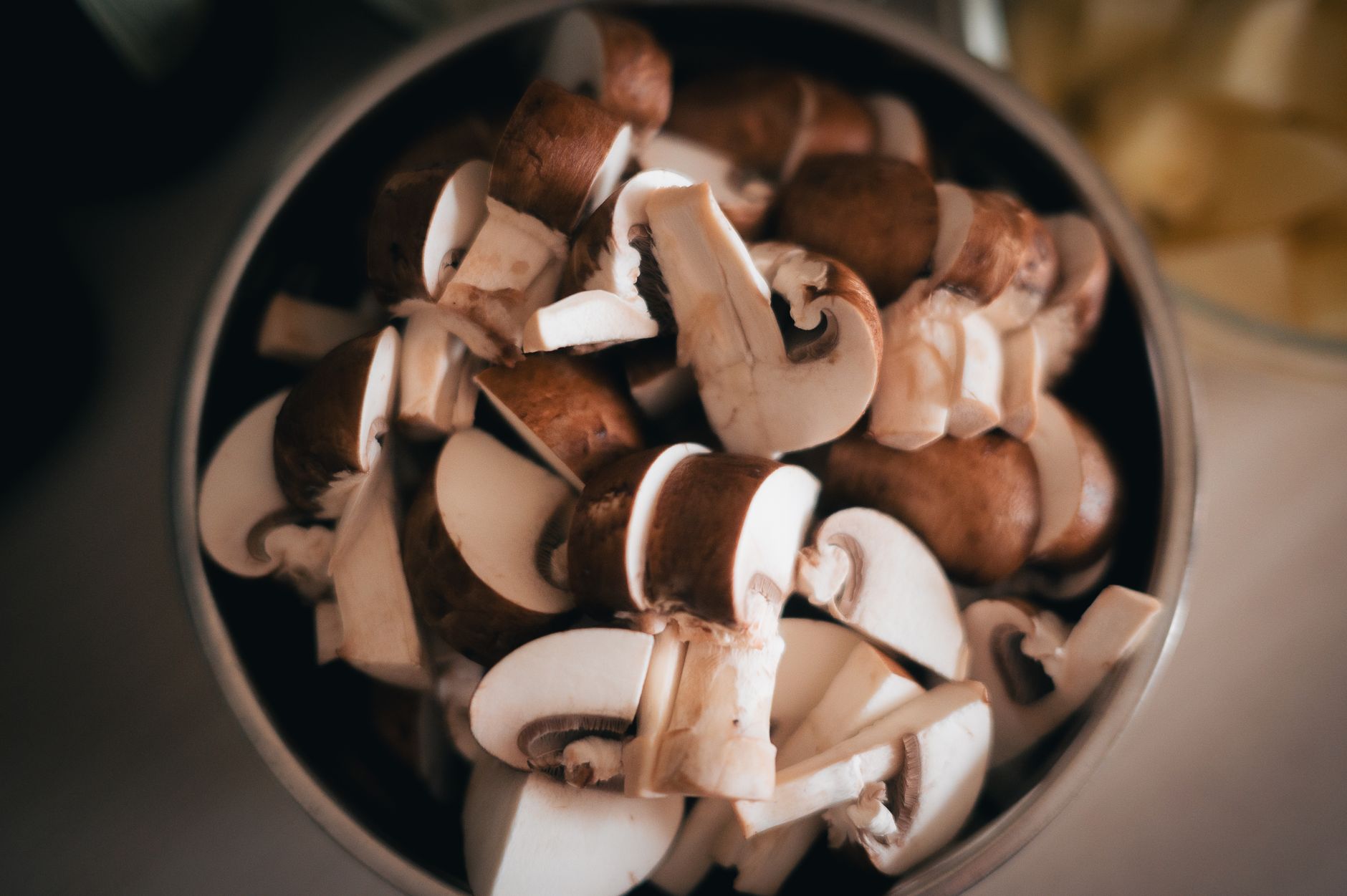
The label tells a more useful story than the marketing copy. Ryze Mushroom Coffee ingredients can vary by product version, so the exact panel on your container is the one to trust before you buy.
At a broad level, the mix usually combines coffee, mushroom extracts, and plant-based helpers that affect body, sweetness, and texture. That mix determines whether the cup feels smooth, gritty, thin, or close to a standard latte base.
Common Ingredients And Their Roles
| Ingredient | What It Is | Why It Matters In The Cup |
|---|---|---|
| Lion’s Mane | Functional mushroom extract | Often included for focus-oriented positioning and a lighter morning feel. |
| Cordyceps | Functional mushroom extract | Commonly tied to energy claims and workout-adjacent branding. |
| Reishi | Functional mushroom extract | Used for a calmer, less edgy beverage profile. |
| Turkey Tail | Functional mushroom extract | Adds immune-support messaging and a broader mushroom blend identity. |
| Shiitake | Edible mushroom ingredient | Supports the savory, earthy identity of the mix. |
| King Trumpet | Edible mushroom ingredient | Helps round out the formula and distinguish the blend from plain coffee. |
| Organic Fiber | Plant fiber source | Changes mouthfeel and may make the drink feel fuller. |
Those ingredients do different jobs in the cup, and the label order can reveal how much emphasis the blend puts on mushrooms versus coffee. You will notice that fiber affects texture more than flavor, while the mushroom extracts shape the product’s identity.
Why The Coffee Base Still Matters
Organic coffee is the engine behind the caffeine content, so the mushrooms do not replace coffee chemistry. Coffee brings caffeine, chlorogenic acids, and bitterness, which shape alertness and flavor far more than most label claims do.
That matters because the drink is not a mushroom tea. It is a blended cup, and your experience depends on how the coffee base and extracts interact in water, milk, or a frother.
The mushroom side also faces a chemistry issue that casual shoppers miss. Many mushroom compounds, including beta-glucans, are bound up in the cell wall structure, so hot-water extraction and product quality affect what ends up in the powder. That is one reason exact sourcing and processing details deserve more attention than glossy copy.
A pleasant cup matters, but it only goes so far when the bigger promises are under scrutiny.
Caffeine, Taste, And The First Cup Experience
Your first sip usually answers two questions at once: how strong it feels and whether the flavor works. It still includes coffee, though the total can feel lower than a standard mug.
That difference is the whole appeal for some people. A cup with less stimulation can mean fewer jitters, but it can also mean less punch, so your usual morning baseline sets the verdict.
How It Compares With Regular Coffee
A standard 8-ounce mug of drip coffee can reach about 95 milligrams of caffeine, whereas many mushroom coffee blends come in lower depending on the scoop and formula. The exact number on your package matters more than a generic promise of energy.
Caffeine works by blocking adenosine receptors, which delays sleep pressure and makes you feel more alert. That mechanism does not change because mushrooms are present, so the coffee base still drives the immediate lift.
What The Flavor And Texture Tend To Be Like
The cup usually tastes earthier, softer, and less acidic than classic black coffee. Some people describe a cocoa-like edge, while others notice a savory note that lingers at the back of the tongue.
Mixing style changes the result. A frother smooths the powder faster, a little milk rounds out the earthy note, and cinnamon or vanilla can make the blend feel closer to a latte without drowning the mushroom profile.
Practical Ways To Improve The Cup
- Use hot, not boiling, water: Very hot water helps dissolve the powder without pushing bitterness higher.
- Whisk or froth well: Better agitation reduces clumps and improves texture.
- Start with milk or alt-milk: Fat softens the earthy edge and adds body.
- Add a small flavor note: Cinnamon, cocoa, or vanilla can mask the savory finish.
That first-cup adjustment phase matters because taste is often the reason a product stays in the pantry or gets used daily. Once the flavor is sorted, the next issue is whether the claims go beyond a decent cup.
That scrutiny naturally invites a side-by-side look at how this mix compares with standard coffee and similar blends.
The Claims That Hold Up Best, And The Ones That Need Caution
Keep the label in perspective. A mushroom coffee can be a convenient beverage, yet broad claims about immunity, gut health, or calm energy still depend on the exact formula and your own tolerance.
Short-term effects like a gentler caffeine lift are more believable than sweeping wellness promises. A lower-stimulation cup may feel calmer than a standard roast, but that does not turn the drink into a cure or a substitute for care.
What Sounds Plausible
Energy and focus claims make the most sense because caffeine is active, and lion’s mane mushroom, cordyceps, and reishi have long histories in traditional use. That does not equal proof of a major effect, but it does explain why the category keeps growing.
Gut health claims deserve caution. Added fiber can change mouthfeel and may affect digestion, yet a beverage alone does not guarantee digestive change, especially across different diets and stomach sensitivities.
What Needs A Slower Read
Immune support language is the weakest part of the sales pitch because immune function is complex and product-specific. Turkey tail and shiitake are interesting ingredients, but a beverage claim about immunity should stay modest.
Side effects depend on the person and the formula. Caffeine sensitivity can still bring jitters, a faster heartbeat, or sleep disruption, mushroom allergy can trigger its own reaction, and pregnancy or breastfeeding calls for a qualified healthcare professional before use.
- Stomach upset: Fiber, mushrooms, or coffee acids can bother sensitive digestion.
- Jittery feeling: Lower caffeine does not erase sensitivity for every person.
- Sleep disruption: Even a smaller caffeine load can linger into the afternoon.
- Allergy risk: Mushroom ingredients can trigger reactions in susceptible people.
- Special situations: Pregnancy, breastfeeding, and medication use call for professional advice.
That caution is not alarmism, it is plain product literacy. The more a drink acts like a supplement, the more you should read the ingredient panel like one, which leads straight into comparison shopping and Ryze Mushroom Coffee side effects concerns.
Price only makes sense once the jar is judged against rivals, which is where shopping strategy comes in.
How It Stacks Up Against Coffee And Other Mushroom Blends
Regular coffee still wins on straightforward caffeine strength, familiar flavor, and price per cup. This blend wins only when you value a gentler ritual, mushroom branding, or a different texture in the mug.
Other mushroom coffee products can feel similar on the surface, but the details vary a lot. Some lean heavier on coffee, some use more filler, and some push different mushroom ratios, so the label matters more than the package art.
| Drink Type | Taste | Caffeine Feel | Best Fit |
|---|---|---|---|
| Regular coffee | Bold, acidic, familiar | Stronger and more direct | You want a classic wake-up cup. |
| Ryze-style mushroom coffee | Earthy, softer, sometimes savory | Usually lighter | You want less edge and a new routine. |
| Chicory or grain coffee | Roasty, caffeine-free | No caffeine lift | You want the coffee habit without stimulation. |
| Mixed mushroom blends | Varies by formula | Ranges from low to moderate | You compare labels, not just branding. |
For energy alone, regular coffee is the stronger tool. For a lower-caffeine ritual with a broader ingredient story, this product may feel more fitting, especially during mornings that already run hot and fast.
Heavy coffee drinkers who want a strong jolt, anyone with mushroom allergies, and anyone who dislikes earthy flavors should think carefully before committing. That leaves one last issue, which is the price you pay for the convenience and the Ryze Mushroom Coffee comparison with other blends.
Even a good deal fails if it never gets finished, and that practical reality frames the final take.
Buying Without Overpaying
it is sold through the brand site and through selected retail channels, so the product page matters more than the box on the shelf. Check serving size, ingredient panel, caffeine content, and whether the version in front of you matches the one you meant to buy.
Subscription pricing can lower the per-serving cost, but a one-time purchase helps you judge taste before you commit to repeat deliveries. Bundle offers sometimes look attractive on the surface, though they only make sense after you know the cup fits your routine.
What To Verify Before You Pay
- Serving count: Check how many cups the container actually makes.
- Ingredient list: Confirm the mushroom types and any added sweeteners or fibers.
- Caffeine amount: Match the label to your tolerance and work schedule.
- Return terms: Read the cancellation and refund language before any subscription.
- Flavor format: Powder blends, instant mixes, and coffee replacements do not taste the same.
Value comes from fit, not hype. A higher shelf price can make sense for your routine only when the flavor, caffeine level, and convenience all line up.
That sober view is the right way to judge the purchase. The product may fit well, but the value drops fast when the cup sits untouched, and where to buy it matters less than whether you will finish it.
Final Thoughts
The real question is not whether mushroom coffee is trendy. It is whether the blend gives you a cup you will actually use, at a price that makes sense, without pretending to do more than it can. This product earns attention when you want a milder routine and clear ingredient trade-offs.
it works best for you when lower caffeine, earthy flavor, and a functional-mushroom angle are assets instead of compromises. It is a poor fit when you want a bold wake-up cup, a lower grocery bill, or a flavor that tastes exactly like standard drip coffee.
FAQ
What is Ryze Mushroom Coffee?
it is a coffee-based drink mix that combines organic coffee with functional mushrooms. It is meant to give you a smoother morning cup with a different taste profile and a gentler caffeine feel than a standard brew.
What mushrooms and other ingredients are in Ryze Mushroom Coffee?
it ingredients can include lion’s mane, cordyceps, reishi, turkey tail, shiitake, king trumpet, organic coffee, and organic fiber. The exact label matters, because product versions can differ and the ingredient order tells you how the formula is built.
How much caffeine does Ryze Mushroom Coffee contain?
The caffeine content depends on the serving size and product version, but the cup usually feels lighter than regular drip coffee. A standard 8-ounce drip cup can land around 95 milligrams, so the label on your container is the number to check.
What does Ryze Mushroom Coffee taste like?
The flavor leans earthy, smooth, and less acidic than regular coffee. Milk, a frother, or a small amount of cinnamon can make the texture feel closer to a latte.
Does Ryze Mushroom Coffee actually work for energy, focus, or digestion?
It can feel useful for a milder energy and focus routine because caffeine still does the heavy lifting. Digestion claims are less certain, since fiber and mushrooms may affect comfort differently from person to person.
Are there any side effects or who should avoid it?
it side effects can include jitters, stomach upset, sleep disruption, and mushroom allergy reactions. People who are pregnant, breastfeeding, highly caffeine-sensitive, or avoiding mushroom ingredients should get individualized medical advice before using it.
