


You might ask, “is salsa healthy?” The answer is a resounding yes! This vibrant condiment is a nutrient-dense dish, packed with fresh ingredients. Salsa is low in calories, making it a healthy choice. It adds high in flavor to many meals. So, is salsa healthy? Absolutely! This post details salsa nutrition facts. You will discover amazing health benefits of salsa. Incorporate more salsa into your diet.
Key Takeaways
Salsa is a healthy food. It has few calories. It is full of good nutrients from fresh vegetables.
Fresh salsa is better than jarred salsa. It has more vitamins and antioxidants. It is not cooked.
Salsa helps your body in many ways. It protects your heart. It helps you manage your weight. It also boosts your immune system.
Salsa has antioxidants. These protect your body’s cells. They help fight off bad things in your body.
You can add salsa to many meals. It makes food taste better. It also adds healthy nutrients.
Salsa Nutrition Facts: A Detailed Look
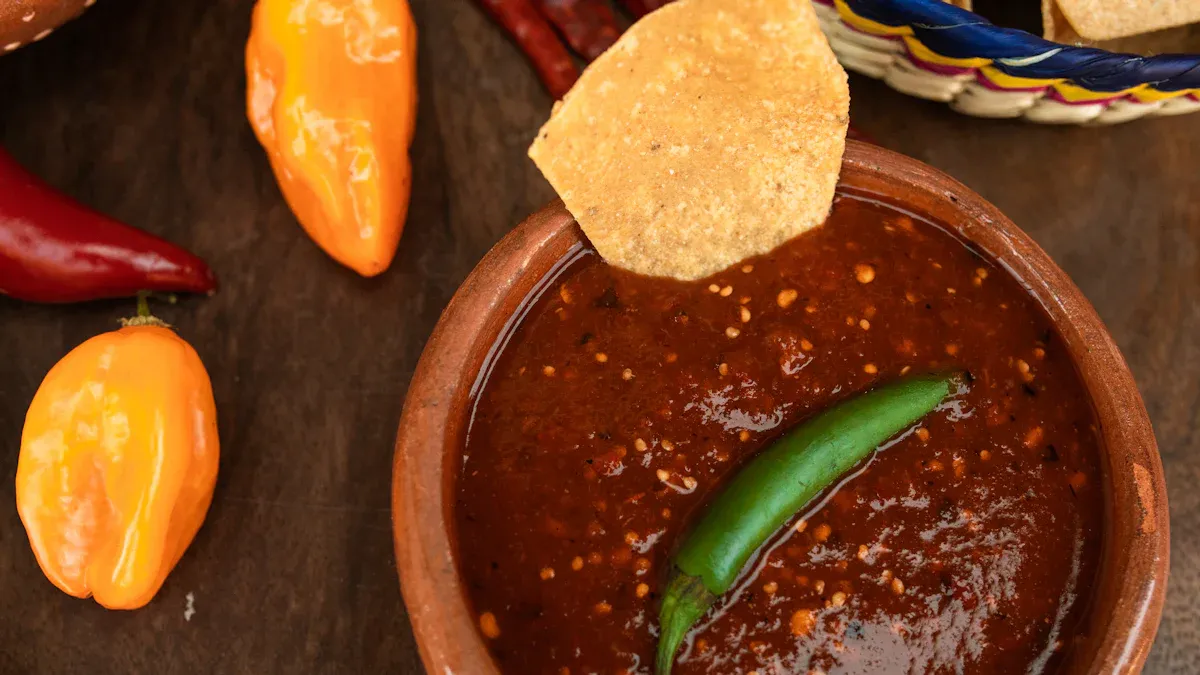
Understanding the salsa nutrition facts helps you make smart food choices. You will see that salsa offers a lot of goodness in every spoonful. Let’s break down what makes this condiment so healthy.
Calorie Count and Macronutrients
Salsa is a fantastic choice if you watch your calorie intake. It is naturally low in calories. A standard serving of 1 tablespoon of salsa contains only about 4 calories. If you enjoy a larger portion, about 2 tablespoons, you typically consume between 10 and 20 calories. For example, some brands like Sadie’s Hot Salsa have just 10 calories per serving. Other varieties, like Marble Red & Green Chile Salsa, are even lower, with only 5 calories per serving. This makes calories in salsa very minimal. A whole cup of salsa usually has around 75 calories, and 100 grams contains about 36 calories.
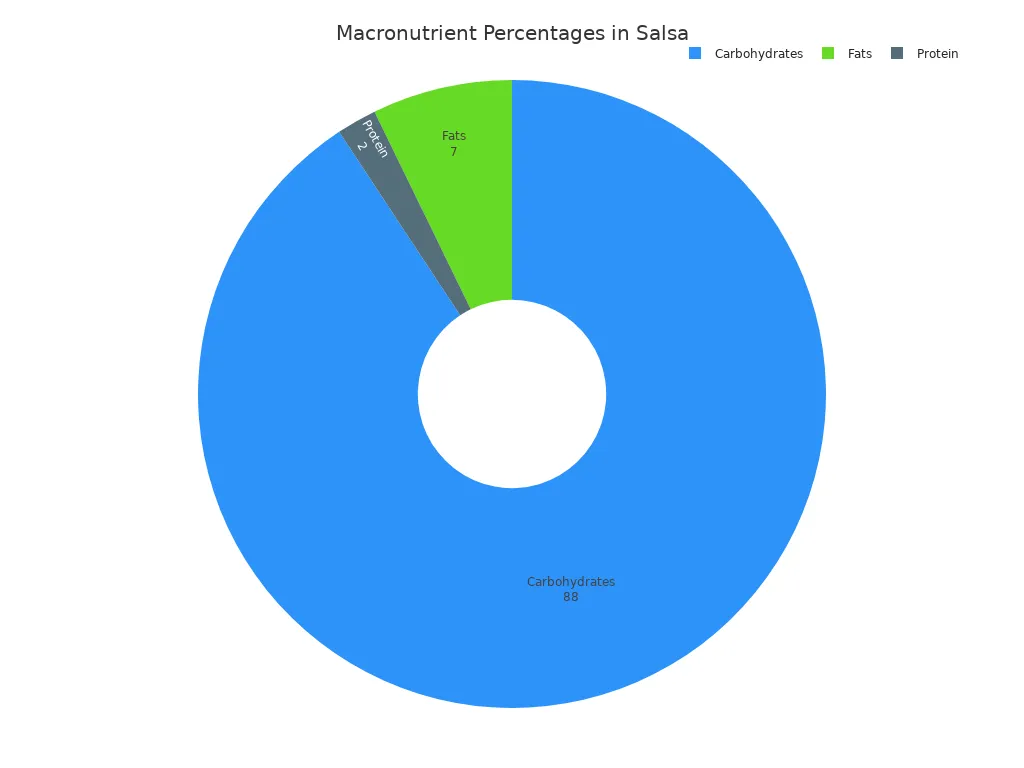
When you look at the macronutrients in salsa, you find it is mostly carbohydrates. Here is a typical breakdown:
Macronutrient | Percentage |
|---|---|
Carbohydrates | 88% |
Fats | 7% |
Protein | 2% |
You can see this distribution clearly in the chart below:
Salsa is also typically fat-free and cholesterol-free. This makes it a heart-healthy addition to your meals.
Salsa: A Nutrient-Rich Mix
Salsa is truly a nutrient-rich mix. Its main salsa ingredients are fresh vegetables. These ingredients pack a punch of essential vitamins and minerals. You get important nutrients that support your overall health.
Here are some key vitamins and minerals you find in common salsa ingredients:
Tomatoes: They give you Vitamin C, potassium, and lycopene. Lycopene is a powerful antioxidant.
Jalapeño Peppers: These peppers provide fiber, Vitamin C, Vitamin B6, Vitamin A, Vitamin K, and manganese.
Garlic: You get Vitamin B6, manganese, and selenium from garlic.
Overall, salsa nutrition offers a good source of Vitamin C, Vitamin A, and potassium. These nutrients are vital for your well-being. You also get Vitamin E from the mix of fresh vegetables.
Fresh vs. Jarred: Nutritional Nuances
You might wonder if there is a difference between fresh salsa and the kind you buy in a jar. There are indeed some important nutritional differences.
Feature | Fresh Salsa | Commercially Jarred Salsa |
|---|---|---|
Ingredients | Chopped fresh vegetables (tomatoes, onions, peppers, cilantro), natural acids (lime juice) | Cooked or mushy vegetables, thickeners/stabilizers, added sugar |
Processing | Not cooked, stored cold | Heat processed to extend shelf life |
Preservatives | None | Often contains preservatives |
Nutrient Levels | Preserves vitamin C, potassium, more lycopene | Reduced nutrient levels due to heat processing |
Flavor | Bright, bold, fresh | Dull, flat flavor |
Antioxidants | High in lycopene (tomatoes), capsaicin (peppers), quercetin (onions) | Potentially lower due to processing |
Fresh salsa generally offers more nutrients. This is because it is not cooked. Heat processing can reduce the levels of some vitamins.
Here is what you gain from fresh salsa:
Vitamin C and Potassium: Fresh salsa keeps these vitamins intact because it is not cooked.
Lycopene: You get more of this strong antioxidant from tomatoes in fresh salsa. Cooked or canned versions have less.
Capsaicin: Peppers in fresh salsa contain capsaicin. This compound may help you burn fat.
Quercetin: Onions in fresh salsa provide quercetin. This is known for its anti-inflammatory and antioxidant effects.
Jarred salsa often contains cooked or mushy vegetables. Manufacturers add thickeners or stabilizers to extend its shelf life. You might also find added sugar in jarred versions. Heat processing reduces nutrient levels and can make the flavor less vibrant. Always check the nutrition facts label when buying jarred salsa.
Unlocking the Health Benefits of Salsas
You gain many advantages when you add salsa to your diet. The health benefits of salsas are truly impressive. This simple condiment offers a wide range of positive effects on your body. You will discover how this flavorful food contributes to your overall well-being.
Boosts Antioxidant Power
Salsa is a good source of antioxidants. These powerful compounds protect your cells from damage. They fight off harmful molecules called free radicals. Many ingredients in salsa contribute to this antioxidant power. For example, chiles contain capsaicin, which may improve your metabolic health. They also provide flavonoids, phenolic acids, carotenoids, and ascorbic acid. These are anti-inflammatory compounds that support metabolic health. Tomatoes give you lycopene, a strong antioxidant. Lycopene links to lower mortality rates and a reduced risk of certain cancers. Onions offer quercetin, which has anti-inflammatory and anti-carcinogenic properties. You get a powerful antioxidant boost with every serving of salsa.
Supports Cardiovascular Wellness
Eating salsa can help keep your heart healthy. Many ingredients work together to support your cardiovascular system. Onions are rich in heart-helpful flavonoids like quercetin. Red bell peppers contain potassium, which helps regulate blood pressure. They also have anthocyanins that protect your heart. Tomatoes provide vitamin B9 (folate) and potassium, both supporting healthy blood pressure. Antioxidants like lycopene and beta-carotene in tomatoes promote heart health and can help lower cholesterol. Garlic contains natural compounds that may help regulate blood pressure. Jalapeño peppers have capsaicin, which improves circulation and blood flow. This may reduce the risk of blood clots. Cilantro is rich in antioxidants and helps lower cholesterol and blood pressure. As a whole, salsa is low-calorie, low-fat, and rich in potassium, fiber, and antioxidants. These all positively impact your heart health. The heat from chili peppers can even open up blood vessels, improving circulation.
Aids in Weight Management
Salsa is an excellent food for weight management. It is low in calories and helps you feel full. The high water and fiber content in salsa promotes satiety. This helps you control your portions. The fiber also assists digestion and slows sugar absorption into your bloodstream. You feel satisfied with minimal calories. This combination of fiber and water from fresh vegetables helps you manage your weight. Experts believe that eating low-calorie, high-volume foods like salsa is key for sustainable weight loss. This approach, known as the Volumetrics diet, allows for larger meals without excessive calories. A study in ‘The American Journal of Clinical Nutrition’ showed that eating low energy density foods led to 20% less energy intake. This happened even when hunger levels were similar. Salsa fits perfectly into this strategy, helping you feel full and satisfied.
Promotes Digestive Health
Salsa is a good source of fiber, which is crucial for a healthy digestive system. Fiber adds bulk to your stool, helping it move smoothly through your digestive tract. This prevents constipation and promotes regularity. The fiber in salsa also helps maintain stable blood sugar levels. It slows down the absorption of sugar into your bloodstream. This prevents sharp spikes and drops in blood sugar. A healthy gut contributes to overall well-being.
Strengthens Immune Function
You can boost your immune system by eating salsa. Many of its ingredients are packed with immune-supporting nutrients. Tomatoes, lime juice, and parsley provide vitamin c. This antioxidant supports your immune system. Garlic has potent antimicrobial effects. These ingredients work together to help your body fight off illness.
Enhances Skin Radiance
Salsa can even contribute to healthier, more radiant skin. The antioxidants and vitamins in salsa protect and nourish your skin. Lycopene from tomatoes is a powerful antioxidant linked to skin protection. Vitamin C, found in tomatoes and peppers, reduces inflammation. This contributes to healthier skin. Peppers, especially green chile and jalapeños, provide Vitamin A, which supports overall skin health. Bell peppers are packed with vitamin c, which promotes collagen production. Collagen is essential for strong, healthy skin and wound healing. Your body cannot make Vitamin C, so you must get it from your diet.
Fights Inflammation
Many compounds in salsa have anti-inflammatory properties. Chronic inflammation can lead to various health problems. Capsaicin, found in chili peppers, is known for its anti-inflammatory effects. It may help reduce pain and swelling. Quercetin, present in onions and cilantro, also reduces inflammation. Lycopene from tomatoes helps mitigate inflammation by neutralizing free radicals. A 2021 review showed that higher consumption of tomatoes and lycopene links to reduced mortality and decreased risks of certain cancers. A 2023 study found that increased consumption of tomato salsa linked to a 20% lower risk of colorectal cancer. Researchers believe the synergistic effects of all ingredients and their antioxidants drive these health benefits.
Contributes to Hydration
Salsa is primarily made from fresh vegetables, which have high water content. This means eating salsa helps you stay hydrated. Proper hydration is essential for all bodily functions. It helps regulate body temperature, lubricate joints, and transport nutrients. You get a refreshing and hydrating boost with every serving.
Specific Health Benefits of Salsa

You gain even more specific advantages when you include salsa in your diet. These particular health benefits show how powerful this simple food can be.
Blood Sugar Stabilization
Salsa can help you keep your blood sugar levels steady. This is important for your overall health. Ingredients like tomatillos have a low glycemic load. This means they do not cause a big spike in your blood sugar. The fiber in tomatillos also helps. It slows down how quickly your body absorbs sugar. This reduces the chance of sudden blood sugar increases. Ready-to-serve salsa generally has a low glycemic index and a low glycemic load. It also provides about 1.9 grams of dietary fiber. This combination helps you maintain stable blood sugar.
Potential Cancer Protection
Eating salsa may also help protect you from certain cancers. A large study looked at over 100,000 adults in the US. It found that eating more tomato salsa linked to a 20% lower risk of colorectal cancer. This study did not find the same link for raw tomatoes or tomato juice. This suggests that the way ingredients are combined in salsa might offer unique protection. While this is promising for colorectal cancer, more research is needed. Scientists want to confirm these effects in different groups of people.
Fat Burning Support
Salsa can even support your body’s ability to burn fat. Chili peppers in salsa contain capsaicin. This compound can increase your energy use. Capsaicin helps your body produce more heat, a process called thermogenesis. This means you burn more calories. Capsaicin may also help reduce your appetite. It can influence genes related to fat breakdown. Some studies show capsaicin increases energy expenditure and promotes fat oxidation. For example, one study found that consuming 2.56 mg of capsaicin per meal helped burn fat without raising blood pressure. However, the amount of spicy food you eat matters. Low amounts of capsaicin might increase fullness. Very high amounts might have a different effect. The health benefits of salsa extend to helping your metabolism.
Salsa Considerations and Tips
You now know the many benefits of salsa. But you should also consider a few practical points. These tips help you enjoy salsa in the best way.
Sodium Levels and Choices
Salsa can be a very healthy addition to your diet. However, you should pay attention to its sodium content. The amount of sodium in salsa varies a lot. For example, a single tablespoon of “Ready to Serve” salsa can have about 99 mg of sodium. Many commercially available salsas show different sodium levels per 2-tablespoon serving. Some, like Desert Pepper’s Peach Mango Salsa, have only 25 mg. Others, such as Newman’s Own Mango Salsa, contain 220 mg. You can find a wide range, from 35 mg in Uncle Mike’s Northeast of the Border salsa to 390 mg in Shotgun Willie’s Jalapeño salsa for the same serving size.
The American Heart Association suggests you consume no more than 2,300 mg of sodium daily. An optimal goal is even lower, at 1,500 mg per day. The World Health Organization advises less than 2,000 mg of sodium daily. You should always check the nutrition label on jarred salsa. Look for options labeled “low sodium.” Making your own fresh salsa at home gives you full control over the ingredients. This way, you can easily manage the sodium.
Spice and Sensitivity
Salsa comes in many spice levels. Some salsas are mild, while others are very hot. The heat comes from capsaicin in chili peppers. You should choose a spice level that you enjoy. If you are sensitive to spicy foods, start with mild salsa. You can gradually try hotter versions if you wish. Remember, everyone has a different tolerance for spice.
Smart Salsa Integration
You can add salsa to many meals. It is a versatile and healthy condiment. Beyond chips, try adding fresh salsa to your scrambled eggs or omelets. Spoon it over grilled chicken or fish for extra flavor. You can mix salsa into plain Greek yogurt for a savory dip. Use it as a topping for baked potatoes or sweet potatoes. Salsa also works well as a base for healthy salad dressings. You can even stir it into soups or stews for a fresh kick. These ideas help you enjoy the great taste and benefits of salsa every day.
You now know that salsa is a truly healthy, flavorful, and versatile food. We explored the detailed salsa nutrition facts. You learned about its many health benefits. Is salsa healthy? Absolutely! It supports your heart, digestion, and immune system. You can easily add more salsa to your meals. Enjoy this healthy condiment as part of your balanced lifestyle. Is salsa healthy? Yes, it is!
FAQ
What is the best way to store salsa?
You should store homemade fresh salsa in an airtight container in the refrigerator. It usually stays good for about 5-7 days. For opened jarred salsa, you also refrigerate it. Always check the label for specific storage instructions. Proper storage keeps your salsa good.
What are the main ingredients in salsa?
Traditional salsa primarily contains chopped tomatoes, onions, chili peppers (like jalapeños), cilantro, and lime juice. These fresh ingredients give salsa its vibrant flavor and nutritional value. You can also find variations with fruits or other vegetables.
What makes salsa a healthy food choice?
Salsa is healthy because it is low in calories and rich in nutrients. It provides vitamins, minerals, and antioxidants from its fresh vegetable base. The fiber in salsa also supports digestion and helps you feel full. This makes salsa a great addition to your diet.
What are some creative ways to enjoy salsa?
You can enjoy fresh salsa in many ways beyond chips. Try it on grilled chicken, fish, or eggs. Mix fresh salsa into Greek yogurt for a savory dip. Use it as a topping for baked potatoes or as a healthy salad dressing. You can also stir salsa into soups.