

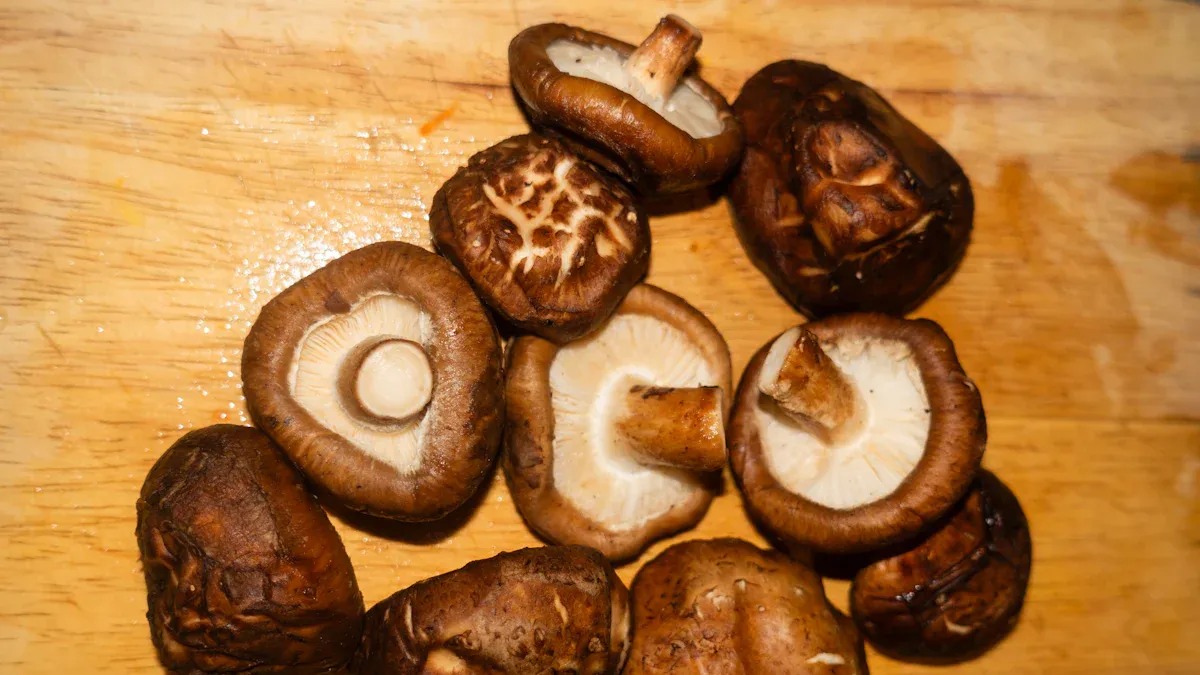
Shiitake mushrooms are experiencing a global surge in popularity, with market growth projected to reach approximately 7.8% annually. Yet, their use dates back to 1100 A.D. in traditional medicine, where people valued them for centuries. You will discover the dual power of shiitake mushrooms: significant immune support and a rich nutritional profile. This article explores these key health benefits, showing you how to incorporate them into your diet for better health.
Key Takeaways
Shiitake mushrooms boost your immune system. They contain special compounds like lentinan and ergothioneine. These help your body fight off sickness and protect your cells.
Shiitake mushrooms are full of good nutrients. They give you B vitamins for energy. They also provide important minerals like copper and selenium. You can get Vitamin D from them if they are exposed to sunlight.
Eating shiitake mushrooms can help your heart and bones. They contain things that lower bad cholesterol. They also have compounds that help build strong bones.
Shiitake mushrooms may have anti-cancer properties. They contain beta-glucans. These compounds can help fight cancer cells.
You can easily add shiitake mushrooms to your meals. You can use them fresh or dried. Always cook them well to avoid skin rashes.
Shiitake Mushrooms: Boost Immunity
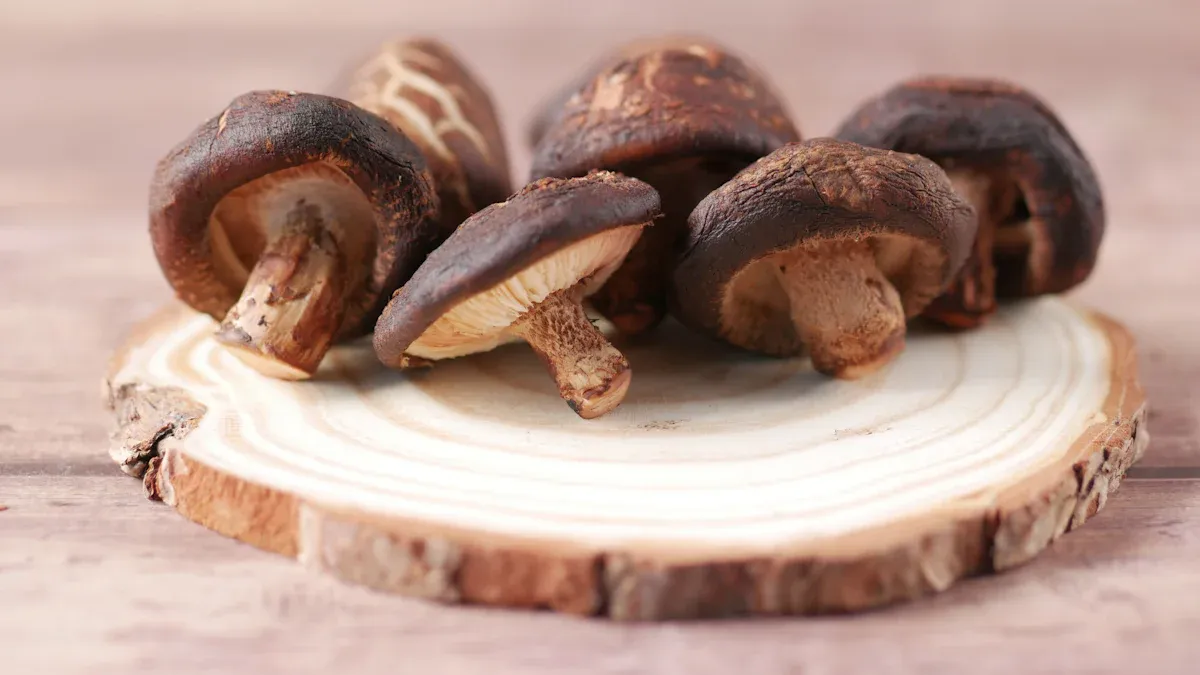
You can strengthen your body’s defenses with shiitake mushrooms. These powerful fungi help you fight off harmful bacteria and viruses. They contain unique compounds that actively support your immune system.
Lentinan: Immune Modulator
Lentinan is a key compound in shiitake mushrooms. It acts as a powerful immune modulator. This means it helps your immune system work better. Lentinan enhances your natural defense mechanisms. It activates macrophages, which are immune cells that recognize and respond to harmful invaders. Lentinan also influences T cell activity, promoting their growth and differentiation. It stimulates your body to produce important cytokines like interleukin-1 (IL-1) and interleukin-2 (IL-2). These cytokines help your immune cells communicate. Lentinan also boosts the activity of natural killer (NK) cells. These cells eliminate cancerous cells and prevent infections.
Research shows that Lentinula Edodes Mycelia (L.E.M.) extract helps regulate antigen-presenting cells (APCs). These cells activate other immune cells. L.E.M. extract increases the expression of important markers like MHC-I and MHC-II in bone marrow-derived dendritic cells (DCs). It also strongly induces IL-12 production. L.E.M.-stimulated DCs then increase IFN-γ production from CD8+ T cells. They also help these cells become effector cells. This shows enhanced immune cell activation.
A study with healthy young adults showed that eating Lentinula edodes (shiitake) mushrooms daily for four weeks significantly increased the proliferation of γδ-T cells by 60%. It also doubled NK-T cells. Both cell types showed an improved ability to express activation receptors. This means they could function better. This study directly supports how Lentinula edodes consumption enhances immune cell proliferation and activation.
Regular consumption of L. edodes also improves your immunity by increasing sIgA production. A clinical study with 52 healthy young adults found that eating 5g or 10g of dried shiitake mushrooms daily for four weeks increased sIgA levels. Secretory immunoglobulin A in saliva increased after four weeks of mushroom consumption. This research confirms that regular intake of these mushrooms strengthens your immunity.
Lentinan also works by:
Increasing the number of circulating monocytes and CD8+ T cells.
Decreasing the ratio of CD4/CD8 cells.
Reducing the production of IL-4, IL-6, IL-10, and GM-CSF.
Many clinical trials highlight Lentinan’s effectiveness as an immune modulator. These include studies on advanced cancer, HIV patients, hepatocellular carcinoma, and colorectal cancer.
Ergothioneine: Immune Antioxidant
Ergothioneine is another powerful compound found in shiitake mushrooms. It acts as an immune antioxidant. This means it protects your immune cells from damage. During inflammation, your body may increase the expression of OCTN1. This leads to higher levels of Ergothioneine (EGT) in your immune cells. This increase in EGT helps reduce inflammation and acts as an antioxidant. It prevents inflammation from getting worse.
One review calls ergothioneine a “must-research immune system supplement ingredient.” It can protect many organ systems. Studies also investigate how ergothioneine impacts your immune response when oxidative damage occurs. This shows its role in protecting your immune health.
Ergothioneine is a ‘must-research immune system supplement ingredient that can protect numerous organ systems.’
Anti-Inflammatory Effects
Shiitake mushrooms also offer strong anti-inflammatory effects. These effects further support your overall immunity. Several compounds in shiitake mushrooms contribute to these benefits.
Compound | NO Inhibitory Assay (IC50) μM | TNF-α Inhibitory Assay (IC50) μM |
|---|---|---|
Lentincoumarins A (4) | 34.7 ± 2.5 | >100 |
(3S)-7-hydroxymellein (9) | 30.2 ± 2.5 | 94.5 ± 1.6 |
(3R)-6-hydroxymellein (11) | 28.1 ± 2.2 * | 68.1 ± 1.8 * |
Succinic acid (18) | 29.9 ± 1.2 | >100 |
(3S)-5-hydroxymellein (10) | 35.8 ± 1.7 | 75.3 ± 2.7 * |
Indomethacin (Positive Control) | 26.8 ± 1.3 | 88.5 ± 2.1 |
These compounds include lentincoumarins A, (3S)-7-hydroxymellein, (3R)-6-hydroxymellein, and succinic acid. All of them show strong NO inhibitory effects. (3S)-5-hydroxymellein and (3R)-6-hydroxymellein also powerfully inhibit TNF-α. Isocoumarin compounds, found mainly in the mycelium, have both anti-inflammatory and antioxidant activities. Polysaccharides, which are primary metabolites, also have anti-inflammatory properties. These combined effects help to boost immunity and reduce inflammation in your body.
Nutritional Profile of Shiitake Mushrooms
You will find shiitake mushrooms are a nutritional powerhouse. They offer many important nutrients while staying low in calories. These mushrooms are rich in amino acids and packed with essential vitamins and minerals.
Consider their caloric content. A 100-gram serving of shiitake mushrooms contains very few calories:
Serving Size | Calories |
|---|---|
100 g | 56 |
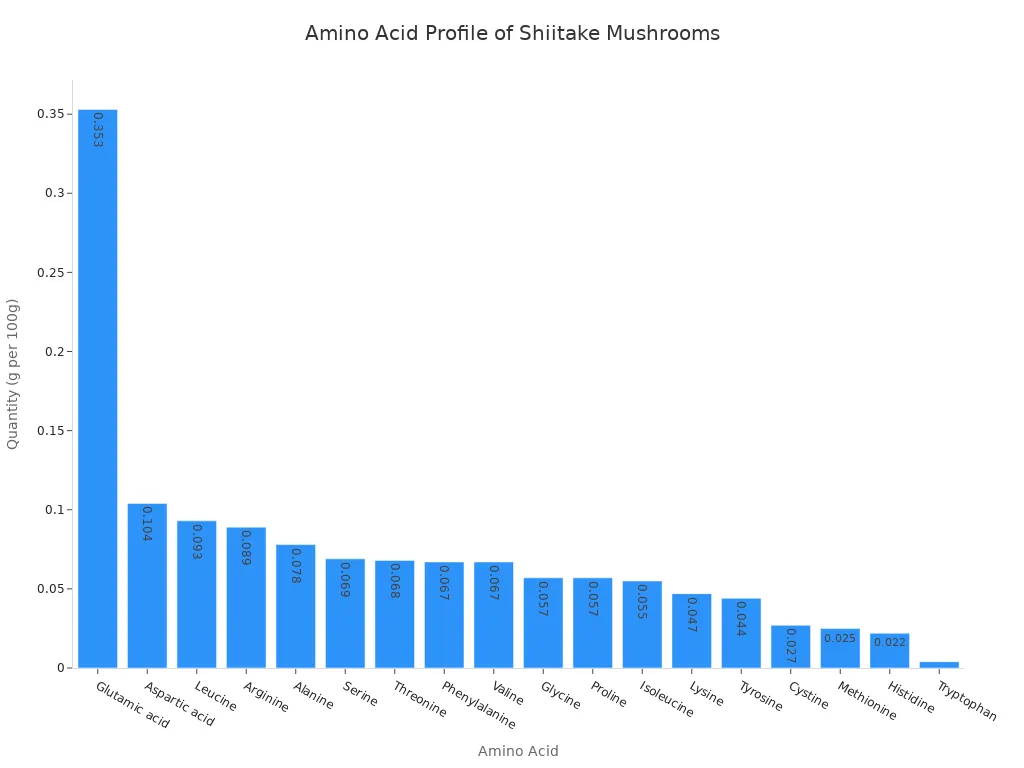
Shiitake mushrooms also provide a full range of amino acids. These are the building blocks of protein. Glutamic acid is the most abundant amino acid you will find. Aspartic acid and Leucine also appear in high amounts.
B Vitamins
Shiitake mushrooms give you a good source of B vitamins. These vitamins are vital for your energy and metabolism. They help your body turn food into energy. You get several types of B vitamins from these mushrooms.
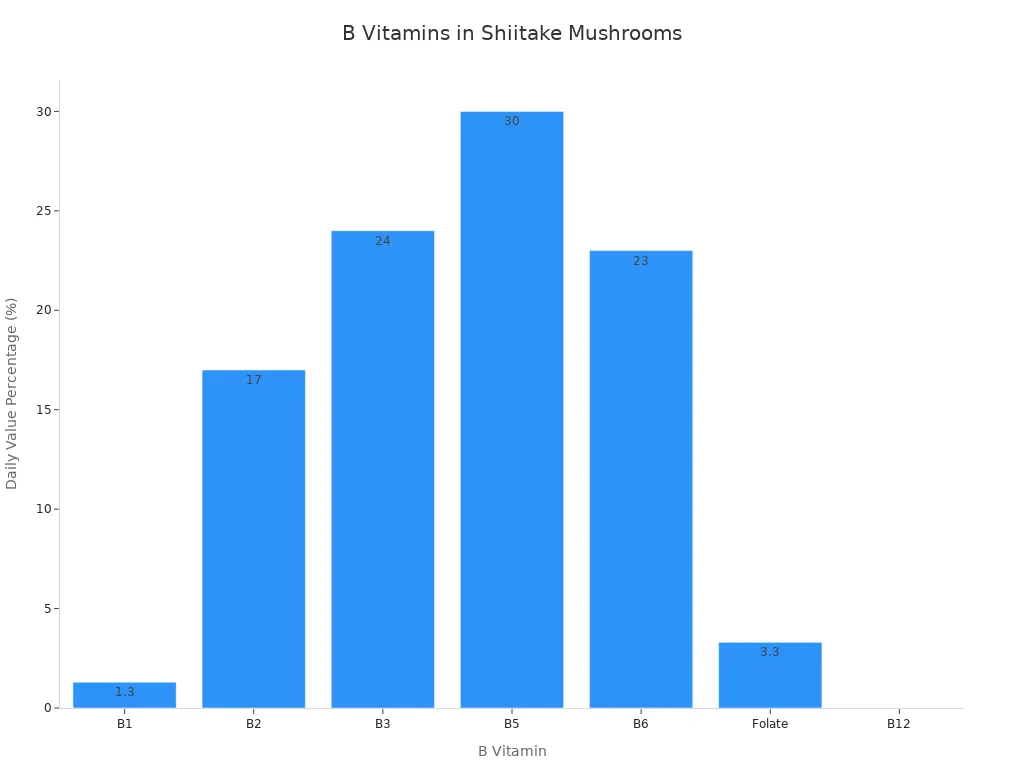
You can see that shiitake mushrooms offer a good percentage of your daily needs for some B vitamins. For example, a 100g serving provides 30% of your daily value for Vitamin B5 and 24% for Vitamin B3.
Key Minerals: Copper, Selenium, Zinc
You also get important minerals from shiitake mushrooms. Copper, selenium, and zinc are key examples. These minerals play many roles in your body.
A half-cup serving of shiitake mushrooms provides a significant portion of your daily recommended intake for some minerals:
Nutrient | Daily Recommended Intake (DRI) Percentage (per 1/2 cup serving) |
|---|---|
Copper | 72% |
Selenium | 33% |
Zinc | Not specified for shiitake mushrooms in the provided text |
Copper is essential for healthy blood vessels and bones. It helps your body make collagen and elastin. These are important for strong arteries. Copper also helps your body manage free radicals.
Selenium is another important mineral. It plays a role in many body processes. Some studies show a link between selenium levels and certain health conditions. For example, higher serum selenium levels may associate with hypertension. Selenium also connects to type-2 diabetes.
Zinc is vital for many body functions. It supports your immune system and helps with cell growth. Zinc also plays a role in wound healing.
Vitamin D Content
Shiitake mushrooms can provide you with Vitamin D. This is especially true if they are exposed to sunlight. They contain Vitamin D2, also known as ergocalciferol. This is a form of Vitamin D found in plants.
The amount of Vitamin D in shiitake mushrooms can vary. Mushrooms grown in dark places have less than 40 IU of Vitamin D per 3.5 ounces. However, dried mushrooms can contain about 600 IU of Vitamin D2 per 3.5 ounces if you store them correctly. Four dried shiitake mushrooms (15 grams) give you 6% of the Daily Value for Vitamin D.
UV-B light exposure greatly increases Vitamin D2 in these mushrooms. The gills of shiitake mushrooms produce more Vitamin D2 than the cap or stalk when exposed to UV-B radiation. The gills can make up to four times more Vitamin D2 than the cap. This shows how sunlight helps boost their Vitamin D content.
Dietary Fiber
You also get dietary fiber from shiitake mushrooms. Fiber is important for your digestive health. It helps keep your digestive system working smoothly.
Here is how much dietary fiber you can find in raw shiitake mushrooms:
Mushroom Type | Serving Size | Dietary Fiber (g) |
|---|---|---|
Shiitake mushrooms (raw) | 38 g | 0.9 |
Other Health Benefits of Shiitake Mushrooms
Beyond immune support and nutrition, you will find other significant health benefits of shiitake mushrooms. Traditionally, people used these fungi to help with breathing difficulties. They also used them to protect the liver. Laboratory and animal studies show that compounds like polysaccharides and eritadenine in shiitake may contribute to liver protection. These compounds support antioxidant activity. They also modulate liver enzymes involved in detoxification. For example, studies suggest protective effects against toxin-induced liver injury. This comes from reduced oxidative stress and inflammation. A study also showed that vitamin D-enriched shiitake mushroom extracts significantly decreased liver damage in mice with immune-mediated hepatitis. This suggests a synergistic anti-inflammatory effect.
Heart Health
You can support your heart health with shiitake mushrooms. They contain many compounds beneficial for your cardiovascular system. These include bio-active polysaccharides like β-D-glucan and lentinan. You also get vitamins B2, B12, and D2. Dietary fiber is present too. Hexane fraction components, such as α-tocopherol (vitamin E) and linoleic acid, offer anti-atherosclerotic properties. Phytosterol derivatives like ergosterol help lower cholesterol. A Japanese study showed that eating 9 grams of dried shiitake mushrooms daily reduced LDL (‘bad’) cholesterol by 7% in a few weeks. This effect comes from eritadenine, which lowers LDL and increases HDL (‘good’) cholesterol. Fiber also limits cholesterol absorption. Antioxidants protect arterial walls. Research indicates L. edodes supports normal blood pressure and lipid metabolism. These are crucial for maintaining heart health.
Bone Health
Shiitake mushrooms also contribute to strong bones. They contain bioactive components like ergothioneine, polysaccharides, and vitamin D2. Extracts from shiitake mycelia promote osteoblast differentiation, which means bone formation. They also inhibit osteoclast activity, reducing bone breakdown. A 2019 study showed that L. edodes mycelium extract enhanced bone formation in rats. These rats modeled postmenopausal osteoporosis. Shiitake’s ability to produce vitamin D2 when exposed to UV light improves calcium absorption. Calcium is vital for bone health. Shiitake mushrooms contain the highest amount of vitamin D among plant foods. They also provide calcium. Research shows that vitamin D2 from UV-irradiated shiitake mushrooms increases bone mineral density. It also improves the structure of femur bone. This suggests a benefit for postmenopausal women.
Anti-Cancer Properties
You will find that shiitake mushrooms show promising anti-cancer properties. They contain β-glucans, which are polysaccharides. These are a primary source of shiitake’s anti-cancer effects. High molecular weight β-glucans reduce cancer cell viability by over 90%. They do this through apoptosis induction. Lentinan, a well-known β-glucan from shiitake, mediates anti-cancer effects. Clinical studies show lentinan can improve the quality of life for cancer patients. It is explored for various cancer types. Latcripin-1, a bioactive protein, shows antiproliferative activity against several cancer cell lines. It induces cell cycle arrest and promotes autophagy. Other compounds like Latcripin-4 and Latcripin 11 also demonstrate anti-cancer activity. SLNT, a shiitake polysaccharide, inhibits colon cancer cell proliferation. Lentinan also suppresses leukemia cell proliferation. An ethanol extract of shiitake reduced the proliferation of leukemia cells. These health benefits of shiitake mushrooms make them a valuable addition to your diet.
Incorporating Shiitake Mushrooms
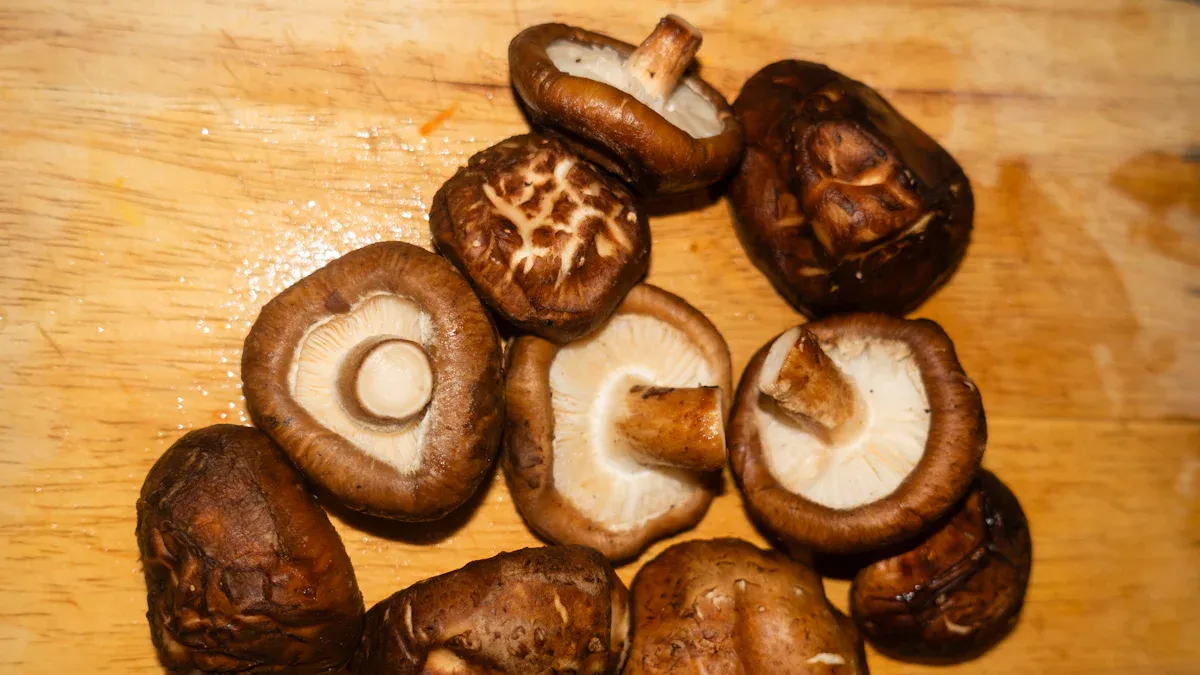
You can easily add shiitake mushrooms to your diet. They offer versatility in the kitchen. You can choose between fresh or dried forms. You can also consider supplements.
Fresh vs. Dried
You can find shiitake mushrooms in both fresh and dried forms. Each offers unique advantages. Fresh shiitake mushrooms have a tender, meaty texture. They provide a delicate, earthy flavor. You can use them directly in your cooking. Remember, you should cook raw shiitake mushrooms thoroughly before eating them. This ensures safety and improves digestibility. Dried shiitake mushrooms offer a more concentrated, intense, and smoky flavor. They also boast a higher concentration of certain nutrients. You need to rehydrate dried shiitake mushrooms before use. Soak them in warm water for about 20-30 minutes until they become plump. Always save the soaking liquid. It adds a deep umami flavor to your soups and sauces.
Culinary Uses
You can easily add shiitake mushrooms to many dishes. They enhance both flavor and nutritional value. Slice fresh shiitake mushrooms for quick stir-fries. Incorporate them into hearty soups or stews. You can also sauté them with garlic and herbs as a delicious side dish. Remember, you should always cook raw shiitake mushrooms. Try grilling them whole for a smoky, satisfying texture. Rehydrated dried shiitake mushrooms work exceptionally well in rich broths. They are also fantastic in creamy risottos. Explore various shiitake recipes to discover your personal favorites. You can even create a simple, deeply flavorful mushroom broth. This broth serves as an excellent base for many meals.
Supplements
If you find it challenging to regularly consume enough shiitake mushrooms, supplements offer a convenient alternative. You can find shiitake mushroom extracts or powders. These provide a concentrated dose of their beneficial compounds. Always prioritize high-quality supplements. Look for products from reputable brands that ensure purity and potency. Consult your doctor or a healthcare professional before starting any new supplement regimen. This step ensures the supplement is appropriate for your individual health needs.
Considerations and Side Effects
You should know about potential considerations and side effects when you add new foods to your diet. Shiitake mushrooms are generally safe. However, some people may experience adverse reactions.
Allergies and Irritation
You might experience skin irritation from shiitake mushrooms. Eating raw or undercooked shiitake mushrooms can cause a skin rash. This rash is known as shiitake flagellate dermatitis. It typically appears a day or two after you eat the mushrooms. The rash looks like whiplash marks. It is an intensely itchy dermatitis. You will see disseminated 1mm erythematous micropapules arranged in linear streaks. This reaction is a toxic response to lentinan, a substance in the mushroom. It is not a true allergic reaction. The rash often affects your trunk, but it can also appear on your limbs, neck, and head. It does not affect mucosal surfaces. The rash can worsen with sun exposure. Most patients recover within three weeks. Treatment often involves antihistamines or topical corticosteroids.
Some people can have a true allergic reaction to shiitake mushrooms. Symptoms include hives, itchy skin, a runny or blocked nose, itchy, teary eyes, swelling, wheezing, vomiting, diarrhea, and stomach cramps. More severe reactions can include a tight throat, hoarse voice, chest tightness, breathlessness, or tingling in the lips, scalp, hands, or feet. There are also cases of allergic and chronic hypersensitivity pneumonitis from shiitake spores.
Medication Interactions
You should be aware that shiitake mushrooms can interact with certain medications. These mushrooms may affect how your liver processes some drugs. This includes medications that are substrates of Cytochrome P450 2D6 (CYP2D6). This interaction could change how quickly your liver breaks down these medicines. This might alter their effects and side effects.
Shiitake mushrooms can also increase your immune system activity. This might decrease the effectiveness of immunosuppressant medications. Doctors prescribe these drugs after a transplant, for example. Always talk to your doctor before you add shiitake mushrooms to your diet, especially if you take regular medications.
Sourcing and Quality
You should always choose high-quality shiitake mushrooms. Buy them from reputable sources. Look for fresh mushrooms that are firm and free from slime or mold. If you buy dried shiitake mushrooms, ensure their packaging is sealed and they are stored properly. Good quality ensures you get the most benefits and avoid contaminants.
You now understand the many health benefits of shiitake mushrooms. They offer strong support for your immunity and overall well-being. These shiitake mushrooms are packed with nutrients and fit easily into many recipes. Explore the health benefits of shiitake mushrooms by adding them to your meals for a natural boost. Embrace functional foods like these for a healthier lifestyle.
FAQ
What are the main immune benefits of shiitake mushrooms?
Shiitake mushrooms boost your immune system. They contain lentinan, which activates immune cells like macrophages and T cells. Ergothioneine acts as an antioxidant, protecting your cells. These mushrooms also offer anti-inflammatory effects, further strengthening your body’s defenses. 💪
What key nutrients do shiitake mushrooms provide?
You get many essential nutrients from shiitake mushrooms. They offer B vitamins, including B3 and B5, for energy. You also receive vital minerals like copper, selenium, and zinc. If exposed to sunlight, they provide Vitamin D. Plus, they contain dietary fiber for digestion. 🍄
What is shiitake flagellate dermatitis?
Shiitake flagellate dermatitis is a skin rash. You might get it from eating raw or undercooked shiitake mushrooms. It looks like red, itchy streaks on your skin. This reaction comes from lentinan in the mushroom. Cooking the mushrooms thoroughly prevents this rash. 🚫
What is the difference between fresh and dried shiitake mushrooms?
Fresh shiitake mushrooms have a tender texture and mild, earthy flavor. You cook them directly. Dried shiitake mushrooms offer a more intense, smoky flavor and concentrated nutrients. You must rehydrate them before cooking. Both forms add great taste and health benefits to your meals. 🍲