

Small fruits refers to compact fruits you can hold, sort, snack on, or label on a simple chart, including berries, grapes, cherries, currants, and gooseberries. In everyday use, size and convenience often matter more than strict fruit classification.
You can use this A to Z list for shopping, cooking, classroom labels, or garden planning. It gives you the common names first, then clears up the fruit-size confusion that usually trips up beginners.
Key Takeaways
- Everyday grouping Berries and bite-sized names usually anchor any small fruits list A to Z.
- Strawberry note Strawberries appear here for common use, even though their structure surprises many beginners.
- Tart options Cranberries and currants belong here too, not just the sweeter picks.
- Classification help Grouping names by type makes fruit classification easier than a random stack of names.
- Familiar names Crabapples, grapes, cherries, raspberries, and blueberries are the names most people recognize right away.
What Small Fruits Mean In Everyday Use
Kitchen labels move faster than botany, and that is why a grape and a cherry can sit beside a currant in the same practical category. The phrase points to fruit that is small enough to handle easily, serve in handfuls, or teach from a simple chart.
Botanists sort fruit by structure, not by convenience. A berry, a drupe, and a pome can all be tiny, yet size alone does not decide the class. That difference matters for your list, because a fruit can be small in size without being a small fruit in the everyday sense.
Size and class are not the same thing
A plum can be compact and still belong with stone fruits, while a strawberry looks berry-like but has seeds on the outside. That mismatch is why a beginner-friendly list works better than a strict botanical lecture.
Currants, gooseberries, and mulberries add another layer. Their names show up in nursery catalogs, jam jars, and school labels, so the practical group keeps them close to berries and grapes. From here, the easiest next step is a clean list you can scan in seconds.
A few familiar examples give the list a reliable start before the more detailed orchard names appear.
The Most Common Small Fruits From A To Z
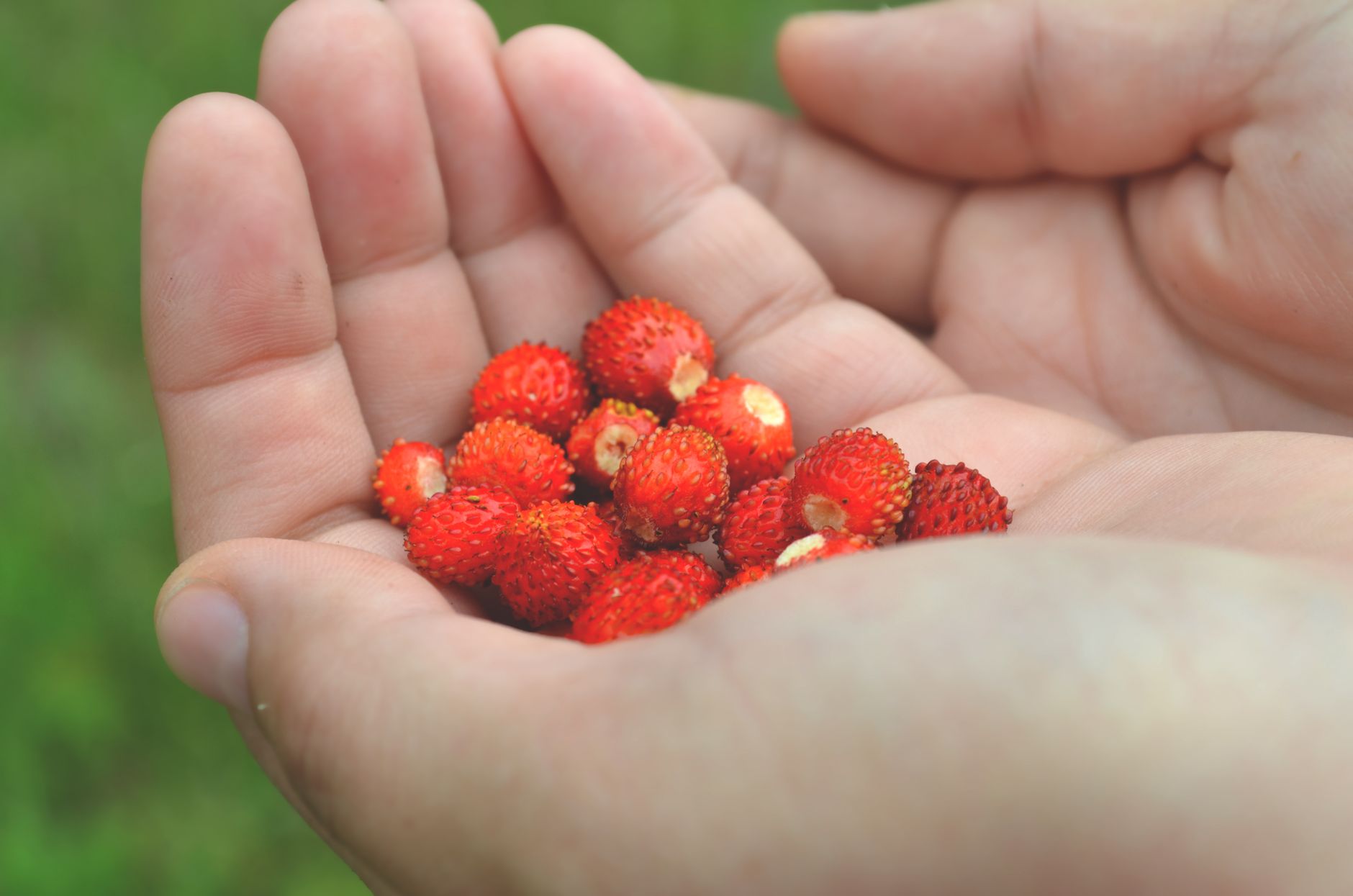
Alphabetical order keeps the names steady, which helps your eye move from familiar fruit to less common ones without losing the thread. The list below mixes everyday market names with a few useful additions that fit the same small-fruit label.
| Letter | Fruit name | Quick note |
|---|---|---|
| A | Apple crabapples | Tart, tiny apples used in jelly and ornamental plantings |
| A | Apricot | Compact stone fruit with a pit and soft flesh |
| B | Blackberry | Made of many drupelets, not a single smooth berry |
| B | Blueberry | One of the easiest names to spot in a fruit chart |
| C | Cherry | Small stone fruit with a single pit |
| C | Cranberry | Tart berry used in sauces, juice, and drying |
| C | Currant | Pronounced KUR-unt, a tiny tart berry cluster |
| E | Elderberry | Known for dark clusters and strong flavor |
| F | Fig | Soft-skinned fruit with many tiny seeds inside |
| G | Gooseberry | Round, tangy fruit with thin skin |
| G | Grape | Easy fresh snack and common dried fruit base |
| K | Kumquat | Small citrus fruit eaten with peel and all |
| M | Mulberry | Long, soft fruit that stains easily |
| P | Persimmon | Some varieties are small and very soft when ripe |
| P | Plum | Often compact, with a pit and juicy flesh |
| R | Raspberry | Aggregate fruit made of many small drupelets |
| S | Strawberry | Commonly grouped here for size and use |
Crabapples deserve a place because they behave like tiny orchard apples in jams and preserves. Kumquats matter for another reason, since the peel is part of the eating experience, which makes them feel different from berries and cherries.
Notice how the list mixes structure and use. That is the point of a useful small fruits names list, because a family menu, a lesson plan, and a garden note all need the same names but not the same level of detail.
With the common berries in place, the size differences among orchard fruits become much easier to spot.
Berries That You Recognize First
That mixed list starts with names people spot fast, because color and shape often matter more than botanical precision in daily life. Strawberries, blueberries, raspberries, and blackberries anchor most fruit lists because they show up in stores, school snacks, and home gardens.
Their size is only part of the story. Their color, shape, and texture make them easy to spot, and that is exactly why they work so well in a small fruits list A to Z.
Strawberries, blueberries, raspberries, and blackberries
Strawberries are the best-known example of a fruit that feels like a berry in daily speech but does not match a strict botanical berry. Blueberries and cranberries sit in the genus Vaccinium, which matters because it groups plants with similar growth habits and fruit traits.
Raspberries and blackberries are aggregate fruits, which means many small drupelets form one edible body. That structure explains the bumpy surface and why the fruit falls apart so easily during washing, serving, or freezing. A berry looks simple from the outside, but the interior structure tells a more exact story.
Why Vaccinium stands out
Vaccinium is a plant genus that includes blueberries and cranberries, and that shared classification helps explain their acidity, skin texture, and growth pattern. The same broad family logic appears in tomatoes, too, where the plant family matters more than the grocery label.
Blueberries and cranberries belong to the same genus, Vaccinium, and that shared classification helps explain their acidity, skin texture, and growth pattern.
That structure gives your list a solid base. Once the familiar berries are set, the next group clears up the size confusion that catches beginners most often.
Those differences matter because tart varieties often shine in storage, while softer fruit needs gentler handling.
Smaller Orchard Fruits And Stone-Fruit Favorites
That size confusion shifts fast once you get to cherries and apricots, because both can look small while still following a stone-fruit pattern. Their pits place them in stone fruit territory, not berry territory, even when the fruit fits neatly in your hand.
The hard pit is the clearest clue, since it marks a drupe, a fruit built around a single seed enclosed by firm flesh. That structure changes how the fruit holds up in storage, how it bruises, and how you prepare it in the kitchen.
| Fruit | Fruit type | Size clue | Eating style |
|---|---|---|---|
| Cherry | Stone fruit | Small round body with one pit | Fresh, baked, dried, or preserved |
| Apricot | Stone fruit | Soft, compact, and lightly fuzzy | Fresh, dried, or cooked |
| Plum | Stone fruit | Often handheld and juicy | Fresh or cooked into sauces |
| Persimmon | Berry-like fruit in common use | Small varieties fit the compact group | Best when fully ripe |
Cherry, apricot, and plum all show why size alone can mislead you. A fruit can be tiny, sweet, and snackable, yet still belong to stone fruits because the pit, flesh, and stem attachment follow a different plant pattern.
That distinction matters in the kitchen too. Pitted fruit can bruise fast, while berries crush from pressure alone, so storage and prep are not the same. Once you know that, the tart and less familiar names make more sense in the same list.
That versatility is what makes these fruits useful for family meals, garden planning, and quick recipes.
Tart Little Fruits And Less Familiar Names
That kitchen difference shows up most clearly in fruits that bring sharp acidity, bold color, or a texture you do not see in a lunchbox every day. Cranberries, currants, gooseberries, mulberries, and kumquats widen the list beyond the names that show up in breakfast bowls.
These fruits are useful because they add sour notes, color, and a different texture to fresh snacks and cooked dishes. They also give your common small fruits list more range without making it harder to learn.
Fruits with sharp flavor
- Cranberry Taut skin and bright acidity make it a staple in sauces and dried mixes.
- Currant Tiny clusters bring a sharp taste and are easy to miss in mixed fruit bowls.
- Gooseberry Round fruit with a thin skin and a tart bite.
- Mulberry Soft fruit with a long shape and deep color.
- Kumquat Citrus fruit that you can eat whole, peel included.
Mulberries matter because they sit between berry-like fruit and tree fruit in how they are used. Kumquats matter because the peel is sweet while the pulp is sharp, so the flavor flips in a single bite. That contrast gives your fruit list more range without making it harder to learn.
Currants are easy to mispronounce, and that small detail matters in classrooms and grocery aisles, where a name that sounds familiar still needs a clear spelling.
Some of these fruits lean tart enough that a child may reject them fresh, yet they work well in jams or baked dishes. From there, the practical question becomes how to use a short list for kids, cooking, and a home garden.
Those everyday uses turn a simple list into something practical long after the first read.
Small Fruits For Kids, Cooking, And Home Gardens
That practical question comes down to a short teaching set that is easy to say, easy to spot, and common in stores. Strawberry, blueberry, grape, cherry, raspberry, and apple crabapple give you a clean starting set for children and classroom charts.
Blueberry and strawberry help because the names are familiar and the colors match the fruit. Grape is useful because it teaches a singular form that children already hear at lunch, while cherry adds a clear pit-and-flesh example.
Fruits that fit meals and gardens
- Fresh snacks Grapes, blueberries, and strawberries work well in lunch boxes.
- Frozen use Raspberries and blueberries keep shape well in smoothies and desserts.
- Drying use Grapes become raisins, which adds a useful vocabulary link.
- Cooked use Cranberries, currants, and crabapples suit jams and sauces.
- Garden value Gooseberries, currants, and elderberries add variety in small spaces.
Gardeners get a bonus from compact plants because they can place them along borders, fences, or raised beds. Elderberry, gooseberry, and currant also help you expand the list beyond the usual supermarket fruit names, which makes the category feel fuller and more real.
One practical trick helps across all three settings: sort by taste before size. Sweet picks suit fresh eating, tart fruit fits cooking, and firm fruit travels better in bags or baskets. That small habit keeps your list useful after the first glance.
Final Thoughts
A strong fruit list is less about strict science and more about clear use. Once you separate size from classification, you can sort strawberries, grapes, cherries, currants, gooseberries, and the rest with confidence and teach the names without confusion.
FAQ
What are some small fruits?
Common examples include strawberry, blueberry, raspberry, blackberry, cherry, grape, currant, gooseberry, cranberry, and kumquat. That mix works well because it covers sweet, tart, and stone-fruit names in one simple set.
Which fruit is small in size?
Grapes, cherries, blueberries, currants, and gooseberries are all small enough to fit this everyday category. Size alone does not decide the class, so the fruit structure still matters.
Can you give me a list of simple fruits?
Yes, a simple list can start with strawberry, blueberry, grape, cherry, raspberry, apricot, plum, cranberry, gooseberry, and fig. That set is easy to say, easy to remember, and useful for learning or quick reference.
What fruits are included in a small fruits list?
Most lists include berries, grapes, cherries, currants, gooseberries, mulberries, kumquats, and smaller orchard fruit such as crabapples and apricots. Some lists also add persimmons and figs because they fit the compact, easy-to-handle idea.
What are the names of small fruits in English?
In English, the common names include strawberry, blueberry, raspberry, blackberry, cherry, grape, currant, gooseberry, elderberry, cranberry, mulberry, kumquat, apricot, plum, fig, and crabapple. A grouped list like that is easier to learn than random fruit names.
