

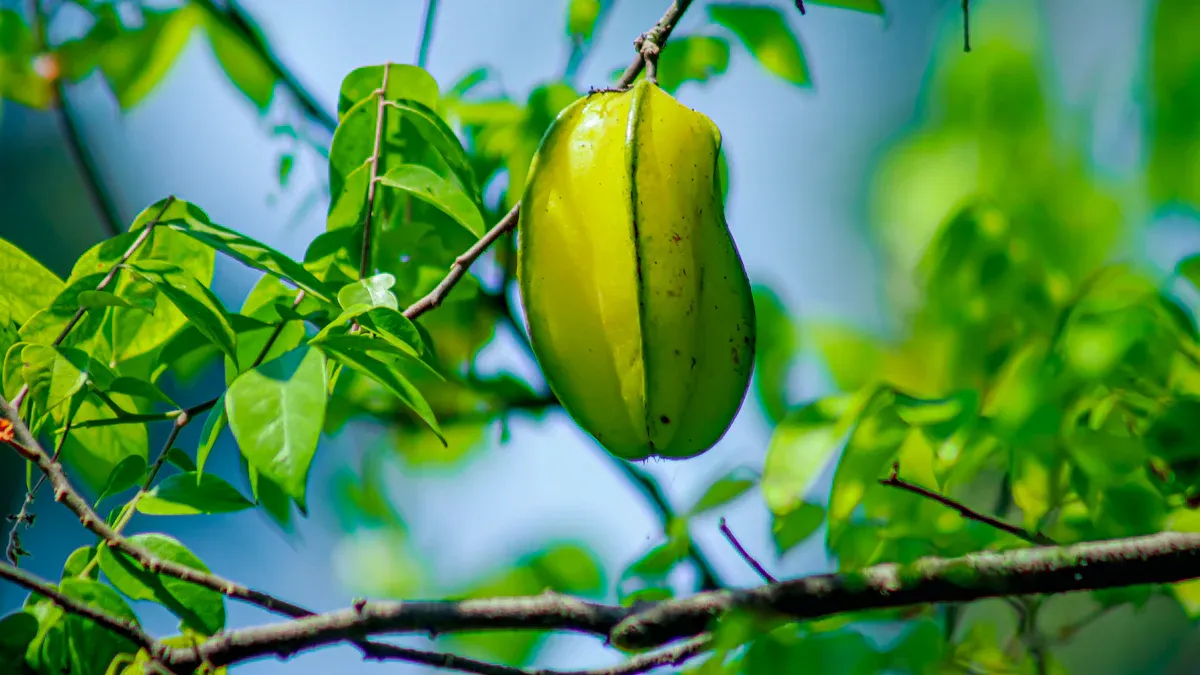
You encounter the exotic, visually appealing star fruit, also known as carambola. This unique tropical fruit gets its name from its distinctive star shape when you slice it. This nutritious tropical fruit offers significant star fruit nutrition benefits. It is a good source of vitamin C, dietary fiber, and various antioxidants. You will find star fruit refreshing, and it adds a tropical touch to many dishes. However, understanding its consumption guidelines is crucial. Some unique considerations exist for enjoying this delicious star fruit safely.

Key Takeaways
Star fruit is a healthy tropical fruit. It gives you vitamin C, fiber, and antioxidants. These help your body stay strong.
Eating star fruit can boost your immune system. It helps your digestion and protects your cells. It also supports a healthy heart and skin.
Star fruit is low in calories and high in fiber. This can help you manage your weight. It makes you feel full and helps your body work better.
Some people should not eat star fruit. If you have kidney problems or take certain medicines, avoid it. Star fruit can be dangerous for them.
Always eat star fruit safely. Wash it well and eat it in small amounts at first. If you have health concerns, talk to your doctor.
Star Fruit: Overview and Nutrition
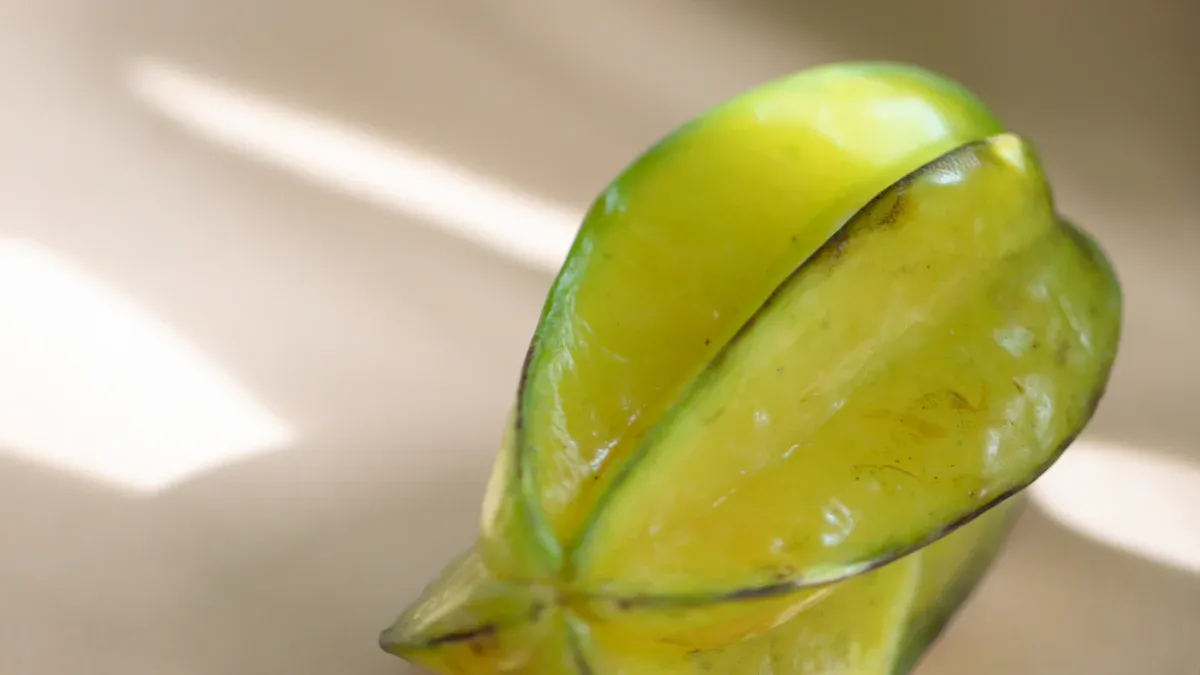
What is Carambola
Star fruit, also known as carambola, is a unique tropical fruit. You recognize it by its distinctive star shape when sliced. This fruit is indigenous to Sri Lanka and the Moluccas. It has a long history of cultivation in Southeast Asia, especially in Thailand and Malaysia. Despite its various regional names, carambola is known for its Far Eastern origin. You can also find star fruit grown in:
Southeast Asia
Australia
South America
Southern United States (Florida and Hawaii)
Star Fruit Nutrition Benefits: Key Components
You will find star fruit offers impressive star fruit nutrition benefits. It has a great nutritional profile. This unique fruit is low in calories and sugar. It is rich in micronutrients. For example, 100 grams of star fruit contains approximately 31 calories. This makes it an excellent low calorie snack. Understanding its nutrition facts helps you appreciate its full nutritional profile.
Vitamin C Content in Star Fruit
Star fruit is a good source of vitamin C. This essential vitamin supports your immune system. You get a significant amount of vitamin C from eating star fruit. Here is how its vitamin C content compares to other fruits:
Fruit | Vitamin C Content (per cup) |
|---|---|
Star Fruit | 37 mg (41% DV) |
Strawberries | 98 mg |
Oranges | 96 mg |
Papaya | 88 mg |
Pineapple | 88% DV |
Watermelon | 4.08 mg (per 100 ml) |
Apple | 7.94 mg (per 100 ml) |
Fiber Content in Star Fruit
You also get a good amount of dietary fiber from star fruit. This high amount of fiber helps your digestion. It contributes to a healthy gut.
Other Antioxidants and Minerals
Beyond vitamin C and fiber, star fruit provides other beneficial compounds. It contains various antioxidants. These protect your cells. You also get small amounts of minerals. These minerals contribute to your overall star fruit nutrition. Knowing these nutrition facts helps you make informed choices.
Star Fruit Health Benefits
You now understand the basic nutrition of star fruit. Let’s explore the many ways these nutrients contribute to your overall well-being. The star fruit health benefits are quite impressive.
Immune Support from Vitamin C
You can boost your immune system with star fruit. It provides a good amount of vitamin C. This essential vitamin C helps your body fight off illnesses. It supports your immune cells. Your body needs vitamin C to stay strong and healthy. Studies show that star fruit contains powerful antioxidants, including vitamin C, epicatechin, gallic acid, and flavonoid C-glycoside. These compounds help protect your cells. For example, a study on elderly Thai individuals showed that consuming sour-type star fruit juice reduced markers of inflammation and oxidative stress. This means star fruit helps your body handle stress at a cellular level.
Digestive Health and Fiber
Star fruit is a good source of dietary fiber. This fiber is crucial for your digestive system. It moves slowly through your body. It adds bulk to your stool. This helps prevent constipation. The fiber in star fruit also supports a healthy gut. It can ease symptoms like cramping and bloating. It keeps your colon healthy. This makes stool easier to pass.
Antioxidant Power and Cellular Protection
Star fruit offers strong antioxidant power. These antioxidants protect your cells from damage. They fight free radicals in your body. Free radicals can harm your cells. Star fruit contains many beneficial compounds. These include rutin, quercetin-3-O-b-D-glucoside, lupeol, catechin, epicatechin, and proanthocyanidins. These compounds work together. They give you significant star fruit health benefits. They help reduce oxidative stress. For instance, research on sweet-type star fruit extract showed it could scavenge radicals and reduce inflammation in lab tests. Another study on a sweet-type star fruit product was done with people who had stable COPD. This group often has high oxidative stress.
Heart Health and Cholesterol Management
You can support your heart health by eating star fruit. It helps manage cholesterol levels. Star fruit contains fiber. This fiber reduces the absorption of dietary fats. This helps keep your total cholesterol and “bad” (LDL) cholesterol levels healthy. Star fruit also has antioxidants like vitamin C, flavonoids, and gallic acid. These antioxidants fight free radicals. They can prevent conditions like atherosclerosis. This disease links to cholesterol buildup. A clinical study showed that people who drank 100g of fresh star fruit juice twice daily for four weeks saw improvements in their good (HDL) and bad (LDL) cholesterol levels. These health benefits make star fruit a good choice for your heart.
Skin Health and Anti-Aging Properties
Star fruit can also benefit your skin. It helps with skin elasticity and appearance. Vitamin C in star fruit activates collagen production. Collagen is vital for firm, elastic skin. Star fruit also contains antioxidants like quercetin, epicatechin, and gallic acid. These rid your body of free radicals. Free radicals can harm your skin. Research shows star fruit extracts have anti-inflammatory effects. They can reduce skin inflammation. Studies on mice with eczema-like skin inflammation showed that star fruit leaf extracts significantly reduced inflammation. People also use star fruit leaves in masks to relieve skin irritation. They apply fruit juice as lotions for oily skin. This helps remove shine and prevent pimples.
Weight Management Support
You can use star fruit to help with weight management. It is low in calories. A medium-sized star fruit has only about 28.2 calories. This makes it an excellent snack choice. It also has a lot of fiber. A medium fruit contains about 3 grams of fiber. This fiber makes you feel full. It helps prevent overeating. The fiber in star fruit can also boost your metabolism. This leads to reduced food intake. These star fruit nutrition benefits make it a great addition to your diet. Star fruit is also a rich source of vitamin C. This is important for a healthy metabolism. The benefits of eating star fruit include increased satiety. This helps you eat less overall. It also helps regulate blood sugar levels. This can be helpful for weight control. These star fruit benefits make it a smart choice for your healthy lifestyle.
Potential Risks and Who Should Avoid
While star fruit offers many health benefits, you must understand its potential risks. Certain compounds in star fruit can be harmful to some people. You need to know who should avoid this tropical treat.
Oxalate Concerns and Kidney Disease
Star fruit contains a high concentration of oxalic acid, also known as oxalate. This compound can increase your risk of kidney stones if you eat too much star fruit. Oxalate and methanol are the main substances that cause severe toxicity in humans from star fruit. They are present in large amounts and are naturally toxic.
The oxalate content in star fruit varies a lot. Sour varieties have much more oxalate than sweet varieties. Ripe star fruit is golden yellow and tastes sweet. Unripe star fruit is lime green and tastes sour because of its high oxalate content. Star fruit is generally a rich source of oxalate.
Star Fruit Type/Preparation | Oxalate Content (mg/g or g/dL) |
|---|---|
Sour variety | Up to 7 mg/g |
Sweet variety | 0.4–0.8 mg/g |
Fresh sour fruit juice | 2.46 g/dL to 8.20 g/dL |
Commercial canned juice | 0.55 g/dL |
If you have kidney disease, star fruit can be very dangerous. Your kidneys cannot properly filter out neurotoxins. This leads to an accumulation of a toxin called caramboxin. This accumulation can cause serious problems. You might experience hiccups, confusion, insomnia, and seizures. Even a small amount, like half a star fruit, can cause toxic effects in people with chronic kidney disease.
Star fruit-induced oxalate nephrotoxicity is a known problem for people with existing kidney impairment. The oxalate in star fruit can lead to acute kidney injury (AKI) and chronic kidney disease (CKD). This happens because calcium oxalate crystals block your kidney tubules. They also damage kidney cells. If you have pre-existing kidney problems, you face a higher risk of toxicity. Even small amounts of star fruit can be harmful. Doctors advise patients with CKD or those on dialysis to avoid star fruit completely.
Medication Interactions with Star Fruit
You should also be careful if you take certain medications. Star fruit juice is a very strong inhibitor of CYP3A4. This enzyme helps your body process many drugs. When star fruit inhibits CYP3A4, it can increase the amount of medication in your system. This can lead to higher drug levels and potential toxicity. For example, star fruit juice inhibits this enzyme much more strongly than grapefruit juice. This strong inhibition means star fruit can cause drug interactions. It increases the exposure and potential toxicity of medicines metabolized by CYP3A4.
Recognizing Star Fruit Toxicity Symptoms
It is important for you to know the signs of star fruit toxicity. If you or someone you know consumes star fruit and experiences these symptoms, seek medical help immediately.
Common symptoms include:
Persistent hiccups (this is often the most frequent symptom)
Confusion
Agitation
Muscle twitching
Nausea
Vomiting
Seizures (these are linked to a poor outcome)
Other signs you might notice are:
Drooling
Loss of appetite
Diarrhea
Lethargy
Weakness
Tremors
Bloody urine
Changes in how much you drink and urinate
Specific Health Conditions to Avoid Star Fruit
You should avoid star fruit if you have certain health conditions.
Kidney Disease: This includes chronic kidney disease, acute kidney injury, or if you are on dialysis. The high oxalate content and caramboxin are very dangerous for your kidneys.
Kidney Stones: If you have a history of kidney stones, especially calcium oxalate stones, you should not eat star fruit. It can increase your risk of forming more stones.
Taking Certain Medications: If you take medications metabolized by the CYP3A4 enzyme, you should avoid star fruit. Always check with your doctor or pharmacist about potential interactions.
Enjoying Star Fruit Safely

How to Select and Store Star Fruit
You want to pick the best star fruit for your enjoyment. Look for firm, yellow fruit. It might have a slight green tint on the ridges. Avoid any star fruit with soft spots or bruises. A ripe star fruit smells slightly sweet. Store ripe star fruit in your refrigerator. It will stay fresh for several days. You can keep unripe star fruit at room temperature. It will ripen there over a few days. Once it turns yellow, move it to the fridge.
Proper Cutting and Preparation
Always wash your star fruit thoroughly before eating. You can trim the dark brown edges of the five ridges. These edges are edible but can be a bit tough. Slice the fruit crosswise into thin pieces. This creates perfect star shapes. You can remove the small, flat seeds if you wish. The skin is completely edible. You do not need to peel it. This makes preparation simple.
Incorporating Star Fruit into Your Diet
Enjoy star fruit fresh as a snack. Add its beautiful slices to fruit salads. It makes a stunning garnish for drinks or desserts. You can blend star fruit into refreshing smoothies. Make a vibrant, tropical juice. Use it in savory salsas or sweet tarts. Its unique, slightly tart flavor brightens many dishes. This tropical treat is incredibly versatile in your kitchen.
Safe Consumption Practices
Eat star fruit in moderation. This is especially true if you are new to trying it. Listen to your body for any unusual reactions. If you have kidney problems, avoid star fruit completely. This is a critical warning. Consult your doctor if you take any medications. They can advise you on safe consumption practices. Enjoy this delicious star fruit responsibly to gain its benefits without risk.
You now understand the great star fruit nutrition benefits. It offers you vitamin C, fiber, and antioxidants. This makes star fruit a healthy, refreshing tropical treat when you eat it correctly. Remember the critical warnings. Avoid star fruit if you have kidney issues or take specific medications. This ensures the benefits outweigh any risks. Enjoy this unique and nutritious fruit safely and with full knowledge.
FAQ
What does star fruit taste like?
You will find star fruit tastes sweet and slightly tart. Some describe its flavor as a mix of apple, pear, and citrus. The taste varies. Sweet varieties are less acidic. Sour varieties have a stronger tang.
What parts of the star fruit are edible?
You can eat the entire star fruit. This includes the skin and the small seeds. You do not need to peel it. Just wash it well. You can trim the dark edges of the ridges if you prefer.
What are the signs of star fruit toxicity?
You might experience hiccups, confusion, or seizures. Nausea and vomiting are also possible. These symptoms are serious. Seek medical help immediately if you notice them. This is especially true if you have kidney issues.
What makes star fruit risky for kidney patients?
Star fruit contains high oxalate levels and a neurotoxin called caramboxin. Your kidneys cannot filter these substances well if they are impaired. This leads to a dangerous buildup. It can cause severe health problems.