

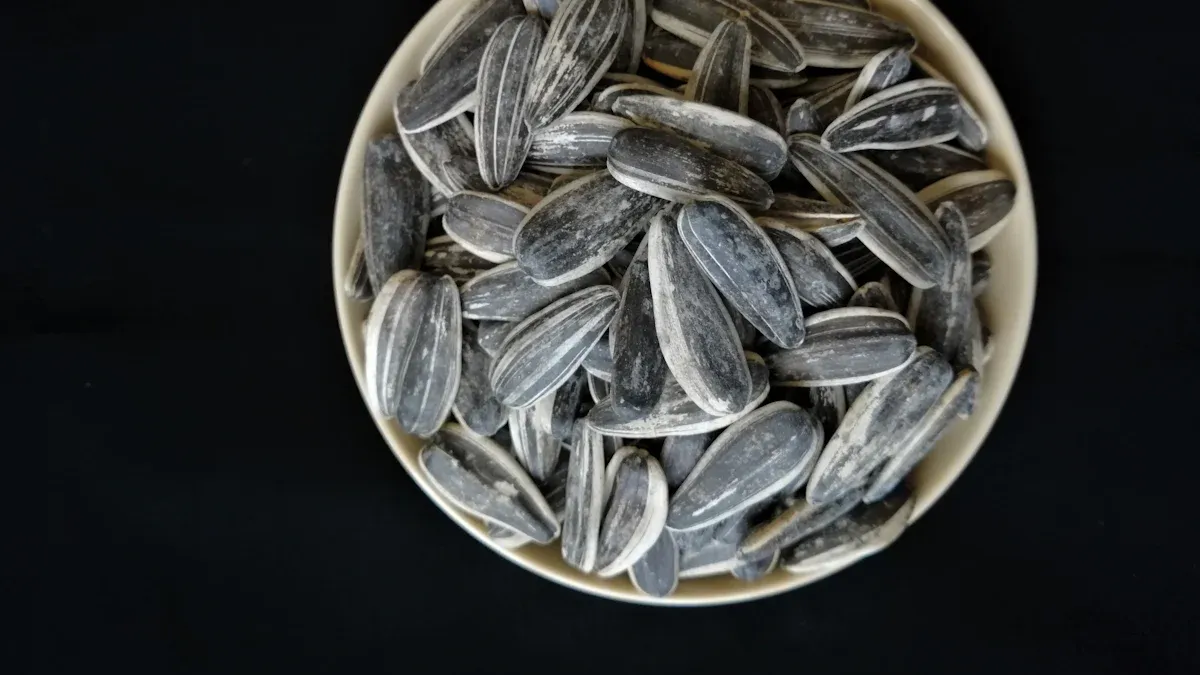
You might see sunflower seeds as a simple snack. Think again! These tiny powerhouses pack a punch. When it comes to Sunflower Seeds Nutrition, they offer an amazing array of benefits. They are a versatile ingredient too. You will discover many health benefits of sunflower seeds. This article explores key facts, amazing uses, and the many benefits these sunflower seeds provide. You will gain a comprehensive understanding of their impact on your health and diet.
Key Takeaways
Sunflower seeds are packed with protein, healthy fats, and fiber. These nutrients give you energy and help you feel full.
These seeds are rich in vitamins like Vitamin E and B vitamins. They also contain important minerals such as magnesium, selenium, and zinc.
Eating sunflower seeds can help your heart. They lower bad cholesterol and support healthy blood pressure.
Sunflower seeds boost your immune system. They also help reduce swelling in your body.
You can easily add sunflower seeds to many foods. Put them in salads, yogurt, or use them in baking.
Sunflower Seeds Nutrition: Key Facts
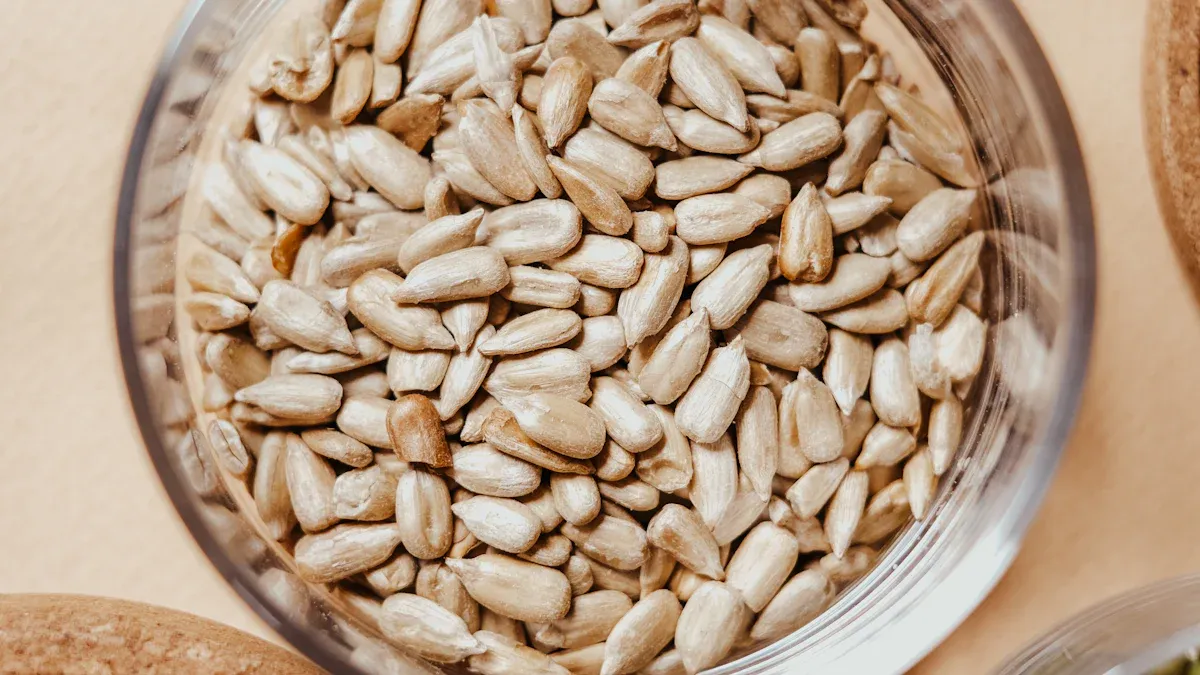
You hold a true powerhouse of energy when you pick up sunflower seeds. These small seeds offer a remarkable array of essential nutrients. Understanding the nutritional value of sunflower seeds helps you appreciate their health benefits. Let’s explore the key facts about sunflower seeds nutrition.
Macronutrients: Protein, Fats, Carbs
Sunflower seeds provide a balanced mix of macronutrients. These are the main components your body needs in large amounts. You get protein, healthy fats, and carbohydrates from these seeds.
When you look at the primary nutritional components of dried sunflower seeds by weight, you find:
Fat: 53.1% (14.4g per 28g serving)
Protein: 21.4% (5.8g per 28g serving)
Carbohydrates: 20.6% (5.6g per 28g serving)
Water: 4.9% (1.3g per 28g serving)
Alcohol: 0% (0g per 28g serving)
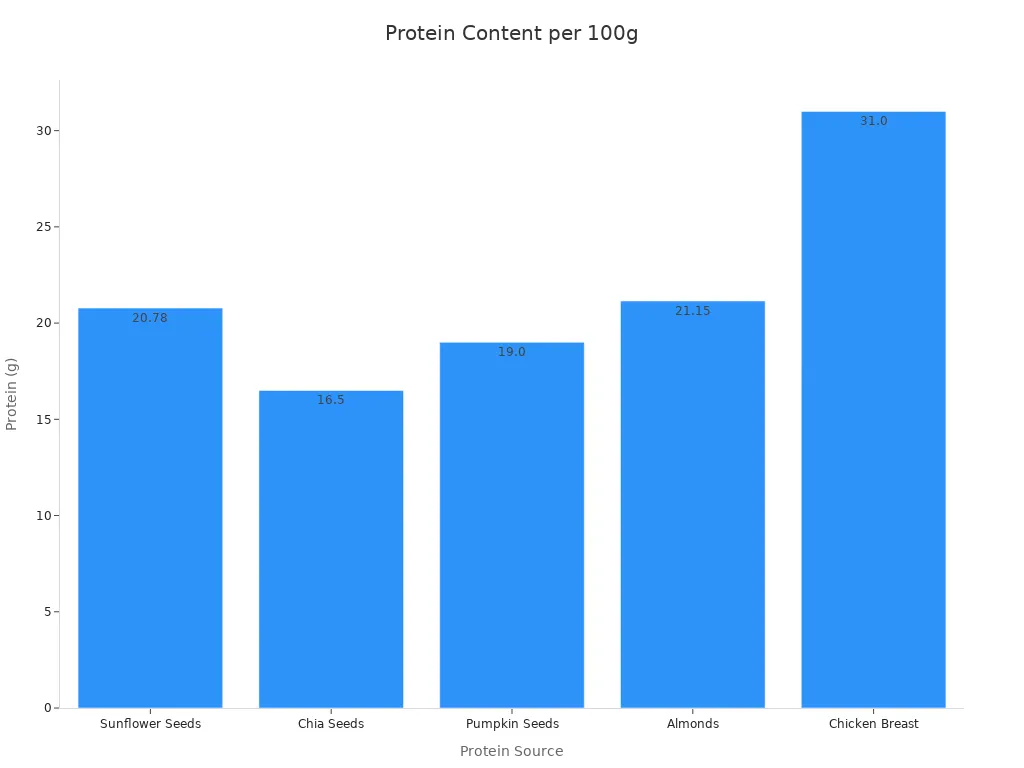
These seeds are a great source of plant-based protein. They contain about 20-21 grams of protein per 100 grams. This makes them comparable to other healthy protein sources.
Protein Source | Protein per 100g |
|---|---|
Sunflower Seeds | 20.78g |
Chia Seeds | 16.5g |
Pumpkin Seeds | 19g |
Almonds | 21.15g |
Chicken Breast | 31g |
The fats in sunflower seeds are mostly healthy unsaturated fats. These include monounsaturated fatty acids (MUFA) and polyunsaturated fatty acids (PUFA). Linoleic acid is a major polyunsaturated fat. Oleic acid is the main monounsaturated fat.
Fatty Acid Type | Percentage Range (%) |
|---|---|
Monounsaturated Fatty Acids (MUFA) | 20.73–25.77 |
Polyunsaturated Fatty Acids (PUFA) | 65.59–69.64 |
Carbohydrates in sunflower seeds provide energy. They also contain dietary fiber, which helps with digestion. This combination of macronutrients gives you sustained energy.
Essential Vitamins: E, B Vitamins, Folate
Sunflower seeds are packed with important vitamins. These vitamins play many roles in your body. You get a significant amount of Vitamin E, B vitamins, and folate from these seeds.
A standard serving (1 ounce or 28.35 grams) of shelled, dry roasted sunflower seeds provides these nutrients per serving:
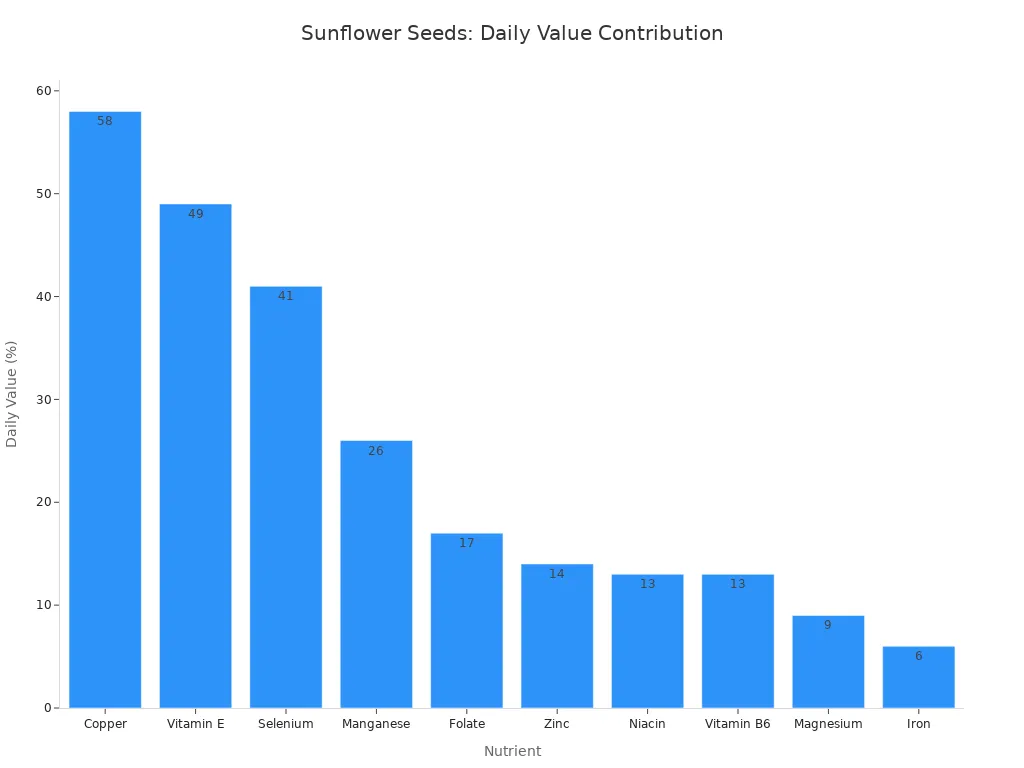
Vitamin E: 49% of the Daily Value (DV)
Niacin: 13% of the DV
Vitamin B6: 13% of the DV
Folate: 17% of the DV
Pantothenic acid: 40% of the DV
Vitamin E is a powerful antioxidant. It protects your cells from damage. B vitamins, like niacin, B6, and pantothenic acid, help your body convert food into energy. Folate is crucial for cell growth and function.
Key Minerals: Magnesium, Selenium, Zinc, Copper, Phosphorus, Calcium
Beyond vitamins, sunflower seeds offer a wealth of minerals. These minerals are vital for many bodily functions. You find magnesium, selenium, zinc, copper, phosphorus, and calcium in these seeds.
Magnesium and selenium are two standout minerals. They contribute greatly to your health.
Mineral | Specific Roles in Human Health | Daily Value (DV) from Sunflower Seeds (1/4 cup) |
|---|---|---|
Magnesium | Supports muscle and nerve function, blood sugar control, and blood pressure regulation. Essential for energy production, bone development, and DNA/RNA synthesis. | 28% |
Selenium | Acts as an antioxidant, protecting cells from damage. Crucial for thyroid hormone metabolism and immune system function. | 35% |
Zinc supports your immune system. Copper helps with iron absorption and energy production. Phosphorus is important for strong bones and teeth. Calcium also contributes to bone health. The nutritional value of sunflower seeds truly shines with this mineral profile.
Antioxidants and Phytochemicals
Sunflower seeds are a rich source of antioxidants and other beneficial plant compounds called phytochemicals. These substances protect your body from harmful free radicals.
The primary antioxidants found in sunflower seeds include:
Tocopherols (Vitamin E): This prevents damage from various oxidizing agents in your body.
L-ascorbic acid
Carotenoids
Flavonoids: These include heliannone, quercetin, kaempferol, luteolin, and apigenin.
Phenolic acids: These include caffeic acid, chlorogenic acid, gallic acid, and ferulic acid.
Isoflavones: These stop bad cholesterol from oxidizing.
Antioxidant enzymes: These include catalase and glutathione reductase.
These compounds work together to reduce inflammation and protect your cells.
Sunflower seeds also contain phytosterols. These plant compounds are similar to cholesterol. Phytosterols in sunflower seeds help lower bad cholesterol levels. They do this by reducing how much cholesterol your intestines absorb. They compete with cholesterol for absorption. This means less cholesterol enters your bloodstream.
Food Source | Phytosterol Content (mg/100 mL or g) |
|---|---|
Corn oil | 909 (mL) |
Sunflower oil | 411 (mL) |
Soybean oil | 320 (mL) |
Olive oil | 300 (mL) |
Almonds | 183 (g) |
Wheat germ | 344 (g) |
Wheat bran | 200 (g) |
Passion fruit | 44 (g) |
Orange | 24 (g) |
Cauliflower | 40 (g) |
This high nutritional value makes sunflower seeds a smart choice for your diet. You gain many benefits from their diverse nutrition.
Amazing Health Benefits of Sunflower Seeds
You gain many advantages when you add sunflower seeds to your diet. These tiny seeds offer a wide range of health benefits. They support various bodily functions. You can improve your overall well-being with these simple additions.
Heart Health and Cholesterol
Sunflower seeds are a true heart-healthy food. They offer significant cardioprotective effects. You protect your heart in several ways when you eat them.
Healthy Fats: Sunflower seeds contain monounsaturated oleic acid and polyunsaturated linoleic acid. These healthy unsaturated fats help lower your LDL (bad cholesterol) and triglycerides. They also maintain your HDL (good cholesterol). This improves your lipid profiles.
Vitamin E: This powerful antioxidant is crucial for your cardiovascular health. It neutralizes free radicals. These free radicals can damage fat-containing structures like cholesterol. This damage can lead to artery blockage, stroke, or heart attack. A quarter cup of sunflower seeds gives you 90% of your recommended daily allowance for Vitamin E.
Magnesium: This mineral helps lower your blood pressure. It keeps your blood vessels calm. It prevents calcium from seeping into nerve cells. Studies show magnesium can reduce your risk of heart attack and stroke.
Phytosterols: These plant compounds help lower LDL cholesterol levels. They reduce the risk of plaque buildup and atherosclerosis. They block cholesterol absorption in your intestines.
Folate: This vitamin is essential for removing homocysteine from your blood. High homocysteine levels link to heart disease. Folate also helps form healthy red blood cells.
Potassium: This mineral works against the effects of sodium on your blood pressure. It supports your overall cardiovascular function.
Polyphenols: These anti-inflammatory compounds fight inflammation throughout your body. They protect your blood vessels and heart tissue.
These components work together. They provide strong cardioprotective effects. They reduce inflammation and protect your biomolecular components. This lowers your risk of cardiovascular diseases.
Immune System Boost and Inflammation
Sunflower seeds significantly boost your immunity. They also helps reduce inflammation. You strengthen your body’s defenses with these seeds.
Zinc: This mineral is crucial for your immune cells. It helps them develop and function. These include neutrophils and T-lymphocytes. A zinc deficiency can make you more likely to get infections. Zinc also regulates your immune response. It supports T-cell development. It aids in cytokine production. It directly fights infections and stops viruses from multiplying.
Selenium: This trace mineral helps reduce inflammation. It produces proteins that protect your immune system from stress and infections. Selenium plays a critical role in your immune cells, like T-cells and macrophages. These cells are essential for defending against infections. Selenium also enhances immune cell activity. It supports glutathione peroxidase production. This protects your cells from oxidative damage.
Vitamin E: This potent antioxidant shields your cells from oxidative stress. Oxidative stress contributes to inflammation. Vitamin E neutralizes free radicals. This reduces oxidative damage that can trigger inflammatory responses.
Magnesium: This mineral is vital for controlling immune responses. It decreases oxidative stress. Both of these contribute to inflammation regulation. Low magnesium levels link to chronic inflammation.
Omega-6 Fatty Acids: These are important for your body’s inflammatory response. When you eat them in moderation and balance them with omega-3 fats, they help regulate inflammation.
A 28-gram serving of sunflower seeds gives you 32% of the recommended daily value for Selenium. It is also a rich source of Zinc. These sunflower seeds benefits for immunity are clear.
Weight Management and Satiety
You can manage your weight better with sunflower seeds. They help you feel full.
Fiber: A 1-ounce (28g) serving of sunflower seeds contains 3g of fiber. This fiber slows down your digestion. It adds bulk to your meals. This helps you feel full longer. One-fourth of a cup of sunflower seed kernels contains 3.9g of fiber. This fiber aids in satiety. It helps you feel full. Studies show people who eat high-fiber diets tend to maintain healthier weights.
Protein: Along with fiber, the protein in sunflower seeds helps control your appetite. It stabilizes your blood sugar levels. This combination reduces cravings. It prevents overeating. This supports your weight management goals.
Health experts agree that sunflower seeds can be part of a weight management plan. Their high fiber and protein content promote satiety. When you eat them in moderation, they give you nutrients without too many calories. This helps curb hunger and reduces overeating.
Skin Health and Anti-Aging
Sunflower seeds offer amazing benefits for your skin. They help you maintain a youthful appearance.
Vitamin E: This powerful antioxidant protects your skin from oxidative damage. It slows aging. It prevents premature wrinkles. It reduces inflammation and redness. It neutralizes UV rays and environmental pollutants.
Zinc: This mineral is crucial for skin repair and regeneration. It helps wounds heal. It reduces acne breakouts. It manages scarring. It supports your immune system to fight infections and inflammation.
Selenium: This powerful antioxidant works with Vitamin E. It protects against oxidative stress. It prevents skin aging and sun damage. It supports skin elasticity. It reduces fine lines and wrinkles.
Magnesium: This mineral maintains your skin hydration. It improves texture by enhancing your natural barrier. It supports collagen and elastin production for smoother skin tone. It relaxes muscles to reduce tension lines. It promotes blood circulation for radiance.
B Vitamins: These vitamins support your hair and skin vitality.
You get a natural boost for healthy, glowing skin from these seeds.
Brain Function and Mood
Sunflower seeds can improve your brain function and mood. They contain important nutrients for your mental well-being.
Magnesium: This mineral helps regulate your nervous system. It lessens anxiety symptoms. It helps regulate levels of calcium, potassium, and sodium in your body. Magnesium is often called the “relaxation mineral.”
Tryptophan: This essential amino acid is a precursor to serotonin. Serotonin is a neurotransmitter. It is crucial for regulating your mood, sleep, and appetite. Eating foods high in tryptophan, like sunflower seeds, can increase serotonin levels in your brain. This can improve your mood. It can reduce symptoms of anxiety and depression. Snacking on seeds can increase the tryptophan-to-total protein ratio. This maximizes mood-elevating effects.
Zinc and Selenium: These minerals support proper brain function. They help ward off depression.
A small handful of nuts or seeds daily can significantly boost your mental health.
Blood Sugar Control
Sunflower seeds are a diabetes friendly food. They help you manage your blood sugar levels.
Low Glycemic Index (GI): The glycemic index of sunflower seeds is about 20. This is very low. Foods with a low GI are slowly digested and absorbed. This leads to gradual increases in blood sugar. It prevents sharp spikes. Their glycemic load (GL) is also low. This means they have little effect on blood glucose even in larger portions.
Fiber and Protein: These components slow down your digestion. This helps maintain stable blood sugar levels. It prevents spikes.
Healthy Fats: The healthy fats in sunflower seeds also help stabilize your blood sugar levels.
Studies show that adding sunflower seeds to bread can reduce the impact of carbohydrates on blood sugar. Their fiber, healthy fats, and vital nutrients offer a natural way to enhance diabetes management.
Bone Health Support
You can support your bone health with sunflower seeds. They provide key minerals for strong bones.
Magnesium: This mineral is crucial for proper bone formation. It regulates calcium levels. It strengthens your bone matrix. This enhances bone density. It reduces your fracture risk. It also supports muscle function around your bones for stability.
Copper: This mineral is essential for collagen formation. Collagen gives flexibility to your bones. It prevents brittleness. Copper also helps with calcium absorption. It maintains bone mineral density.
Selenium: Though you need it in small amounts, selenium contributes to bone health. It boosts antioxidant activity. It supports thyroid function. This indirectly impacts bone metabolism. It also protects your bone tissue from cellular damage.
These minerals work together. They help you maintain strong and healthy bones.
Thyroid Health
Sunflower seeds also support your thyroid health. This is mainly due to their selenium content. Selenium plays a vital role in thyroid hormone metabolism. It helps your thyroid gland function properly. A healthy thyroid is essential for your metabolism and overall well-being. You support this important gland when you include sunflower seeds in your diet.
Potential Downsides and Smart Consumption
While sunflower seeds offer many benefits, you should also know about potential downsides. Smart consumption helps you enjoy them safely. You can avoid these issues with a little awareness.
Calorie Density and Portion Control
You might find sunflower seeds delicious, but they are calorie-dense. A standard 1-ounce (28g) serving contains approximately 160 calories. This amount is about a quarter cup. Some sources show this serving size can reach 186 calories. You need to watch your portion sizes carefully.
Serving Size | Measurement |
|---|---|
Standard Serving | 1 ounce (oz) |
Standard Serving | 1/4 cup |
Tip: Measure your servings. This helps you manage your calorie intake.
Cadmium Content Concerns
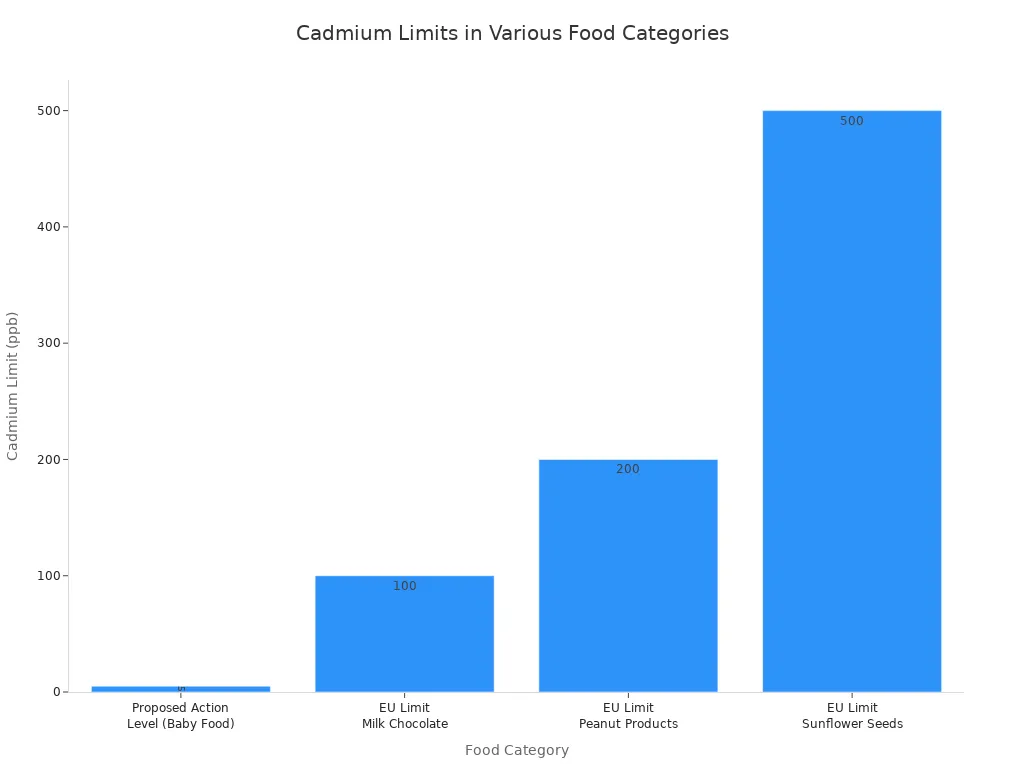
You might hear about cadmium in sunflower seeds. Cadmium is a heavy metal. Plants absorb it from the soil. The U.S. has no federal limit for cadmium in most foods. However, the EU set a limit of 500 ppb for sunflower seeds in 2023. Some tests show levels can vary. ConsumerLab found some brands had just under 3 mcg per 30-gram serving. Others had higher amounts, from 4.8 mcg to 19.5 mcg.
Allergy and Digestive Issues
You could have an allergy to sunflower seeds. Symptoms range from mild to severe. They include hives, itching, or redness on your skin. You might also experience nausea, vomiting, or stomach cramps. Some people have respiratory issues like sneezing or difficulty breathing. In severe cases, anaphylaxis can occur. You might also react to other seeds like sesame or flax if you are allergic to sunflower seeds.
Sodium in Processed Varieties
You should check the label for sodium content. Raw sunflower seeds contain very little sodium, about 2.5 mg per serving. However, many processed varieties add a lot of salt. This increases their sodium content significantly. You should choose unsalted or lightly salted options. This helps you control your sodium intake.
Rare Risk of Stool Blockages
You should avoid eating the shells of sunflower seeds. Eating large amounts of shells can rarely cause stool blockages. This is a rare but possible issue. You should always choose shelled sunflower seeds for snacking.
Amazing Uses: Incorporating Sunflower Seeds
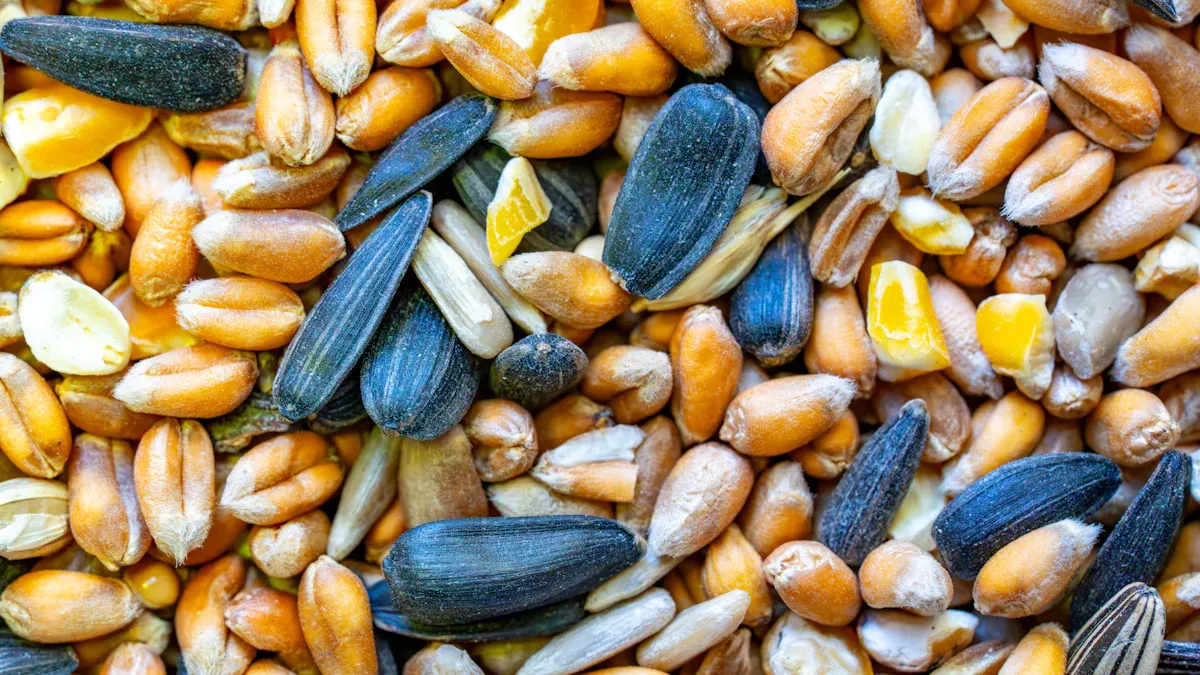
You can easily add sunflower seeds to your daily meals. These versatile seeds fit into many dishes. You will find many ways to enjoy their flavor and nutrients.
Snacking and Trail Mixes
You can eat sunflower seeds straight from the bag. They make a quick and healthy snack. You can also add them to your homemade trail mix. Combine them with dried fruits, nuts, and other seeds. This gives you energy on the go.
Salads and Soups Enhancements
Sunflower seeds add a great crunch to salads and soups. You can make a Sunflower Seed Tabbouleh Salad. Use pulsed raw sunflower kernels instead of bulgur for a gluten-free option. Try them in a Crunchy Kale Salad with pumpkin seeds. They bring a nutty flavor and texture. Other ideas include Spinach & Cranberry Summer Salad or Sunflower Cabbage Salad. These are great ways to eat sunflower seeds.
Baking and Granola
You can bake with sunflower seeds. They are perfect for homemade granola bars. Many recipes use them. For example, Alton Brown’s Granola Bars include oats, sunflower seeds, and almonds. You can also make SunButter Granola Bars. These often feature oats, puffed rice cereal, and sunflower seeds. They add a nice texture to your baked goods.
Sunflower Seed Butter
You can make your own sunflower seed butter. It is a great alternative to nut butters. First, you roast hulled sunflower seeds until they are fragrant. Then, you process them in a food processor. The seeds will turn into a thick paste. Keep processing until it becomes creamy and smooth. You can add salt or a little sugar for flavor. Store your homemade butter in the fridge.
Yogurt, Oatmeal, Smoothies
You can sprinkle sunflower seeds on your yogurt. Add them to your morning oatmeal. Blend them into your favorite smoothie. They boost the nutrition and add a pleasant texture.
Creative Culinary Ideas
Think beyond the usual. You can use sunflower seeds in savory dishes. Try a Creamy Vegan Sunflower Seed Pasta Sauce. Soaked sunflower seeds create a smooth, dairy-free base. You can also make Sunflower Seed Crusted Paneer or Tofu. Coat paneer or tofu with ground sunflower seeds and spices. Then pan-fry it for a crispy crust. This shows how to eat sunflower seeds in new and exciting ways.
You now understand the incredible value of sunflower seeds. These tiny seeds are a true powerhouse of nutrition. They offer many benefits for your health. For example, a 1/4 cup serving provides high percentages of your daily Copper, Vitamin E, and Selenium.
You can use them in many ways. Sprinkle them on salads or blend them into smoothies. Incorporate sunflower seeds into your diet. You will support your heart, boost your immunity, and manage blood sugar. You make a smart choice for your well-being.
FAQ
How should you store sunflower seeds?
You should store shelled sunflower seeds in an airtight container. Keep them in your refrigerator or freezer. This prevents them from going rancid. Unshelled seeds last longer at room temperature.
Are hulled or unshelled sunflower seeds better?
Hulled sunflower seeds are more convenient for eating. You can easily add them to recipes. Unshelled seeds require cracking. They offer a fun snack experience. Both provide similar nutritional benefits.
Can children eat sunflower seeds?
Yes, children can eat sunflower seeds. You should offer them shelled seeds. Make sure they are old enough to chew them safely. Avoid whole seeds for very young children due to choking hazards.
How many sunflower seeds should you eat daily?
You can enjoy about 1/4 cup (one ounce) of sunflower seeds daily. This provides many nutrients. It also helps you manage your calorie intake. Remember, they are calorie-dense.