


Theobromine is a natural methylxanthine found primarily in cacao. It shares similarities with caffeine. People often associate theobromine in dark chocolate with improved mood and increased alertness. It also provides a gentle energy boost. The dark chocolate market shows significant growth, with forecasts expecting a CAGR of 7.81% from 2025 to 2033. This growth highlights the increasing interest in theobromine benefits. This blog explores the unique properties of theobromine, its impact on well-being, and its presence in dark chocolate.
Key Takeaways
Theobromine is a natural compound in dark chocolate. It makes you feel good and gives you energy.
Theobromine gives you a steady energy boost. It does not cause the jitters like caffeine.
Dark chocolate has a lot of theobromine. The darker the chocolate, the more theobromine it contains.
Theobromine helps your heart and brain. It also makes your teeth stronger and helps you breathe better.
Eat theobromine in small amounts. Too much can cause side effects like a fast heartbeat.
What is Theobromine

Defining Theobromine
Theobromine is a natural compound. It belongs to a group called methylxanthines. This group also includes caffeine. Scientists classify theobromine as an alkaloid. It is a derivative of purine. It is also an isomer of theophylline. The chemical formula for theobromine is C7H8N4O2. Its IUPAC name is 3,7-dimethyl-1H-purine-2,6-dione. The molar mass of theobromine is 180.167 g·mol−1. This compound gives dark chocolate some of its unique properties. People often associate it with the pleasant feelings they get from eating chocolate. It acts as a mild stimulant in the body. Unlike caffeine, theobromine offers a gentler and more sustained effect. This makes it a unique component in many plant-based foods, contributing to their overall appeal and health benefits. Its presence is a key factor in the distinct experience of consuming chocolate.
Theobromine in Cacao
Cacao beans are the primary source of this compound. Different processing stages affect its concentration. Raw beans contain a significant amount of this compound. Drying and roasting can slightly reduce its levels. However, making a 100% chocolate bar often concentrates it. This means the final product has even more of this beneficial compound. The presence of theobromine is a key reason why many people enjoy chocolate. It contributes to the distinct taste and effects of chocolate products. Its concentration varies depending on the type of cacao and how manufacturers prepare it. This natural variation means different chocolate products offer different levels of theobromine. For example, a very dark chocolate bar will typically contain more of this compound than a milk chocolate bar.
Here is how theobromine concentration changes during processing:
Processing Stage | Theobromine Concentration (ng) |
|---|---|
Raw Cacao | 420.74 +/- 22.15 |
Dried Cacao | 401.96 +/- 27.46 |
Roasted Cacao | 371.37 +/- 25.66 |
100% Cacao Chocolate Bar | 739.93 +/- 12.80 |
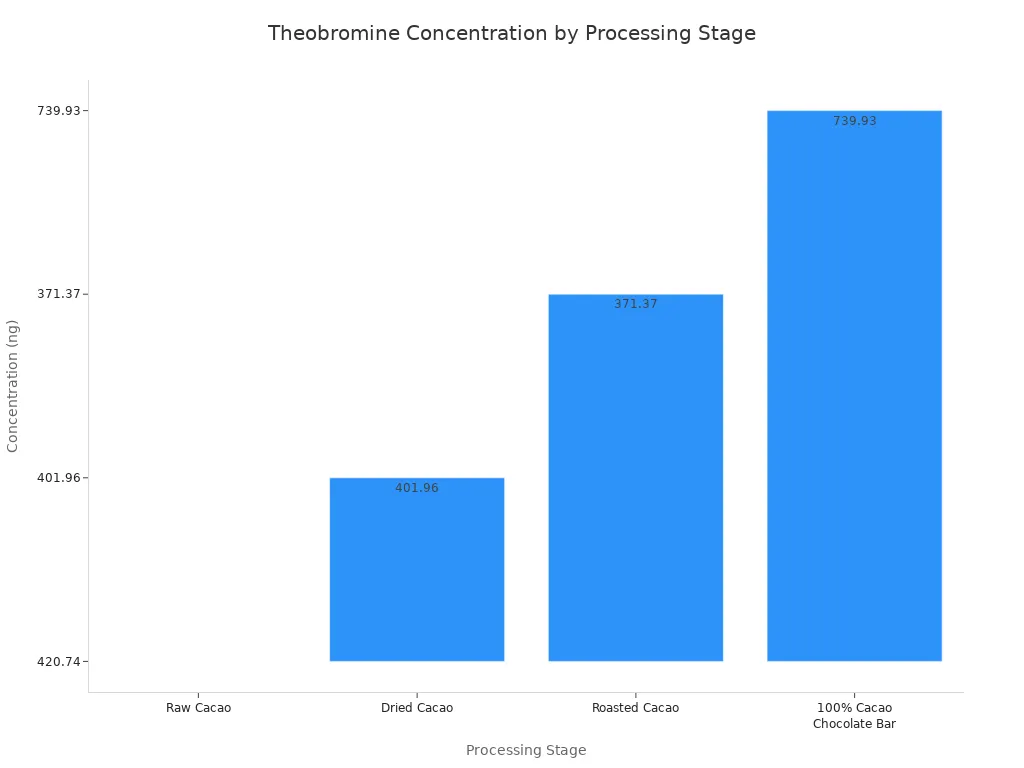
This chart shows how the concentration of theobromine changes. A 100% cacao chocolate bar has the highest concentration. This makes dark chocolate a rich source of this compound.
Theobromine and Mood
Theobromine plays a significant role in how people feel. This natural compound contributes to the pleasant sensations many associate with chocolate. It offers unique benefits for emotional well-being.
Enhancing Positive Feelings
Theobromine acts as a gentle stimulant. It helps uplift spirits without causing overstimulation. People often report feelings of contentment and mild euphoria after consuming foods rich in this compound. This makes it a popular ingredient in comfort foods. The presence of theobromine contributes to chocolate’s reputation as a mood-enhancing compound. It helps create a sense of well-being. This positive influence on feelings makes chocolate a go-to treat for many.
Reducing Stress
Theobromine also helps calm the mind. It can reduce feelings of stress and anxiety. Unlike stronger stimulants, its effects are subtle and soothing. This calming action helps people relax. It can ease tension without causing drowsiness. Many find that consuming dark chocolate, rich in theobromine, provides a gentle way to unwind. This contributes to an overall sense of peace.
Neurotransmitter Effects
Scientists have studied how theobromine affects the brain. It influences brain chemicals called neurotransmitters. These chemicals control mood and emotions. Experimental findings show that theobromine regulates the activity of specific neurotransmitter receptors. These are adenosine receptors. Scientists link adenosine receptors to states of depression and anxiety. By modulating these receptors, theobromine can help balance emotional states.
Furthermore, theobromine protects brain function. It does this by regulating neurotransmitter signaling. This broad influence on brain communication directly impacts mood-boosting effects. It helps maintain stable emotional responses. This interaction with brain chemistry explains many of the positive feelings people experience. Theobromine helps the brain manage stress and promote positive emotions.
Theobromine for Energy
Theobromine offers a unique way to boost energy. It provides a gentle lift. This lift differs from the intense rush some other stimulants give. People often find it helps them feel more awake and active.
Sustained Energy
Theobromine delivers a steady release of energy. It does not cause a sudden spike followed by a crash. This sustained effect helps people maintain their activity levels for longer periods. For example, special formulations like TheoShot™ change how the body absorbs theobromine. These formulations prolong the time it takes for theobromine to reach its highest level in the blood. They also reduce the intensity of that peak. This creates a smoother, longer-lasting effect.
Scientists have also found ways to improve theobromine’s benefits. Theobromine gallate is one example. This compound combines theobromine with gallic acid. This combination makes theobromine dissolve better in water, like the fluids in the stomach. Better solubility means the body absorbs more theobromine. This leads to superior bioavailability. More of the compound gets into the bloodstream and works effectively. This improved absorption helps provide a consistent and sustained release of energy.
Mental Alertness
Theobromine can increase alertness without causing jitters. Many people experience a calm, clear-headed feeling. This differs from the overstimulation some other compounds cause. Theobromine is a mild stimulant found in cacao. It can increase energy levels and promote a sense of alertness without the jittery effects often associated with caffeine.
Here is how theobromine and caffeine compare:
Feature | Theobromine | Caffeine |
|---|---|---|
Methyl Group | Lacks an extra methyl group | Possesses an extra methyl group |
Brain Penetration | Limited | Easy |
Primary Effect | Smooth-muscle relaxant, cardiovascular stimulation | Central nervous system stimulation |
Resulting Sensation | Body relaxation with mental clarity, alert calmness | Overstimulation, jittery energy |
Blood Vessels | Opens blood vessels, improves circulation | N/A |
Oxygen Delivery | Increases to tissues | N/A |
Absorption | Slowed by beneficial fats in cacao | Faster absorption |
Energy Profile | Gradual increase, sustained alertness | Sudden spike and crash |
Bioactive Compounds | Modulated by over 100 compounds in cacao | Less modulated by other compounds |
Theobromine has limited ability to enter the brain. This is because it lacks an extra methyl group. This leads to body relaxation and mental clarity. It does not cause jittery energy. Theobromine mainly relaxes smooth muscles. It also stimulates the cardiovascular system more than the nervous system. It opens blood vessels. This improves circulation. It also increases oxygen delivery to tissues. These actions contribute to sustained alertness. The beneficial fats in cacao also slow down the absorption of stimulants. This results in a gradual energy increase and sustained alertness. It prevents sudden spikes or crashes. Cacao contains over 100 bioactive compounds. These compounds work together. They create an ‘entourage effect’. This effect balances the impact of stimulants. It leads to a more balanced energy experience.
Improved Focus
The sustained alertness from theobromine also helps improve focus. People find it easier to concentrate on tasks. The calm mental state allows for better attention. This can enhance overall mental performance. It helps individuals stay on task without distractions. This makes theobromine a valuable compound for those seeking a clear and steady mind.
Theobromine vs. Caffeine
Theobromine and caffeine are both natural stimulants. They belong to the same chemical family. However, they affect the body in different ways. Understanding these differences helps explain their unique benefits.
Stimulant Mechanisms
Both theobromine and caffeine act as stimulants. They share similar effects in the body. For example, both compounds can block adenosine receptors. Adenosine is a chemical that makes you feel sleepy. By blocking it, these compounds help you stay awake. They also affect phosphodiesterase inhibition. This action can increase certain signaling molecules in cells. However, theobromine is much gentler than caffeine. It does not cause the same jittery feeling. Caffeine alone can lead to nervousness and a sudden energy drop. Theobromine provides a smoother experience.
Milder, Longer Effects
Theobromine offers a milder and more sustained energy boost. It does not cause a sudden rush or a “crash.” This is partly due to how long it stays in the body. Caffeine has an average half-life of about 5 hours. This means half of the caffeine leaves your system in that time. Theobromine, however, has a longer average half-life of 7 hours. This longer duration means its effects last longer. It provides a steady feeling of alertness without overstimulation.
Substance | Average Half-Life (hours) |
|---|---|
Caffeine | 5 |
Theobromine | 7 |
This table shows the difference in how long each compound stays active. Theobromine’s longer presence contributes to its sustained effects.
Combined Effects in Dark Chocolate
Dark chocolate contains both theobromine and caffeine. These compounds work together. They create a balanced effect. Caffeine provides a quick boost of alertness. Theobromine offers prolonged mental clarity and relaxation. This combination results in a smoother energy profile. It avoids the sudden energy spikes often seen with coffee. Caffeine also slows down the breakdown of theobromine. This can extend theobromine’s effects even further.
Research shows that this combination is powerful. A study found that theobromine, caffeine, and flavanols together improved blood vessel function. This suggests a synergistic effect. The methylxanthines enhance the heart benefits of cocoa flavanols. Specific ratios of theobromine to caffeine, like 2:1, can also improve thinking skills. This ratio helps with memory and attention. It does this without increasing anxiety. This balanced interaction makes dark chocolate a unique source of gentle stimulation.
Exploring Theobromine Benefits
Theobromine offers several notable health benefits beyond mood and energy. People recognize its positive effects on various body systems. These broader theobromine benefits contribute to overall well-being.
Heart Health Support
Theobromine plays a role in cardiovascular health. A study examined daily intake of 500 mg of theobromine for four weeks. It found no impact on fasting or postprandial vascular function markers like FMD, RHI, and PWV. However, the study did show an increase in brachial arterial diameters. It also caused a decrease in the augmentation index (AIx) after meals. Researchers concluded that theobromine alone does not fully explain cocoa’s proposed cardioprotective effects. It did not improve endothelial function or affect blood pressure in this study.
Boosting Blood Flow
Theobromine helps improve blood flow throughout the body. It achieves this through specific actions:
Theobromine stops phosphodiesterase (PDE) enzymes, especially PDE4. This action prevents cyclic AMP (cAMP) from breaking down. Higher cAMP levels can boost cardiac output, which improves blood flow.
Theobromine affects calcium movement in cells. It increases calcium ion release from muscle cells. This makes muscles contract better. Stronger heart contractions lead to better blood flow, particularly in the heart.
Cognitive Function
Theobromine can enhance brain function. Research shows it improves attention and working memory. One study used an animal model for ADHD. It found that regular theobromine use significantly reduced ADHD-like behaviors. This improvement happened because theobromine adjusted brain chemicals like dopamine and BDNF levels in the prefrontal cortex.
Respiratory Health
Theobromine also supports the respiratory system. It acts as a bronchodilator. This means it helps open airways.
Theobromine stops phosphodiesterase, which increases cyclic AMP inside cells. This causes airways to relax.
It has mild anti-inflammatory effects. It can also make the cough reflex less sensitive.
Historically, people used theobromine for conditions like bronchitis and asthma. It relaxes smooth muscles in the airways.
A study in Thorax found theobromine suppresses cough better than codeine.
It blocks adenosine receptors, relaxing smooth muscles in the respiratory tract. This reduces airway resistance and increases airflow.
Healthy Teeth
Theobromine contributes to strong, healthy teeth. It helps prevent cavities.
Theobromine toothpaste controls S. mutans bacteria in saliva better than fluoride toothpaste. This shows its role in preventing tooth decay.
After four weeks, theobromine toothpaste improved salivary pH and buffering capacity. It also reduced S. mutans counts.
Theobromine stops bacteria from making acid. This raises salivary pH and disrupts acid tolerance of cavity-causing bacteria.
It strengthens tooth enamel. It makes enamel more resistant to acid attacks.
Theobromine helps form larger, more stable enamel crystals. It also increases enamel’s mineral density.
Diuretic Properties
Theobromine has mild diuretic properties. It increases how much urine the body produces. Its action involves stopping phosphodiesterase enzymes. This raises cyclic adenosine monophosphate (cAMP) levels in cells. This leads to more urine output. Because it is a mild diuretic, combining theobromine with other diuretics can cause problems. These include dehydration and electrolyte imbalances.
Theobromine in Dark Chocolate

Theobromine is a key compound in chocolate. Its presence makes chocolate unique. People often seek out foods rich in this natural stimulant.
Content in Dark Chocolate
Dark chocolate is a primary source of theobromine. The amount depends on the percentage of cacao solids. A higher percentage means more theobromine. For example, a 70% dark chocolate bar contains more of this compound than a 50% bar. This is why many people choose darker varieties for their health benefits. The processing of cacao beans also affects the final concentration. As seen earlier, a 100% cacao chocolate bar has a very high amount. This makes dark chocolate a potent source.
Cacao Nibs and Powder
Cacao nibs are small pieces of roasted, shelled cacao beans. They are a raw form of chocolate. Cacao powder comes from grinding these nibs after removing most of the fat. Both nibs and powder are concentrated sources of theobromine. People often add them to smoothies, oatmeal, or baked goods. They offer a direct way to consume theobromine without added sugars or fats found in many chocolate bars. These forms provide a pure and potent dose.
Other Sources
Theobromine is not only in cacao. Other plant-based foods and beverages also contain it. Tea leaves and the cola nut are examples. Many common drinks also have varying amounts.
Here is a look at theobromine content in some beverages:
Beverage Type | Product Name | Theobromine Content (mg/g) |
|---|---|---|
Cocoa | Milo | 62.10 +/- 5.21 |
Cocoa | Bournvita | 64.80 +/- 6.72 |
Cocoa | Rosevita | 82.80 +/- 4.43 |
Cocoa | Enervita | 80.37 +/- 6.80 |
Coffee | Nescafe | 27.00 +/- 4.31 |
Coffee | Bongo | 14.67 +/- 2.90 |
Coffee | Maxwell House decaffeinated | 23.46 +/- 3.13 |
Tea | Lipton | 12.60 +/- 1.52 |
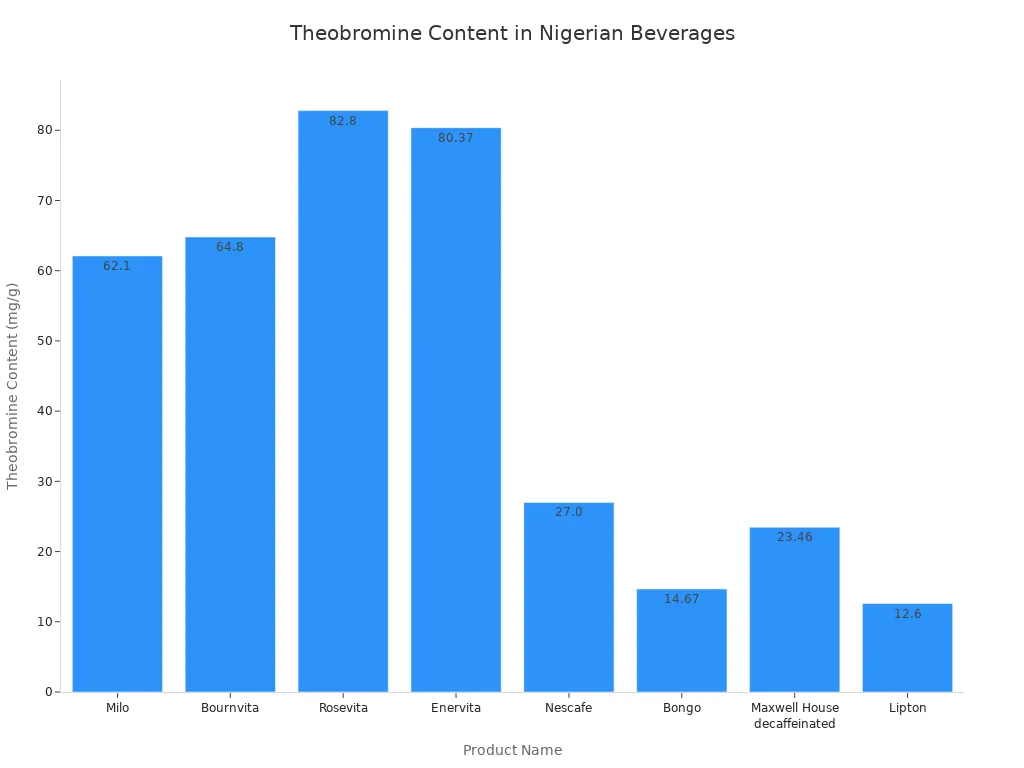
This chart shows that cocoa-based drinks generally have higher levels. Coffee and tea also contain theobromine, but in smaller amounts. This means people can get theobromine from various parts of their diet.
Consumption and Safety
Understanding how much theobromine to consume and its potential effects is important. People should know the right amounts for safety.
Optimal Dosages
There is no official recommended daily dosage for theobromine. However, a daily intake of 300 to 600 milligrams is generally safe for adults. Higher dosages, ranging from 1,000 to 1,500 milligrams per day, are more likely to cause side effects. Even 1,000 mg daily can increase heart rate and worsen anxiety symptoms. People should consume theobromine in moderation.
Potential Side Effects
High doses of theobromine can cause unwanted effects. When people consume between 1,000 to 1,500 milligrams daily, side effects are more likely. As little as 1,000 mg per day can increase heart rate and make anxiety worse. Other possible side effects at high doses include:
Nausea and loss of appetite
Sweating and trembling
Digestive issues and headaches
Disturbed sleep and nervousness
Increased heart rate and palpitations
Restlessness and mood swings
In extreme cases, seizures
Who Should Be Cautious
Certain individuals should be careful with theobromine intake. People with existing heart conditions or anxiety disorders should limit their consumption. High doses can worsen their symptoms. Pregnant or breastfeeding women should also consult a doctor before increasing their intake. Children are generally more sensitive to stimulants. Therefore, they should consume less. Pets, especially dogs, metabolize theobromine very slowly. This makes it toxic for them. Keep chocolate and other theobromine-rich foods away from animals. 🐾
Theobromine offers significant theobromine benefits. It positively influences mood and energy. Its unique cardiovascular and cognitive advantages contribute to overall well-being. Theobromine acts as a milder, longer-lasting stimulant than caffeine, particularly when consumed through dark chocolate. Consider incorporating theobromine-rich foods, like dark chocolate, into your diet in moderation for these health benefits. Always be mindful of individual sensitivities. Theobromine plays a valuable role in a balanced, health-conscious lifestyle.
FAQ
What is the main difference between theobromine and caffeine?
Theobromine offers a milder, longer-lasting energy boost. It does not cause the jitters often associated with caffeine. Caffeine provides a quicker, more intense stimulant effect. Theobromine also has a longer half-life in the body.
What are the primary benefits of consuming theobromine?
Theobromine enhances mood and provides sustained energy. It supports heart health by improving blood flow. It also boosts cognitive function and aids respiratory health. Theobromine even helps strengthen tooth enamel.
What foods are rich in theobromine?
Dark chocolate is the richest source of theobromine. Cacao nibs and cacao powder also contain high amounts. Some teas and coffee products have smaller quantities. Cocoa-based beverages generally offer more theobromine than coffee or tea.
What are the potential side effects of high theobromine intake?
High doses of theobromine can cause side effects. These include nausea, headaches, and increased heart rate. Some people may experience nervousness or disturbed sleep. It is important to consume theobromine in moderation.