

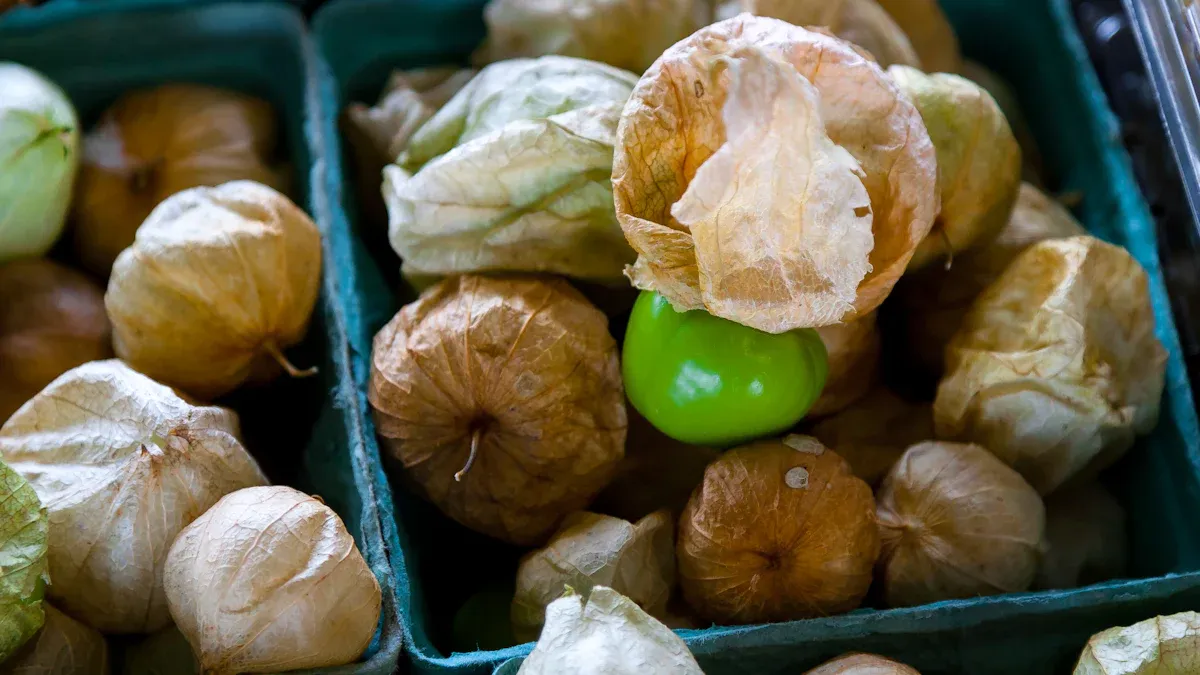
You might spot tomatillo in the produce section wrapped in a papery husk, looking a bit mysterious. This fruit stands out for its tangy flavor and firm texture, making it a staple in Mexican cooking. Tomatillo delivers impressive Nutrition Facts: low calories, almost no fat, and a boost of vitamins A and C. The nutritional value of tomatillo shines if you want a heart-healthy, antioxidant-rich option. Its potassium and fiber support your body while unique antioxidants help protect your eyes.
Key Takeaways
Tomatillos are low in calories and fat, making them a heart-healthy choice packed with vitamins A and C.
These fruits support eye health with nutrients like lutein and zeaxanthin, which may reduce the risk of vision problems.
Tomatillos are rich in potassium and fiber, promoting heart health and aiding in weight management by keeping you full.
Incorporate tomatillos into your meals for a natural immune boost, thanks to their high vitamin C content and antioxidants.
When selecting tomatillos, choose firm, bright green fruits with tight husks for the best flavor and freshness.
Tomatillo Overview
What Is a Tomatillo
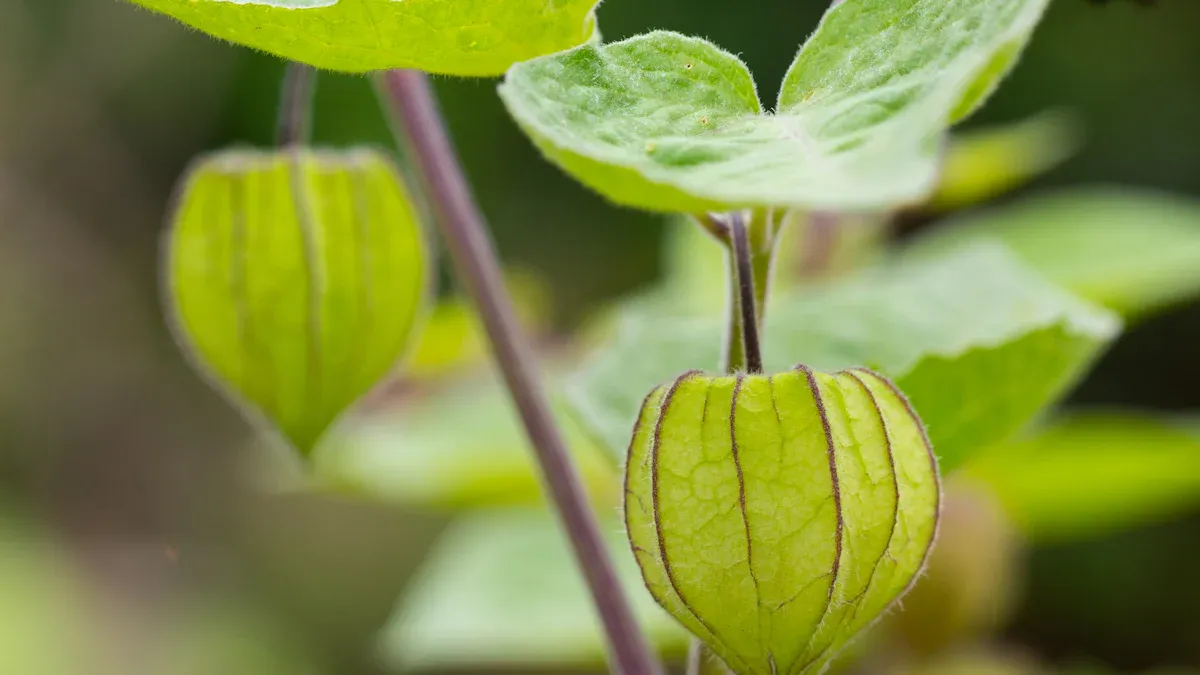
You might wonder what makes a tomatillo unique. This plant grows upright or sometimes spreads along the ground. The stems feel slightly hairy, and the leaves look jagged and oval. You will notice yellow flowers with dark spots at the base. Each fruit hides inside a thin, papery husk that grows from the flower. The berries are usually green, yellow, or purple and measure up to two inches across. Tomatillos thrive in warm climates and do not like frost.
Here’s a quick look at the main features:
Characteristic | Description |
|---|---|
Height | Grows up to 15 to 60 cm (6 to 24 in); usually about 1 meter (3 ft) tall |
Stem | Few hairs, sometimes slightly hairy |
Leaves | Jagged, oval, can be smooth or fuzzy |
Flowers | Five fused petals, yellow with dark spots |
Fruit | Green, yellow, or purple berries, up to 5 cm (2 in) diameter |
Growth Conditions | Frost-sensitive, prefers warm climates |
Tip: The papery husk is a sign you have a fresh tomatillo. Peel it before cooking.
Varieties
You can find several types of tomatillo, each with its own look and flavor. Some taste sweet, while others have a sharper bite. Here’s a table to help you spot the differences:
Variety | Appearance | Taste Description |
|---|---|---|
Tomatillo ‘Verde’ | Common green, sometimes purple | Savory, less sweet, great for savory dishes |
Tomatillo ‘Amarylla’ | Unusual yellow | Sweet, some people notice an aftertaste |
Tomatillo ‘Plaza Latina’ | Large, up to 10cm | Noted for size and ripening time |
Tomatillo ‘Tiny from Coban’ | Tiny, less than 1cm | Unusually savory, needs careful harvesting |
Tomatillo ‘Purple’ | Dark purple skin, 3-4cm | Sharper flavor than green |
Tomatillo vs. Tomato
You may think tomatillos and tomatoes are similar, but they have key differences. Tomatillos pack more niacin and manganese, while tomatoes offer more vitamin A. Both give you vitamin C, vitamin K, and potassium. Tomatillos have moderate fiber, but tomatoes have a bit more.
Nutrient | Tomatillos | Tomatoes |
|---|---|---|
Vitamin C | High | High |
Vitamin A | Low | High |
Vitamin K | High | High |
Niacin | High | Moderate |
Potassium | High | High |
Manganese | High | High |
Dietary Fiber | Moderate | High |
You use tomatillos in salsa verde, soups, stews, and salads. Tomatoes work well fried, pickled, or in casseroles. Tomatillos taste tangy and firm, while tomatoes are sweeter and softer.
Tomatillo Nutrition Facts
When you look at tomatillo nutrition facts, you see a food that is low in calories and rich in nutrients. Tomatillos give you a lot of nutrition without adding much fat or sugar to your diet. If you want to know what makes tomatillos a smart choice, check out the details below.
Macronutrients
Tomatillos have a simple macronutrient profile. You get only 32 calories in every 100 grams. That means you can enjoy them without worrying about extra calories. They have almost no fat and only a small amount of protein. Most of the calories come from carbohydrates, but the sugar content stays low.
Here’s a quick look at the main nutrition facts per 100 grams:
Nutrient | Value per 100g |
|---|---|
Calories | 32 |
Fats | 0.9g |
Carbs | 7g |
Protein | 1g |
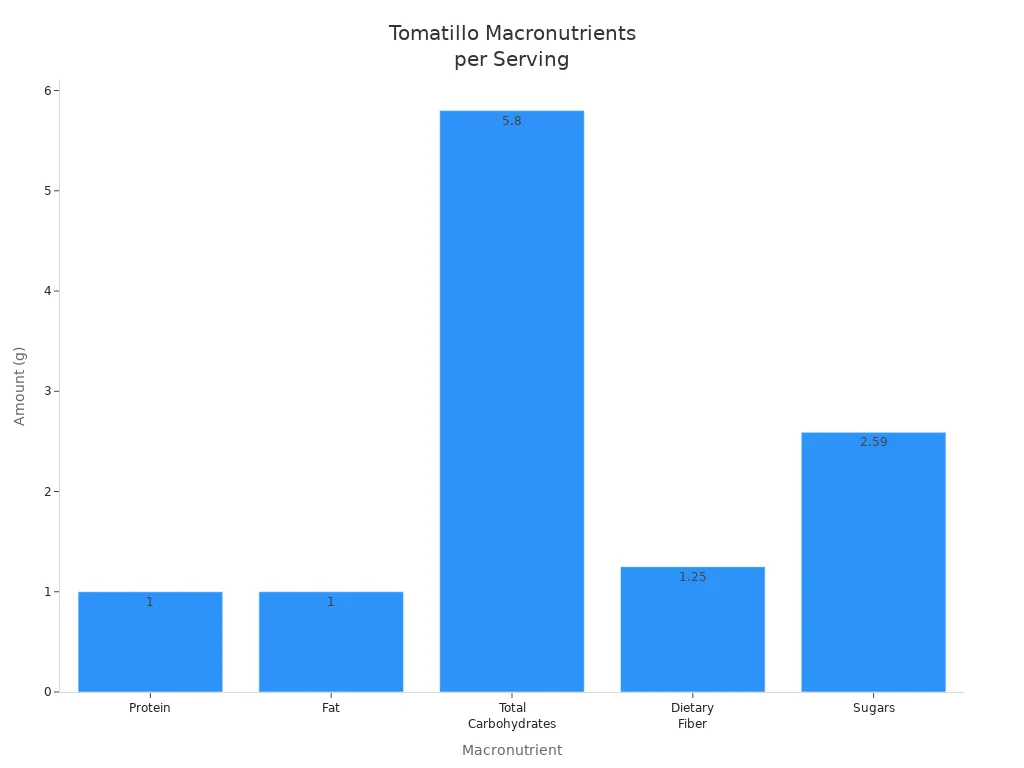
If you eat a half-cup serving (about 66 grams), you get a similar balance. The table below shows the nutritional facts for a typical serving:
Macronutrient | Amount per Serving (0.5 cups / 66g) |
|---|---|
Protein | 1g |
Fat | 1g |
Total Carbohydrates | 5.8g |
Dietary Fiber | 1.25g |
Sugars | 2.59g |
Tip: Tomatillos are low-calorie and low-fat, so you can add them to your meals for flavor without extra guilt.
Vitamins and Minerals
Tomatillos stand out for their vitamin and mineral content. You get a good amount of vitamin C, which helps your immune system. They also provide vitamin K, potassium, niacin, copper, and folate. These nutrients support your body in many ways, from keeping your blood healthy to helping your nerves work well.
Here’s a table with the main vitamins and minerals per 100 grams:
Nutrient | Amount per 100g |
|---|---|
Vitamin C | 19% |
Potassium | 6g |
Niacin | Present |
Copper | Present |
Folate | Present |
Vitamin K | Present |
You can see that tomatillo nutrition facts show a food that is high in vitamin C and potassium. These nutrients help your body stay strong and healthy.
Fiber and Antioxidants
Tomatillos give you a boost of fiber. In every 100 grams, you get about 1.9 grams of dietary fiber. This helps your digestion and keeps you feeling full. The fiber content also supports heart health.
Nutrient | Amount per 100g |
|---|---|
Dietary Fiber | 1.9g |
Tomatillos also offer high-antioxidant nutrition. They contain ascorbic acid (a form of vitamin C) and phenolic compounds. These antioxidants help protect your cells from damage.
Antioxidant Compound | Concentration (mg/g) |
|---|---|
Ascorbic Acid | 0.26 – 0.48 |
Total Phenolic Compounds | 0.54 – 1.2 |
Note: The antioxidants in tomatillos help your body fight off harmful molecules and keep you healthy.
When you look at all these nutrition facts, you see why tomatillos are a smart pick for anyone who wants a food that is rich in nutrients and low in calories. Tomatillo nutrition facts make it easy to see why this fruit fits into a healthy, balanced diet.
Health Benefits of Tomatillos
Tomatillos offer a wide range of health benefits that make them a smart choice for anyone looking to add more fruits and vegetables to their diet. You get a healthy source of key nutrients every time you eat tomatillos. Let’s break down what these benefits look like for your body.
Vision Support
You might want to know what makes tomatillos good for your eyes. These fruits contain vitamin A, lutein, zeaxanthin, and beta-carotene. These nutrients work together to protect your vision and may help reduce the risk of eye problems like macular degeneration and cataracts. Tomatillos also provide vitamin C, iron, and magnesium, which support overall eye health.
Here’s a table showing what you get from a medium tomatillo:
Nutrient | Amount per Medium Tomatillo | Benefit for Vision Health |
|---|---|---|
Vitamin A | Present | Works with antioxidants to protect vision |
Beta-carotenes | Zeaxanthin, Lutein | Potent antioxidants that reduce risk of macular degeneration |
Vitamin C | 4 mg | Supports overall eye health |
Iron | Present | Essential for overall health, indirectly supports vision |
Magnesium | Present | Important for nerve function, including vision |
You get lutein and zeaxanthin, which may boost eye health. Beta-carotene acts as an antioxidant and helps protect your vision. Vitamin A is essential for maintaining eye health and preventing various eye problems.
Heart Health
Tomatillos make a heart-healthy dietary addition. You get potassium, which helps lower blood pressure and improves circulation. The potassium acts as a vasodilator, reducing strain on your cardiovascular system. Tomatillos also contain fiber, which may help lower bad cholesterol levels.
Here’s what you get for your heart:
Potassium supports heart health and helps regulate blood pressure.
Fiber assists in lowering cholesterol and aids in overall health.
Low sodium content helps keep blood pressure in check.
Vitamins A and C act as antioxidants, protecting your cardiovascular system.
Nutrient | Benefit |
|---|---|
Low Sodium | Helps regulate blood pressure |
High Potassium | Supports heart health |
Vitamin A | Acts as an antioxidant |
Vitamin C | Acts as an antioxidant |
Dietary Fiber | Aids in overall health |
You can see why tomatillos are a great choice if you want to support your heart health.
Weight Management
If you’re looking for a low-calorie whole food, tomatillos fit the bill. You get only a few calories per serving, which helps you maintain a calorie deficit. The fiber in tomatillos keeps you feeling full, so you’re less likely to overeat. Tomatillos also provide hydration and plenty of vitamins and minerals, supporting your health while you manage your weight.
Check out this table for the benefits:
Nutritional Aspect | Description |
|---|---|
Low in Calories | Tomatillos are low in calories, aiding in maintaining a calorie deficit. |
High in Fiber | Their fiber content promotes fullness, reducing overeating. |
Nutrient-Rich | Rich in vitamins and minerals, supporting overall health during weight loss. |
Hydrating | High water content aids in hydration, important for metabolic processes. |
You can add tomatillos to salads, salsas, or soups to enjoy their health benefits while keeping your meals light.
Immune Boost
Tomatillos give your immune system a boost. You get vitamin C, which helps your body fight off infections. The antioxidants in tomatillos protect your cells from damage. You also get copper and folate, which support your body’s ability to heal and stay strong. Eating more fruits and vegetables like tomatillos helps you stay healthy year-round.
Tip: Try adding tomatillos to your meals for a natural immune boost.
Cancer Risk Reduction
Tomatillos contain special compounds that may help reduce cancer risk. Researchers found that wild tomatillos have compounds that can combat cancers such as melanoma, thyroid, breast, esophageal, and pancreatic cancer. These compounds, called withanolides, include Ixocarpalactone-A and physagulin C, which show strong anti-cancer properties.
Here are some benefits you get from tomatillos:
Withanolides may help fight cancer cells.
Ixocarpalactone-A and physagulin C are effective against breast cancer and leukemia.
Several compounds in tomatillos show cytotoxic effects against human tumor cell lines.
Physagulin C has potent inhibitory activity on liver cancer cells.
You get these health benefits when you include tomatillos in your diet. Adding more fruits and vegetables like tomatillos can help you reduce cancer risk and support your overall health.
Note: Tomatillos are a powerful addition to your diet if you want to enjoy the health benefits of tomatillos and protect your body from disease.
Culinary Uses
Selection and Storage
When you shop for tomatillo, you want to pick the freshest ones. Look for fruits with a bright green color. They should feel firm when you squeeze them. Avoid any with soft spots. The husk should fit tightly around the fruit and may start to split, showing ripeness. Small to medium tomatillos with greenish-tan husks that are beginning to split taste best. If you see tightly closed or loose husks, skip those-they might be underripe and taste sour.
How do you store tomatillos at home? You have a few options:
Keep tomatillos at room temperature in a paper bag or towel. Choose a cool spot and check freshness often.
Store uncut, unwashed tomatillos in a paper bag in your fridge’s crisper drawer. Use them within a week for top quality.
Want to freeze them? Clean, dry, and chop tomatillos, then place them in freezer bags. Remove extra air and use within 1-3 months.
Tip: Storing tomatillos properly helps preserve their nutrients and flavor.
Preparation Methods
Wondering how to cook tomatillos? You have plenty of choices. You can boil them with garlic and chiles, simmer until soft, or roast them in the oven. Grilling or broiling brings out a smoky flavor. Browning tomatillos on the stovetop works well, too.
Boil with garlic and chiles
Simmer until soft
Roast in the oven
Grill or broil
Brown on the stovetop
Cooking tomatillos changes their nutrition a bit. Fresh tomatillos have more carotenoids like β-carotene and lutein. Cooking lowers these nutrients, but sauces made from fresh vegetables still make a healthy meal.
Recipe Ideas
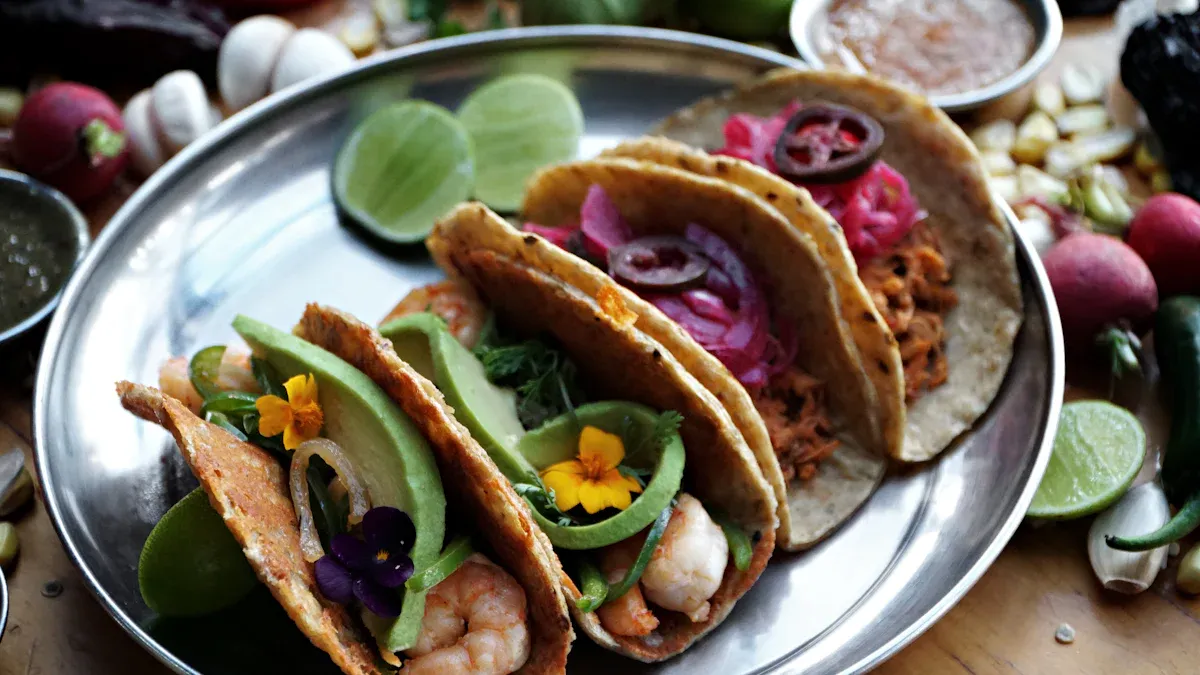
You might ask, what are the most popular uses of tomatillo in recipes? Tomatillos add a tart, bright flavor that balances rich foods. They shine in salsa verde, cutting through the richness of meats and beans. You can use tomatillos raw or cooked in many dishes.
Here are some favorite recipes:
Salsas (like fire roasted tomatillo salsa)
Enchiladas
Slow Cooker Mexican Chicken Tinga
Roasted Corn and Tomatillo Salsa
Huevos Divorciados with creamy tomatillo salsa
Tomatillos are a staple in Mexican cooking. Their unique taste makes them perfect for cocktails, curries, and soups, too.
Side Effects and Precautions
Allergies
You might wonder if tomatillos can cause allergic reactions. Most people eat tomatillos without any problems. Allergies to tomatillo are rare, but they do happen. Sometimes, you may notice a harmless rash after eating tomatillos. This usually comes from the fruit’s acidity and does not mean you have a true allergy.
Allergic reactions to tomatillo are uncommon.
Some people get mild rashes from the acidity.
True allergies can cause more serious symptoms.
A few people have reported strong reactions after eating tomatillo sauce. Symptoms included redness of the lips, swelling of the tongue, and trouble swallowing. Doctors confirmed the allergy with skin testing.
If you feel tingling, swelling, or have trouble breathing after eating tomatillos, you should stop eating them and talk to your doctor. Most reactions are mild, but it’s important to know what to watch for.
Warnings
Tomatillos belong to the nightshade family. You may need to avoid nightshades if you have certain health conditions. Some people with inflammatory bowel disease or autoimmune problems find that nightshades make their symptoms worse. You might notice more pain or swelling if you have arthritis and eat foods like tomatillos.
People with autoimmune conditions may need to avoid nightshades.
Nightshades can trigger symptoms in some with inflammatory bowel disease.
Many with arthritis report increased pain after eating nightshade vegetables.
If you have these health issues, you should check with your doctor before adding tomatillos to your meals. Most people can enjoy tomatillos safely, but knowing what to look out for helps you make smart choices.
Tip: Always wash tomatillos before eating. This removes any residue from the husk and lowers your risk of irritation.
Tomatillos offer many health benefits, but you should stay aware of possible side effects. Knowing what reactions to expect helps you enjoy this tasty fruit with confidence.
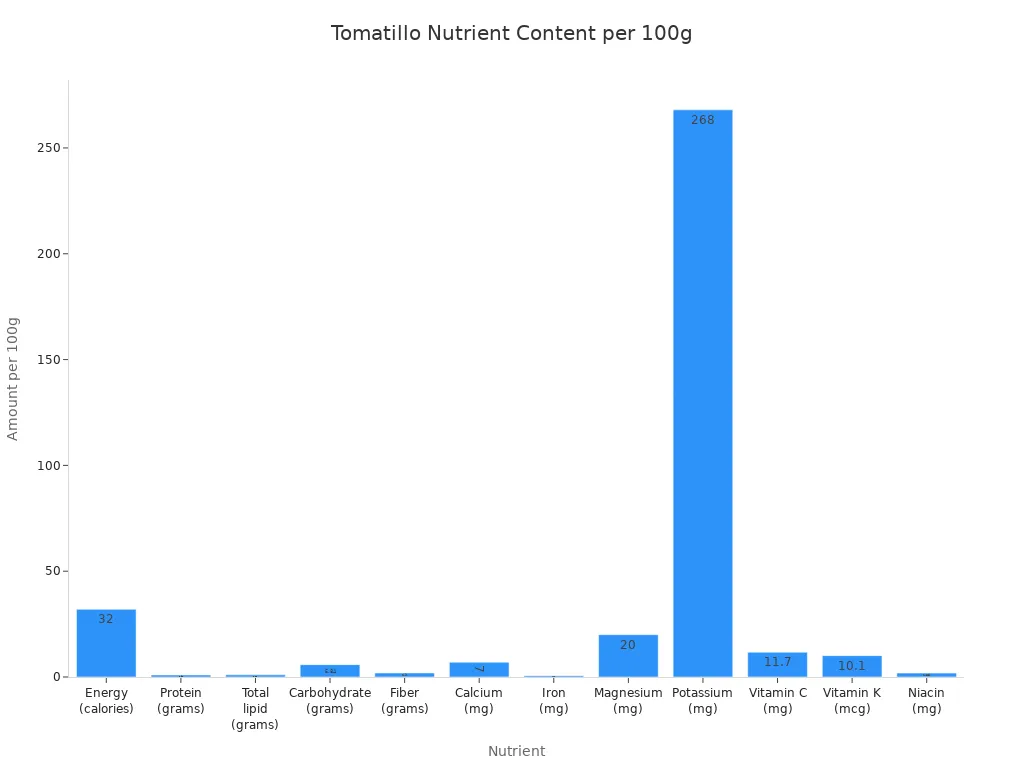
Tomatillos pack a punch with nutrients that help you stay healthy. You get energy, vitamins, and minerals in every bite. Check out what you find in 100 grams:
Nutrient | Amount per 100g |
|---|---|
Energy | 32 calories |
Protein | 0.96 grams |
Total fat | 1.02 grams |
Carbohydrate | 5.84 grams |
Fiber | 1.9 grams |
Calcium | 7 mg |
Iron | 0.62 mg |
Magnesium | 20 mg |
Potassium | 268 mg |
Vitamin C | 11.7 mg |
Vitamin K | 10.1 mcg |
Niacin | 1.85 mg |
You can toss tomatillos into salsa, salads, or soups. They taste tangy and fresh. Here’s what tomatillos do for you:
Support healthy vision
May reduce cancer risk
Aid in weight loss
Help with arthritis
Control blood sugar
Try tomatillos in your next meal. You get flavor and health in one simple fruit!
FAQ
What does a tomatillo taste like?
You get a bright, tangy flavor with a hint of citrus when you bite into a tomatillo. The taste feels fresh and a little tart, not sweet like a tomato. Many people say tomatillos add a zesty kick to dishes.
What can you make with tomatillos?
You can whip up salsa verde, soups, stews, and sauces. Tomatillos also taste great roasted, grilled, or blended into dressings. Try adding them to tacos or salads for a pop of flavor.
What is the best way to prepare tomatillos?
First, peel off the papery husk. Rinse the sticky coating under water. You can chop them raw, roast them for a smoky taste, or boil them until soft. Roasting brings out their natural sweetness.
What nutrients do tomatillos provide?
Tomatillos give you vitamin C, vitamin K, potassium, fiber, and antioxidants. You also get small amounts of niacin, copper, and folate. These nutrients help support your immune system, heart, and digestion.
What should you look for when buying tomatillos?
Pick tomatillos with firm, bright green skin and tight husks. Avoid any with soft spots or yellowing. The husk should split slightly, showing ripeness. Fresh tomatillos feel heavy for their size and look vibrant.