

Three essential amino acids,leucine, isoleucine, and valine,come from foods or powders that supply branched-chain amino acids for recovery. To support training recovery, you want plant proteins that deliver enough of all three, with leucine carrying the most weight for muscle protein synthesis.
You can build that intake with soy foods, lentils, tofu, tempeh, seitan, edamame, quinoa, and nutritional yeast, which makes this topic useful for lifters, athletes, and anyone eating plant-based meals with recovery in mind.
Key Takeaways
- Soy and pea proteins deliver dense branched-chain amino acids in practical portions.
- Leucine matters most because it helps trigger the muscle protein synthesis signal after training.
- Whole foods cover most needs before any powder becomes necessary.
- Seitan, quinoa, oats, lentils, and seeds help fill gaps across mixed meals.
- BCAA supplements make sense mainly for travel, low appetite, or tight workout timing.
BCAAs in plant-based eating and muscle recovery
Leucine, isoleucine, and valine are the three branched-chain amino acids, and your body cannot make them on its own. Food has to supply them, and the amount you get depends on both the protein source and the serving size.
Leucine gets the most attention because it helps start the muscle protein synthesis signal after training. Isoleucine and valine still matter, but a meal low in leucine can weaken the recovery message you want from your food.
The three BCAAs in plain terms
Leucine acts like the starter key, isoleucine supports broader amino acid use, and valine helps round out the set. The three travel together in protein-rich foods, so your meal pattern often matters more than any single ingredient.
Chicken breast and whey get attention in gym talk because they pack a lot of leucine per serving, but vegan eaters can still reach useful intake through smart food choices. That makes plant-based BCAA food sources a practical question, not a theoretical one.
Why plant protein quality changes the picture
Plant proteins differ in digestibility and amino acid profile, and that changes how much food you need to reach the same leucine load. Soy protein scores well on protein quality measures such as PDCAAS and also performs well in practical meal planning.
The bigger point is simple: total protein intake still drives the result, but leucine is the amino acid you watch most closely after a hard session. That is where the next section helps you sort the high-value foods from the filler choices.
Because leucine adds up fastest in certain everyday staples, it helps to know which ones pull the most weight.
The vegan foods that deliver the most BCAAs
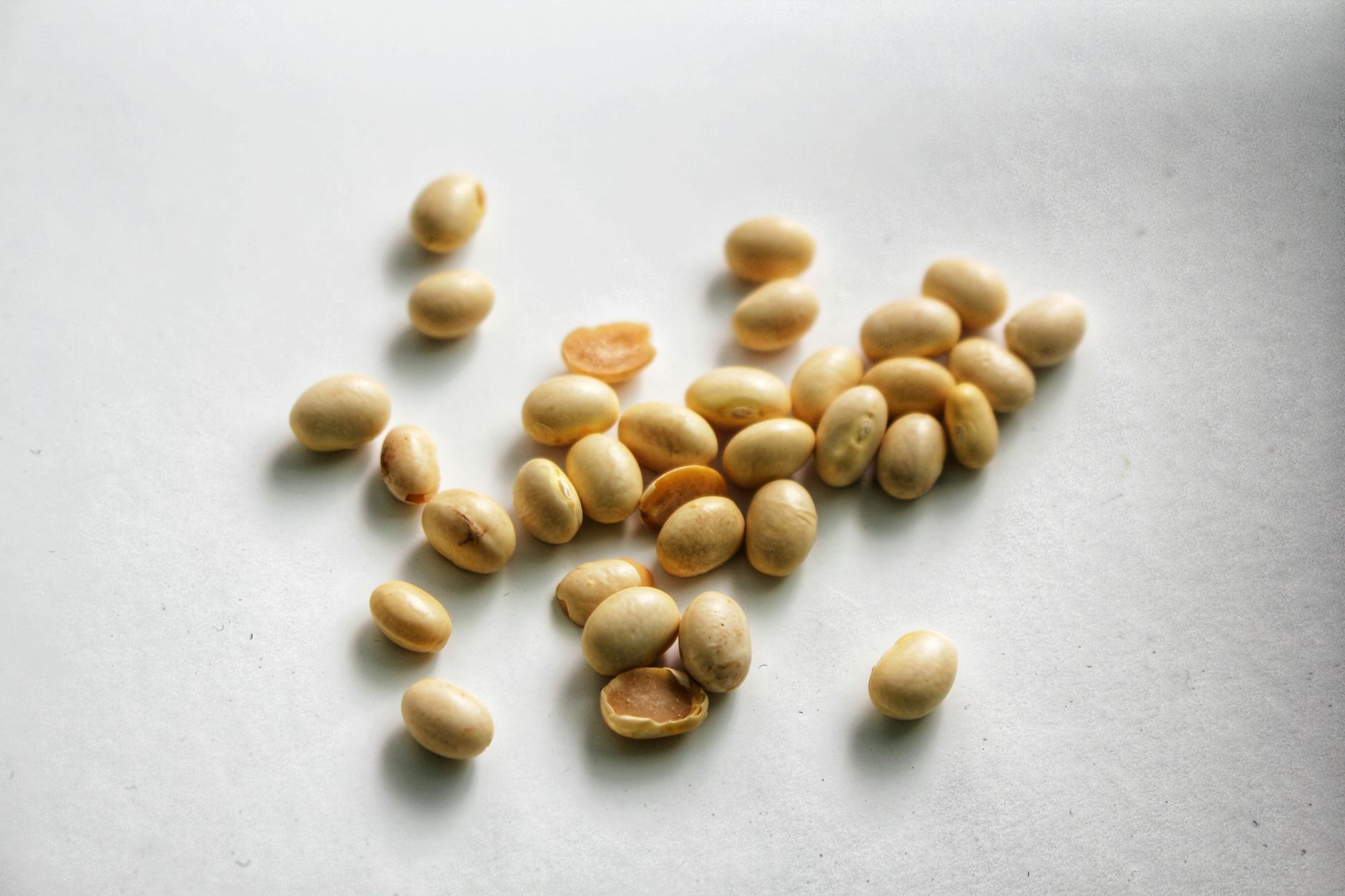
Some vegan BCAA sources give you a lot of protein in a small serving, while others need a bigger portion before the amino acid total climbs. A serving of tofu or tempeh works very differently from a cup of oats, so portion size changes the math.
| Food | Practical serving | Why it stands out |
|---|---|---|
| Soy foods | 1 cup soy milk, 3 to 4 oz tofu, or 1 cup edamame | Dense protein and strong leucine content for the size |
| Pea protein foods | 1 scoop pea protein powder or a pea-rich shake | Easy way to raise BCAA intake around training |
| Tempeh | 3 to 4 oz | Fermented soy with a firm amino acid profile |
| Seitan | 3 to 4 oz | Very high protein, though lower in lysine than soy or legumes |
| Lentils and beans | 1 cup cooked | Useful protein base with steady BCAA intake |
| Quinoa and oats | 1 cup cooked | Helpful support foods that add protein and carbs together |
| Seeds | 2 to 3 tbsp hemp, pumpkin, or chia | Small serving, useful amino acid boost, easy to add to meals |
Soy foods rise to the top because they give you both protein density and a better leucine return per bite. Pea protein sits close behind, especially in smoothie form, which makes it easy to use around workouts or busy mornings.
Seitan is a strong protein source too, but it works best as part of a meal that includes legumes or soy because wheat protein skews low in lysine. Quinoa, oats, and seeds matter more as support foods than as lone stars, yet they still raise the total BCAA count in a day.
Soy foods lead the practical list
Tofu, tempeh, edamame, and soy milk show up again and again because you can use them at breakfast, lunch, or dinner. A tofu scramble, a tempeh bowl, or soy milk in a smoothie gives you a higher leucine hit than most grain-based meals.
Edamame deserves special mention because it works as both a snack and a side. That makes it one of the easiest vegan foods high in BCAAs to place into a normal routine without reworking every meal.
Legumes, seeds, and grains fill the gaps
Lentils, black beans, chickpeas, hemp seeds, pumpkin seeds, nutritional yeast, quinoa, and oats do not need to lead the meal to matter. They build the amino acid pool across the day, which is how vegan diet patterns often cover recovery needs without drama.
A bowl of lentils with quinoa and pumpkin seeds gives you a better leucine profile than quinoa alone. That stacking effect is the quiet trick behind plant-based BCAA food sources, and it leads straight into the foods worth keeping on hand.
Even so, foods differ in how easily they fit a meal, which is why the comparison below matters.
Leucine-rich vegan staples worth prioritizing
A 3 to 4 ounce serving of tofu or tempeh can anchor a meal in a way that oats alone cannot. You get more leucine per calorie, more protein quality, and a simpler route to recovery support after training.
Soy staples that do the heavy lifting
Tofu is the most flexible choice because it works in stir-fries, scrambles, grain bowls, and soups. Tempeh brings a firmer bite and more texture, while soy milk makes breakfast protein easier without requiring a large serving.
Edamame sits in a useful middle ground. It is more portable than tofu, more filling than a drink, and easier to portion than seeds, which helps you hit BCAA targets without counting every gram.
Support players that still matter
Lentils and beans bring steady protein plus fiber, and that combination helps your meals feel complete. Chickpeas fit well in salads or wraps, hemp seeds add quick protein to yogurt alternatives or oatmeal, and pumpkin seeds raise the mineral count along with amino acids.
Nutritional yeast is not a protein heavyweight, but it can add a little extra amino acid support and a savory taste that helps keep meals interesting. That matters because the best vegan BCAA sources are the ones you can repeat day after day.
When protein intake already runs high, isolated BCAAs become less about necessity and more about convenience.
Batch-cooked soybeans, lentils, and grains save time during heavy training weeks. A refrigerator stocked with one cooked protein, one grain, and one seed makes recovery meals much easier to assemble.
Whole foods, isolated BCAAs, and what each one does best
Protein and BCAAs are related, but they are not the same thing. Total protein tells you how much amino acid material you ate, while BCAAs tell you how much of the leucine, isoleucine, and valine cluster came along for the ride.
| Choice | What it gives you | Best use case |
|---|---|---|
| Whole vegan foods | Protein, carbs, fiber, minerals, and BCAAs together | Daily meals and most recovery plans |
| Plant protein powder | Concentrated protein with a better amino acid hit per serving | Easy protein increase in shakes or post-workout drinks |
| Standalone BCAA powder | Leucine, isoleucine, and valine without much else | Short windows, travel, or low appetite situations |
Whole foods win for most people because they bring fiber, energy, and satiety along with amino acids. A shake made from pea protein or soy protein isolate can still be a smart convenience tool, but it works best as part of a high-protein day, not as a substitute for actual meals.
Standalone BCAA products sit in a narrower lane. They may help bridge a long gap around training, yet they do not replace the broader value of complete protein, and they do nothing for total daily intake by themselves.
Food versus powder in real life
A tofu bowl after lifting gives you protein, carbs, and sodium from the meal itself, which can help you feel normal again faster. A BCAA drink gives you amino acids only, so it makes more sense when chewing food is not practical.
That distinction matters most for vegan athletes who already hit enough protein from soy, pea, lentils, beans, seitan, and grains. In that case, the bottle is convenience, not necessity.
If supplements are optional, the smarter question becomes how to build meals that naturally do the heavy lifting.
Vegan BCAA supplements and when they earn a place
Vegan BCAA supplements are usually made through fermentation or from plant-derived amino acids, then blended into powders or capsules. The ingredient source matters less than the dose and the timing, because the body uses the amino acids the same way once they are absorbed.
Travel days and back-to-back training sessions are the clearest use cases. A powder can be easier than packing tofu, reheating rice, or finding a full meal between flights.
These products earn a place in a few narrow situations. Low appetite after hard exercise, a long gap before the next meal, or a schedule that keeps you away from kitchens can make a small amino acid supplement convenient.
They are unnecessary for many plant-based eaters who already consume enough protein across the day. A person eating three solid meals with soy, legumes, grains, and seeds has already covered more ground than a single scoop can fix.
Where supplements fit and where they do not
- Travel days A powder travels easier than a cooler or takeout search.
- Poor appetite Liquid amino acids can feel easier than a full plate.
- Long training blocks Fast intake can help bridge time between sessions.
- High-protein meals already in place Extra BCAAs add little value.
Serious lifters usually get more from better meals than from more products. That is why the next section focuses on food patterns that raise leucine without forcing you into a supplement routine.
Simple meal structure often beats perfect timing, especially when training volume drives hunger higher.
Meal-building strategies for hitting BCAA targets naturally
A high-protein breakfast does more for your day than a low-protein lunch rescue. Start with one protein anchor, then layer in legumes, grains, or seeds so the amino acid total climbs fast enough to matter.
Breakfast plates that work
Tofu scramble with oats on the side gives you a strong morning base, and soy milk in coffee or a smoothie adds more protein without much effort. Tempeh hash with potatoes works for a savory start, while soy yogurt with hemp seeds adds a quicker option.
These meals matter because muscle protein synthesis responds to leucine in a dose-related way. You do not need a lab, just enough quality protein at the meals that frame your workout.
Post-workout and snack pairings
A pea protein shake after training is a simple way to raise intake without a large meal. Pair it with fruit or oats, and the carbohydrates help refill glycogen while the amino acids handle the repair side.
Lentils with rice, hummus with whole grain pita, or edamame with quinoa all raise the BCAA count in a very ordinary way. The trick is stacking moderate proteins instead of waiting for a single giant meal.
Cooking choices that improve use
Soaking beans, cooking lentils until tender, and pressing tofu well can all make plant proteins easier to eat and digest. Fermentation, as seen in tempeh, also changes texture and can make meals easier to tolerate for some people.
Ground soy crumbles, blended soups, and finely chopped seitan can help during heavy training blocks because they go down fast and let you eat enough. That sets up the final decision: food alone, powder, or both.
Different training goals change the balance, but the common thread is choosing plant foods that fit your routine.
A practical decision framework for vegan athletes
Your training volume, total protein intake, and meal timing tell you far more than marketing claims do. A lifter eating enough soy, pea protein, legumes, and grains usually has no reason to chase a separate BCAA product.
Match the approach to the goal
- Everyday plant-based eating Use mixed meals and keep soy foods in regular rotation.
- Strength training Prioritize leucine-rich vegan foods at breakfast and after lifting.
- Endurance work Focus on total calories, carbs, and steady protein spread through the day.
- Busy travel periods Use a powder only as a temporary convenience tool.
- Poor appetite Choose liquid protein or amino acids until meals feel manageable again.
Case study time: a plant-based lifter who eats tofu at lunch, lentils at dinner, and a pea protein shake after workouts has already built a solid BCAA base. Add oats, seeds, and soy milk across breakfast and snacks, and the day usually looks complete without any extra amino acid product.
The same logic fits endurance athletes and casual gymgoers, just with a different emphasis. Lifters care most about leucine-rich vegan foods, endurance athletes care more about overall energy balance, and everyday plant-based eaters can stay centered on protein variety.
Wrap Up
Your best result comes from food patterns, not product labels. Soy, pea protein, lentils, beans, seitan, quinoa, oats, and seeds can cover vegan BCAA sources well enough for most training routines, while supplements stay useful only for narrow convenience gaps.
FAQ
What are the best vegan sources of BCAAs?
Soy foods, pea protein, tempeh, edamame, tofu, lentils, beans, quinoa, oats, and seeds give you the strongest mix of branched-chain amino acids. Soy and pea proteins stand out because they pack more leucine into a smaller serving.
Do vegans need BCAA supplements?
Most do not, as long as daily protein intake is strong and meals include soy, legumes, grains, or seeds. Supplements can help during travel, low appetite, or unusual training schedules, but they are not a default need.
Which vegan foods are highest in leucine?
Soy foods lead that group, especially tofu, tempeh, edamame, soy milk, and soy-based protein powders. Pea protein also brings a useful leucine load, while seitan, lentils, and pumpkin seeds help fill the day.
How much protein do vegans need for muscle recovery?
Needs vary with body size, training load, and meal timing, so a sports dietitian can help you set a personal target. For recovery, the real test is whether your day includes enough total protein from foods you can repeat.
Is it better to get BCAAs from food or supplements?
Food is the better default because it brings protein, carbs, fiber, and minerals with the amino acids. Supplements make sense mainly as a convenience tool, not as a replacement for balanced meals.
