

vegan pomade brands is the label you use when you want styling hold without animal-derived ingredients such as beeswax, lanolin, or tallow. To choose well, you still need to compare shine, washout, and formula type, because vegan and cruelty-free are not the same claim.
You can use this comparison to sort ingredient lists, finish levels, and brand options for ethical grooming that still needs to hold up through a workday, a humid commute, or a long night out.
Key Takeaways
- Beeswax, lanolin, mink oil, tallow, and shellac can signal a formula that is not vegan.
- Natural and vegan are separate ideas, so plant-based marketing still needs an ingredient list check.
- Hold strength, shine level, and washout feel matter as much as ethics for daily use.
- Water-based and petrolatum-free formulas often leave less residue on fine or short hair.
- Matte finish suits texture and volume, while low shine works better for sleek or polished styling.
What Makes Pomade Vegan And Why It Matters
Animal ingredients can hide in formulas that look simple on the shelf. Vegan pomade excludes beeswax, lanolin, tallow, and similar animal-derived binders, so the formula stays plant-based from the base to the finish.
Cruelty-free and vegan are separate labels. A brand may avoid animal testing and still use beeswax, while a vegan formula may say nothing about testing. That gap is why the ingredient list matters more than the front panel for vegan pomade brands.
Giovanni, LUSH, The Body Shop, and Aveda often come up because shoppers already associate them with cleaner grooming claims. That context helps, but you still need the exact ingredient list on the jar in your hand, especially when a line changes by market or package size.
What the vegan claim covers
Inside the formula, the claim covers animal-derived materials rather than the whole shopping experience. Beeswax, lanolin, mink oil, and shellac are the usual trouble spots, and a single non-vegan binder changes the answer fast.
Why the label still needs a close read
Packaging can vary by country, batch, or reformulation. A product sold in one region may use a different wax blend in another, so your fastest check is still the ingredients list on the exact container in your hand.
A polished package can hide animal-derived ingredients, so the formula itself has to earn the vegan claim.
Ingredients That Signal A Pomade Is Not Vegan
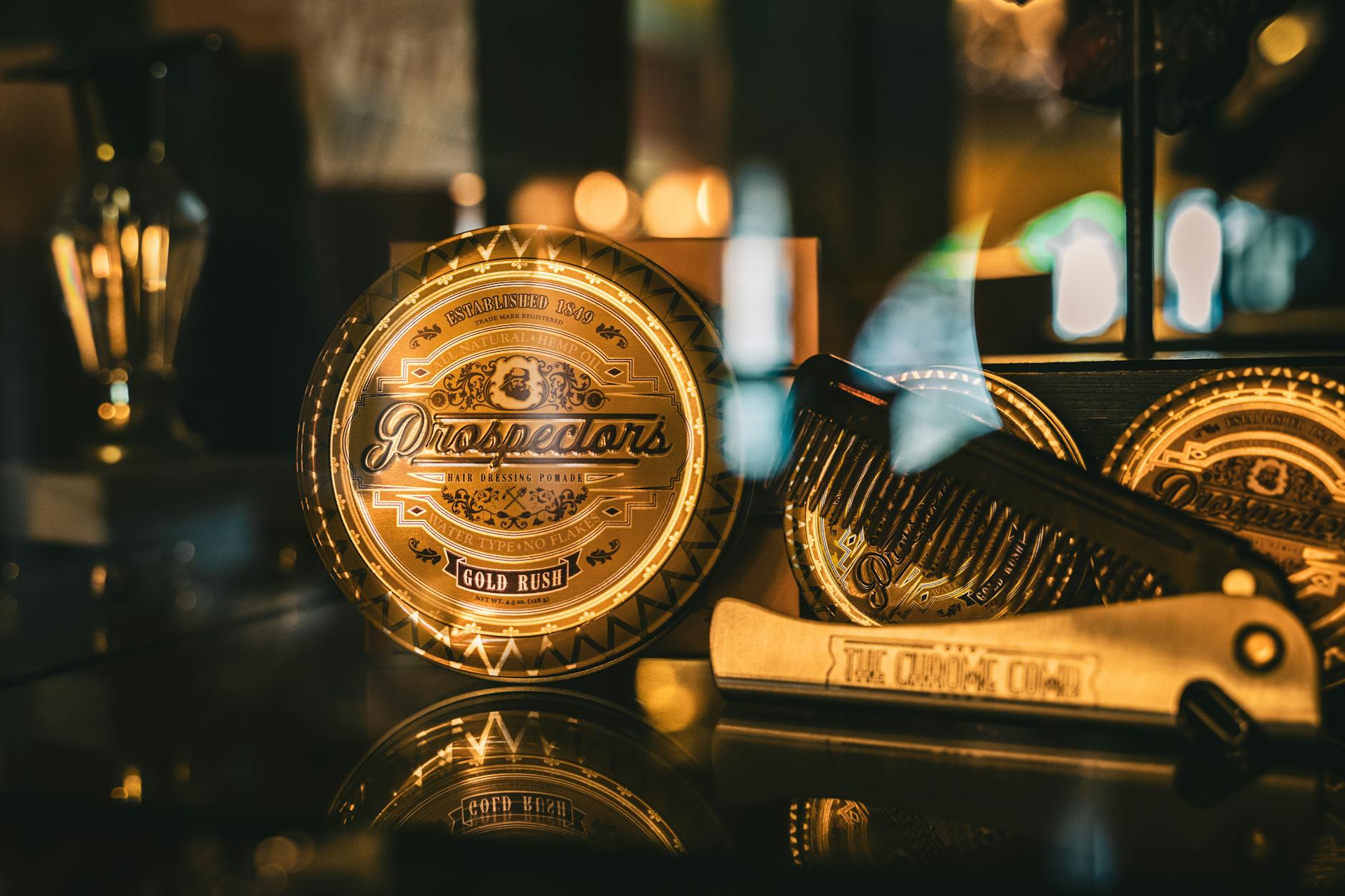
A short ingredient scan usually reveals the problem in seconds. Animal-derived waxes and fats do the heavy lifting in many classic pomades because they add tack, structure, and water resistance.
That is why a formula can feel strong and still fail a vegan check. The ingredient name tells you more than the scent, the packaging, or the brand story.
Red-flag ingredients
- Beeswax, a common stiffener that gives grip and barrier-like hold.
- Lanolin, a sheep-sebum derivative used for slip and softness.
- Mink oil, a glossy conditioning oil tied to animal sourcing.
- Tallow, a rendered animal fat that adds density and control.
- Shellac, a resin from lac insects that can show up in styling formulas.
- Carmine, a red pigment from insects, more common in color cosmetics but still worth spotting.
Natural and vegan are not synonyms. A clay can be made from earth minerals and still include beeswax, while a plant oil blend can stay vegan and still feel greasy on fine hair.
Brooklyn Grooming matters because ingredient transparency makes the biggest difference in a smaller grooming line. Pure-Formance Liquid Pomade matters for the same reason, since liquid-style formulas often attract shoppers who want control without a heavy wax load. Mitch Construction Paste and Dirty Styling Cream show how easily a formula can move away from pomade territory while still competing for the same styling job.
Packaging can look ethical while the formula still fails a vegan check. Read the ingredient list every time, not just the front label.
As hold gets stronger, the real challenge becomes finding a formula that also matches your styling finish.
The Vegan Pomade Field, From Light Hold To Strong
Hold and finish separate a workable jar from a shelf ornament. A light formula can give movement and texture, while a stronger one keeps shape through humidity and longer wear.
Water-based pomade matters because it usually rinses out more easily than old-school wax-heavy blends. Petrolatum-free pomade matters for the same reason, since some shoppers want less buildup and a cleaner feel between washes.
| Styling Type | Hold And Shine | Where It Fits |
|---|---|---|
| Vegan pomade | Light to strong, matte to high shine | Slick styles, side parts, controlled texture |
| Styling clay | Medium to strong, matte | Thicker hair, rough texture, volume |
| Hair paste | Light to medium, low shine | Everyday movement with a softer finish |
| Hair gel | Medium to strong, low shine to high shine | Defined shapes and tighter control |
| Cream | Light, low shine | Loose styles, frizz control, softer touch |
| Mousse | Light, matte to low shine | Lift at the roots and airy volume |
Pure-Formance Liquid Pomade fits the lighter, smoother end of the range. Aveda and Paul Mitchell matter because their styling lines often give you salon-grade choices across finish levels, from matte texture to more polished shine. Jack Black matters for men who want a neater look with less fuss, while natural mousse hair styling foam and wheatgrass fixing gel sit farther from pomade but still solve similar styling needs.
At a chemical level, hold comes from film formation. As water or solvent leaves the product, polymers and waxes form a thin network on the hair shaft, and that network either stays flexible or stiffens depending on the formula. That mechanism explains why two vegan jars can feel completely different in your hands.
Light hold for movement
Light formulas suit loose shapes, side-swept styles, and fine hair that collapses under heavy wax. Less stiffness leaves room for restyling during the day.
Medium hold for everyday control
Medium hold gives the most useful middle ground. It keeps shape without turning the hair shell-like, which helps short cuts and office-friendly styles stay neat.
Strong hold for structure
Strong formulas work best for thick, curly, or longer hair that needs more grip. The finish can still range from matte to glossy, so hold and shine should be judged separately.
Because styling goals vary, the best picks shift with texture, climate, and the look you want to maintain.
Brands Worth Watching For Different Styling Goals
Brand names help once the ingredient list already looks clean. The real split is less about prestige and more about whether you want water-based control, low-grease comfort, or a richer shine.
That is where vegan hair styling products start to separate by job, not just by label. A matte crop, a polished side part, and a loose textured style all reward different formulas.
Budget choices with solid basics
- Giovanni, a familiar vegan-friendly name that often fits everyday styling without feeling heavy.
- The Body Shop, useful for shoppers who want ethical grooming from a mainstream beauty shelf.
- LUSH, a good reference point for stronger ethical positioning and plant-based formulas.
Mid-range options for flexible styling
- Brooklyn Grooming, known for cleaner-feeling formulas that suit texture-focused styling.
- Paul Mitchell, useful for salon-style performance across paste, cream, and pomade formats.
- Mitch Construction Paste, a practical alternative if you want grip with less shine than a classic pomade.
Premium options with polished finish
- Aveda, a higher-end choice for refined hold and a cleaner brand story.
- Jack Black, a strong fit for men who want neat control and a more polished finish.
- Pure-Formance Liquid Pomade, a lighter-feel option for sleek styling without a greasy film.
Shoppers who want more texture than gloss usually land on clay or paste before they reach for a glossy jar. Wicked Texture and Dirty Styling Cream matter here because they show how quickly a formula can shift from sculpted to soft, even within the same brand family.
The brand tier matters less than the finish you need on workdays, wash days, or humid days. A polished side part asks for different ingredients than a matte crop, and that difference changes which vegan pomade brands deserve your attention.
Weight and texture tell part of the story, but trustworthy brands also prove their formulas with clearer standards.
Matching Vegan Pomade To Hair Type And Gender Preference
Fine hair tends to sag under heavy wax and thick oils, so lighter formulas and water-based blends usually behave better. Thick or curly hair needs more pliability and grip, because the cuticle shape and density resist easy smoothing.
That same logic helps you separate vegan pomade for men and vegan pomade for women from the marketing on the box. The hair decides the formula, while the styling goal decides the finish.
Fine hair needs less weight
For vegan pomade for fine hair, matte or low-shine formulas usually win because they add shape without visible grease. A clay-pomade hybrid can help, since the clay absorbs some oil and gives the roots a drier feel.
Thick and curly hair need more bend
Stronger, more pliable formulas work better for dense curls and coarser hair. A cream or medium-hold pomade often keeps definition without turning the surface rigid or flaky.
Men and women often want different finishes
Vegan pomade for men often points toward sharper control, side parts, and slicked-back styles. Vegan pomade for women more often shows up in soft texture, flyaway control, bangs, and short crop styling, though the formula itself does not care about gender.
Shine still changes the result more than the label does. Matte finish gives grit and separation, low shine reads natural, and high shine leans classic and formal, so your styling goal should lead the purchase rather than the front-panel branding.
Choose lighter formulas for fine hair and stronger, bendable ones for thick or curly hair. The wrong weight shows up fast as flat roots or a greasy look.
Those details make the choice easier, especially when the final test is how cleanly the product washes out.
Trust Signals That Separate Clean Claims From Real Vegan Formulas
A storefront claim is only the starting point. Brand policy, ingredient language, and certification marks tell a more complete story, especially across cruelty-free hair styling products that shift formulas over time.
You can confirm a formula quickly by checking what is actually inside the jar and what the brand says about sourcing. That matters more than a polished product page, because reformulations happen and packaging can lag behind them.
Use a verification checklist
- Read the full ingredient list, not the front-panel claim or fragrance name.
- Check for animal sources, especially beeswax, lanolin, tallow, mink oil, shellac, and carmine.
- Review brand policy, since some brands state whether their formulas are vegan or cruelty-free.
- Look for consistency, because formula changes can happen by market or packaging size.
- Judge performance together, since a clean label still needs workable hold and finish.
Watch for clean-looking formulas that still miss the mark
Natural styling alternatives can still use animal waxes for grip. A clay, paste, or cream may read earthy and gentle while still containing beeswax, so the name alone never settles the question.
That is the practical way to shop vegan pomade brands without ending up with a jar that feels too heavy, too shiny, or not vegan at all. Plant oils, starches, and synthetic polymers can replace animal waxes in many formulas, but they do not all behave the same.
Some rinse clean, some hold better in humidity, and some need a little more product on coarse hair. The label is only part of the decision, and the washout feel often tells you as much as the finish.
Putting It Together
The strongest choice is the one that fits both your values and your hair. You get the best result by checking animal-derived ingredients, then matching hold, shine, and washout to the way your hair actually behaves in daily life.
Brooklyn Grooming, Giovanni, Aveda, LUSH, The Body Shop, Paul Mitchell, Jack Black, and Pure-Formance each point toward a different balance of finish and control. That range is useful because no single formula works for every slicked-back, matte, fine, or curly routine.
FAQ
Which pomade brands are actually vegan?
Giovanni, Brooklyn Grooming, LUSH, The Body Shop, Aveda, and Jack Black all show up in ethical grooming conversations, but the exact formula still needs an ingredient check. A single brand can carry both vegan and non-vegan products, so the bottle matters more than the logo.
What ingredients should I avoid in non-vegan pomade?
Skip beeswax, lanolin, mink oil, tallow, shellac, and carmine. Those ingredients point to animal sourcing, even in formulas that otherwise look natural or plant-based.
What ingredients should I avoid in vegan pomade?
Avoid beeswax, lanolin, mink oil, tallow, shellac, and carmine, because those ingredients come from animals or insects. A label can still say natural while using one of those binders.
What is the best vegan pomade for fine hair?
For fine hair, a light, water-based, low-shine formula usually works best because it adds shape without dragging roots down. Pure-Formance Liquid Pomade and some Giovanni styles fit that profile better than heavy wax blends.
What is the best vegan pomade for hold and shine?
The best match depends on the finish you need. Medium to strong hold with low shine suits clean everyday control, while a lighter matte formula works better for texture and movement, and a polished high-shine jar fits sleeker styling.
Are vegan and cruelty-free pomades the same thing?
No. Vegan means the formula avoids animal-derived ingredients, while cruelty-free means the brand avoids animal testing. A product can be one without being the other, so you need to check both claims separately.
