

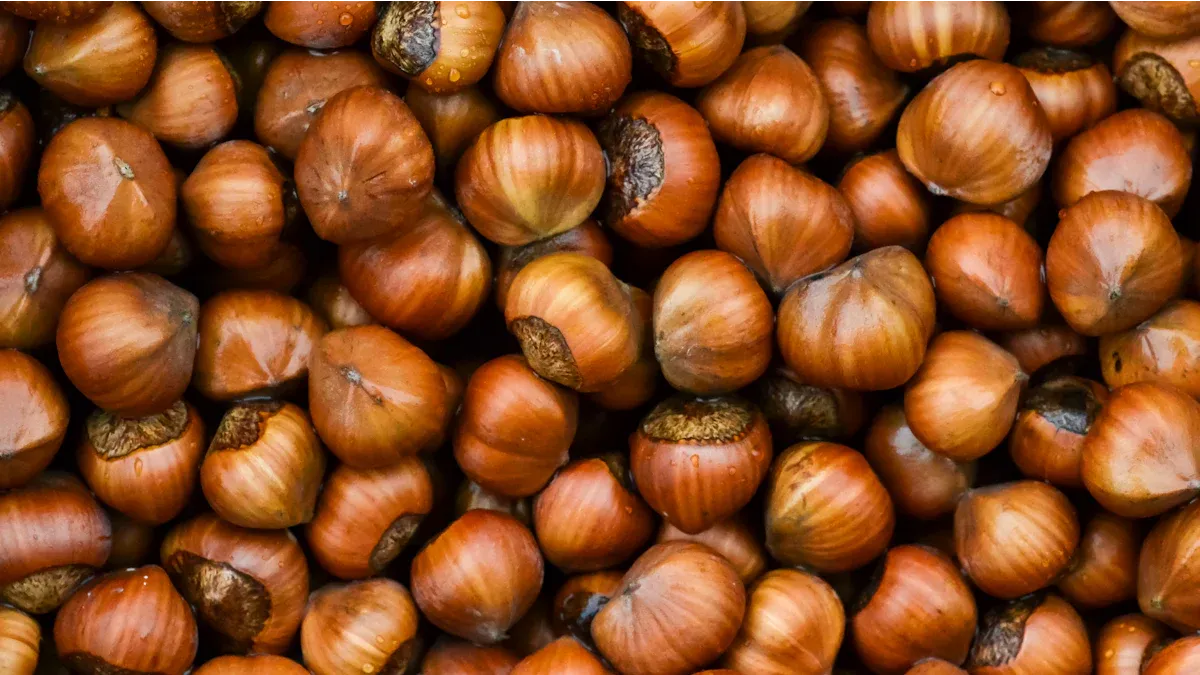
Water chestnuts are not nuts. They are aquatic vegetables known for their crisp, white flesh and mild, slightly sweet flavor. These unique plants originate from wetlands in Asia. People commonly use them in various Asian cuisines. Their unique texture adds a delightful crunch to many dishes. The global market for water chestnuts demonstrates their widespread appeal:
Metric | Value |
|---|---|
Global Water Chestnuts Market Size (2024) | USD 1.32 billion |
Projected Market Size (2033) | USD 2.13 billion |
CAGR (past five years) | 5.5% |
Water chestnuts offer significant nutritional value. They provide important water chestnuts nutrition. Their high fiber content contributes to the health benefits of water chestnuts. This vegetable is a versatile ingredient, enhancing both flavor and texture.
Key Takeaways
Water chestnuts are not nuts; they are crunchy aquatic vegetables.
They offer good nutrition, including fiber, vitamins, and antioxidants.
Water chestnuts help your digestion, heart, and blood sugar.
You can use them in many dishes, both fresh and canned.
They add a unique crisp texture to meals.
What Are Water Chestnuts
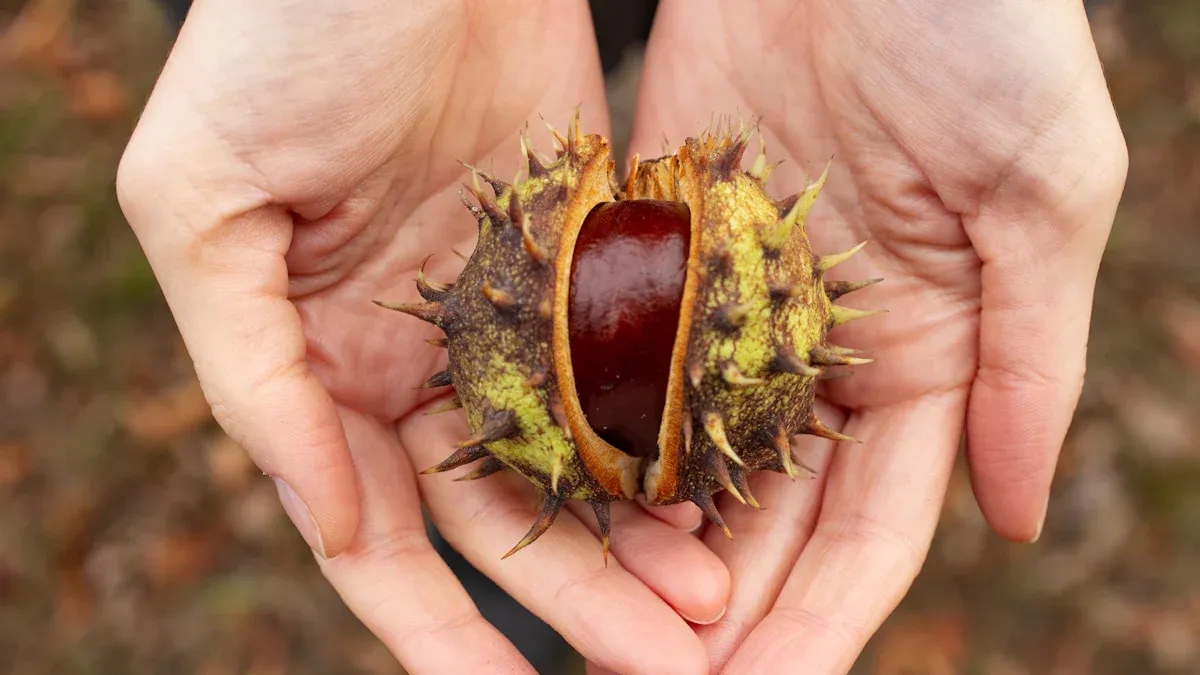
Defining Water Chestnuts
Water chestnuts are not true nuts. They are aquatic vegetables. Specifically, the Chinese water chestnut is botanically classified as Eleocharis dulcis. This plant belongs to the sedge family, Cyperaceae. People often mistake them for roots, but they are actually corms. Corms are modified stem bases. Another plant also carries the name water chestnut. Its scientific name is Trapa natans L., and people also know it as water caltrops. However, when most people refer to water chestnuts in cooking, they mean Eleocharis dulcis.
Origin and Cultivation
Water chestnuts have a long history. They originated in Southeast Asia, particularly in China and surrounding regions. People have cultivated them for centuries. Their cultivation has spread to various parts of the world. This includes India, Australia, and other tropical, subtropical, and temperate climates of Africa, Asia, and Europe. These aquatic plants thrive in warm temperate regions. Farmers grow water chestnuts in flooded paddies, similar to rice. This method allows the plants to develop their edible corms underwater.
Texture and Flavor
Water chestnuts offer a unique culinary experience. They have a crisp, white flesh. This texture remains firm even after cooking. Their flavor is mild and slightly sweet. This subtle taste makes them versatile. They do not overpower other ingredients in a dish. Instead, they add a refreshing crunch. This distinct texture is a primary reason for their popularity in many cuisines. Many dishes use water chestnuts to provide a pleasant contrast to softer ingredients.
Water Chestnut Nutrition Facts
Water chestnuts offer many beneficial nutrients. They are a healthy addition to many diets. This section explores the specific water chestnut nutrition facts.
Calorie and Macronutrient Profile
Water chestnuts are a low-calorie food. A 100-gram serving of raw water chestnuts contains about 50 calories. Other sources report slightly different calorie counts. For instance, a one-cup (140 grams) serving of raw water chestnuts provides approximately 60 to 70 calories. Sliced water chestnuts can have around 100 calories per cup. Canned, sliced water chestnuts may contain as few as 36 calories per 100 grams. These aquatic vegetables are virtually fat-free. They also contain a high percentage of water, about 74%.
Water chestnuts provide essential macronutrients. Here is a breakdown for a 100-gram serving:
Macronutrient | Value per 100g |
|---|---|
Carbohydrates | 23.9 g |
Protein | 3 g |
Fat | 0.1 g |
Fiber Content and Daily Value
Water chestnuts offer a good amount of dietary fiber. A 100-gram serving provides 4 grams of fiber. This amount covers a significant portion of daily fiber needs. Fiber is crucial for digestive health. It also helps maintain stable blood sugar levels. The high fiber content in water chestnuts makes them a valuable food choice.
Vitamins and Antioxidants
Water chestnuts are rich in various vitamins. They contain several B vitamins. These include:
Vitamin B6 (25% DV)
Thiamine (B1) (12% DV)
Riboflavin (B2) (15% DV)
Niacin (B3) (6% DV)
Pantothenic acid (B5) (10% DV)
Folate (B9) (4% DV)
They also provide a good amount of Vitamin C (4% DV) and Vitamin E (8% DV). The high potassium content in water chestnuts supports heart health. The high vitamin C content acts as an antioxidant.
Water chestnuts also contain many healthy antioxidants. These compounds protect the body from damage. They include:
Trapadin A
Gallic acid
Methyl gallate
Vanillic acid
Ellagic acid
Water chestnuts are especially rich in hydrolyzable tannins. These tannins contribute significantly to their antioxidant activity. Phenolic compounds, particularly those with specific structures, show strong antioxidant effects. Dimer forms of hydrolyzable tannins are notable for their powerful antioxidant properties.
Health Benefits of Water Chestnuts
Water chestnuts offer numerous advantages for human health. Their unique nutritional profile contributes to several bodily functions. People can enjoy the health benefits of water chestnuts by including them in their diet.
Digestive Health Support
Water chestnuts are rich in dietary fiber. This fiber plays a crucial role in maintaining a healthy digestive system. It promotes regular bowel movements. For individuals experiencing regular constipation, drinking water chestnut juice may help improve bowel movements. The moderate dietary fiber content helps promote bowel regularity. It can alleviate mild constipation when included in a high-fiber diet.
Fiber also strengthens the gut microbiome. Non-starch polysaccharides from Chinese chestnut kernel (NSPCK) have shown a prebiotic effect. They modulate the gut microbiome. NSPCK significantly increases beneficial bacteria like Bifidobacterium, Lactobacillus, and Ruminococcaceae UCG-002. It also decreases harmful bacteria such as Phascolarctobacterium, Dialister, Parasutterella, Enterococcus, and Sutterella. These changes improve the gut microbiota environment. They increase bacteria involved in NSPCK metabolism and short-chain fatty acid production.
Heart Health Promotion
Water chestnuts contribute to heart health in several ways. They contain essential minerals that support cardiovascular function. Magnesium is one such mineral. Water chestnuts contain significant quantities of magnesium. Magnesium aids in the conduction of electrical impulses throughout the heart. A deficiency in magnesium can lead to irregular heart rhythms and palpitations. The fiber content also helps reduce cholesterol levels. This further supports a healthy heart.
Weight Management Aid
Water chestnuts are an excellent food for weight management. They are low in calories and virtually fat-free. They provide complex carbohydrates for sustained energy. Their fiber content is beneficial for digestion and gut health. This indirectly supports satiety. Water chestnuts also have a high water content. This contributes to hydration. It further aids in feelings of fullness.
Water chestnuts are a high-volume food. They contain a significant amount of water. This characteristic, combined with their fiber content, helps curb hunger effectively. Substituting less filling foods with water chestnuts can lead to prolonged satiety. Individuals consume fewer calories. This is a beneficial strategy for weight management. Water chestnuts promote weight loss by keeping people fuller for longer with fewer calories.
Blood Sugar and Pressure Regulation
Water chestnuts help regulate blood sugar levels. They contain slowly digesting carbohydrates. These carbohydrates lead to a gradual release of glucose. This helps maintain stable blood sugar levels. It prevents post-meal spikes. Water chestnuts also have a low Glycemic Index (GI). Their low GI prevents abrupt increases in blood sugar. This is crucial for individuals managing diabetes. The high fiber, particularly insoluble fiber, slows down carbohydrate digestion. This reduces sudden blood sugar spikes. It improves glycemic control. Magnesium in water chestnuts can enhance insulin sensitivity. This allows the body to utilize insulin more effectively. This is especially beneficial for people with type 2 diabetes who often experience insulin resistance.
Water chestnuts also contribute to healthy blood pressure. They contain potassium. Potassium is a key mineral for blood pressure regulation. It counteracts the effects of sodium in the body. This helps relax blood vessels. It reduces blood pressure. The fiber content indirectly aids in maintaining healthy blood pressure by regulating blood sugar levels.
Antioxidant and Anti-inflammatory Effects
Water chestnuts are rich in disease-fighting antioxidants. These compounds protect the body from oxidative stress. Specific antioxidant compounds include:
(-)-gallocatechin gallate
(-)-epicatechin gallate
(+)-catechin gallate
Trapadin A (a new hydrolyzable tannin dimer)
10 hydrolyzable tannin monomers
2 hydrolyzable tannin dimers (including trapadin A)
These compounds contribute to the overall health benefits of water chestnuts.
Water chestnuts also possess anti-inflammatory properties. Water chestnut extract (WCE) inhibits lipopolysaccharide (LPS)-induced nitric oxide production. WCE suppresses mRNA and protein expression of the inducible nitric oxide synthase gene. It also inhibits inflammatory cytokine secretion. WCE reduces tumor necrosis factor-α (TNF-α) and interleukin-6 (IL-6)-induced nuclear factor-κB (NF-κB) activity. The anti-inflammatory properties are attributed to phenolic compounds like gallic acid. Gallic acid has antioxidant and anti-inflammatory activities. The extract reduces pro-inflammatory mediators. It suppresses NF-κB-mediated signaling pathways. It also increases DPPH radical scavenging. It reduces intracellular H2O2-induced reactive oxygen species (ROS) accumulation. These are associated with inflammatory responses.
Culinary Uses and Preparation
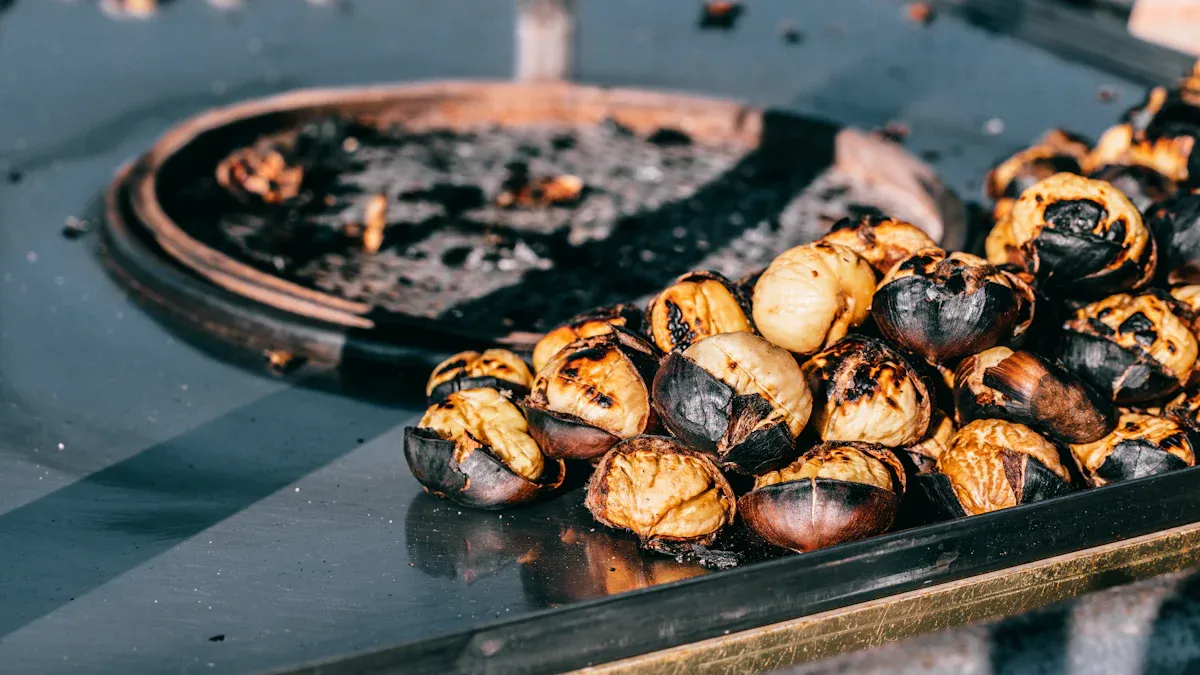
Water chestnuts offer a delightful crunch and mild flavor to many dishes. People use them in various cuisines worldwide. Understanding the differences between fresh and canned varieties helps in choosing the best option for a recipe.
Fresh vs. Canned Varieties
Fresh water chestnuts provide a superior culinary experience. They have a sweeter flavor and offer even greater crispness than their canned counterparts. When water chestnuts are the main ingredient in a dish, fresh ones are highly recommended. While canned water chestnuts offer convenience, the taste difference is remarkable. Fresh water chestnuts have a sweet, juicy flavor, reminiscent of apples or jicama. They maintain their texture even after cooking.
Here is a comparison of fresh and canned water chestnuts:
Feature | Fresh Water Chestnuts | Canned Water Chestnuts |
|---|---|---|
Potassium | Double the amount | Less |
Zinc | Double the amount | Less |
B Vitamins | Double the amount | Less |
Vitamin E | Double the amount | Less |
General Nutrients | Low in calories, fat-free, useful minerals (iodine, manganese), polyphenolic and flavonoid antioxidants | Low in calories, fat-free, useful minerals (iodine, manganese), polyphenolic and flavonoid antioxidants |
Canned water chestnuts can substitute fresh ones, especially when a recipe only needs a crisp texture. Both fresh and canned water chestnuts retain their crunchiness when cooked.
Preparation Methods
Knowing how to prepare water chestnuts ensures the best results. To peel fresh water chestnuts, first cut off the top and bottom with a sharp knife. Then, cut around the sides until all the skin is removed. An alternative method involves cutting off the top and bottom, then using a fruit peeler to remove the skin. Once peeled, you can leave them whole, slice them, or chop them for a recipe. Store peeled water chestnuts in the refrigerator for about a week if covered in fresh water, changing the water daily.
You can use water chestnuts in many ways. Slice them thinly and stir-fry them with snow peas and scallions. Chop them into rough cubes for chicken and cashew recipes. Eat them plain, as they are sweet, crisp, and nutty. Slice them very thin and sauté them as a garnish. Add them to soups and stuffings; they retain their crunch. Incorporate them into salads, especially thinly sliced in spicy soups and fried rice.
Recipe Ideas and Pairings
Water chestnuts are versatile. People use them in various dishes. These include Asian cuisines like stir-fries, soups, salads, and dumplings. They also appear in casseroles, dips, pies, and desserts.
Here are some popular ways to use water chestnuts:
Brussels Sprouts With Water Chestnuts
Sweet And Sour Pork
Water Chestnut Pea Salad
Bacon-Wrapped Water Chestnuts
Green Beans With Water Chestnuts
Creamy Spinach Dip with Water Chestnuts
Rachael’s Chicken Lettuce Wraps
Tofu and Beef Lettuce Cups
Vegetable Chow Mein
Prawn and Water Chestnut Potstickers
These ideas show how water chestnuts enhance both flavor and texture in many meals.
Risks and Considerations
People generally consider water chestnuts safe for consumption. However, some potential risks and considerations exist. Understanding these points helps consumers make informed choices.
Allergic Reactions
Allergic reactions to true water chestnuts are very rare. There is no specific information available about common symptoms or how often these allergies occur. People sometimes confuse water chestnuts with water caltrops. A case report describes a 57-year-old man who experienced severe allergic symptoms after eating Singoda flour, which comes from water caltrop. These symptoms included hives, difficulty breathing, and loss of consciousness. This reaction was to water caltrop, not a true water chestnut.
Pesticide Concerns
Farmers use pesticides in water chestnut cultivation. In places like Thailand, they commonly use chemical insecticides and herbicides for monocropping in fields. Consumers can take steps to reduce pesticide exposure.
Tips for Reducing Pesticide Residues:
Use pesticides at the rate specified on the package label.
Wear personal protective equipment (PPE) during application.
Spray in the morning or late afternoon to avoid bright sunlight.
Be careful to prevent chemicals from entering the body during application.
Washing water chestnuts thoroughly before consumption helps remove surface residues.
Storage Best Practices
Proper storage helps maintain the quality and freshness of water chestnuts. Fresh water chestnuts need refrigeration to last longer.
Store water chestnuts in a plastic bag in the refrigerator.
Properly stored, fresh water chestnuts will last about 7 to 10 days.
Freezing is not recommended for water chestnuts. It can affect their quality.
Check for spoilage by looking for an off smell or appearance. Discard any water chestnuts with mold.
Water chestnuts are nutritious, versatile, and crunchy aquatic vegetables. They are not nuts. These unique plants offer significant health benefits. Their high fiber content supports digestion, heart health, and weight management. Water chestnuts also help regulate blood sugar. They provide essential vitamins and antioxidants. Readers should incorporate water chestnuts into their diet. They add a unique texture and nutritional value to many dishes. Enjoy the culinary and health advantages water chestnuts bring to your meals.
FAQ
What are water chestnuts?
Water chestnuts are aquatic vegetables. They are not nuts. People know them for their crisp, white flesh and mild, slightly sweet flavor. They grow in wetlands, similar to rice. They add a unique crunch to many dishes.
Are water chestnuts a type of nut?
No, water chestnuts are not nuts. They are corms, which are modified plant stems. The Chinese water chestnut (Eleocharis dulcis) is the common culinary variety. It belongs to the sedge family.
What are the main health benefits of water chestnuts?
Water chestnuts offer several health benefits. They support digestive health due to their high fiber content. They also promote heart health and aid in weight management. They help regulate blood sugar and blood pressure. Water chestnuts also provide antioxidants.
How do people use water chestnuts in cooking?
People use water chestnuts in many dishes. They add them to stir-fries, salads, and wraps. They also appear in soups and appetizers. Their crisp texture remains even after cooking. This makes them a versatile ingredient.
Can you eat water chestnuts raw?
Yes, people can eat fresh water chestnuts raw. They have a sweet, juicy flavor. Many people enjoy them plain. They also add a refreshing crunch to salads. Always wash them thoroughly before eating.