

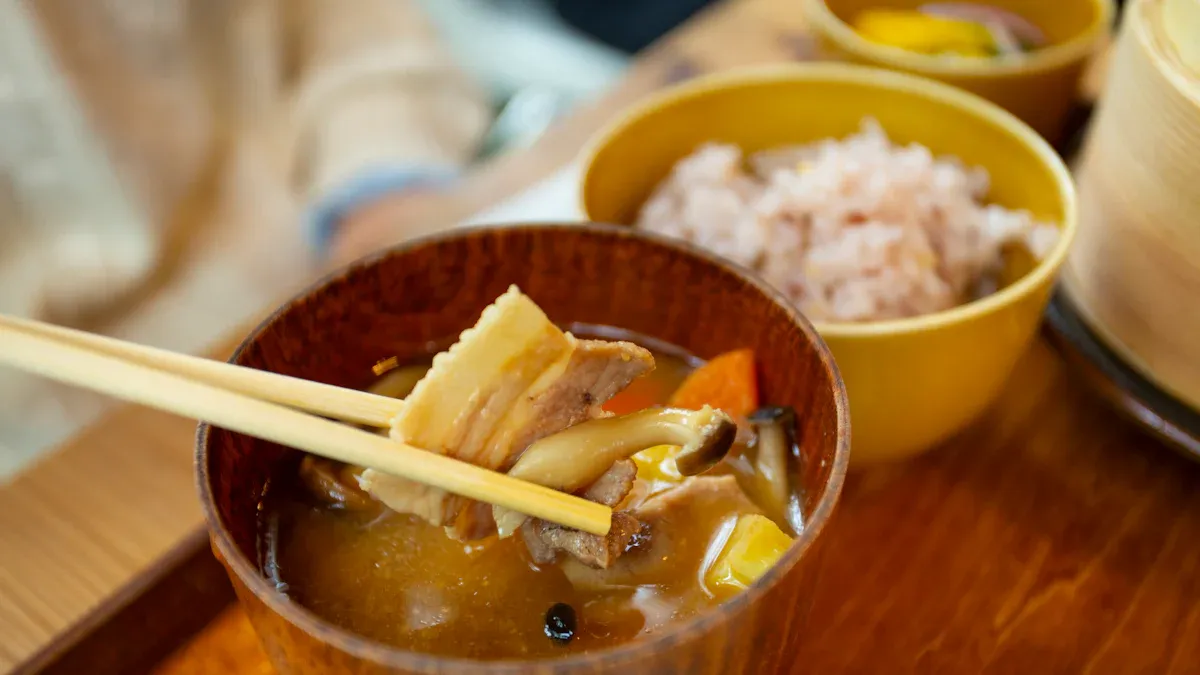
Imagine a single ingredient that transforms your cooking with rich umami flavor and boosts your well-being. That ingredient is miso. This versatile fermented soybean paste offers incredible taste and significant health benefits. You will explore miso’s origins and diverse types. We will especially dive into miso nutrition, focusing on its powerful probiotics and the many health benefits of miso. Get ready to uncover the full nutritional benefits of this ancient superfood, miso.
Key Takeaways
Miso is a fermented soybean paste. It adds rich flavor to food. It also offers many health benefits.
Miso contains good bacteria called probiotics. These probiotics help your gut stay healthy. They also help you digest food better.
Miso can help your heart. It may lower blood pressure. It also has antioxidants that protect your body.
There are many types of miso. Each type has a different flavor. You can use miso in soups, dressings, and glazes.
Choose unpasteurized miso for the most health benefits. Do not cook it at high heat. This keeps the good bacteria alive.
What Is Miso?
Definition and Origin
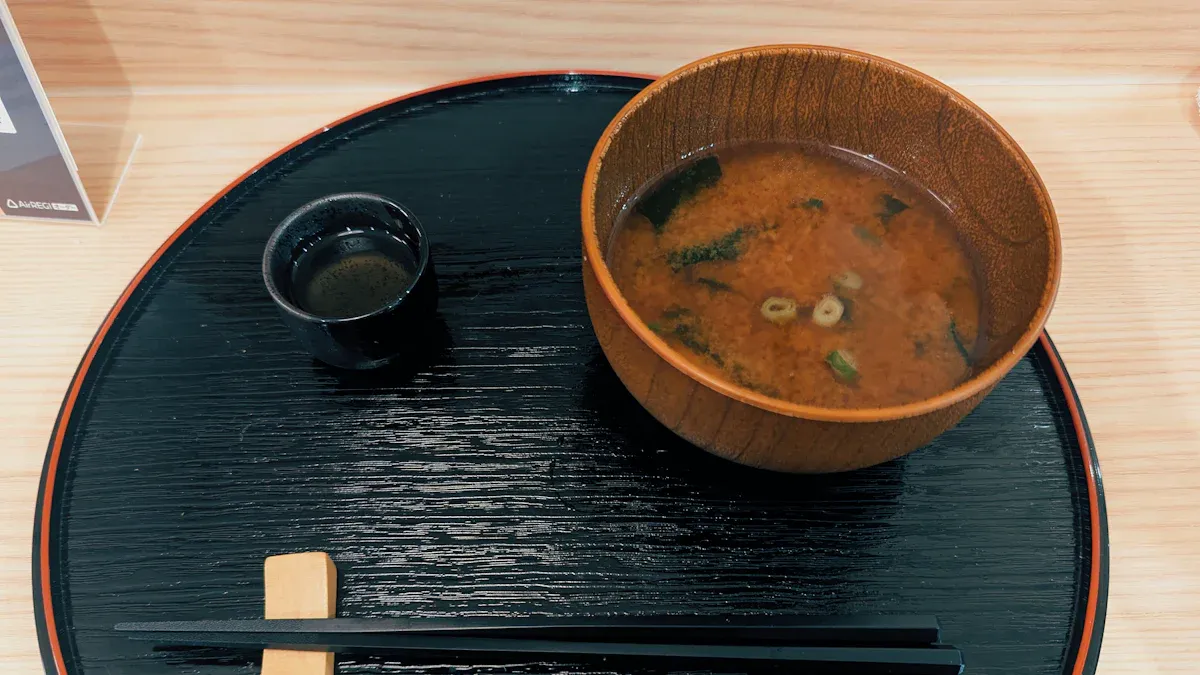
You might wonder, what is miso? Miso is a traditional Japanese seasoning. It is a savory fermented soybean paste. This paste has been a vital part of Japanese cuisine for over a thousand years. Its exact beginnings are a bit of a mystery. Some believe it came from ancient China around the 6th century. Buddhist monks may have brought it to Japan.
Other theories suggest a form of miso existed in Japan even earlier, during the Yayoi period. People then salted and fermented foods. The word “miso” first appeared in the Heian period. Initially, miso was a luxury item. Only upper classes and monks used it. They used it as a seasoning, a snack, or for medicine. Later, Zen monks introduced miso soup. This made miso a staple for samurai. By the Edo era, miso was deeply ingrained in daily life. People recognized its health benefits. They even had a saying: “miso is a doctor killer.”
Traditional Production
You might ask, how is miso made? Making miso is a careful process. It involves several key steps. First, you make koji. This is the most important step. You steam rice grains. Then you inoculate them with koji mold. This takes about 42-48 hours. Next, you process soybeans. You wash and soak them for many hours. Then you steam or boil them until they are soft.
After cooling, you mash the soybeans into a paste. Then you mix the mashed soybeans with the rice koji, salt, yeast, and lactic acid bacteria. This mixture goes into a tank. It ferments and matures there. This can take from one month to several years. The time depends on the type of miso you want. This traditional method creates the rich flavor of miso.
Key Ingredients
Traditional miso relies on simple, natural ingredients. You need koji. Koji is a starter culture. It is often made from rice. You also need soybeans. These are the main protein source. Finally, you need salt. These three ingredients form the base of most miso.
Sometimes, people use other grains besides rice for koji. These can include barley, buckwheat, or millet. Modern varieties of miso might even use chickpeas or corn. But the core ingredients for classic miso remain koji, soybeans, and salt. These ingredients combine to create the unique taste and texture of this versatile fermented soybean paste.
Diverse Miso Types
You will discover many different types of miso, each with its own unique characteristics. These variations come from different ingredients, fermentation times, and regional traditions. Understanding these differences helps you choose the best miso for your cooking.
White Miso
White miso, also known as Shiro miso, offers a mild umami with a slight sweetness. It often appears white or yellow in color. Makers use a high proportion of rice koji to soybeans. They also ferment it for a short period, usually three months to one year. You can use white miso in many dishes. It works well in soups, dressings, marinades, miso-butter, and stir-fries.
Red Miso
Red miso comes from a longer fermentation process. This gives it a deeper color and a richer, more pungent flavor. It has a bold, salty, earthy, and full-bodied flavor profile. You will find it ideal for dishes needing a meatier, more savory, and heartier taste.
This makes it perfect for colder months. Its complex savory flavor and umami bomb quality add indescribable deliciousness. Red miso, or Aka miso, has a deep red-brown to nearly black color. Its fermentation can last from six months to a year, sometimes even up to 5 to 10 years. You can use it in braises, ramen, hearty stews, glazes, and marinades.
Yellow Miso
Yellow miso sits between red and white miso in terms of flavor. It has a mild umami flavor with a slight sweetness. You can use it in soups, marinades, and as a seasoning for vegetable dishes. It is also great for dressings, miso-butter, and stir-fries.
Barley Miso
Barley miso, or Mugi miso, has a rich, nutty flavor. It often has a rustic texture. This miso is versatile and you can use it in various culinary contexts.
Hatcho Miso
Hatcho miso offers a rich, deep, multi-layered, and intense flavor. It is powerful and packed with umami. This miso is aromatic, savory, mildly sweet, and somewhat astringent. It has a dark brown color and ages for a long time, typically 16-24 months. A milder, younger variety also exists. Hatcho miso is made solely from soybeans.
Its fermentation can last up to three years. This results in a complex and deeply satisfying taste. You can use it in marinades for grilled meats, simmered dishes, and soup dishes. It adds an umami kick to tofu and vegetables. Classic dishes include miso soup with nameko mushrooms, mackerel simmered in miso sauce, and chicken and leeks sautéed with miso sauce. It also complements dairy, meat, tomatoes, and robust-flavored dishes. You can use it for gratin, creamy pasta, meat sauces, tomato sauces, and pizza.
Flavor Profiles and Uses
Each type of miso brings a distinct flavor to your cooking. From the sweet mildness of white miso to the intense umami flavor of Hatcho miso, you have many options. Experiment with these different types of miso to enhance your meals.
Health Benefits of Miso
You will find many reasons to include miso in your diet. This fermented food offers a wide array of health benefits. Its unique nutritional profile supports your body in various ways. Let’s explore the specific advantages you gain from this ancient superfood.
Miso Nutrition and Gut Health
Miso is a powerhouse for your gut. It provides probiotics, which are live beneficial bacteria. These probiotics contribute to a healthy gut flora. A strong gut flora defends against toxins and harmful bacteria. Miso contains Aspergillus oryzae (A. oryzae), a primary probiotic strain.
This strain helps improve digestion and reduces issues like gas, constipation, or bloating. Research shows miso’s probiotics can even ease symptoms of digestive problems, including inflammatory bowel disease (IBD). The fermentation process in miso production also reduces antinutrients found in soybeans. Antinutrients can block your body from absorbing nutrients. By lowering these levels, fermentation enhances your digestion and nutrient absorption. Miso is a probiotic food that can boost your gut microbiome. This boost can lead to various health benefits throughout your body and may even reduce inflammation.
Probiotics and Digestion
Miso’s probiotic content is key to its digestive benefits. Unpasteurized miso contains Lactobacillus and other probiotic microorganisms. These probiotics assist in the digestion and assimilation of foods. You also find Bacillus subtilis in miso.
This probiotic enhances digestion and modulates immunity. Probiotics generally help break down food and absorb nutrients better. A specific probiotic yeast strain, Zygosaccharomyces sapae (strain I-6), isolated from miso, shows promise. It can help reduce stress-induced visceral hypersensitivity by improving your gut microbiota. The fermentation process in miso promotes these beneficial bacteria. They are thought to help with digestion and overall digestive health. Incorporating unpasteurized, live, enzyme-rich miso can promote good bacteria and enzymes in your gut. This improves the balance of microbes and the function of your digestive system.
Heart Health and Blood Pressure
Miso offers significant benefits for your heart. It may lower blood pressure, which is crucial for heart health. A study looked at 40 people with high-normal blood pressure or early hypertension. One group ate 32g of a specific miso blend daily.
The other group ate a control soy food. After eight weeks, the miso group showed a significant decrease in nighttime blood pressure. This happened without affecting daytime blood pressure or pulse rate. This suggests miso can lower blood pressure at night.
It might do this by reducing body fluid levels or calming the adrenergic nervous system. Traditional Japanese miso soup has also shown it can lessen salt-induced high blood pressure and organ damage in rats. This blood pressure reduction is linked to increased urination and sodium excretion through the dopamine system. Miso also has angiotensin-converting enzyme inhibitory activity. This contributes to its effects in genetic hypertensive rat models. Long-term intake of awase miso may lower blood pressure by decreasing body fluid levels. This is evident from increased urinary sodium excretion in studies.
Cancer Risk Reduction
Miso contains powerful compounds that may reduce the risk of certain cancers. It is rich in isoflavones like Genistein and Daidzein. These act as antioxidants. They help neutralize free radicals that can cause chronic diseases. Fermentation significantly increases their bioavailability. Fermented soy provides 300% higher antioxidant activity than unfermented soy.
These isoflavones are thought to reduce the risk of certain cancers, including stomach and breast cancer, especially in post-menopausal women. Miso also contains bioactive peptides and phenolic compounds. Microorganisms produce these during fermentation. They contribute to miso’s antioxidant properties and increase the availability of phenolic compounds.
Rich in Essential Nutrients
Miso is a nutrient-dense food. It contains essential nutrients your body needs. You get important B vitamins, including B6 and B12, from miso. It also provides Vitamin K and Vitamin E. For minerals, miso offers manganese, copper, iron, zinc, calcium, and magnesium. It also contains choline. Miso is a complete protein, meaning it provides all nine essential amino acids your body cannot produce on its own. This makes it an excellent plant-based protein source. Its nutritional profile supports overall well-being.
Antioxidant Properties
Miso is packed with antioxidants. These compounds protect your cells from damage. Isoflavones, such as Genistein and Daidzein, are strong antioxidants in miso. Fermentation boosts their accessibility. This leads to better lipid management, reduced inflammation, and improved oxidative status. They show potent antioxidant activity in both fatty and watery environments.
Bioactive peptides and phenolic compounds, created during fermentation, also contribute to these benefits. When enhanced in miso-type sauces, carotenoids and polyphenols work together. They boost antioxidant activity by stopping lipid and singlet oxygen peroxidation. Miso acts as a free-radical scavenger. It improves your body’s ability to fight free radicals and reduces oxidative stress linked to high blood pressure. It also plays a role in regulating inflammatory markers. These health benefits highlight miso’s powerful nutritional profile.
Miso: Potential Risks and Considerations
While miso offers many health benefits, you should also be aware of potential risks. Understanding these considerations helps you enjoy miso safely and effectively.
Sodium Content
Miso can contain a high amount of sodium. This is a natural part of its fermentation process. If you need to watch your sodium intake, you should be mindful of how much miso you consume. High sodium can affect blood pressure. You can choose lower-sodium varieties of miso. You can also use smaller amounts in your cooking.
Soy Allergies
Miso is made from soybeans. Therefore, if you have a soy allergy, you must avoid miso. Soy allergies can cause various symptoms. You might experience oral itching or tingling in your mouth. Skin reactions can include redness, rash, hives, itching, or scaly skin. Swelling of your lips, tongue, or throat can occur. Some people have respiratory issues like difficulty breathing, wheezing, or coughing. Nasal congestion, a runny nose, or sneezing are also possible.
Digestive problems such as abdominal pain, diarrhea, nausea, or vomiting can happen. Other symptoms include headaches, brain fog, extreme fatigue, itchy eyes, and ear canals. You might even notice emotional feelings or psychological swings. In severe cases, anaphylaxis, a life-threatening reaction, can occur.
Thyroid Health Concerns
Soy products, including miso, contain compounds called goitrogens. These compounds can potentially interfere with thyroid function. If you have an existing thyroid condition, such as hypothyroidism, you should talk to your doctor. They can advise you on how much miso is safe for you to consume. Most people can enjoy miso in moderation without issues.
Pasteurization Effects on Probiotics
You want to get the probiotic benefits from miso. Then you need to choose unpasteurized miso. Pasteurization is a heating process. Manufacturers use it to extend shelf life. This process kills the live fermenting microbes (FAMs) in miso.
Unpasteurized fermented foods contain both live FAMs and food-derived metabolites (FDMs). Pasteurized fermented foods contain FDMs and inactive FAMs. Sometimes, manufacturers add probiotics back into pasteurized products. However, high heat can destroy the natural probiotic strains in miso, like Tetragenococcus halophilus. To preserve its probiotic content, you should consume raw miso. Use it in dressings or spreads. Avoid adding it to very hot soups or dishes.
Incorporating Miso into Your Diet
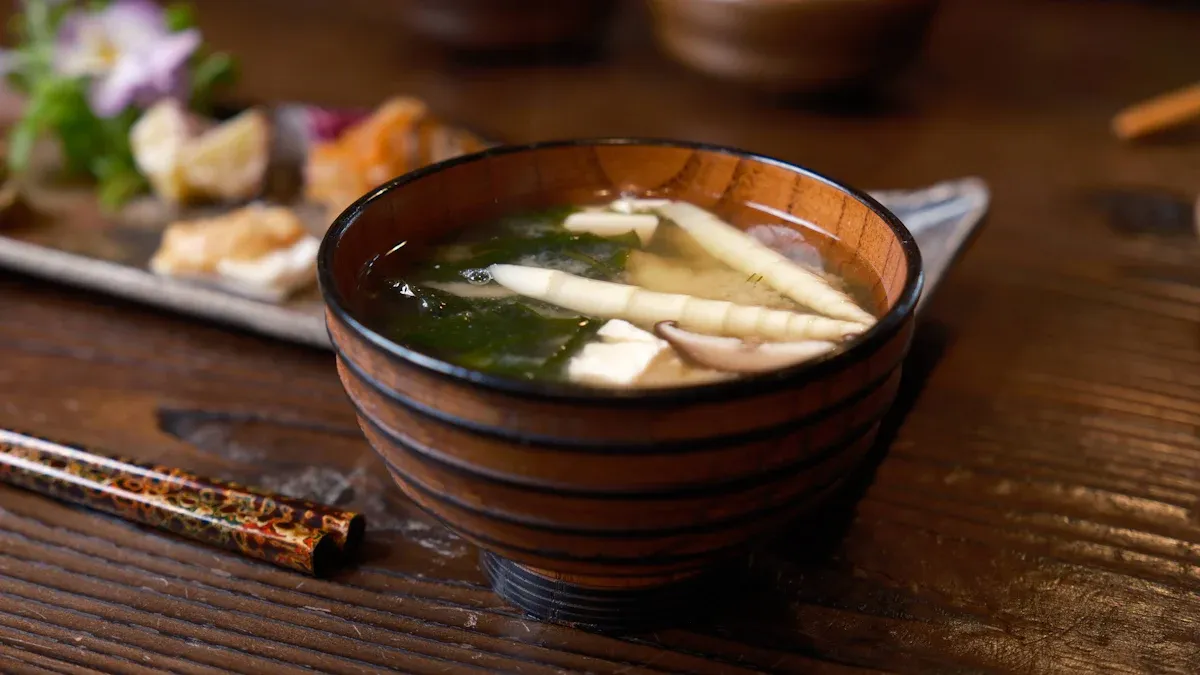
You can easily add miso to your daily meals. It offers both great taste and health benefits. Explore these practical and creative ways to use this versatile ingredient.
Classic Miso Soup
You can easily enjoy miso in a classic miso soup. This is a Japanese staple. To make this traditional miso soup, you need Dashi, tofu, miso paste, and green onions. Use kombu for Dashi. Silken tofu gives a smooth texture.
Wakame seaweed adds texture and flavor. Green onions provide crunch. Boil Dashi. Add cubed tofu. Reduce heat. Dissolve the miso paste. Do not boil it; this preserves probiotics. Add green onions. Remove from heat. This simple dish offers great miso soup benefits. The umami from the miso makes it delicious. You get many miso soup benefits from this preparation.
Dressings and Marinades
Miso also shines in dressings and marinades. It adds depth and savory flavor. Make a Miso Sauce Dressing. Combine white miso, lemon juice, rice vinegar, soy sauce, honey, sesame oil, water, and peanut oil. Whisk these. Slowly drizzle in peanut oil until smooth. Try a Miso Ginger Vinaigrette. This uses vegetable oil, white miso, rice vinegar, water, sesame oil, honey, grated ginger, and Dijon mustard. Blend until creamy. For a Miso Mustard Dressing, mix miso, Dijon mustard, garlic, maple syrup, apple cider vinegar, and olive oil. These dressings enhance salads and proteins.
Glazes and Sauces
You can use this paste to create rich glazes and sauces. These add wonderful umami to your dishes. A basic glaze works well on fish fillets like salmon or cod. It also enhances roasted vegetables, chicken, or pork. To make a basic glaze, whisk together white or red paste, mirin, soy sauce, honey, sesame oil, and minced garlic. This versatile glaze can be a marinade or a sauce. Apply some before cooking for caramelization. Then add more afterward for extra moisture and taste. This is great for salmon, vegetables, or chicken.
Vegetarian Dish Enhancer
This paste is an excellent enhancer for vegetarian dishes. It adds savory depth. You can use it to glaze roasted vegetables or tempeh. It also thickens salad dressings. Combine it with sesame oil and rice vinegar. This fermented paste brings a rich, savory element to plant-based meals.
Creative Culinary Uses
You can explore many creative ways to use this versatile ingredient. Try fusion cooking. Brush miso butter over grilled steak for a caramelized, nutty finish. You can also use miso in desserts. Miso-infused chocolate tarts balance sweetness with subtle saltiness. Miso-caramel brownies are another option. Add white paste to smoothies for a creamy texture and savory umami profile. This works well with tropical fruits. You can even try it in hot chocolate or coffee for a savory twist. It adds a rich, deep taste. A miso maple rub enhances meats, tofu, or grilled vegetables. These ideas help you add more miso to your diet in exciting ways.
You have explored the incredible miso nutrition and its many health benefits. This versatile miso paste offers powerful probiotics and amazing flavor versatility. Miso is a delicious and healthy addition to your balanced diet. Its rich nutrition provides significant benefits for your gut and overall well-being. We encourage you to experiment with different types of miso. Incorporate this ancient superfood into your cooking. Embrace the benefits of traditional fermented foods for modern health benefits. You will discover the full miso nutrition potential and its many benefits. Enjoy the journey with miso!
FAQ
Is miso gluten-free?
Not all miso is gluten-free. Miso made with barley or wheat koji contains gluten. Always check the label. Look for miso made only from soybeans and rice koji if you avoid gluten.
Can I eat miso every day?
You can enjoy miso daily in moderation. It offers many health benefits. Be mindful of its sodium content. Balance your diet with other low-sodium foods.
What is the best way to get probiotics from miso?
Choose unpasteurized miso. Avoid heating it to high temperatures. Add it to dishes after cooking. Use it in dressings, dips, or as a finishing touch to soups.
Is miso good for weight loss?
Miso can support weight management. It is low in calories and rich in nutrients. Its umami flavor can make you feel full. This helps reduce overeating.