

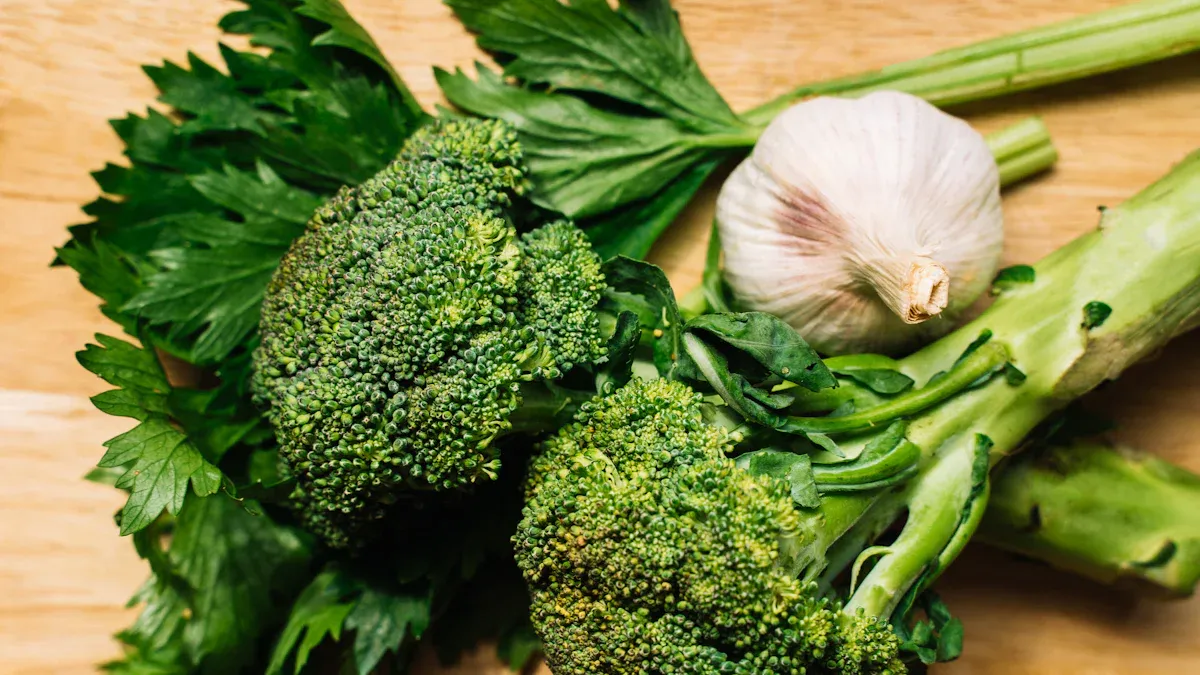
Broccoli truly earns its reputation as a superfood. This green vegetable offers widespread health benefits. You will explore the detailed broccoli nutrition facts here. This post also unveils 10 incredible health benefits of broccoli and practical uses for this versatile vegetable. Understanding the nutritional value of broccoli empowers you. Adding more broccoli to your meals is a simple, effective step towards better nutrition and overall health.
Key Takeaways
Broccoli is a superfood. It has many vitamins and minerals. It also has fiber and antioxidants.
Eating broccoli helps your body. It supports your immune system. It also protects your heart and helps your digestion.
Broccoli can help prevent cancer. It makes your bones and teeth strong. It also helps your eyes and skin.
Broccoli helps manage blood sugar. It is good for your brain. It also helps with weight management.
You can cook broccoli in many ways. Steaming is best to keep nutrients. You can add it to many meals.
Broccoli Nutrition Profile
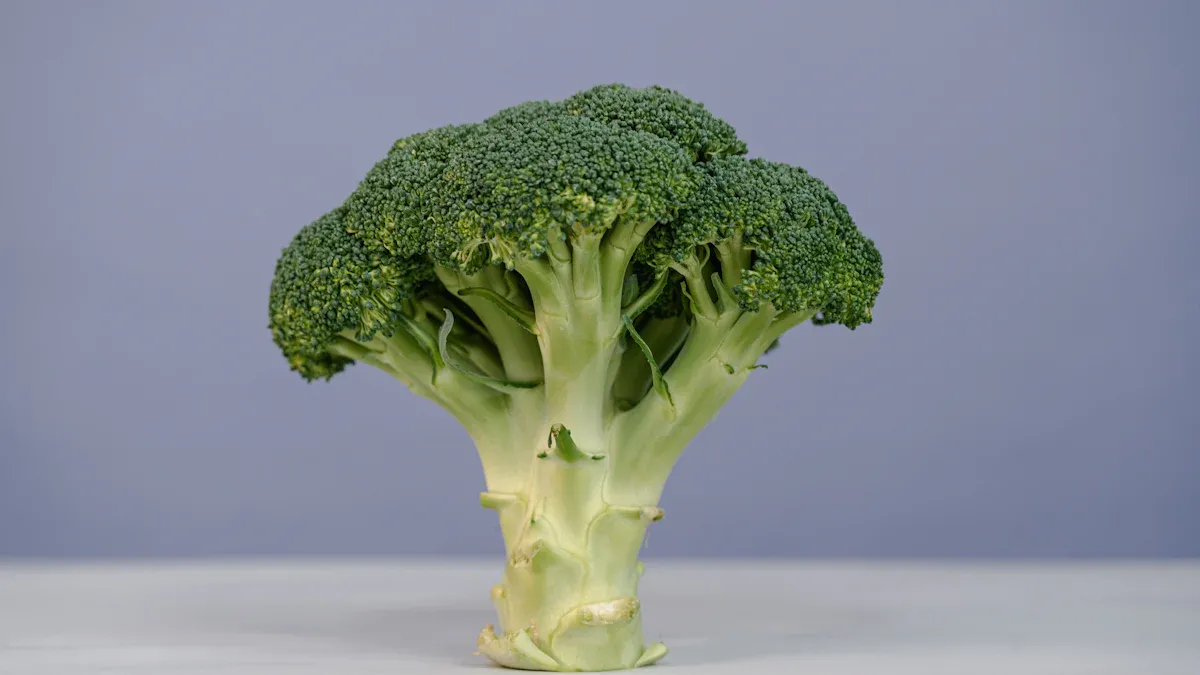
This section details the comprehensive nutritional value of broccoli. You will discover why this green vegetable is a powerhouse for your health.
Key Vitamins and Minerals
Broccoli is a true nutrient-rich vegetable. You get many essential vitamins and minerals from this plant. It is packed with vitamins. For example, one cup of raw broccoli gives you 90% of your daily Vitamin C. It also provides 11% of your daily Vitamin A. This vegetable is a good source of iron, calcium (non-dairy), magnesium, and zinc. You also find vitamins B5, B6, and E in broccoli. These nutrients keep your body working well.
Nutrient | Daily Value Percentage |
|---|---|
Vitamin C | 90% |
Vitamin A | 11% |
Fiber for Digestive Health
Broccoli has a high fiber content. This is great for your digestive system. Fiber helps move food through your gut. It prevents constipation. One cup of raw broccoli contains 2.4 grams of dietary fiber. This includes both soluble and insoluble fiber. Insoluble fiber adds bulk to stool. This helps prevent or relieve constipation. It also reduces the risk of diverticulosis. This condition involves small pouches forming in the colon.
Antioxidants and Phytonutrients
Broccoli is full of powerful antioxidants and bioactive compounds. These protect your cells from damage. Vitamin C is a potent antioxidant. It fights harmful free radicals. Broccoli also contains quercetin and kaempferol. These are flavonoids that reduce oxidative stress. Glucosinolates are other important bioactive compounds. They turn into sulforaphane in your body.
Sulforaphane boosts your natural antioxidant defenses. Carotenoids like beta-carotene and lutein also act as antioxidants. They protect your eyes and skin. Selenium, an essential mineral, is also present. It helps antioxidant enzymes work. These bioactive compounds work together for your health.
Calorie and Macronutrient Overview
Broccoli is low in calories but high in nutrition. This makes it an excellent choice for your diet. For example, one cup of raw broccoli has only 25 calories. 1.5 cups of raw broccoli has only 45 calories. It provides 417mg of potassium and 3g of fiber. The overall nutritional value of broccoli is impressive.
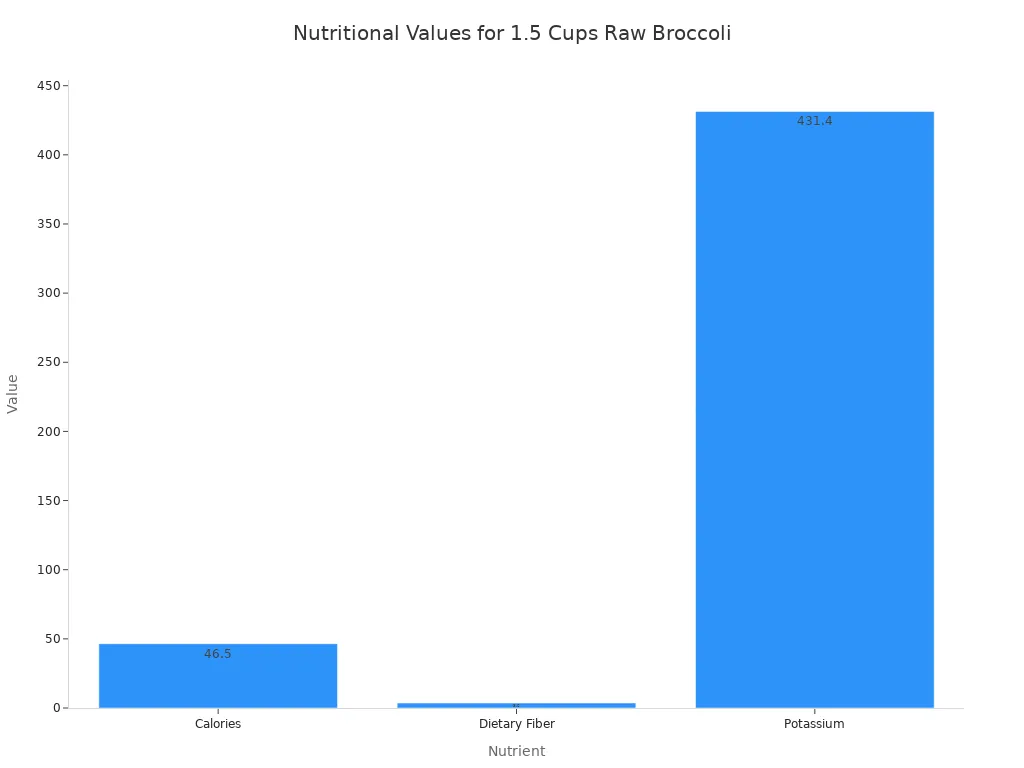
You can see the nutrient content is significant for such a low-calorie food. This broccoli nutrition profile shows you how much goodness is in each serving.
Health Benefits of Broccoli
Broccoli offers many health advantages. You gain numerous benefits when you include this vegetable in your diet. These benefits come from its rich array of vitamins, minerals, and bioactive compounds.
Immune System Support
Broccoli is a powerful ally for your immune system. It helps your body fight off illness. Sulforaphane, a key compound in broccoli, plays a big role here. This compound boosts your immune response. It increases bone marrow cellularity and the number of cells that fight infection. When you consume sulforaphane, it enhances your body’s ability to produce antibodies.
It also improves the activity of cells that “eat” harmful invaders. Sulforaphane works by activating the Nrf2 protein. This protein turns on many antioxidant and rejuvenating genes. This process helps your body combat free radicals, which can damage cells. This action provides strong immune system support. Studies show sulforaphane can even bring the immune response of older mice to levels like younger mice.
Heart Health Protection
Your heart benefits greatly from broccoli. This vegetable helps protect your cardiovascular system. Broccoli reduces inflammatory markers in your body. For example, it lowers the NLR (Neutrophil-to-lymphocyte ratio), which indicates inflammation. Its components, like vitamin K1, magnesium, flavonoids, and dietary fiber, improve how your body handles fats.
They reduce cholesterol absorption and speed up cholesterol breakdown. This helps regulate your lipid metabolism. Broccoli also enhances insulin sensitivity and glucose regulation. Its fiber slows carbohydrate digestion. Sulforaphane promotes insulin signal transduction. Vitamin C protects pancreatic cells, stabilizing blood glucose. Human studies show that high-glucoraphanin broccoli significantly reduces plasma low-density lipoprotein cholesterol. This is the “bad” cholesterol. Animal studies also show that broccoli can decrease total triacylglycerols and reduce inflammation. It even changes your gut microbiome in beneficial ways.
Digestive Wellness
Broccoli is excellent for your digestive system. Its high fiber content helps food move smoothly through your gut. This prevents constipation. The glucosinolates in broccoli are also very important. Your gut bacteria convert these into bioactive compounds like sulforaphane (SFN). SFN reduces gut inflammation. It does this by stopping immune factors that increase pro-inflammatory cytokines.
These are substances that cause inflammation. Specific gut bacteria, such as Bacteroides thetaiotaomicron, help metabolize glucoraphanin, which is a precursor to SFN. This contributes to its anti-inflammatory effects. Studies show that broccoli sprouts can lessen the negative effects of colitis, an inflammatory bowel condition. They improve health markers and help maintain gut microbial diversity. This is crucial for overall digestive wellness.
Cancer Prevention Potential
Broccoli has strong cancer prevention properties. Many studies suggest it can help protect you from various cancers. Case-control studies show a link between eating more broccoli and a lower risk of lung, respiratory tract, reproductive, pancreatic, gastric, and bladder cancers.
Cohort studies also support this. They show a protective benefit for bladder cancer and prostate cancer. While findings for colorectal and breast cancer are more complex, the overall evidence points to broccoli as a valuable food for cancer prevention. Its bioactive compounds work to protect your cells from damage that can lead to cancer.
Bone and Teeth Strength
You need strong bones and teeth, and broccoli helps you achieve this. It is a significant source of calcium, which hardens tooth enamel and strengthens your jawbone. Broccoli also provides potassium, which improves bone mineral density. Potassium works with magnesium to prevent calcium loss from your bones and teeth. Vitamin K in broccoli blocks substances that break down bone. It also helps produce osteocalcin, a protein that supports bone strength. Vitamin C strengthens your gums and the soft tissues in your mouth. It protects against gingivitis and keeps your teeth from loosening. These nutrients make broccoli one of the best vegetables for maintaining strong teeth and bones.
Eye Health Benefits
Broccoli is good for your eyes. It contains lutein and zeaxanthin. These are carotenoids that gather in your retina, specifically the macula. These bioactive compounds act as antioxidants. They protect your eyes by scavenging free radicals and filtering harmful blue light. This helps prevent age-related macular degeneration (AMD). The AREDS2 study showed that adding lutein and zeaxanthin to a supplement reduced the progression of dry AMD. This highlights how important these compounds are for preventing retinal diseases.
Skin Health and Radiance
Broccoli can help you achieve healthy, radiant skin. It is packed with vitamins and antioxidants that benefit your skin.
Vitamin C is essential for collagen production. Collagen keeps your skin elastic and firm. It also protects skin cells from damage caused by free radicals and environmental stressors like UV radiation. This reduces wrinkles and hyperpigmentation, giving you a brighter skin tone.
Vitamin E works with Vitamin C to protect your skin from oxidative damage. It moisturizes your skin and strengthens its natural barrier. Vitamin E also helps heal scars and improves skin texture.
Vitamin A (from beta-carotene) is crucial for cell turnover and repair. It promotes healthy skin cell growth and reduces acne.
Sulforaphane, a powerful antioxidant, protects your skin from UV damage and reduces redness. It supports your skin’s natural detoxification.
Glucoraphanin, a precursor to sulforaphane, helps defend against environmental damage.
Kaempferol and Quercetin are flavonoids with strong antioxidant and anti-inflammatory properties. They protect skin cells and reduce inflammation.
Lutein and Zeaxanthin protect your skin from blue light damage and improve hydration.
Folate is essential for cell repair and regeneration.
Omega-3 Fatty Acids maintain skin hydration and reduce inflammation.
Zinc helps with wound healing and collagen synthesis.
Selenium protects your skin from oxidative damage.
Fiber supports gut health, which is linked to clearer skin.
Water keeps your skin hydrated and plump.
Blood Sugar Regulation
Broccoli is an excellent food for managing your blood sugar. It has a low glycemic index (GI) of 15. This means it prevents sudden spikes in blood sugar levels. Low-GI foods like broccoli digest slowly. This leads to a gradual rise in blood sugar. This slow absorption helps maintain steady blood sugar levels. This is especially helpful for diabetes management.
Broccoli is a nonstarchy vegetable, low in carbohydrates. Its dietary fiber further aids blood sugar regulation. Fiber slows the rate at which sugar enters your bloodstream. The American Diabetes Association suggests filling half your plate with nonstarchy vegetables like broccoli. This helps with diabetes management and promotes better digestion.
Brain Health and Cognition
Your brain can also benefit from broccoli. It contains bioactive compounds that support brain health. Sulforaphane, formed when you chew broccoli, helps with brain tissue recovery and reduces neural inflammation. Research shows its neuroprotective properties against neurodegenerative diseases. Folate, a B vitamin in broccoli, is crucial for brain health.
It links to better cognitive function and a reduced risk of Alzheimer’s. Antioxidants like lutein protect brain cells from inflammation and oxidative stress. Lutein has been associated with improvements in attention, memory, and decision-making skills. Broccoli also contains vitamin K and beta-carotene. These plant-based compounds may help slow cognitive decline.
Weight Management Aid
Broccoli is a great food for weight management. It is low in calories and high in fiber. One cup of raw, chopped broccoli has only 30 calories and 2.4 grams of fiber. This combination helps you feel full for longer periods. Fiber and water promote satiety because they slow digestion. This can also increase your metabolic rate after eating. Including broccoli in your diet helps you eat fewer high-calorie, ultra-processed foods. This contributes to overall calorie reduction and supports your weight goals.
Anti-Inflammatory Properties
Broccoli has powerful anti-inflammatory properties. It contains sulforaphane, which forms when you chop or crush the vegetable. This compound has significant antioxidant and anti-inflammatory effects. Sulforaphane inhibits nitric oxide production and reduces the activation of NF-κB. NF-κB is a key regulator of the inflammatory response.
When activated, it produces inflammatory mediators. Sulforaphane targets NF-κB, stopping its activation and subsequent inflammatory processes. Broccoli also provides Vitamin C and polyphenols. These bioactive compounds are antioxidants that further contribute to reducing inflammation in your body.
Broccoli Uses and Preparation
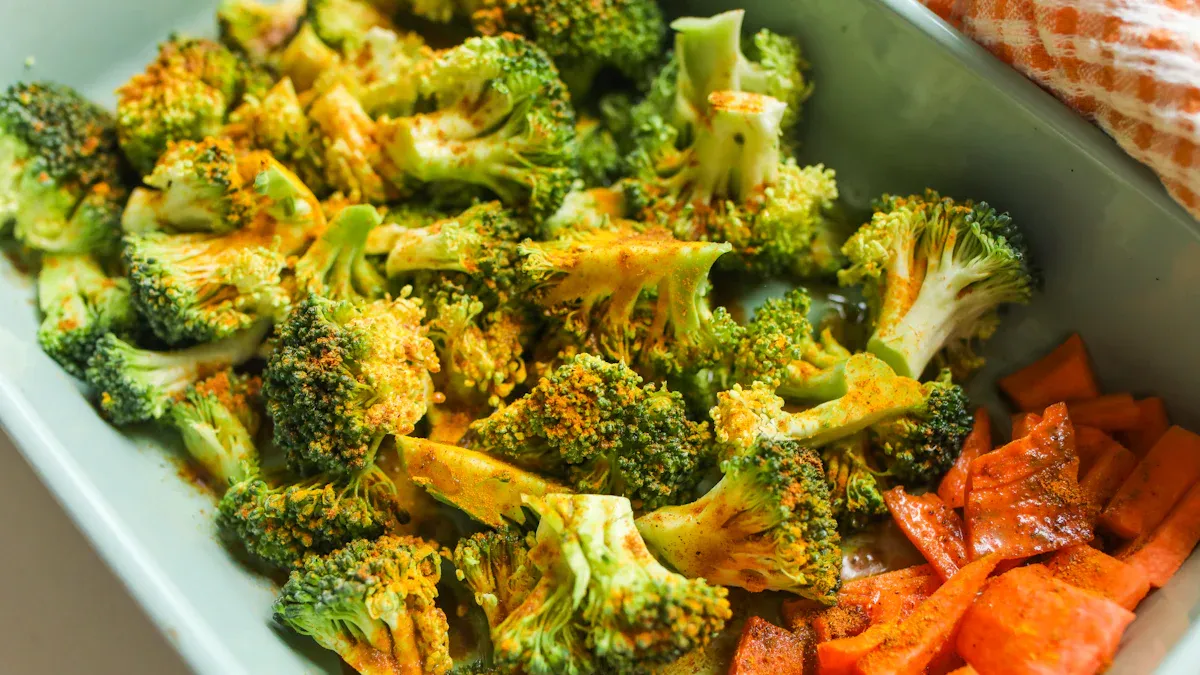
You can easily add broccoli to your daily meals. This versatile vegetable fits into many dishes. You will find practical ways to prepare and enjoy broccoli.
Versatile Cooking Methods
You want to keep broccoli’s nutrients when you cook it. Steaming is often the best method. It uses gentle heat and little water. This preserves vitamins and phytonutrients. Steam your broccoli for 3-5 minutes. You get a tender-crisp texture and fresh flavor.
Sautéing is another quick and flavorful option. Use a small amount of healthy oil, like olive oil. This helps retain fat-soluble vitamins. Sauté broccoli for 5-7 minutes. Roasting offers a deep, nutty flavor. Roast broccoli for 15-20 minutes at 200°C (400°F).
Use high heat briefly to minimize vitamin loss. Blanching is great for color and texture. Boil broccoli for 2-3 minutes, then put it in an ice bath. Microwaving is also efficient. Cook broccoli for 2-4 minutes with minimal water and a loose cover. Avoid boiling broccoli, as it causes significant loss of water-soluble vitamins. Always avoid overcooking. Aim for bright green, tender-crisp broccoli to keep its nutrients.
Creative Broccoli Recipes
Broccoli works well in many recipes. You can make chili garlic shrimp and broccoli. Try a simple broccoli Parmesan pasta. Roasted broccoli and tomatoes make a great side dish. A creamy broccoli cheddar soup is comforting. You can also prepare a refreshing broccoli salad. Mix it with a mayonnaise-vinegar dressing, bacon, onion, raisins, and sunflower seeds. A potato, sausage, and broccoli frittata is perfect for any meal.
Easy Serving Suggestions
It is simple to include more broccoli in your healthy diet. Eat raw broccoli with hummus or your favorite salad dressing. Roast broccoli at 425 F with oil and salt until it is crunchy and caramelized. You can use more of the broccoli plant too. Peel and slice the stalks. Use them for raw salads, stir-fries, or roasting. You can even eat the leaves. Add broccoli to casseroles for a healthy green boost. Brighten simple boiled broccoli with lemon wedges. Make a broccoli-walnut pesto for your pasta. This is a healthier and cost-effective option.
Broccoli truly stands out as a superfood. You now understand its impressive broccoli nutrition. The nutritional value of broccoli provides many health benefits. Make this versatile broccoli a regular part of your meals. It is easy to add broccoli to your diet. This simple step with broccoli significantly impacts your overall well-being. Start enjoying the incredible benefits of broccoli today!
FAQ
Can you eat broccoli raw?
Yes, you can eat raw broccoli. It is crunchy and full of nutrients. You can add it to salads or eat it with dips. Raw broccoli offers a slightly different texture and flavor. 🥦
What is the best way to cook broccoli to keep nutrients?
Steaming is a great method. It helps you keep most of the vitamins. You can also roast or sauté it quickly. Avoid overcooking your broccoli. This helps you maintain its nutritional value.
Are broccoli stalks edible?
Yes, broccoli stalks are edible. You can peel them and slice them. Add them to stir-fries, salads, or roast them. They have a slightly sweeter taste than the florets. Don’t waste them!
Does frozen broccoli have the same nutrients as fresh?
Frozen broccoli is very nutritious. Manufacturers often freeze it at its peak freshness. This helps you keep many of its vitamins and minerals. You can confidently use frozen broccoli. ❄️