

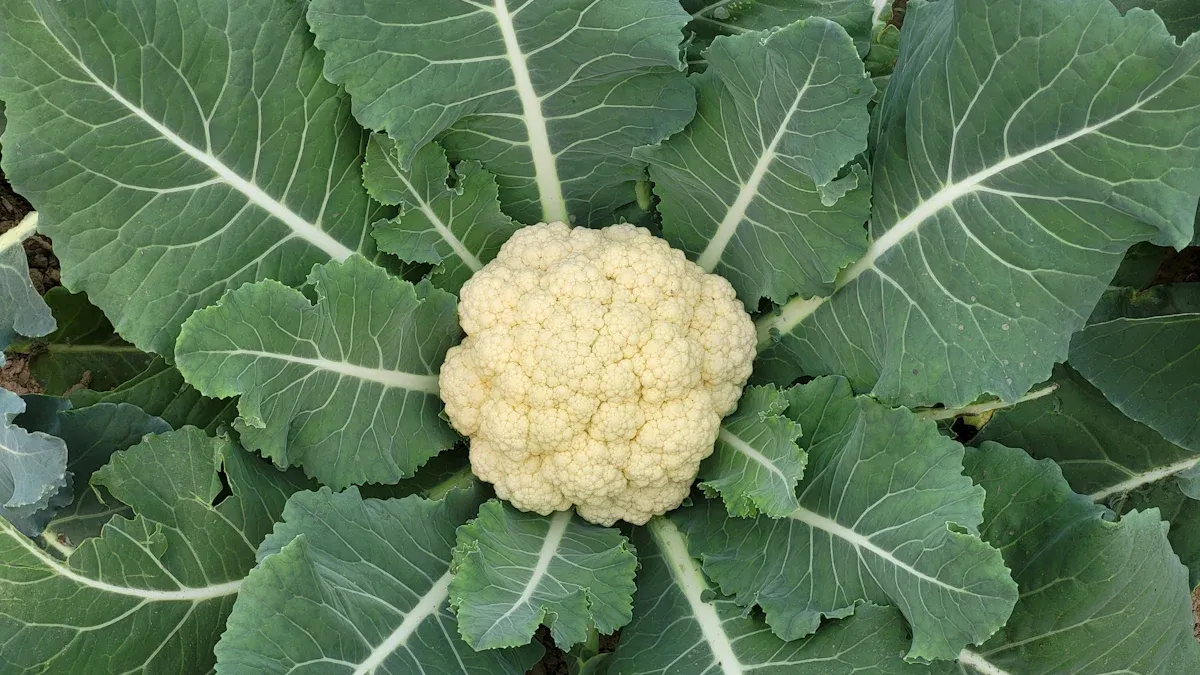
Have you noticed cauliflower appearing everywhere? This unassuming vegetable is now a true superfood. Its rising popularity is clear; the overall cauliflower market will likely grow by 4.62% from 2025 to 2034. You gain incredible cauliflower nutrition from this versatile vegetable. It offers amazing health benefits of cauliflower, making this powerful cauliflower a smart addition to your diet. Discover the many health benefits and uses of this incredible cauliflower.
Key Takeaways
Cauliflower is a healthy vegetable. It has many vitamins and minerals. These include vitamin C and vitamin K.
Cauliflower helps your body in many ways. It has fiber for good digestion. It also has choline for your brain and liver.
Cauliflower contains special compounds. These compounds can help fight cancer. They also reduce swelling in your body.
You can use cauliflower in many dishes. It is a good low-carb choice. You can roast it, mash it, or make it into rice.
Cauliflower Nutrition Profile
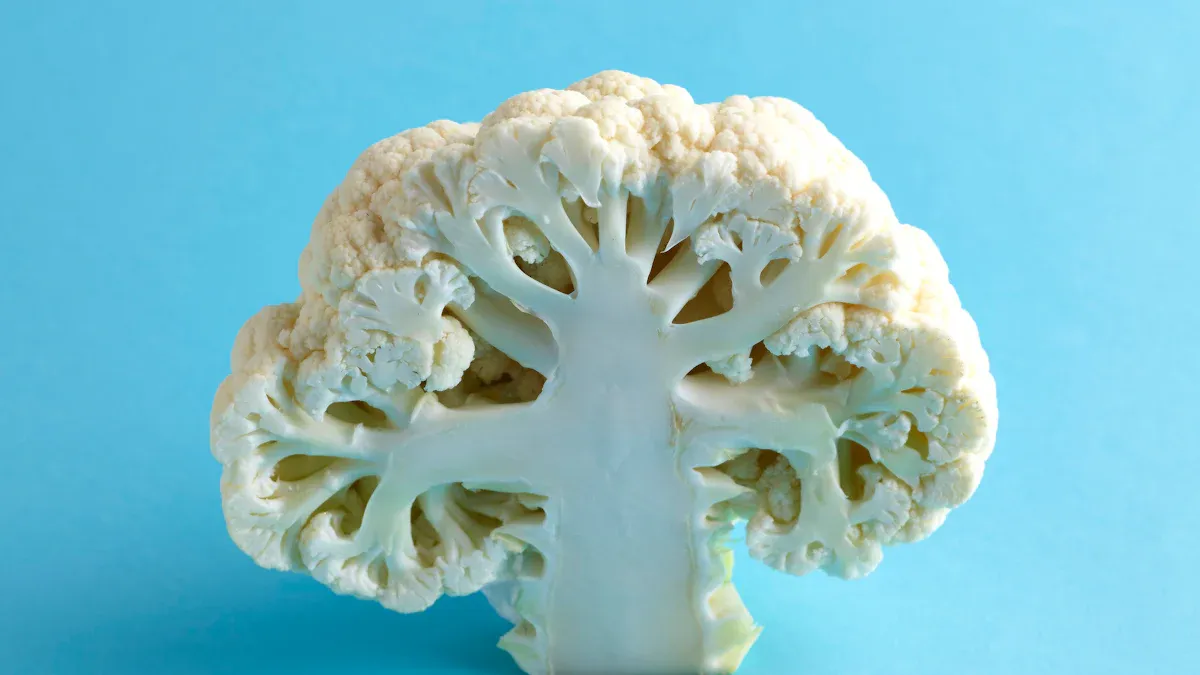
Understanding the nutritional profile of cauliflower helps you appreciate its value. This versatile vegetable offers a wealth of nutrients. You will find that cauliflower is naturally fat-free, cholesterol-free, and very low in sodium. It is a smart choice for almost any diet.
Key Vitamins and Minerals
Cauliflower is a powerhouse of essential vitamins and minerals. You get a significant boost of vitamin C from this vegetable. One cup of raw cauliflower provides 77 percent of your daily recommended vitamin C intake. This helps support your immune system.
Cauliflower also contains other important vitamins. You will find a considerable amount of vitamin K in cauliflower. It also provides beta-carotene, which your body converts into vitamin A. Vitamin A is important for vision and immune function. Folic acid, or vitamin B9, is another key nutrient present.
Here is a look at some of the vitamins you get from cauliflower:
Vitamin | Amount (mcg) |
|---|---|
Vitamin A | 207.7 |
Folic Acid (B9) | 35.0 |
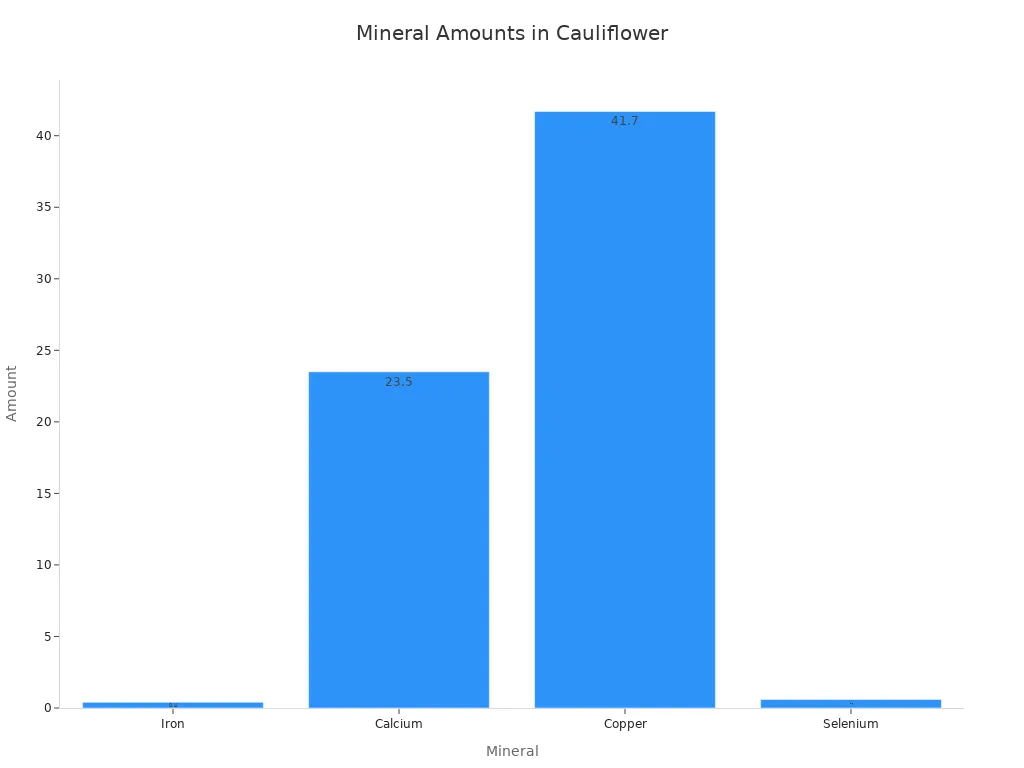
Beyond vitamins, cauliflower is a good source of minerals. These minerals play vital roles in your body’s functions. A standard serving of cauliflower is about 1 cup chopped, which weighs around 107 grams. This serving provides you with important minerals.
Here are some of the minerals found in a standard serving of cauliflower:
Mineral | Amount (Nutrivore) |
|---|---|
Iron | 0.4 mg |
Calcium | 23.5 mg |
Copper | 41.7 μg |
Selenium | 0.6 μg |
You can see the amounts of these minerals in the chart below:
Macronutrient Breakdown
When you look at the macronutrient breakdown, cauliflower shines as a low-calorie, low-carbohydrate option. It fits well into many eating plans. One cup of cauliflower contains very few calories. It also provides a good amount of dietary fiber. This makes it a satisfying food choice.
Here is what you get in one cup of cauliflower:
Nutrient | Amount per 1 cup |
|---|---|
Calories | 25 |
Total Carbohydrate | 5.3g |
Dietary Fiber | 2.5g |
As you can see, cauliflower is high in fiber. This is beneficial for your digestive health. The low calorie and carbohydrate count makes it an excellent food for managing weight.
Antioxidants and Phytonutrients
The cauliflower nutrition story does not end with vitamins and minerals. This vegetable is also rich in powerful antioxidants and phytonutrients. These compounds help protect your body’s cells from damage. They contribute to overall health.
Some of the key antioxidants and phytonutrients in cauliflower include:
Sulforaphane
Glucosinolates
You also benefit from other beneficial plant compounds:
Quercetin
Kaempferol
These compounds are part of what makes cauliflower such a valuable source of nutrients for your diet.
Health Benefits of Cauliflower
Cauliflower offers many health benefits. Its compounds may reduce your risk of several diseases. You can fight illness, strengthen your bones, and protect your liver and gut. Cauliflower also decreases inflammation in your body.
Antioxidant Power
Cauliflower is rich in antioxidants. These compounds protect your body’s cells from damage. They help keep you healthy. A study showed that all parts of cauliflower, even the leaves, contain powerful compounds. These include glucosinolates, phenolics, and flavonoids. These compounds give cauliflower its strong antioxidant ability. You get these health benefits when you eat cauliflower. This supports your immune system.
Fiber for Digestion and Weight
Cauliflower is high in fiber. Fiber is crucial for your digestion. It helps move food through your system smoothly. One cup of cauliflower gives you 3 grams of fiber. This is a good start toward your daily fiber goal. Women up to age 50 need about 25 grams of fiber daily. Men need 38 grams. For those over 50, women need 21 grams, and men need 30 grams.
Fiber also helps you feel full. This can prevent overeating. It may help weight management. Fiber-rich foods promote satiety. They help regulate your appetite. This contributes to weight loss. Increasing your fiber intake can reduce body weight and fat. Fiber also feeds your gut bacteria. This creates beneficial short-chain fatty acids. These improves digestion and may support gut health. They also have anti-inflammatory effects. A diet high in fiber can lead to weight loss and better metabolic health. This makes cauliflower a great addition to your diet for weight loss.
Choline for Brain and Liver
Cauliflower contains choline. Choline is an essential nutrient. It helps your brain and liver work well. One cup of cooked cauliflower provides about 58 milligrams of choline. This is about 11% of your daily needs. Choline helps make acetylcholine. This is a brain chemical important for memory and thinking. It supports healthy cell membranes. Choline also helps regulate your mood and muscle control.
For your liver, choline moves fat out. This prevents fat buildup. It helps prevent conditions like fatty liver disease. Choline is vital for transporting fats from your liver. A lack of choline can lead to fat accumulation. This can cause Nonalcoholic Fatty Liver Disease (NAFLD). Eating cauliflower may protect against heart disease by keeping your liver healthy.
Sulforaphane and Cancer Prevention
Cauliflower contains sulforaphane. This compound has strong anti-cancer properties. It may lower chronic disease risk. Sulforaphane has been studied for its effects on many cancers. These include breast, hepatic, bladder, osteosarcoma, glioblastoma, leukemia, pancreatic, and melanoma. It may also reduce the risk of colon and prostate cancer.
Sulforaphane works in several ways. It can cause cancer cells to die. It stops cancer cells from growing too much. It also affects genes and can reactivate tumor suppressor genes. Sulforaphane can target cancer stem cells. It reduces chronic inflammation. This helps prevent cancer development. These actions show how cauliflower may help in cancer prevention.
Anti-Inflammatory Effects
Cauliflower has anti-inflammatory benefits. Its compounds help reduce inflammation in your body. Glucosinolate breakdown products act as therapeutic agents for inflammatory responses. Hydroxycinnamic acid derivatives also show strong anti-inflammatory effects. These compounds work together to reduce inflammation.
Eating cruciferous vegetables, like cauliflower, can lower inflammation markers. Studies show lower levels of TNF-α, IL-1β, and IL-6 in people who eat more of these vegetables. These are markers of inflammation in your body. Cauliflower’s anti-inflammatory benefits also contribute to cardiovascular protection. It helps reduce systemic inflammation. Its vitamin K content helps prevent calcium buildup in your arteries. This may protect against heart disease. Its fiber content also helps maintain healthy cholesterol levels. These benefits may support gut health and your overall immune system.
Bone Health Support
Cauliflower also supports strong bones. It contains vitamin K. Vitamin K is important for bone health. It helps your body use calcium effectively. This helps keep your bones dense and strong.
Cauliflower: Versatile Uses

Low-Carb Alternative
You can use cauliflower in many ways. It is a great low-carb alternative. This makes it perfect for many diets. Cauliflower has a low glycemic index (GI) of 15. This is much lower than other common starches.
Food Item | Glycemic Index |
|---|---|
Cauliflower | 15 |
White Potato | 78 |
White Rice | 73 |
Broccoli | 15 |
Carrots (raw) | 39 |
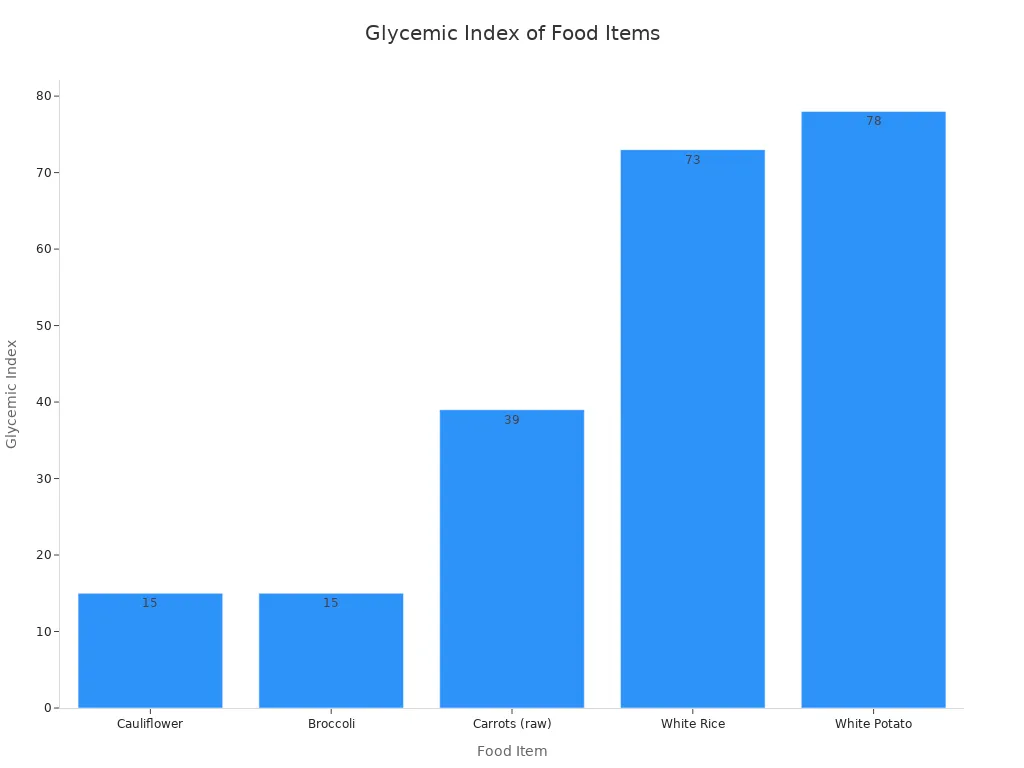
A low GI means it raises your blood sugar slowly. This helps manage blood sugar. It is a diabetes-friendly choice. You can swap it for high-carb foods like potatoes and rice.
Roasting and Grilling
Roasting and grilling bring out cauliflower’s nutty flavor. You can roast cauliflower at 425°F for 15 to 25 minutes. Adjust the time for floret size. Turn the florets and rotate the pan after about 15 minutes. Look for golden edges and tenderness. You can use many seasonings. Try garlic powder, onion powder, or smoked paprika. Wet marinades work well for grilling. Za’atar seasoning gives a bright, herby flavor.
Steaming and Mashing
Steaming is a healthy way to cook cauliflower. It helps keep nutrients. Steaming causes less loss of ascorbic acid than boiling. You can steam cauliflower until it is tender. Then you can mash it. Mashed cauliflower makes a creamy side dish. It is a good substitute for mashed potatoes.
Cauliflower Rice and Pizza Crust
Cauliflower is excellent for making low-carb versions of your favorite foods. You can make cauliflower rice. This replaces grain rice. Many popular recipes use this versatile vegetable. You can also make cauliflower pizza crust. This is a grain-free option. To make a cauliflower pizza crust, you squeeze out moisture from riced cauliflower. Then you mix it with egg, cheese, and spices. You bake it until golden brown. This gives you a healthy cauliflower pizza.
Soups and Curries
You can add cauliflower to soups and curries. It adds texture and nutrients. It blends well into creamy soups. It also absorbs flavors in curries. These are more ways to enjoy cauliflower.
Cauliflower: Considerations
You should know about a few things when you add cauliflower to your meals. Most people enjoy cauliflower without any problems. However, some individuals might need to be careful.
Thyroid Health Concerns
You might wonder about cauliflower and your thyroid. Cruciferous vegetables, like cauliflower, contain compounds called goitrogens. These can affect how your thyroid uses iodine. Iodine is important for your thyroid to work normally. If you have hypothyroidism or an iodine deficiency, you might want to limit how much you eat. This is especially true for raw or juiced cauliflower. Cooking these vegetables lessens their goitrogenic properties. For most people, goitrogens are not a concern. Eating cauliflower offers many health benefits. You would need to eat a very large amount for it to cause problems.
Digestive Sensitivity
Some people find cauliflower hard to digest. You might experience bloating or gas after eating it. This happens because cauliflower contains sulfur compounds and resistant starch. Your gut bacteria ferment these, which can produce gas. Cauliflower also has raffinose. This is a carbohydrate your body cannot easily break down. It ferments in your large intestine, causing more gas and bloating. If you have digestive issues like irritable bowel syndrome, you might notice more severe discomfort.
Pesticide Residue
Conventionally grown cauliflower can sometimes have pesticide residues. For example, imidacloprid is a pesticide found on some samples. You can reduce these residues by washing your cauliflower well. Soaking it in solutions like acetic acid (vinegar) or citric acid can help. A vinegar solution soak is very effective. You can use 1/4 cup of white vinegar per gallon of water. Soak the cauliflower for 8-10 minutes. A salt water soak also works well. After soaking, rinse it thoroughly under cool running water. You can also try a “shake and spray” method with a vinegar-water solution for a quick clean.
Cauliflower offers exceptional cauliflower nutrition. You gain many health benefits from this versatile vegetable. It is rich in vitamins, minerals, and powerful antioxidants. You can use cauliflower in countless ways in your diet. It serves as a low-carb alternative and enhances many dishes. Embrace this accessible superfood. Experiment with cauliflower to boost your health and culinary enjoyment.
FAQ
Is cauliflower good for weight loss?
Yes, cauliflower is excellent for weight loss. It is low in calories and high in fiber. Fiber helps you feel full longer. This can reduce your overall food intake. You can easily substitute it for higher-calorie ingredients.
Can cauliflower cause digestive issues?
Some people may experience gas or bloating from cauliflower. This is due to its fiber and certain sugars. If you have a sensitive digestive system, start with small amounts. Cooking cauliflower thoroughly can also help reduce these effects.
How does cauliflower help prevent cancer?
Cauliflower contains sulforaphane. This compound has strong anti-cancer properties. It helps your body fight cancer cells. Sulforaphane may reduce the risk of several types of cancer. You gain protective benefits from eating it regularly.
What is the best way to cook cauliflower to keep its nutrients?
Steaming is a great way to cook cauliflower. It helps retain most of its vitamins and minerals. Roasting is another good option. You can also eat it raw. Avoid over-boiling, as this can cause nutrient loss.