


Many people consider chicken wings an unhealthy indulgence. They often associate them with high fat and calories. This perception raises a key question: Are chicken wings truly unhealthy, or is there more to their nutrition story? This article explores chicken wings nutrition data in detail. It examines their nutritional profile, potential benefits, and common concerns. Preparation methods drastically alter their health impact. Readers will gain knowledge to make informed choices about chicken wings nutrition.
Key Takeaways
Chicken wings offer good protein and important vitamins. They help muscles grow and keep your body healthy.
How you cook chicken wings changes their health. Baking, grilling, or air-frying makes them healthier than deep-frying.
Many sauces add a lot of sugar and salt. Choose dry rubs or make your own sauces to keep wings healthy.
Eat chicken wings in small amounts. Pair them with vegetables for a balanced meal.
Chicken Wings Nutrition Data: A Detailed Look
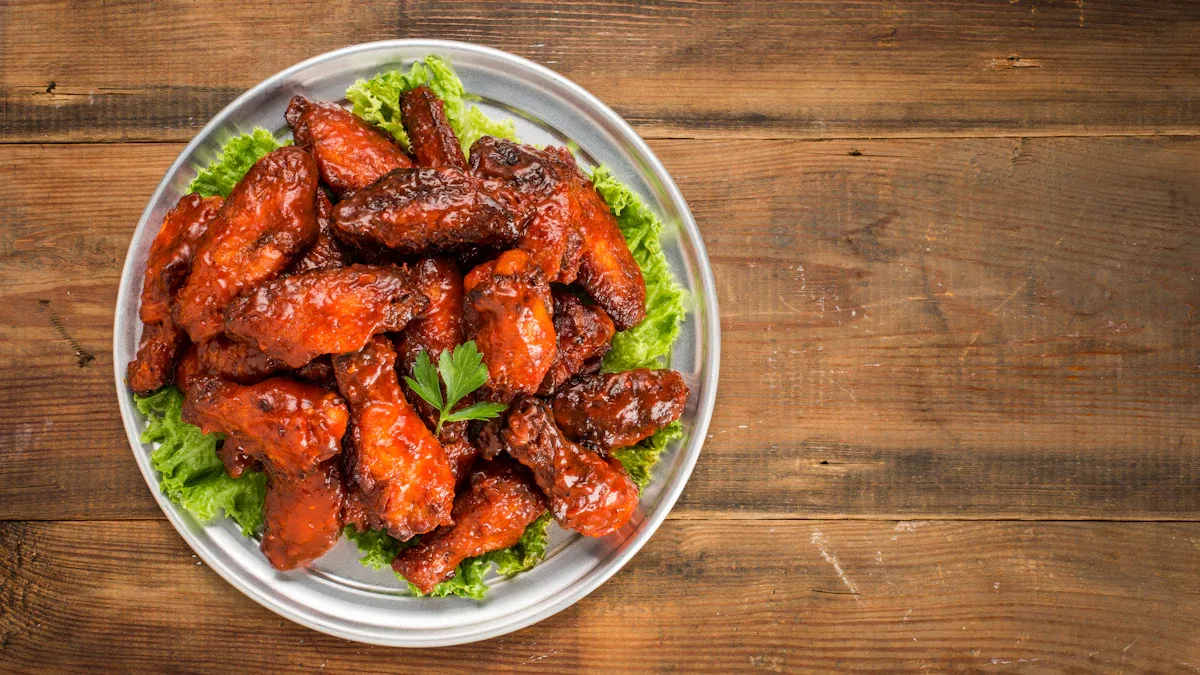
This section provides specific chicken wings nutrition data. It offers a detailed look at their nutritional makeup. Understanding these nutrition facts helps consumers make informed choices.
Macronutrients: Protein, Fat, Carbs
Chicken wings offer significant macronutrients. They are a good source of protein and fats. They contain very few carbohydrates. A single wing provides around 6 grams of protein. The meat part, approximately 20 grams, contains 42 calories, 6 grams of protein, and 2 grams of fat. It has no carbohydrates. Chicken wings are almost carbohydrate-free. This makes them suitable for low-carb diets. The overall composition per 100 grams of cooked meat is about 30% protein and 20% fat.
Here are the average nutritional values per 100 grams of cooked chicken wing meat without skin:
Nutrient | Value (per 100g) |
|---|---|
Calories | 201 |
Protein | 30g |
Fat | 9g |
Carbohydrates | 0g |
A medium chicken wing, with the skin eaten and bone removed after cooking, contains 8.52 grams of protein. Another general statement indicates a medium chicken wing (skin eaten) has approximately 9 grams of protein. This high-quality protein is crucial for muscle repair and growth.
Key Vitamins and Minerals
Chicken wings are not just about protein and fats. They also contain essential vitamins and minerals. These nutrients contribute to overall health. Key vitamins include Vitamin B6, Vitamin B12, and Niacin (B3). Important minerals are Phosphorus, Zinc, and Selenium.
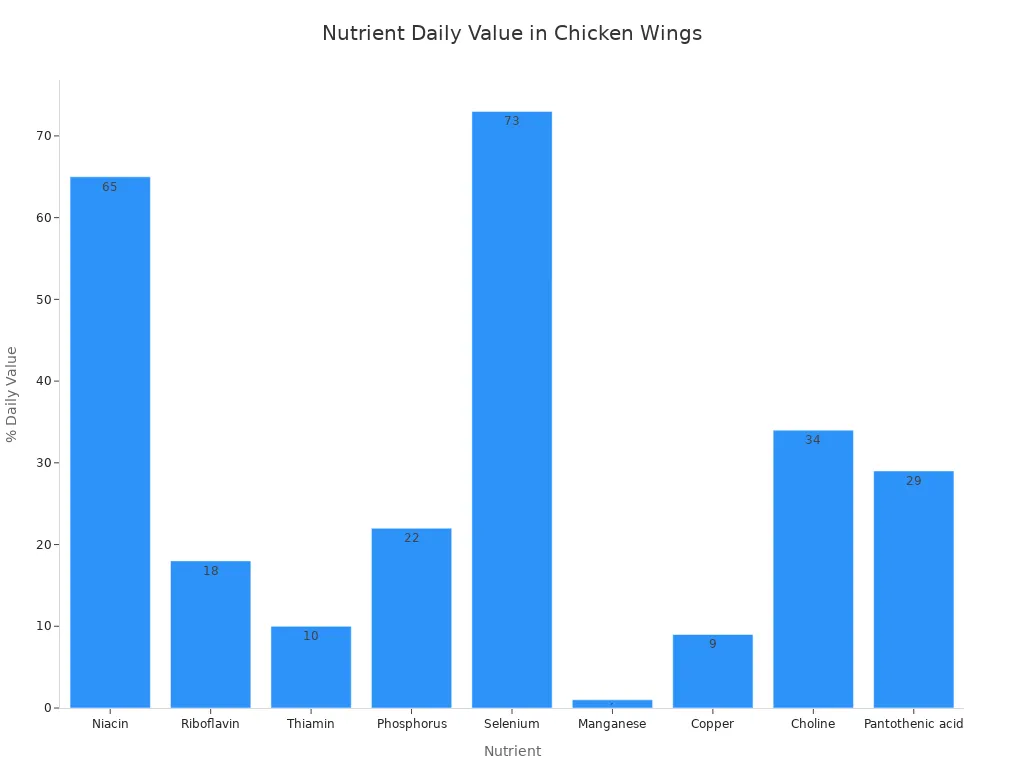
Here is a breakdown of some nutrients and their daily value percentages:
Nutrient | Amount | % Daily Value |
|---|---|---|
Niacin | 12.9mg | 65% |
Riboflavin | 0.2mg | 18% |
Thiamin | 0.1mg | 10% |
Phosphorus | 279mg | 22% |
Selenium | 40mcg | 73% |
Manganese | 0mg | 1% |
Copper | 0.1mg | 9% |
Choline | 186mg | 34% |
Pantothenic acid | 1.5mg | 29% |
These nutrition facts show chicken wings provide a good range of micronutrients. They support various bodily functions.
Understanding Chicken Wings Nutrition Facts
The overall nutrition of chicken wings varies greatly with preparation. The calorie count of chicken wings changes significantly based on the cooking method. Grilled or baked wings, without added oil or sauces, typically contain 45 to 60 calories per wing. Fried wings, especially deep-fried ones, can range from 80 to 110 calories each due to absorbed fat. If wings are breaded and fried, the calorie count increases further. Additionally, sauces like buffalo, honey garlic, or barbecue can add 30 to 60 extra calories per wing.
Here is a comparison of calories per 6 wings based on preparation:
Preparation Method | Calories per 6 Wings |
|---|---|
Baked | 240–300 |
Fried | 432–660 (estimated) |
Grilled | 210–300 |
Air-Fried | 270–360 |
These detailed nutritional values highlight the importance of cooking methods. They show how preparation impacts the final chicken wings nutrition data. Consumers should consider these nutrition facts when choosing how to enjoy chicken wings.
Are Chicken Wings Healthy? Benefits & Concerns
People often wonder, “Are chicken wings healthy?” The answer involves looking at both their benefits and potential concerns. Chicken wings offer valuable nutrients, but preparation methods significantly impact their health profile. This section explores the dual nature of chicken wings’ health impact.
Protein Power and Essential Nutrients
Chicken wings are a powerhouse of protein. They provide a high protein content crucial for many bodily functions. This high-quality protein supports muscle repair and growth. It also helps with energy production and keeps people feeling full. These nutritional benefits make chicken wings a good option for those seeking to increase their protein intake.
Beyond protein, chicken wings contain essential vitamins and minerals. They are rich in B vitamins, such as Niacin (B3), Vitamin B6, and Vitamin B12. These vitamins play vital roles in metabolism and nerve function. Important minerals like Phosphorus, Zinc, and Selenium are also present. Phosphorus is essential for bone health, while Zinc supports the immune system. Selenium acts as an antioxidant. These nutrients contribute to the overall health benefits of chicken wings.
Calorie and Fat Considerations
While chicken wings offer many benefits, people must consider their calorie and fat content. The way people prepare chicken wings greatly affects these numbers. Frying chicken wings, especially with the skin on, adds significant calories and fats.
Consider the saturated fat content:
Nutrient | Amount (per 100g) |
|---|---|
Saturated Fat | 4 – 6 g |
This data represents fried chicken wings. In contrast, baked chicken wings without skin contain less saturated fat.
Nutrient | Amount (per 100g) |
|---|---|
Saturated Fat | 2 – 3 g |
Frying introduces more calories and fat because the wings absorb oil. Baking results in fewer calories and less fat. Removing the skin from chicken wings can slash saturated fat by 55%. A single fried chicken wing (63g) with skin contains about 3g of saturated fats. These facts highlight why preparation matters for chicken wing calories and fat intake.
Sodium and Sugar Watch
A significant concern with chicken wings comes from the sauces. Many popular sauces contain high levels of sodium and added sugars. Buffalo wings and their sauces frequently contain high levels of sodium. This can negatively impact blood pressure and overall heart health.
Excessive sodium intake poses several health risks:
It is a major risk factor for cardiovascular disease, stroke, and chronic kidney disease.
Elevated sodium intake is associated with non-communicable chronic diseases such as hypertension.
A decrease in sodium intake may reduce blood pressure and the risk of associated non-communicable chronic diseases.
Reducing sodium intake to less than 2000 mg/d is more beneficial for blood pressure reduction.
A high-salt diet can lead to obesity, independent of energy or sugar intake.
The risk of childhood and adult obesity increased by 28% and 26% respectively with an increased salt intake of 1 g/d.
A meta-analysis of 18 cross-sectional studies showed a correlation between higher sodium intake and a larger waistline.
Restaurant and frozen chicken wings often contain high sodium levels. These can range from 600 to over 1,000 milligrams per serving. Brines, coatings, and sauces used in preparation cause this high sodium content. Excess sodium intake can contribute to high blood pressure and water retention.
Here is a comparison of 10 fried buffalo wings against USDA recommended daily limits:
Nutrient | 10 Fried Buffalo Wings | USDA Recommended Daily Limit |
|---|---|---|
Sodium | 5,020 mg | < 2,400 mg |
Cholesterol | 515 mg | < 300 mg |
Total Fat | 69 grams | 44 to 78 grams |
Saturated Fat | 18 grams | < 22 grams |
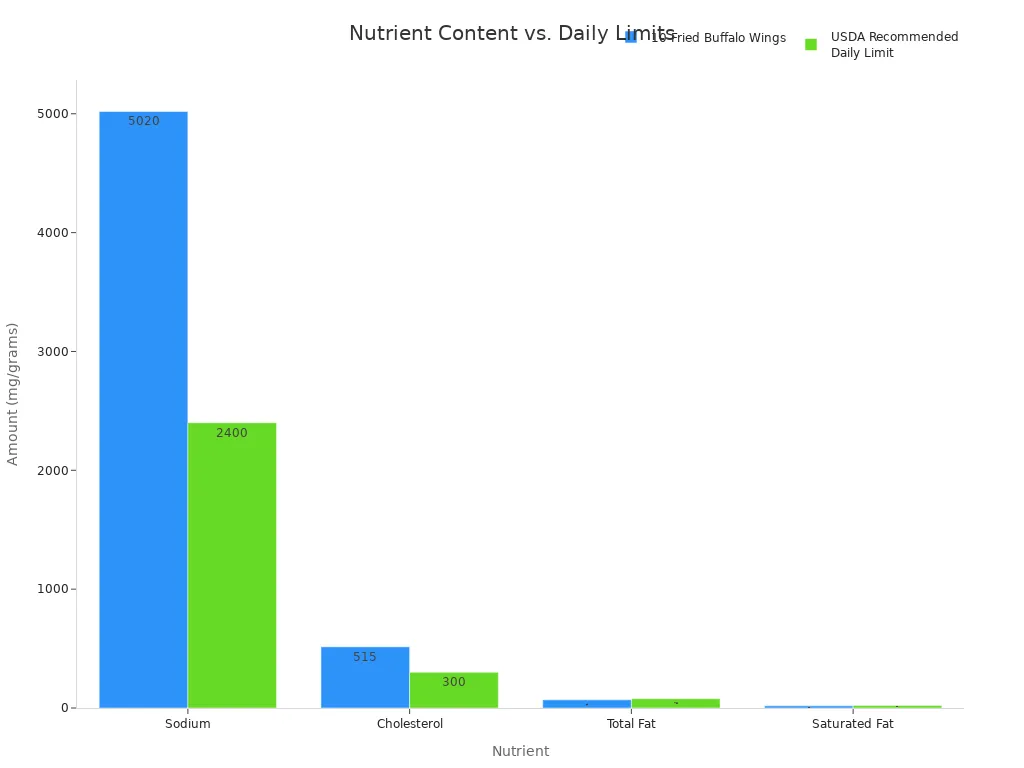
This chart clearly shows that 10 fried buffalo wings exceed the recommended daily limits for sodium and cholesterol. This information is crucial for understanding the overall chicken wings nutrition data. It helps people make informed choices about whether are chicken wings healthy for their diet.
Cooking Methods & Sauce Impact on Nutrition

The way people cook chicken wings greatly changes their nutritional content. Different cooking methods affect calories, fat, and overall health impact.
Frying vs. Baking and Air Frying
Deep-frying significantly increases calories in chicken wings. Wings absorb oil under the skin, making them a high-calorie choice. Even after draining, much oil stays within the skin. The skin itself contains natural animal fat. Deep-frying adds even more oil. Choosing baking, grilling, or air-frying instead of deep-frying can greatly change their nutritional profile and final calorie count.
Here is how different cooking methods compare for calories per wing:
Cooking Method | Calories per Wing |
|---|---|
Deep fried | 80–120 |
Breaded | 100–140 |
Sauced (sweet or creamy) | 120–200 |
Grilled | 40–60 |
Baked | 40–65 |
Air-fried | 45–70 |
Oven-baked chicken wings offer good flavor with fewer calories because they do not cook in oil. Air-frying simulates frying without oil. This method can reduce overall fat and calorie intake by up to 70 percent. Air-fried chicken wings are a popular choice for those seeking a healthier option. Air-frying is often considered the healthiest way to cook chicken wings.
Grilling for Healthier Wings
Grilling is another excellent option for healthier wings. Fat drips off during cooking, which reduces total fat. Grilling adds flavor without extra calories. Grilled chicken wings are lower in calories and have fewer fats. This makes them a better choice for health-conscious eaters. They keep the benefits of lean protein without added grease. Grilling involves little to no oil, making grilled chicken wings lower in calories and fat than fried options. This method is often seen as the healthiest way to cook.
The Sauce Factor: Hidden Additives
Sauces significantly alter the nutritional content of chicken wings. Many popular sauces contain hidden sugars, sodium, and fats. Sweet dipping sauces, like those with fast food chicken nuggets, may contain high-fructose corn syrup (HFCS). Many popular sauces are high in added sugar, often as HFCS. For example, Buffalo Wild Wings Sweet BBQ Sauce contains 13.00 grams of sugar per serving.
Here is a look at sugar content in various barbecue sauces:
These added ingredients can quickly turn a healthy protein source into a less healthy meal. Always check nutrition labels for sauces.
Healthier Chicken Wing Enjoyment
People can enjoy chicken wings as part of a balanced diet. Making smart choices about preparation and consumption helps. These tips guide consumers toward healthier chicken wing enjoyment.
Smart Preparation Techniques
Preparing chicken wings wisely makes a big difference. Removing the skin before cooking significantly reduces fat and calories. Marinating wings adds flavor without unhealthy additives. Healthy marinades enhance the natural flavor of chicken wings. They also add nutritional value.
These options show how to choose wings for better health. They allow people to enjoy delicious chicken wings while maintaining a healthy diet.
Portion Control and Mindful Eating
Practicing portion control is key for a healthy diet. Mindful eating helps prevent overconsumption. When eating chicken wings, consider these strategies:
Leverage ‘In-Sight, In-Mind’: Leaving bones visible can reduce calorie intake. This awareness helps control how much more you eat.
Pre-plate Meals: Put all the food you plan to eat on your plate at once. This reduces overall calorie consumption.
Pace Yourself: It takes about 20 minutes for your brain to register fullness. Eating slowly allows your body’s satiety signals to catch up. This prevents overeating.
These methods help manage intake of chicken wings.
Pairing for Balanced Meals
Pairing chicken wings with nutritious sides creates a balanced meal. This approach adds essential vitamins and fiber. It also helps reduce the overall heaviness of the meal.
Roasted vegetables and sweet potato fries are excellent nutrient-dense side dishes. Roasted vegetables like broccoli, Brussels sprouts, or asparagus offer natural sweetness and strong flavor. Sweet potato fries provide a pleasant sweet and crispy experience. They match the flavor satisfaction of traditional chips while offering nutritional benefits.
Other great side options include:
Avocado Corn Salad: This refreshing salad offers tangy lime, creamy avocado, and crunchy sweet corn.
Pea Salad: This colorful, fresh, mayo-based salad cools down spicy wings. It contains peas, onion, cheddar, and bacon.
Easy Coleslaw: This crunchy salad with a silky dressing adds texture and balances the meal.
Garden salad: A fresh mix of seasonal vegetables adds essential vitamins and fiber.
These pairings ensure a more complete nutrition profile. They make chicken wings a part of a truly healthy diet.
Chicken wings provide protein and essential nutrients. Their health benefits depend on preparation and portion size. Whether chicken wings are healthy varies greatly with cooking methods and sauces. People should prioritize baking, grilling, or air frying for healthier wings. Choose dry rubs over sugary sauces. Moderation and informed nutrition choices are key. Experiment with homemade sauces to enjoy chicken wings without guilt. Balance enjoyment with health.
FAQ
Are chicken wings good for building muscle?
Chicken wings provide high-quality protein. Protein is essential for muscle repair and growth. They can support muscle building when people prepare them healthily. (flexed biceps emoji)
Can people eat chicken wings on a diet?
Yes, people can eat chicken wings on a diet. Choose baked, grilled, or air-fried wings. Avoid high-calorie sauces. Portion control is also important for a balanced diet.
What is the healthiest way to cook chicken wings?
Baking, grilling, or air-frying are the healthiest cooking methods. These methods reduce fat and calories. They avoid the excess oil absorption from deep-frying. (poultry leg emoji)
Do chicken wings have a lot of sodium?
Chicken wings themselves do not have high sodium. However, many sauces and seasonings add significant sodium. Choose low-sodium sauces or make homemade alternatives. (salt shaker emoji)