

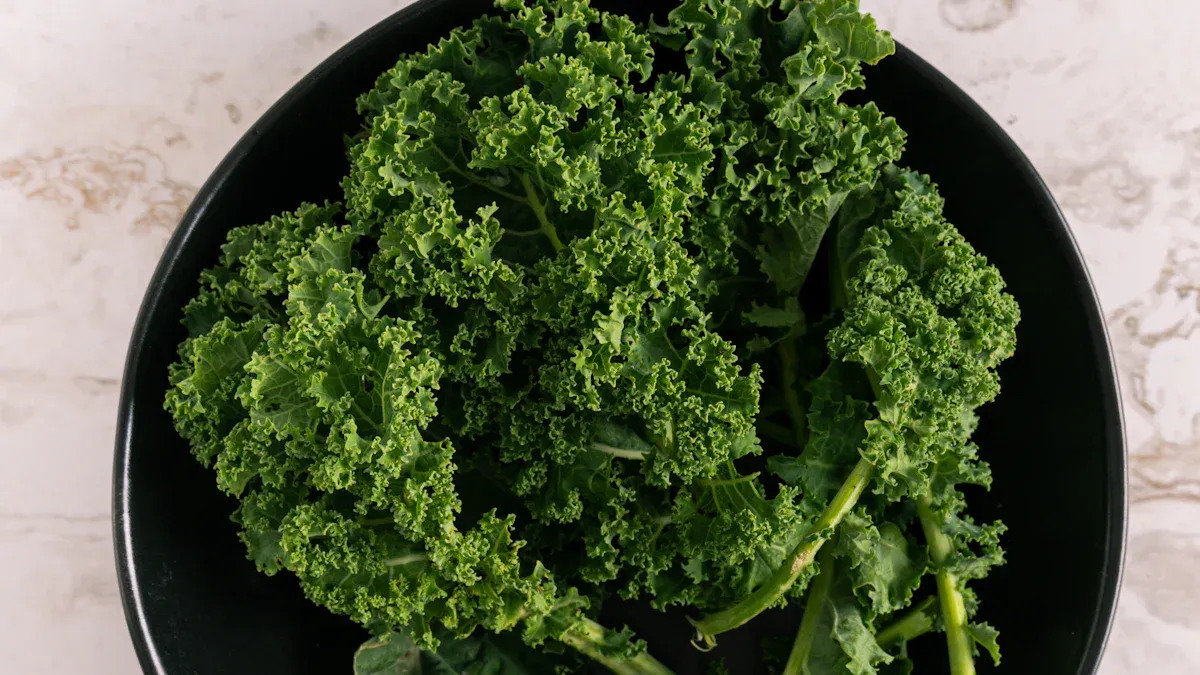
Kale has rapidly gained popularity, becoming a staple in healthy diets worldwide. Its global market is projected to grow by 5.9% from 2025 to 2035, reflecting increased consumer awareness of this incredible vegetable. This leafy green truly earns its superfood title. Kale belongs to the cabbage family. It features vibrant green or purple leaves. This powerhouse offers exceptional kale nutrition. It delivers numerous powerful health benefits. This blog explores the facts, benefits, and practical uses of kale.
Key Takeaways
Kale is a superfood. It has many important vitamins, minerals, and antioxidants. These help your body stay healthy.
Eating kale can boost your immune system and help your eyes. It also supports a healthy heart and strong bones.
Kale helps your body get rid of bad stuff. It also helps your skin and hair look good.
You can add kale to many meals. Try it in smoothies, salads, or cooked dishes. This makes it easy to eat more kale.
Most people can eat kale safely. If you take blood thinners or have thyroid issues, talk to your doctor first.
What is Kale: Superfood Overview
Defining Kale Varieties
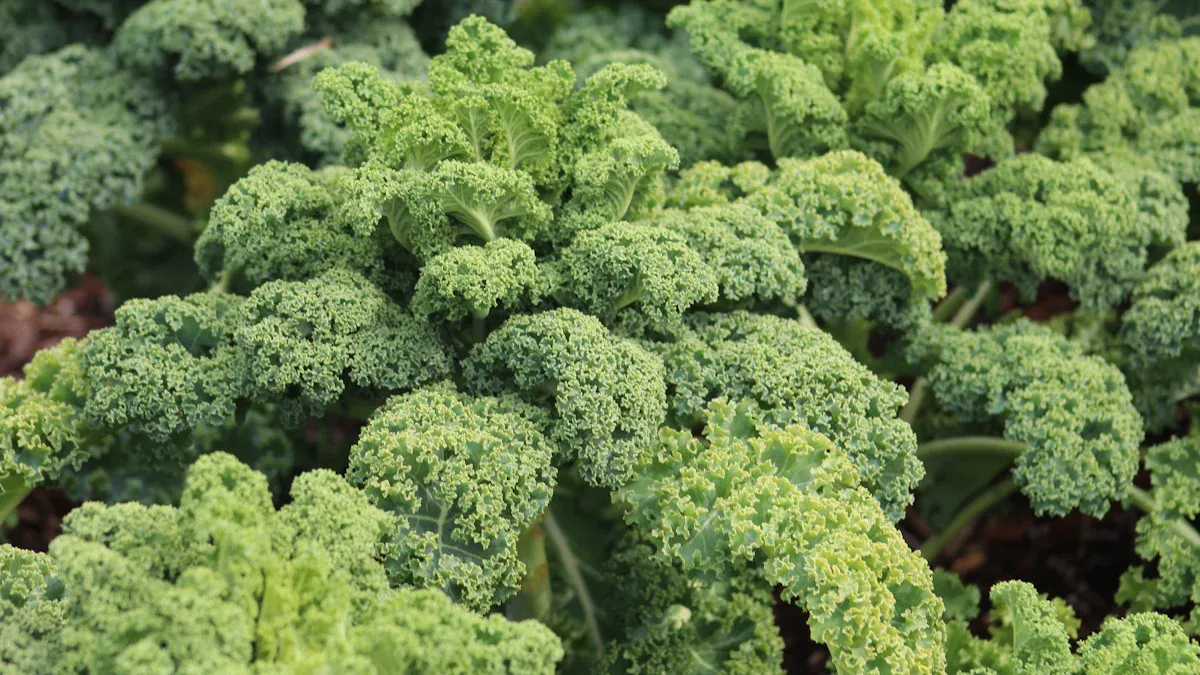
Kale is a versatile leafy green. It appears in many forms. Each type offers unique textures and flavors. People often recognize curly kale. This variety has ruffled, wavy leaf edges. It is the most common type. Tuscan kale, also known as Lacinato or dinosaur kale, features dark green, bumpy leaves. It is thinner and more tender than curly kale.
Collards are another type. They have large, flat, roundish leaves. These resemble wild cabbages. Russian kales, like Siberian kale, come from a different plant species. Red kale, also called Scarlet or Russian kale, looks similar to curly kale but has a reddish hue. Baby kale is a younger version of kale. It offers a milder flavor. People often use it in salads.
Why Kale is a Superfood
Kale earns its superfood title from its dense nutritional profile. This leafy green packs many essential nutrients. It contains high levels of vitamins. These include vitamins K, C, A, B6, and folate. Kale also provides important minerals.
Manganese is present in significant amounts. Other minerals include magnesium, iron, potassium, sulfur, copper, phosphorus, and calcium. Beyond vitamins and minerals, kale offers other beneficial compounds. It contains carotenoids like lutein and zeaxanthin. These are powerful antioxidants. Fiber is also abundant in kale. This aids digestion. Furthermore, kale has glucosinolates. These sulfur-containing compounds break down into isothiocyanates and indole-3-carbinol. These compounds contribute to kale’s health-promoting properties. Kale truly stands out as a nutritional powerhouse.
Understanding Kale Nutrition: Profile & Facts
Kale stands out as a nutritional powerhouse. Its dense nutrient profile offers many health benefits. This section explores the specific vitamins, minerals, antioxidants, and macronutrients that make kale a true superfood. Understanding kale nutrition helps people appreciate its value.
Key Vitamins and Minerals
Kale provides an impressive array of essential vitamins and minerals. A single cup of raw kale offers a significant portion of daily recommended values. It contains high levels of Vitamin A, providing 206% of the daily value. Vitamin K content is even more remarkable, offering 684% of the daily value. This leafy green also delivers a substantial amount of Vitamin C.
Nutrient | Daily Percentage Value |
|---|---|
Vitamin C | 17% |
Beyond these, kale also supplies Vitamin E and various B vitamins, including B6 and folate. These vitamins support many bodily functions.
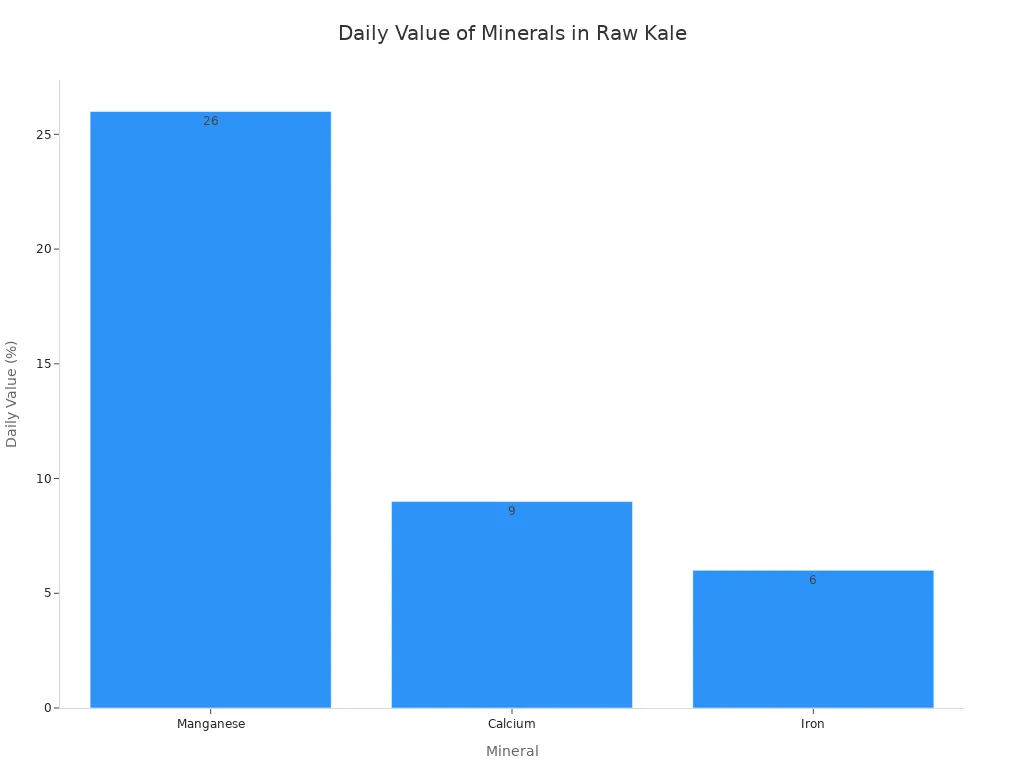
Kale is also rich in vital minerals. It provides manganese, calcium, and iron.
Mineral | Daily Value (DV) |
|---|---|
Manganese | 26% |
Calcium | 9% |
Iron | 6% |
Other important minerals in kale include magnesium, potassium, sulfur, copper, and phosphorus. When comparing kale to other vegetables, its nutrient density often surpasses them. For example, kale contains about four times more Vitamin C than spinach. It also offers twice the amount of selenium found in spinach. This makes kale an excellent choice for boosting nutrient intake.
Antioxidants and Phytonutrients
Kale is packed with powerful antioxidants and beneficial phytonutrients. These compounds protect the body from oxidative damage. They neutralize harmful free radicals. This protection is a key aspect of kale nutrition.
Kale is rich in several primary carotenoids and phytonutrients:
Carotenoids: β-carotene, α-carotene, lutein, and zeaxanthin.
Flavonoids: Quercetin, kaempferol, and their derivatives.
Phenolic acids: Caffeic acid, ferulic acid, and sinapic acid.
Anthocyanins: Cyanidin glycosides (found in red kale varieties).
A 2-cup serving of kale provides 4580.5 μg of carotenoids. It also contains 177.5 mg of polyphenols, 4.4 mg of phytosterols, and 158.6 mg of glucosinolates. These compounds contribute to kale’s protective effects.
Kale’s antioxidant content is significant. However, some other leafy greens may contain even higher levels of certain compounds.
Vegetable Part | Total Polyphenol Content (μg/mL) |
|---|---|
Shinseoncho Leaves (SL) | 423.139 |
Kale Leaves (KL) | 218.494 |
Kale Stems (KS) | 107.269 |
Shinseoncho Stems (SS) | 75.894 |
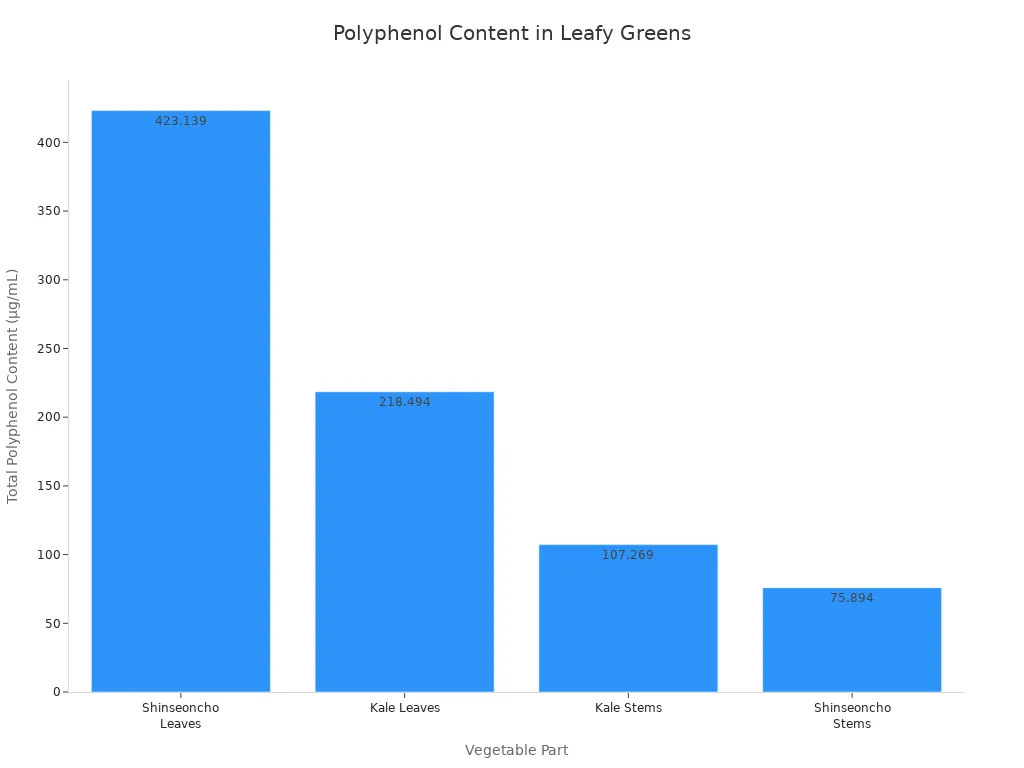
Kale leaves still offer a substantial amount of polyphenols. These compounds are crucial for overall health.
Fiber, Protein, and Low Calories
Kale provides excellent dietary fiber. Fiber is essential for digestive health. It helps maintain regular bowel movements. It also contributes to feelings of fullness. This can aid in weight management.
Typical values | 100g |
|---|---|
Fibre | 2g |
One cup of kale contains 5.72 grams of fiber. This makes it a great source for meeting daily fiber needs.
Kale also offers a modest amount of protein. Protein is vital for building and repairing tissues. It also supports enzyme and hormone production.
One hundred grams (g) of raw kale contains:
2.92 g protein
A single raw cup of kale generally provides just under 3g of protein. This makes it a good plant-based protein source, especially for a leafy green.
Finally, kale is very low in calories. This makes it an ideal food for those watching their calorie intake. Its high nutrient density combined with low calories means people can consume a large volume of kale without adding many calories. This allows for maximum nutrient absorption. This combination of fiber, protein, and low calories further solidifies kale’s reputation as a superfood.
Powerful Health Benefits of Kale
Kale offers many powerful health benefits. Its rich nutrient profile supports various bodily functions. People can improve their overall health by including this leafy green in their diet.
Immune System Boost
Kale significantly boosts the immune system. It contains many essential vitamins and minerals. These nutrients work together to strengthen the body’s defenses. Kale is a member of the cruciferous vegetable family. It provides vitamins A, B6, C, K, and folate. It also contains fiber, carotenoids, and manganese. All these components support a healthy immune response. Vitamin C, for example, is a powerful antioxidant. It helps protect immune cells from damage.
Eye Health Support
Kale is excellent for maintaining good eye health. It contains specific compounds that protect the eyes.
Kale is rich in carotenoids lutein and zeaxanthin.
These compounds filter harmful blue light. They also protect delicate eye cells from damage.
A higher intake of lutein and zeaxanthin reduces the risk of age-related macular degeneration (AMD) and cataracts.
The American Academy of Ophthalmology recommends leafy greens like kale. They suggest these for their high levels of lutein and zeaxanthin. Clinical studies show these carotenoids lower the risk of cataracts and macular degeneration. Lutein and zeaxanthin are the only carotenoids in food that work directly in the eyes. This makes kale a vital food for supporting eye health.
Heart Health Promotion
Kale plays a role in promoting heart health. It helps manage cholesterol levels. This reduces the risk of heart disease.
Kale favorably affects serum lipid profiles in patients with high cholesterol.
Molecular mechanisms involve sterol regulatory element binding proteins (SREBPs), 3-hydroxy-3-methylglutaryl-CoA reductase (HMGCR), and low-density lipoprotein receptor (LDLR).
Kale extract increases HMGCR and LDLR protein expression.
Quercetin, a key compound in kale, is primarily responsible for these effects. It may increase the expression and activation of LXRα.
Chlorogenic acid, also in kale, may enhance cholesterol efflux. This helps prevent an increase in cellular cholesterol.
These actions help keep arteries clear and blood flowing smoothly.
Anti-Inflammatory Action
Kale possesses strong anti-inflammatory properties. Its compounds work at a cellular level. They help reduce inflammation throughout the body. Kale’s anti-inflammatory compounds function primarily through indirect mechanisms. These mechanisms involve the gut microbiome and phytochemical metabolites.
A high-fat diet with kale intervention significantly enriched gut microbial activities. These activities relate to glycan degradation and vitamin B1 (thiamine) metabolism. Glycosylation is crucial for cell communication and immune response. Altered glycosylation patterns link to chronic inflammation. Kale’s ability to increase gut microbial glycan degradation contributes to its anti-inflammatory effects. Thiamine and its active metabolites also have anti-inflammatory properties. They improve endothelial function and reduce oxidative stress.
Kale also enhances xenobiotic metabolism. This ensures that kale’s phytochemical metabolites are available to the host. These compounds activate the aryl hydrocarbon receptor (AHR). AHR then acts as a transcription factor for target genes. These genes are involved in metabolizing exogenous compounds and play a role in intestinal homeostasis. The indole glucosinolate in cruciferous vegetables like kale likely mediates AHR activity.
Strong Bones
Kale contributes to strong bones. It provides essential nutrients for bone health. Calcium is a key mineral for bones.
Food Item | Calcium (mg) per serving |
|---|---|
Yogurt, plain, low fat (8 ounces) | 415 |
Yogurt, fruit, low fat (8 ounces) | 344 |
Milk, nonfat (1 cup) | 299 |
Milk, whole (1 cup) | 276 |
Kale, fresh, cooked (1 cup) | 94 |
Kale, raw, chopped (1 cup) | 24 |
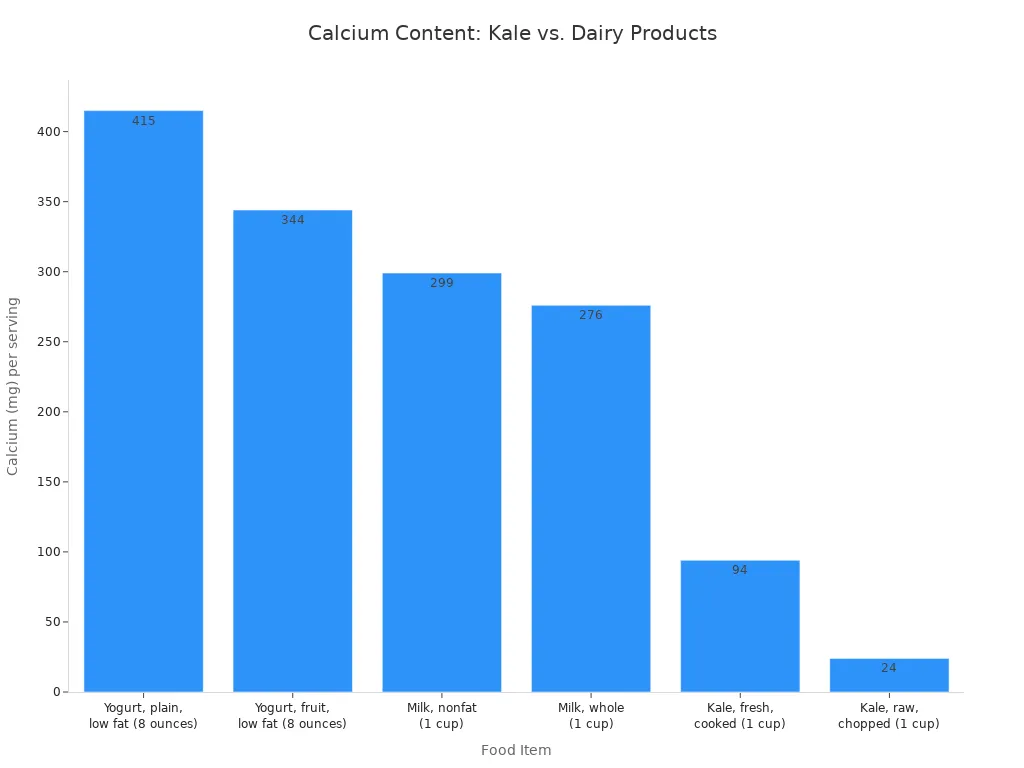
While kale has less total calcium per serving than dairy products, its calcium is highly absorbable. The absorption of calcium from dairy products is about 30%. The bioavailability of calcium from kale is similar to that of milk. One study indicates that kale provides five times more bioaccessible calcium than a single serving of skimmed milk. This considers both bioaccessibility and recommended serving portions.
Detoxification Aid
Kale aids the body’s natural detoxification processes. It contains compounds that help eliminate harmful substances.
Glucosinolates: These compounds metabolize into isothiocyanates and indoles. These modulate liver detoxification enzymes. These enzymes are crucial for breaking down and excreting toxins. Sulforaphane, from glucoraphanin, induces enzymes like glutathione S-transferases. These enzymes are involved in detoxification.
Glucosinolates and Isothiocyanates: Glucosinolates convert into isothiocyanates (ITCs) like sulforaphane and indole-3-carbinol (I3C). These ITCs activate liver enzymes. These enzymes break down and eliminate harmful substances and potential carcinogens.
Chlorophyll: This pigment binds to toxins. It helps remove them from the body.
Fiber: This component is vital for digestive health. It helps eliminate waste efficiently. This prevents sluggishness during detoxification.
Cancer Prevention Potential
Kale shows significant potential in cancer prevention. A diet rich in cruciferous vegetables like kale may lower the risk of various cancers. These include breast, colorectal, lung, and prostate cancer. The National Cancer Institute states that unique molecules in kale may help. These include glucosinolates, indoles, and sulforaphane. They may neutralize carcinogens. They protect cells from DNA damage. This damage can lead to cancer cell growth. They also support the breakdown of cancer cells before they multiply and spread. This lowers cancer risk.
Cruciferous vegetables like kale contain sulforaphane (SFN) and indole-3-carbinol (I3C). These are potent inhibitors of HDACs and DNMTs. These compounds induce apoptosis and cell cycle arrest in cancer cells. The concept of an ‘epigenetic diet’ with these vegetables is being explored. It shows potential in cancer prevention and health maintenance. Some studies show SFN and I3C affect estrogen receptors in breast cancer cells.
Sulforaphane (SFN) has shown anti-proliferative properties in brain cancer cells in vitro. It induces nuclear factor erythroid 2-related factor 2 (Nrf2). It activates extracellular signal-regulated kinase 1/2 (ERK1/2). It also down-regulates matrix metallopeptidase 2 (MMP2) and Cluster of Differentiation 44 protein (CD44v6). SFN also induces high reactive oxygen species (ROS), mitochondrial perturbations, and apoptosis in colon cancer cells in vitro.
A study identified indole-3-carbinol (I3C) as a potent inhibitor of WWP1. WWP1 reduces the tumor-suppressing ability of PTEN. PTEN is a powerful tumor suppressor. By inhibiting WWP1, I3C helps restore PTEN’s full tumor-suppressing potency. This could prevent tumor growth. This research involved human cancer cells and a mouse model of prostate cancer.
Digestive Wellness
Kale promotes digestive wellness. Its high fiber content is key to a healthy gut.
Kale’s fiber acts as prebiotics. It nourishes beneficial gut bacteria.
Research indicates that consuming kale can help alleviate constipation.
Kale’s high fiber and water content aid in relieving mild constipation.
It promotes regularity and contributes to a healthy digestive tract.
Skin and Hair Vitality
Kale contributes to vibrant skin and healthy hair. It contains a wealth of vitamins and antioxidants.
Beta-carotene (converted to Vitamin A): Supports healthy tissues like hair and skin.
Vitamin C: Essential for maintaining collagen. Collagen is crucial for skin and hair growth.
Carotenoids (Lutein and Zeaxanthin): Important for organ function, including skin. These dietary antioxidants accumulate in the retina. They may impact macular degeneration.
Flavonoid Quercetin: An antioxidant that helps with inflammation.
Vitamin A and E: Work together to boost hydration, elasticity, and collagen production.
Vitamin C: Enhances skin health by contributing to collagen production. This provides skin strength. Its antioxidant function also offers natural protection from sun damage.
Vitamin A: Supports skin cell turnover. It replaces dead cells with healthier ones. A deficiency can lead to dry, tough, scaly skin and slower wound healing. It strengthens the skin’s barrier against infection.
Vitamin C: Acts as an antioxidant. It reduces damage from free radicals. These cause premature skin aging, especially from sun exposure. It helps maintain youthful skin.
Vitamin K: A powerful ingredient in skincare. It helps diminish puffiness and dark circles under the eyes. Its anti-inflammatory properties reduce bloating, facial puffiness, redness, and flakiness of the skin.
Copper: Boosts melanin production. This protects skin from the sun. It also aids in collagen production and promotes wound healing.
Omega-3, Omega-6 fatty acids, and Iron: These nutrients contribute to the elasticity, strength, and growth of hair.
Vitamins C and K: Help with skin hyperpigmentation and reduce the appearance of dark circles. Vitamin K assists with discoloration under the eyes by aiding proper blood clotting.
Vitamin C: A potent antioxidant. It protects against free radical damage caused by environmental aggressors. These include UV light and pollution. They can lead to dark spots and premature aging. It can also fade existing dark spots by inhibiting melanin production.
Vitamins A and B: Promote new skin cell production. This contributes to supple and plump skin.
Vitamin C: Aids in the skin’s collagen production. This helps maintain firmness and elasticity.
Kale: Precautions and Considerations
While kale offers many health benefits, people should also know about certain precautions. Some individuals may need to limit their intake or prepare it in specific ways. Understanding these considerations helps everyone enjoy kale safely.
Medication Interactions
Kale can interact with certain medications. People taking blood thinners, like warfarin, need to be careful. Kale is rich in vitamin K. This vitamin is essential for blood clotting. Warfarin works by preventing the body from using vitamin K to form clotting factors. Eating too much vitamin K from kale can make warfarin less effective. This makes it harder for the medication to thin the blood. Patients on warfarin should maintain a consistent intake of vitamin K. They should discuss their diet with a doctor.
Oxalate Content and Kidney Health
Kale contains oxalates. These are natural compounds found in many plants. High oxalate intake can contribute to kidney stone formation in sensitive individuals. However, kale has a relatively low oxalate content compared to other leafy greens. One cup of kale contains only 2 milligrams of oxalates. For comparison, spinach has much higher levels. Most people can enjoy kale without concern for oxalate-related issues. Those prone to kidney stones should consult their doctor about oxalate intake.
Leafy Green | Oxalate Content (per 1 cup) |
|---|---|
Kale | 2mg |
Romaine Lettuce | 0mg |
Iceberg Lettuce | 0mg |
Cabbage | 0mg |
Mustard, Turnip, Collard Greens | 4-10mg |
Bok Choy | 1mg |
Watercress | 0mg |
Butter Lettuce | 5mg |
Endive | 0mg |
Thyroid Function Impact
Kale belongs to the cruciferous vegetable family. These vegetables contain compounds called goitrogens. Goitrogens can interfere with the thyroid gland’s ability to absorb iodine. Iodine is crucial for producing thyroid hormones. Studies on animals show that consuming large amounts of kale can lead to lower iodine accumulation in the thyroid.
This can decrease thyroid hormones and increase thyroid gland size. For example, lambs on a low-iodine diet with fresh kale developed thyroid dysfunction. However, iodine supplementation can prevent or reverse these effects. Most healthy individuals consuming a balanced diet with sufficient iodine do not experience thyroid problems from eating kale. People with existing thyroid conditions should consume kale in moderation. They should also ensure adequate iodine intake.
Safe Preparation Tips
Proper preparation can help maximize kale’s benefits and minimize potential concerns. Cooking kale can reduce its goitrogenic compounds. Steaming, boiling, or sautéing kale makes it easier to digest. It also helps reduce oxalate levels. People can also massage raw kale with a little olive oil. This softens the leaves and improves texture. Always wash kale thoroughly before use. This removes any dirt or pesticide residues.
Incorporating Kale into Your Meals

Versatile Culinary Uses
This leafy green offers many culinary possibilities. People can use it in various dishes. Beyond salads, it enhances stuffed dishes like Kale Arrabbiata-Stuffed Spaghetti Squash. It also adds nutrition to Vegan Mashed Potatoes with Kale. Soups benefit from this vegetable too, such as Summer Squash Soup with White Beans and Kale, or Vegan Minestrone Soup with Potatoes and Kale.
Smoothies and Juices
It blends well into smoothies and juices. Certain combinations make its taste more enjoyable. Ginger, green apple, coconut milk, and banana balance its bitterness. This mix makes the leafy green almost undetectable. Adding ½ a cup of fresh or frozen pineapple also helps. A squeeze of lemon juice brightens the flavor. A pinch of cinnamon adds warmth. Another great blend includes green apple, frozen mango, Medjool dates, and lemon juice for a creamy smoothie. A small piece of ginger adds a subtle spice.
Salads and Bowls
Salads featuring this leafy green are popular. Creative dressings make them even better. A Creamy Tahini-Lemon-Garlic Dressing works well. Its ingredients include lemon juice, olive oil, tahini, honey, red wine vinegar, garlic, salt, and pepper. A Homemade Everyday Salad Dressing or a Honey-Balsamic Vinaigrette also complements kale nicely.
Cooked Dishes
Many quick and easy ways to eat kale exist in cooked meals. People can add sautéed greens to a frittata or mini frittata muffins. Tossing it with pasta, marinara sauce, and Parmesan cheese is delicious. This vegetable also fits well into grain bowls with quinoa and baked tofu. It boosts vegetarian tacos or quesadillas. Sautéed kale makes a great pizza topping. A simple recipe involves sautéing the greens with olive oil, garlic, salt, pepper, and a squeeze of lemon.
Healthy Kale Snacks
Kale chips are a popular and healthy snack. They offer a crunchy alternative to traditional treats. To make them, preheat the oven to 400 degrees F. Rinse and dry a bunch of the leafy green. Snip the greens into bite-sized pieces. Drizzle lightly with oil and sprinkle with salt and pepper. Bake for about 5 minutes until the edges brown. Stir and flip, then bake for another 3-4 minutes until crispy. Watch carefully to avoid burning. These chips are versatile. People can customize them with various seasonings.
Kale offers impressive kale nutrition. It provides many vitamins, minerals, and antioxidants. These support immunity, eye health, and digestion. Kale is a versatile and accessible superfood. People can easily add kale to their meals. This helps improve overall health and well-being. Make healthy dietary choices with kale.
FAQ
Is raw or cooked kale better for you?
Both raw and cooked kale offer health benefits. Cooking can reduce certain compounds like oxalates and goitrogens. It also makes some nutrients more bioavailable. Raw kale retains more heat-sensitive vitamins, like vitamin C. People can enjoy both forms for a balanced diet.
Can everyone eat kale?
Most people can safely eat kale. Individuals on blood thinners, like warfarin, should monitor their vitamin K intake. People with thyroid conditions should consume kale in moderation. They should also ensure adequate iodine intake. Consult a doctor with specific health concerns.
How much kale should one eat daily?
There is no strict daily recommendation for kale. Incorporating one to two cups of kale a few times a week provides significant nutritional benefits. Listen to your body and adjust intake based on personal tolerance and dietary needs.
Does kale help with weight loss?
Kale can support weight loss efforts. It is low in calories and high in fiber. Fiber promotes fullness and aids digestion. This helps reduce overall calorie intake. Its rich nutrient profile also supports a healthy metabolism.