

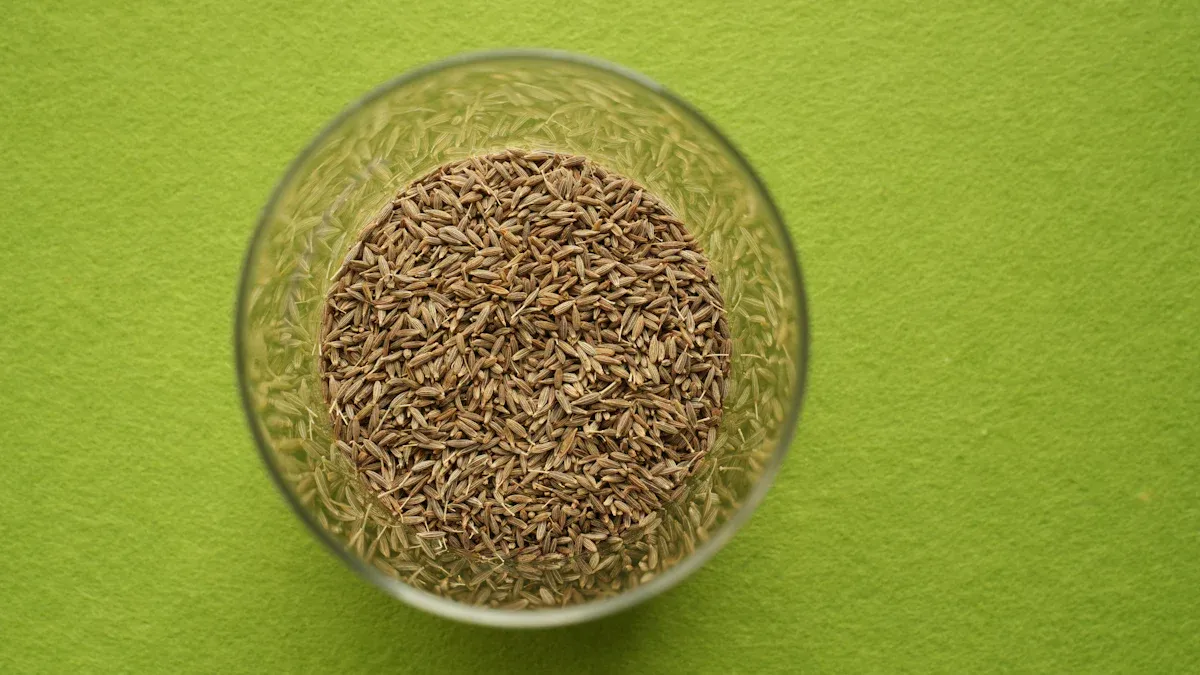
Methi, commonly known as Fenugreek, is a versatile herb. People have used Fenugreek for centuries in traditional medicine and culinary practices. Modern wellness increasingly recognizes Fenugreek for its diverse health-promoting properties. This blog aims to uncover the key methi nutritional benefits. It details nutritional facts, health benefits, practical uses, and important considerations for incorporating Methi into a wellness routine. Fenugreek seeds offer many advantages. How can this humble Fenugreek become a superfood for health? Discover the many positive aspects of Fenugreek. Fenugreek seeds are truly remarkable. Methi provides excellent nutritional benefits. Fenugreek offers more. This powerful Fenugreek is worth exploring. Methi is great.
Key Takeaways
Methi, also known as Fenugreek, is a powerful herb. It has many nutrients like protein, fiber, iron, and vitamins. These nutrients help your body stay healthy.
Methi helps control blood sugar. It can also improve digestion and keep your heart healthy. This makes it good for people with diabetes or high cholesterol.
Methi can help with weight control. Its high fiber makes you feel full. It also helps balance hormones, which is good for women’s health.
You can use Methi in many ways. Add its seeds or leaves to your food. You can also drink Methi water or tea. This helps you get its health benefits.
Always be careful when using Methi. It can have side effects like stomach upset. Talk to a doctor before using it, especially if you are pregnant or take other medicines.
Methi: Nutritional Profile & Key Components
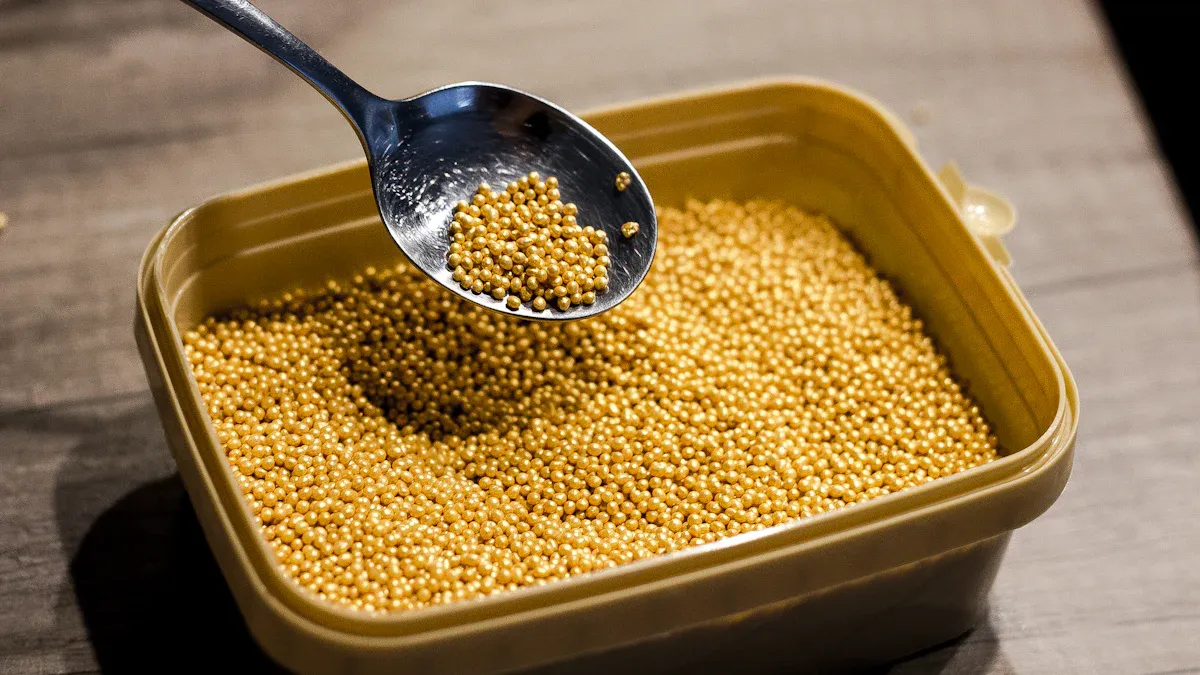
Nutritional Value of Fenugreek Seeds
Fenugreek seeds present an impressive nutritional profile. They are a superfood for health. This healthy nutritional profile makes fenugreek a valuable addition to any diet. 100 grams of fenugreek seeds (methi) provide 323 kcal of energy and 23g of protein. They also contain a high amount of dietary fiber, with 25g. Key nutrients include iron, vitamins (B1, B2, B3, B6, C), and minerals such as calcium, magnesium, phosphorus, and potassium. This nutritional composition supports overall health.
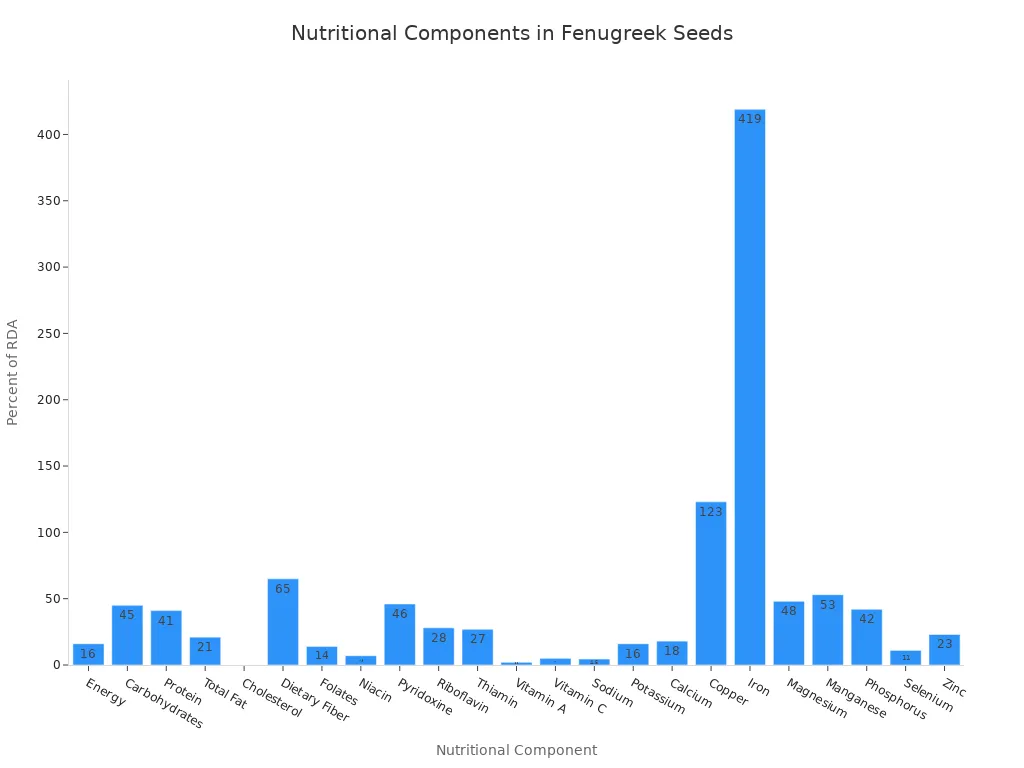
Component | Quantity (per 100g) | Percent of RDA |
|---|---|---|
Energy | 323 Kcal | 16% |
Carbohydrates | 58.35 g | 45% |
Protein | 23 g | 41% |
Total Fat | 6.41 g | 21% |
Cholesterol | 0 mg | 0% |
Dietary Fiber | 24.6 g | 65% |
Folates | 57 µg | 14% |
Niacin | 1.640 mg | 7% |
Pyridoxine | 0.600 mg | 46% |
Riboflavin | 0.366 mg | 28% |
Thiamin | 0.322 mg | 27% |
Vitamin A | 60 IU | 2% |
Vitamin C | 3 mg | 5% |
Sodium | 67 mg | 4.5% |
Potassium | 770 mg | 16% |
Calcium | 176 mg | 18% |
Copper | 1.110 mg | 123% |
Iron | 33.53 mg | 419% |
Magnesium | 191 mg | 48% |
Manganese | 1.228 mg | 53% |
Phosphorus | 296 mg | 42% |
Selenium | 6.3 µg | 11% |
Zinc | 2.50 mg | 23% |
Essential Vitamins & Minerals
Fenugreek seeds are a powerhouse of essential vitamins and minerals. They contribute significantly to overall nutrition. Fenugreek seeds contain a good amount of minerals, including iron and manganese. These minerals play vital roles in many bodily functions. The methi nutritional benefits extend to its rich micronutrient content.
Biotin: Strengthens hair and nails.
Vitamin A: Crucial for vision, immunity, reproductive health, growth, and development.
B vitamins: High in all eight essential B vitamins, especially folate.
Vitamin D: Reduces inflammation and cancer cell growth, aids calcium and phosphorus absorption.
Iron: Helps blood make hemoglobin and myoglobin for oxygen transport.
Manganese: Helps form connective tissues, bones, blood-clotting factors, and sex hormones.
Magnesium: Helps build muscle and regulates muscle and nerve functions, including in the heart and brain.
Fiber & Antioxidant Content
Fenugreek seeds are also notable for their high fiber content. This makes fenugreek a superfood for health. Fenugreek seeds contain 25% dietary fiber per 100 grams. This fiber supports digestive health. The total fiber content in fenugreek seeds can range.
Component | Value (g/100g) | Source |
|---|---|---|
Dietary fiber | 48.0 | Brummer et al. (2003) |
Fiber (seeds) | 50.0 | Montgomery (2009) |
Fiber | 50–65 | Montgomery (2009) |
Fenugreek is rich in antioxidants. These compounds protect the body from damage. The fenugreek seeds contain various powerful antioxidants.
Flavonoids
Alkaloids
Saponins (like dioscin and diosgenin)
Phenolics (including gallic acid, protocatechuic acid, catechin, gentisic acid, chlorogenic acid, vanillic acid, and syringic acid)
Volatile essential oils (Eos)
Eugenol
Linalool
Trigonelline
These antioxidants contribute to the overall health benefits of methi.
Exploring Methi’s Health Benefits
Blood Sugar Regulation & Diabetes Support
Fenugreek offers significant health benefits, especially for blood sugar management. Many studies show its effectiveness. A randomized controlled trial in Bogura, Bangladesh, involved 51 individuals with type 2 diabetes. The experimental group consumed 10 grams of fenugreek seed powder daily for 60 days.
This group saw significant reductions in fasting blood glucose (1.83 mmol/L) and postprandial blood glucose (3.65 mmol/L). Five participants even achieved non-diabetic status. This highlights fenugreek for diabetes as a powerful aid. It truly acts as a superfood for health.
Another study assessed Fenuflakes’ impact on Indian foods. Participants consumed common Indian foods with and without 10g of Fenuflakes. Fenuflakes significantly reduced the glycemic response. It lowered the incremental area under the curve for cooked raw rice by 35% and potato paratha by 27%. This shows fenugreek helps with blood sugar control.
Researchers like Addepalli et al. and Khatun et al. also demonstrated significant blood glucose reductions in diabetic patients. Thakurdesai et al. found Fenuflakes lowered the glycemic index of Indian foods. A review of 12 studies confirmed fenugreek significantly lowered fasting and postprandial blood glucose, along with HbA1c.
A 2023 assessment highlighted fenugreek’s hypoglycemic properties. It showed clinically significant reductions in fasting blood glucose levels. A meta-analysis further supported fenugreek as an adjunct therapy for hyperglycemia. It helps manage blood sugar levels in diabetes and prediabetes. This makes methi a valuable tool for blood sugar management. The health benefits of methi are clear in this area.
Digestive Health & Gut Function
Fenugreek also greatly improves digestion and supports gut function. It acts as a superfood for health by promoting a healthy gut. Studies show this herb increases overall microbiome diversity in mice. It reverses the negative effects of high dietary fat on key intestinal bacteria. Fenugreek influences bile acid metabolism. It inhibits intestinal absorption and increases excretion. Methi-corrected bacteria correlate with improved metabolic functions. These include glucose regulation and reduced hyperlipidemia.
Fenugreek significantly alters intestinal microbial populations. It reverses key Western diet-induced changes to gut microbiota. The high protein and fiber content of fenugreek seeds are particularly suited to modify intestinal bacteria. They offset dysbiotic effects of high fat and low fiber Western-style diets.
These benefits contribute to overall health. Methi helps maintain a balanced digestive system.
Heart Health & Cholesterol Management
Fenugreek plays a crucial role in heart health promotion and cholesterol management. Its benefits extend to cardiovascular well-being. A single-blind, placebo-controlled study involved 60 dyslipidemia patients. Fenugreek seed powder significantly decreased serum total cholesterol.
It went from 237.32 to 204.51 mg/dl. It also lowered serum LDL cholesterol from 154.69 to 133.88 mg/dl. Serum triglycerides decreased from 196.95 to 165.09 mg/dl. The study concluded that fenugreek seed powder improves lipid profiles in these patients. This suggests its potential as an effective lipid-lowering nutritional supplement.
A meta-analysis of 15 randomized clinical trials further supported these findings. It involved 281 fenugreek consumers. The analysis showed a significant reduction in total cholesterol, LDL, and triglycerides. It also showed an increase in HDL levels. Fenugreek was more effective in reducing triglycerides and LDL and increasing HDL in diabetic subjects. This meta-analysis concluded that fenugreek supplementation significantly improves lipid profiles. It can be considered an effective medicinal plant to lower blood lipids.
Another trial investigated fenugreek hydrolyzed protein (FHP) on lipid profiles. It involved 60 patients with mild-to-moderate hypercholesterolemia. After 8 weeks, the FHP group showed significant reductions in total cholesterol, LDL-c, and non-HDL-c. FHP successfully decreased LDL-c levels by 7%. This study concluded that FHP administration can improve the lipid profile. It offers low adverse effects and high patient tolerance. This makes methi a promising adjuvant therapy for heart health.
Broader Health Benefits of Methi
Weight Management & Satiety
Fenugreek offers significant health benefits for weight management and satiety. Its high fiber content, especially a soluble fiber called galactomannan, makes people feel full. This leads to reduced food intake. Fenugreek also contains the amino acid 4-hydroxyisoleucine. This compound may stimulate insulin release and help regulate blood sugar levels. This can potentially reduce food cravings. These properties make methi a superfood for health for those managing their weight. Methi supports appetite control, contributing to its many benefits.
Hormonal Balance & Reproductive Health
Fenugreek also shows promise for hormonal balance and reproductive health, especially in women. Studies show that fenugreek extract significantly increased estradiol and testosterone levels. This improved sexual function and quality of life for participants with existing issues.
Earlier studies also showed higher estradiol and testosterone in menopausal women and healthy people with low libido. The molecule protodioscin converts to DHEA, testosterone, and estradiol. Trigonelline also boosts estrogen levels. These mechanisms explain the hormonal benefits. However, women with PCOS should be careful. Abnormally high testosterone links to PCOS, so they should consult a doctor.
A study with 48 healthy women showed that Fenusmart, a fenugreek extract, improved sexual problems by 41.67%. It also decreased irritability scores by 40%. The study observed normal increases in estradiol, total testosterone, and free testosterone levels. This was especially true for women with low baseline levels. This hormonal balancing effect comes from protodioscin and trigonelline. Another clinical trial confirmed these findings. Daily Fenusmart supplementation significantly improved sexual dysfunction. Participants reported a 41.6% improvement in issues like low libido and vaginal dryness. Blood tests showed significant increases in estradiol, total testosterone, and free testosterone. This restored them to healthy levels without side effects. Traditional medicine widely uses fenugreek for gynecological problems. Clinical studies confirm its helpful effects for breastfeeding, dysmenorrhea, PCOS, and menopause. Fenugreek is a valuable medicinal plant for women’s health.
Anti-Inflammatory & Antioxidant Effects
Methi also provides strong anti-inflammatory effects and acts as a powerful antioxidant. Linolenic and linoleic acids are key compounds in fenugreek. They stop cyclooxygenase and lipoxygenase pathways, which cause inflammation.
These fatty acids also protect cell membranes. This keeps them stable and healthy. A big drop in SGPT and ALP activities shows a strong protective role. Methi’s anti-inflammatory and anti-arthritic actions work through these protective mechanisms. Fenugreek seeds contain phytochemicals like polyphenols, saponins, and flavonoids. These compounds contribute to methi’s anti-inflammatory benefits. They also act as powerful protective compounds. Methi is rich in antioxidants. This makes it a superfood for health.
Other Potential Benefits: Lung & Skin Health
Methi also shows potential for lung and skin health. For skin, a serum with fenugreek extract and lemon oil helped reduce inflammation. It also improved moisture levels and softened the skin. A mixture of fenugreek extract and paraffin oil reduced melanin content and boosted hydration. Fenugreek extract in liposomal forms showed possible anti-aging effects. Dr. Ruby Sachdev notes that fenugreek contains flavonoids and alkaloids.
These compounds may help calm irritation, reduce redness, and balance oil production. Dr. Shireen Furtado stresses that good hydration, balanced nutrition, and proper skincare are most effective. This means fenugreek plays a supporting role. For lung health, studies observed lower levels of interleukin-4. This protein causes airway inflammation. Participants treated with added fenugreek showed better lung function. Their quality of life also improved. These findings suggest methi’s broader health benefits.
Incorporating Methi for Optimal Wellness

Culinary Uses of Methi Seeds & Leaves
People often use fenugreek in many dishes. Both fenugreek seeds and leaves add unique flavors. Fresh methi leaves are common in Indian cooking. Cooks often fold them into curries. They also make a savory, rolled flatbread called methi thepla. Dried fenugreek leaves, known as kasuri methi, provide a smoky base for dishes like butter chicken. These culinary uses allow people to enjoy the health benefits of methi in their daily diet. Fenugreek seeds can also be sprouted and added to salads.
Health Benefits of Methi Powder & Uses
Fenugreek powder offers many health benefits. It helps manage blood sugar and cholesterol levels. A 2023 review showed fenugreek can help people with type 2 diabetes. It does this without severe side effects. Fenugreek powder may also increase breast milk production. This use has a long history in traditional Asian medicine.
A 2018 analysis found significant increases in breast milk in some studies. Fenugreek powder can also help with weight loss. Its high fiber content makes people feel full. An older study showed people felt less hungry after drinking fenugreek tea. Fenugreek may also raise testosterone and boost sperm count. People can take 1 to 6 grams of fenugreek seeds daily to increase breast milk production.
Preparing Methi Water & Tea
You can easily prepare fenugreek water or tea at home. These methods help you get the benefits of fenugreek seeds.
Fenugreek Water (with seeds):
Add 1 tablespoon of fenugreek seeds to 1 cup of room temperature water.
Soak the fenugreek seeds overnight.
Sieve the water and drink it on an empty stomach in the morning.
Fenugreek Water (with powder):
(Optional) Dry roast 1 teaspoon of whole fenugreek seeds for 2-3 minutes until light brownish, then grind into powder.
Add 1 teaspoon of fenugreek powder to 1 cup of room temperature water.
Dissolve well or soak for 5 minutes, then sieve and drink.
Fenugreek Tea:
Bring 1 heaped teaspoon of fenugreek seeds and 2 cups of water to a boil.
Reduce heat to medium and continue boiling until the water reduces to 1 cup.
Strain and drink the warm tea 2-3 times a day.
(Optional) Add ginger or mint leaves during boiling for flavor, or honey after straining for sweetness.
Methi: Side Effects & Precautions
Common Side Effects to Note
Fenugreek can cause some common side effects. People might experience diarrhea or stomach upset. Bloating and gas are also possible. Some individuals may have allergic reactions to fenugreek.
Drug Interactions & Contraindications
Fenugreek interacts with certain medications. It can increase the risk of bleeding when taken with warfarin or other anticoagulant drugs. This herb might also increase the risk of serotonin syndrome with SSRI antidepressants. It may interfere with cyclophosphamide. People with hormone-sensitive cancer should avoid fenugreek. This is because it acts as an estrogenic receptor modulator and may promote breast cancer cell growth. Fenugreek can cause blood sugar to drop too low when combined with diabetes medications. It might reduce the effects of phenytoin and sildenafil. Methi could also alter how the body processes clopidogrel, increasing bruising and bleeding. Metoprolol users might experience very low blood pressure with fenugreek.
Special Considerations: Pregnancy & Health Conditions
Special care is necessary when using methi. Pregnant or breastfeeding individuals should be cautious. Fenugreek has links to an increased risk of birth defects. Its safety in large amounts during these times is unknown. People with allergies, especially to plants like peanuts or chickpeas, might have allergic reactions to methi.
These reactions include skin rashes, wheezing, or nausea. Severe cases can lead to anaphylaxis. Diabetics must monitor blood sugar closely. Fenugreek can lower blood sugar too much, causing hypoglycemia. Older adults may experience more gastrointestinal issues like diarrhea and bloating from methi. Individuals taking blood thinners should talk to a doctor before using methi. This is due to an increased bleeding risk. Always consult a healthcare professional before using methi, especially before surgery or with existing health conditions. This ensures optimal health.
Methi offers extensive methi nutritional benefits. This versatile fenugreek is a true superfood for health. Fenugreek boasts a rich nutritional profile and many advantages. Fenugreek supports blood sugar, digestion, and heart health. People use methi in culinary and medicinal applications. Integrating fenugreek responsibly into a balanced diet enhances overall well-being. Always consult a healthcare professional before making significant dietary changes or starting new supplements. This is especially important for individuals with existing conditions or on medication. Fenugreek provides many benefits. Fenugreek is a powerful herb. Fenugreek offers more methi nutritional benefits. This fenugreek is a superfood for health.
FAQ
What is fenugreek?
Fenugreek is a versatile herb. People use fenugreek in traditional medicine and cooking. It has a long history. Modern wellness recognizes fenugreek for its health benefits. This humble seed offers many advantages. Fenugreek is truly remarkable.
How does fenugreek support blood sugar regulation?
Fenugreek helps manage blood sugar. Studies show fenugreek reduces fasting and postprandial glucose. It also lowers HbA1c. Fenugreek contains fiber and compounds that improve insulin sensitivity. This makes fenugreek a valuable aid for diabetes support.
Can fenugreek help with weight management?
Yes, fenugreek can assist with weight management. Its high fiber content promotes satiety. This makes people feel full. Feeling full helps reduce overall food intake. Fenugreek supports appetite control.
Are there any side effects when using fenugreek?
Fenugreek can cause some side effects. These include diarrhea, stomach upset, and gas. Some people may have allergic reactions. Individuals should consult a doctor before using fenugreek, especially if pregnant or on medication.