

Screen time tends to look different in every household: homework on a tablet, games on a console, or videos during a long trip. Blue light glasses for kids can add a filtered layer during those activities, but frame fit, lens comfort, age range, and intended use matter more than color alone. These options cover preschool children through older teens, with distinct strengths for gaming, schoolwork, travel, and everyday wear.
The Essentials At A Glance

GALVANOX Ava & Ethan Kids Blue Light Glasses 3-12
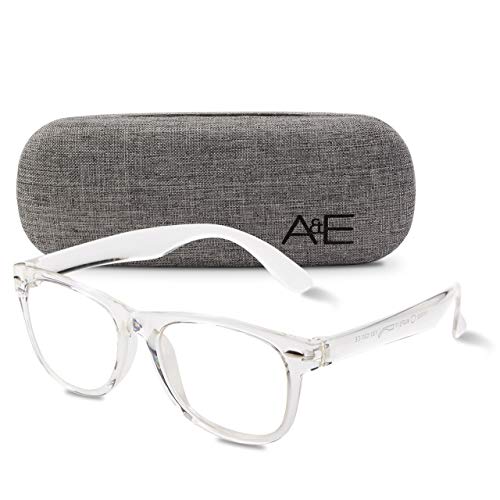
GALVANOX Ava & Ethan Kids Blue Light Glasses 3-7
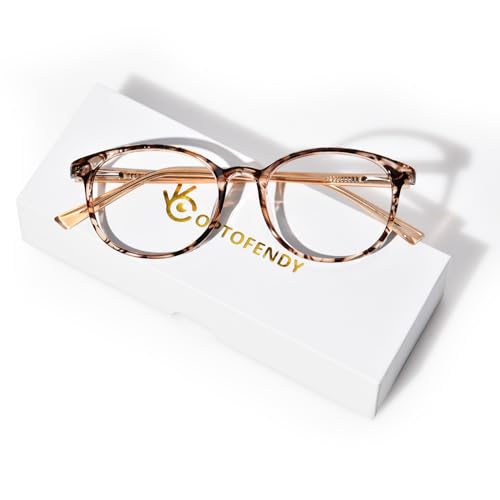
OPTOFENDY TR90 Computer Glasses


ECO-TH Kids Lightweight Glasses

Bio-th Kids Light Glasses

DefenderShield Kid Series Purple Light Glasses
The Details Behind The Selections
The GALVANOX Ava & Ethan Kids Blue Light Glasses 3-12 cover one of the broadest age ranges in this group. Their non-prescription design, flexible frame, and 20-gram weight make them a sensible starting point for children moving between schoolwork, videos, and games.
Acrylic lenses provide a lightweight alternative to glass, while the bendable frame should suit children who routinely sit on glasses or remove them without care. For a younger sibling, the GALVANOX Ava & Ethan Kids Blue Light Glasses 3-7 offer a narrower age range and a matching case.
A Few Highlights
- The stated 3-12 age range accommodates a wide span of childhood.
- A 20-gram frame reduces the bulk you may notice during long sessions.
- Flexible construction suits active children who may bend or remove glasses.
- Acrylic lenses offer a lightweight, impact-conscious alternative to glass.
Things To Consider
- The broad age label cannot guarantee a precise fit, so compare the frame dimensions with your child’s face.
Key Specs
Built With In Mind
These glasses fit families seeking a lightweight, flexible pair for children aged 3 to 12 who use screens for school, games, and entertainment.
Where A Sibling Pick Shines
The GALVANOX Ava & Ethan Kids Blue Light Glasses 3-7 are a better fit for a preschool-aged child who needs a protective case and a more focused age range.
The GALVANOX Ava & Ethan Kids Blue Light Glasses 3-7 focus on children in the preschool and early-elementary years. At less than one ounce, the frame is light enough for short lessons, video calls, and handheld games without adding much facial weight.
The matching clamshell case gives you a place to protect the glasses inside a backpack or travel bag. Compared with the GALVANOX Ava & Ethan Kids Blue Light Glasses 3-12, this version feels more purpose-built for a younger child who may not yet manage eyewear independently.
Positive Points
- The sub-ounce weight suits younger children who may remove glasses during play.
- A matching clamshell case helps protect the frames while traveling or storing them at school.
- Specialty acrylate lenses are designed for clear optics without a pronounced yellow tint.
- The focused 3-7 range makes age selection easier for preschool families.
Small Caveats
- The age range excludes older children who still need a small-frame fit.
- Confirm that the frame does not slide or press heavily before committing to all-day wear.
The Right Fit
You will get the most useful fit from these glasses with a child aged 3 to 7 who travels with a case and uses screens for school or entertainment.
Reach For A Different Pick When
The GALVANOX Ava & Ethan Kids Blue Light Glasses 3-12 suit an older child who needs a wider stated age range without a separate case.
The OPTOFENDY TR90 Computer Glasses shift toward adult styling, which makes them more relevant to older teens than young children. The rounded profile, flexible spring hinges, and slim TR90 frame offer a polished option for office work, study, and evening screen use.
TR90 is a lightweight thermoplastic used in flexible eyewear frames. Here, it creates a slim shape that feels less substantial than a heavy acetate frame, while the nearly colorless acrylic lenses avoid the strong orange cast associated with some filtered glasses.
Advantages To Know
- The slim TR90 frame stays visually understated for work and study.
- Spring hinges flex with daily handling and reduce the need for frequent adjustments.
- Acrylic lenses are described as impact-resistant and scratch-resistant.
- One-piece nose pads may sit more securely during warm, active use.
Where It May Fall Short
- The adult-oriented proportions may not suit a small child’s face.
- Young children may find the slimmer profile easier to dislodge than a bulkier child frame.
Feature Snapshot
Who Will Love This
Older teens, students, and adults who want a slim fashion-forward frame for computer work will appreciate this design most.
Not Your Match When
The JM TR90 Kids Glasses offer a better fit for an active child who needs a child-sized frame with removable temples and silicone nose pads.
The JM TR90 Kids Glasses are built for children using computers, tablets, or phones for games and lessons. Their flexible TR90 frame and lightweight polycarbonate lenses suit active sessions, while removable temples add another way to tailor the fit.
That adjustable setup matters more than it may first appear. Children grow quickly and often wear glasses unevenly during a long day, so removable arms and silicone nose pads can help you position the frame more comfortably than a fixed design.
Reasons It Performs
- TR90 gives the frame a light, flexible feel during gaming or homework.
- Polycarbonate lenses are described as lighter and more impact-resistant than acrylic alternatives.
- Removable temples offer flexibility for storage and fit adjustments.
- Silicone nose pads can sit more comfortably than rigid plastic pads.
Practical Considerations
- Age labels alone cannot confirm fit, so compare the frame measurements with your child’s face.
Quick Facts
Made For
These glasses fit children who game, study on tablets, and need a flexible frame with several adjustment points.
Another Choice May Suit
The GALVANOX Ava & Ethan Kids Blue Light Glasses 3-12 are a better fit when a clearly stated 3-12 age range and a 20-gram frame matter more than removable temples.
The ECO-TH Kids Lightweight Glasses center on children aged 2 to 5, making them the youngest-focused option here. Clear, non-prescription lenses and colorful frames give your child a playful accessory for school, travel, dress-up, and screen activities.
Flexible spring hinges add a practical touch to the colorful design, helping the frame adjust to different positions. Compared with the JM TR90 Kids Glasses, this pair leans more toward appearance and early-childhood sizing, with a tighter stated age range.
A Strong Showing
- The 2-5 age focus serves toddlers and preschoolers.
- Clear lenses create a subtle look for school or dress-up.
- Colorful frames give children a choice they may enjoy wearing.
- Flexible spring hinges help the temples move with daily handling.
- A lightweight frame suits short reading and entertainment sessions.
Where It Is Less Suited
- The narrow 2-5 range will not cover an older child.
- Style-focused children may need convincing to keep the glasses on during longer screen sessions.
- Measure the frame because young children’s head sizes can vary considerably.
Who Should Grab It
You will find the strongest fit with a parent of a child aged 2 to 5 who wants colorful, lightweight glasses for everyday activities and dress-up.
Look Elsewhere When
The JM TR90 Kids Glasses are a better fit for a child who needs removable temples, silicone nose pads, and a broader screen-focused feature set.
The Bio-th Kids Light Glasses come as a three-piece set with a small, round design aimed at children with smaller faces. Bendable materials and soft nose pads make them easy to position, which is helpful for reading, lessons, gaming, and active play.
Clear lenses preserve normal screen colors, while the stated UV coverage gives the glasses relevance beyond a desk. The three-frame format also lets you keep a spare within reach, a practical advantage compared with a single GALVANOX Ava & Ethan Kids Blue Light Glasses 3-12 set.
Strong Points
- Three styles make it easy to rotate pairs or keep a spare nearby.
- The small round frame is designed around smaller children’s proportions.
- Bendable construction tolerates frequent handling better than a rigid frame.
- Soft nose pads reduce the need for constant repositioning.
- Clear lenses avoid a strong color cast during digital activities.
Some Limits To Know
- The small-frame emphasis may not suit a child with a larger head.
- Check the dimensions carefully because a round frame can look small even when the lens width appears reasonable.
Core Details
Who It Suits Best
These glasses suit families with small-faced children who need a spare pair for school, travel, games, and changing screen activities.
Consider Something Else When
The ECO-TH Kids Lightweight Glasses may suit you better when your child is aged 2 to 5 and colorful dress-up styling matters more than a three-pair set.
The DefenderShield Kid Series Purple Light Glasses take a straightforward approach to children’s computer wear. Their purple color and stated use across computers, mobile devices, gaming, and bedtime screen routines make them visually distinct from the clear and brightly colored alternatives.
That evening focus may be particularly useful for children who read or play on a phone after school. The JM TR90 Kids Glasses offer more visible fit hardware, including removable temples and silicone nose pads, but DefenderShield provides a simpler style for families prioritizing the purple look.
Useful Touches
- The purple frame gives your child’s setup a distinctive color theme.
- Intended uses span computers, phones, gaming, and bedtime screen routines.
- The styling is more noticeable than a plain clear frame.
Details To Watch
- A strong purple tint may be less discreet for a traditional school setting.
- Check the frame proportions carefully before use because the product position spans several activities and age groups.
Important Details
Whose Shelf It Belongs On
These glasses fit families whose child prefers a noticeable purple frame for evening gaming, mobile use, and bedtime screen routines.
Swap It Out When
The GALVANOX Ava & Ethan Kids Blue Light Glasses 3-12 are a better fit for a younger child who needs a lightweight, flexible frame with a clearly stated age range.
What to Look for in Children’s Screen Glasses
Start with the frame fit
Frame measurements deserve more attention than an age label. A child can fall within a stated range and still experience pressure at the temples or bridge of the nose, particularly after several hours of wear. Compare the frame width and temple length with a pair your child already wears comfortably.
Understand the lens and frame materials
Non-prescription means the glasses do not correct vision. Blue light filtering describes the lens coating or material used to reduce the blue light reaching your eyes, while frame material determines flexibility and weight. TR90 is a lightweight thermoplastic, and polycarbonate is a lens plastic known for impact resistance.
Match the pair to the activity
You need a different balance for homework, gaming, travel, and dress-up. Flexible hinges and removable temples help with active children, while a case adds value for school bags and trips. Clear lenses suit a low-key appearance, whereas a purple frame can make screen time feel more personal.
Treat age ranges as starting points
Children of the same age can have noticeably different head sizes. The GALVANOX options give useful age labels, while the Bio-th set focuses on small faces. In every case, check the dimensions and have your child try the glasses before extended use.
A Closer Look at Children’s Screen Glasses
Mistakes Worth Dodging
Do not choose by color or age range alone. Measure the frame, identify the child’s main activity, and check whether the lens style will be acceptable during school. A pair your child dislikes is less useful than a well-fitting option with a design they willingly wear.
What Separates Premium From Basic
Higher-tier frames often add details such as spring hinges, removable temples, softer nose pads, multiple frames, or a protective case. These features matter most for active children, frequent travelers, and growing kids whose fit can change quickly.
Frequently Asked Questions
Do children need prescription blue light glasses?
Only children who need vision correction need prescription lenses. The GALVANOX and JM options are non-prescription, while the OPTOFENDY pair also carries an adult-oriented design rather than child-specific sizing.
How do I choose the right size for my child?
Compare the frame dimensions with eyewear your child already wears comfortably. Age ranges provide a starting point, but head width, bridge fit, and temple length determine whether the glasses stay in place.
Can kids wear blue light glasses while gaming?
Yes, the GAMING-ready JM TR90 Kids Glasses are designed for computer and gaming sessions. A flexible frame, secure nose pads, and low weight can improve comfort during longer sessions, provided the fit does not pinch.
Should children’s lenses be clear or tinted?
Clear lenses preserve the appearance of the screen, while a colored frame can provide a stronger visual style. The DefenderShield Kid Series Purple Light Glasses emphasize purple styling, whereas several child-focused options use clear lenses.
Do children need to wear them for every screen activity?
Your child’s comfort and the intended screen routine should guide use. Glasses can be worn during computer work, gaming, reading, and travel, while regular breaks and a properly sized frame remain important parts of a comfortable digital setup.
Final Verdict
Start with fit, then consider the activity and your child’s willingness to wear the frame. The GALVANOX pairs cover broad and younger age ranges, the JM option stands out for gaming hardware, and the Bio-th set adds three styles for small faces. Match the glasses to your child’s routines, and you can add a filtered lens layer without making screen time feel like a medical project.
