

Slipping an orthotic into a walking shoe can change the fit in ways a lace adjustment cannot solve. Your heel needs to sit in the right place, your toes need room, and the shoe must remain stable without feeling rigid. The right choice depends on the shape and depth of your orthotic, the surfaces you cover, and whether you need a complete shoe or an insert for footwear you already own.
The six options below cover everyday walks, road running, casual travel, winter conditions, and hiking boots. Each has a different practical strength, from a removable footbed to a roomy toe area or a breathable engineered upper. You’ll find the most useful details where they affect real decisions, including fit, maintenance, and compatibility.
The Lineup, Simplified

Skechers Go Walk Joy

Brooks Ghost 18
Tigeridea Lace-Up Sneakers

New Balance 928 V3
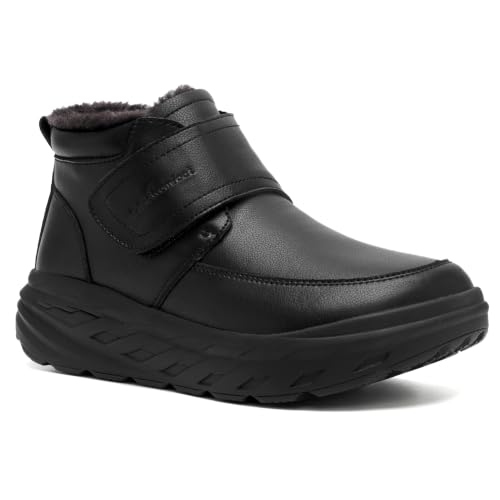
OrthoComfoot Wide Toe Winter Boots
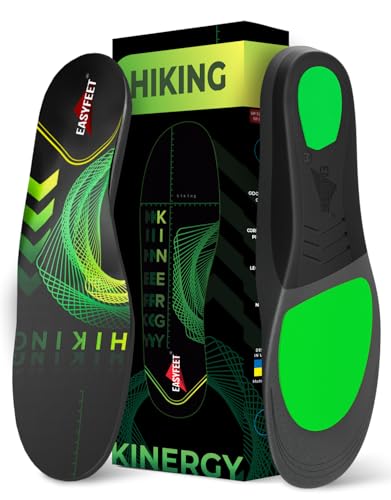
EASYFEET Hiking Arch Insoles
More On The Choices That Made The List
The Go Walk Joy brings together two different cushioning systems for a light, flexible walking shoe. Its Goga Max insole provides a responsive layer underfoot, while 5GEN cushioning is designed to move naturally through each step. That makes it a practical match for errands, neighborhood walks, and long days spent moving around town.
The engineered mesh upper adds airflow, and synthetic overlays give it more structure than a basic slip-on. You also benefit from a durable rubber outsole that supports grip and flexibility. The honest read is that a full-length orthotic still needs a careful fit check, since the original insole affects the shoe’s internal height and heel position.
Practical Advantages
- Layered cushioning suits extended walking and everyday errands.
- Engineered mesh helps keep feet cooler during active days.
- Machine-washable construction simplifies regular care.
Points To Note
- Compare your orthotic’s length and depth with the shoe’s interior before ordering.
- The flexible outsole favors casual pavement more than deep snow or rugged trails.
Quick Facts
Who It Suits Best
You’ll appreciate this model most for everyday errands and paved walks that call for light cushioning and simple care.
Where Another Pick Suits Better
The New Balance 928 V3 suits orthotic users who prioritize a removable footbed over the Go Walk Joy’s layered cushioning.
Where the Skechers favors uncomplicated everyday cushioning, the Ghost 18 is built for people who cover more ground. Nitrogen-infused DNA LOFT v3 foam gives the shoe a soft, responsive feel, while the Ortholite X-60 sockliner adds a cushioned layer at the foot opening. Road runs, gym sessions, and extended daily walks all sit comfortably within its intended uses.
The redesigned upper combines a flexible flat-knit tongue with triple-jacquard engineered mesh, creating airflow without leaving the foot unsupported. This model also carries a PDAC A5500 diabetic shoe designation and an APMA Seal of Acceptance. For orthotic placement, the interior depth and heel fit deserve attention because the sockliner contributes to the shoe’s final internal height.
What Stands Out
- DNA LOFT v3 foam delivers soft landings and responsive movement.
- Ortholite X-60 adds cushioning around the foot opening.
- Engineered mesh and a flat-knit tongue improve airflow.
- Reflective heel details add visibility on darker routes.
- The RoadTack rubber outsole handles road-oriented use.
A Few Limitations
- Your orthotic must fit comfortably without lifting the heel or crowding the toes.
Feature Breakdown
Made For
Daily walkers, road runners, and gym users benefit from the Ghost 18’s soft foam and secure upper.
Consider Something Else When
The OrthoComfoot Wide Toe Winter Boots make more sense for cold-weather walks where warmth and a spacious forefoot come first.
The Tigeridea pair puts styling before technical running features. Suede and faux leather form the upper, while a soft, breathable lining helps keep long shopping days and casual commutes comfortable. Its retro silhouette and color-blocked panels make it easy to pair with jeans, shorts, or relaxed office clothing.
Compared with the Ghost 18’s engineered performance upper, this model looks more like a vintage court sneaker and weighs toward casual use. The rubber outsole supplies traction on indoor tiles and outdoor paths. You may find the lace closure useful for adjusting the forefoot, although orthotic compatibility still depends on the insert’s shape and the space inside the shoe.
The Good Stuff
- The mixed suede and faux-leather upper gives everyday outfits a clean retro finish.
- Lightweight construction and a soft lining suit travel, errands, and casual daily wear.
Practical Considerations
- Leather components offer less stretch than the mesh uppers on the Skechers and Brooks.
- Confirm that your orthotic can sit flat without compressing the toe area.
- Its casual construction is less suited to sustained road running than the Ghost 18.
Right Fit For
Casual walkers and commuters benefit most from the light materials, flexible laces, and understated retro appearance.
A Better Fit Elsewhere
The Skechers Go Walk Joy is a stronger fit for daily walks where cushioning and machine washable care matter more than styling.
The 928 V3 shifts attention from lightweight casual wear to a steadier walking platform. Its removable polyurethane footbed creates a replaceable layer inside the shoe, making it the most straightforward option here for evaluating an orthotic against the available interior space. You can compare the insert directly with the footbed rather than stacking it on top of the original cushioning.
Motion control, a structure intended to limit unwanted inward rolling, works alongside ROLLBAR support and ABZORB cushioning. The leather upper gives the shoe a sturdier feel than the Tigeridea pair, while the rubber outsole suits regular pavement routes. It’s a sensible choice for long walking days, especially when a removable footbed is central to your setup.
What It Does Well
- The removable footbed offers a practical way to evaluate orthotic placement.
- Motion control and ROLLBAR support give the walking platform a steadier feel.
- ABZORB cushioning adds comfort to the structured design.
- Leather construction suits people who prefer a substantial upper.
Trade-Offs To Consider
- A removable footbed doesn’t guarantee clearance, so compare the orthotic’s footprint and depth carefully.
Core Details
Who Will Love This
Orthotic users who value a removable footbed and steady support benefit most from the 928 V3’s practical design.
Look Elsewhere When
The Tigeridea Lace-Up Sneakers suit people whose priority is lightweight casual styling rather than removable-footbed access.
Winter changes the fit equation because cold-weather footwear adds lining, ankle coverage, and traction. This boot gives your toes room to spread through a wide forefoot and places arch support through the midfoot structure. That combination is more relevant for winter walking than the lighter construction of the Skechers or Tigeridea sneakers.
A soft thermal interior adds warmth, while the smooth leather lining helps limit rubbing during repeated wear. The mid-top shape adds coverage around the ankle, and the durable outsole is intended for winter footing. People managing plantar fasciitis, heel discomfort, or changes in foot shape should have their footwear plan reviewed by an appropriate specialist doctor.
Real Benefits
- The wide toe box provides room for toes to spread naturally.
- Integrated arch support suits walks that involve prolonged standing.
- Thermal lining adds warmth during cold-weather outings.
- Mid-top coverage and a durable outsole suit winter conditions.
Where It May Fall Short
- Boot construction is bulkier than a low-profile walking sneaker.
- Leather offers limited stretch, so orthotic depth and heel clearance need checking.
Best Suited To
Winter walkers benefit most from the wide forefoot, thermal lining, and substantial outsole.
Another Choice May Suit
The Brooks Ghost 18 suits people who want a lighter shoe for indoor walks and road routes without winter coverage.
These inserts solve a different problem from the complete shoes in the lineup. Instead of replacing footwear, they add arch support, cushioning, and stability inside compatible hiking boots or trail shoes. That makes them useful for walkers who already own a boot with room in the interior and want a dedicated support layer.
The sizing options cover both men and women, with XS listed for men 4.5–6.5 and women 5.5–7.5, followed by S for men 7–8.5 and women 8–9.5. You should compare those ranges with your usual shoe size, then check the boot’s internal heel and toe areas. An insole may fit the size range yet still need trimming to match a particular boot, depending on its shape.
Strong Points
- Arch support is built into an insert made for hiking footwear.
- Added cushioning changes the feel of a boot without replacing it.
- Stability-focused construction suits uneven outdoor routes.
- Separate sizing ranges cover men and women.
- Two listed sizes support a range of smaller footwear sizes.
Small Caveats
- The insert cannot be used without a compatible boot or shoe.
- Check both the size chart and the boot’s internal dimensions before cutting.
Important Details
Built With In Mind
Hikers and trail walkers with compatible footwear benefit most from the added support and cushioning.
Reach For A Different Pick When
The New Balance 928 V3 suits people who want a complete walking shoe with a removable footbed rather than a separate insole.
What To Check Before You Commit
Start With the Orthotic
Measure the orthotic’s heel-to-toe length, width, and height before choosing footwear. A full-length insert needs enough interior space to lie flat without raising the heel or crowding the toes. This check matters most with shoes that already contain a substantial footbed or sockliner.
Look at Interior Space
A removable footbed makes comparison easier, which is why the New Balance 928 V3 deserves attention for orthotic use. Mesh uppers may accommodate more volume than structured leather, but material alone does not determine fit. Compare the shoe with the orthotic in hand rather than relying on a generic sizing chart.
Match the Surface to the Route
The Brooks Ghost 18 focuses on roads, gym floors, and daily running, while the OrthoComfoot boots add warmth and winter traction. For trails, the EASYFEET inserts can add support inside compatible footwear. Choose the outsole and upper for the surface you actually cover.
Put Fit Before Style
The Tigeridea sneakers suit casual outfits and light daily walking, but their suede and faux-leather upper offers less give than mesh. A lace closure can adjust the fit, yet it cannot create missing toe room. For persistent pain, numbness, swelling, or changes in foot shape, an appropriate specialist doctor can help determine the footwear priorities that matter most.
Making Sense of the Differences
Common Shopping Slip Ups
Don’t select a shoe by cushioning alone, because the orthotic changes the internal height and heel position. Measure both the orthotic and the shoe, then pay attention to toe room, width, and closure. A narrow-looking sneaker may still accommodate an insert, while a visibly roomy shoe can still pinch the forefoot.
What The Higher Tier Buys
Added expense often brings more specialized materials, layered cushioning, breathable construction, or a structured outsole. Those features matter most when you walk frequently, cover mixed surfaces, or need particular support features. For occasional indoor use, a simpler shoe with the correct orthotic fit can be the more sensible investment.
Frequently Asked Questions
Which shoes here have removable footbeds?
The New Balance 928 V3 has removable polyurethane footbeds, making it the clearest option for direct orthotic comparison. Other listed shoes do not identify a removable footbed.
Can an orthotic fit inside any of these shoes?
No shoe can be confirmed as compatible without comparing your orthotic with its interior dimensions. Measure the insert’s length, width, and height, and check the heel and toe areas.
Which option has the widest toe area?
The OrthoComfoot Wide Toe Winter Boots explicitly include a spacious forefoot. The other shoes may offer roomy fits, but their listed descriptions do not confirm a wide toe design.
Are the hiking insoles a replacement for walking shoes?
No. The EASYFEET Hiking Arch Insoles are inserts meant for compatible hiking boots or trail shoes, so you still need suitable outer footwear.
Should I ask a specialist about my footwear choices?
For persistent pain, numbness, neuropathy, diabetes-related foot concerns, or changing foot shape, an appropriate specialist doctor can help establish appropriate fit and care priorities. Bring your orthotic and planned footwear so the discussion reflects the setup you’ll actually use.
