

Combining breast milk with formula starts with a practical question: which stage, milk base, and ingredient profile fit your baby’s routine? You may also be comparing formulas modeled after breast milk, looking for organic options, or navigating a transition from nursing to mixed feeding. These five choices cover different priorities, from A2 milk and prebiotics to European sourcing and goat milk protein. The right starting point is the formula that matches your baby’s age, feeding plan, and ingredient preferences.
The Lineup, Simplified

Pure Bliss by Similac Irish Farms 24.7 oz

Happy Baby Organics Stage 1 Formula 21 oz

Happy Baby Stage 1 A2 Formula

Happy Baby Stage 2 Formula
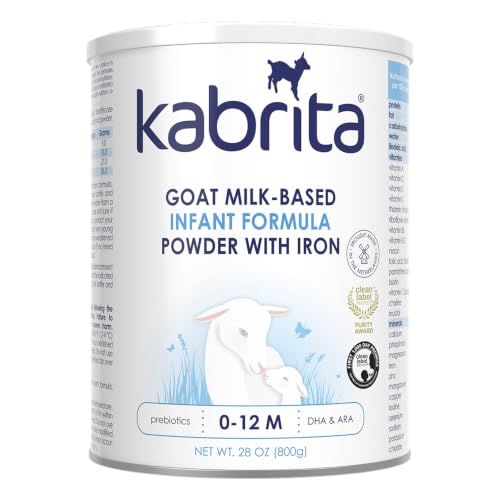
Kabrita Goat Milk Formula 28 oz
The Picks, Examined More Closely
Pure Bliss brings together a broad 0–12 month age range, milk sourced from Irish farms, and a simple list of ingredients left out. For families combining breast milk with formula, that combination makes it an uncomplicated choice when you want the nutrition profile modeled after breast milk without moving to a niche protein base.
Unlike Happy Baby Stage 1 A2, this option centers on cow’s milk rather than A2 protein or a named probiotic blend. In most feeding plans, that distinction matters less than whether the age range, ingredient preferences, and can size fit your routine.
The Good Stuff
- The 0–12 month range covers both major infant stages.
- Milk comes from cows in Ireland.
- DHA and ARA support brain and eye development.
- The formula excludes palm olein oil, corn syrup, and artificial growth hormones.
Things To Consider
- At 24.7 ounces, the can is larger than the 21-ounce Happy Baby Stage 1 option, so account for preparation space and your expected pace of use.
Quick Facts
The Right Fit
You’ll find this formula most useful for families wanting Irish-sourced cow’s milk, a wide age range, and a simple exclusions list.
Another Choice May Suit
Happy Baby Stage 1 A2 suits you better when A2 milk and a named probiotic and prebiotic blend matter more than Irish sourcing.
Happy Baby Organics Stage 1 puts prebiotics at the center of its nutrition story. GOS and FOS are two types of fermentable fiber used in infant formulas to support the growth of beneficial gut bacteria, giving you a concrete feature to compare while planning mixed feeding.
The 21-ounce can offers a smaller starting package than Pure Bliss by Similac Irish Farms, which may suit a family easing into formula. You do sacrifice the broader 0–12 month range on this listing, and the formula is specifically presented as Stage 1.
The Upside
- Organic lactose serves as the primary carbohydrate.
- GOS and FOS provide two forms of prebiotic fiber.
- The listing states four times more prebiotics than most other organic infant formulas.
- Corn syrup solids and carrageenan are excluded.
- The 21-ounce package offers a manageable introduction to formula feeding.
Worth Noting
- As a single-can package, it may require more frequent reordering than the three-can Happy Baby Stage 2 multipack.
- Its stated protein profile does not highlight A2 milk, making Happy Baby Stage 1 A2 the more specific choice for that preference.
Made For
This formula fits families seeking an organic Stage 1 product whose label foregrounds prebiotics and a smaller initial package.
Where A Sibling Pick Shines
Happy Baby Stage 1 A2 gives you a more defined reason to choose it when A2 protein, probiotics, and prebiotics form your priority list.
Happy Baby Stage 1 A2 combines A2 milk with both probiotics and prebiotics, giving you a more feature-specific formula for a breastfed baby. Probiotics provide live microorganisms, while prebiotics act as food for beneficial bacteria; having both on the label gives you a clear comparison point.
The formula is made in Europe and carries USDA and EU organic designations. Compared with Happy Baby Organics Stage 1, it adds A2 protein and a named blend, so your choice comes down to whether those distinctions justify moving to the more specialized formula.
Real-World Strengths
- A2 milk provides a distinct protein-type consideration.
- Probiotics and prebiotics support a more feature-complete formula profile.
- The blend is formulated to support softer, more regular stools.
- Prebiotic levels are positioned close to those found in breast milk.
- DHA supports brain and eye development.
- The 0–12 month designation covers both infant stages.
Minor Gripes
- A2 describes the protein type rather than predicting your baby’s tolerance, so discuss any formula change with your pediatrician.
Key Product Details
Built With In Mind
You’ll appreciate this formula most when A2 milk, probiotics, prebiotics, and organic sourcing form your core requirements.
Consider Something Else When
Pure Bliss by Similac Irish Farms suits you better when Irish milk sourcing and a broad age range matter more than A2 milk and a named probiotic blend.
Happy Baby Stage 2 is built for babies aged 6–12 months, making it the natural follow-up once your feeding routine moves beyond the newborn stage. It retains the probiotic and prebiotic blend found in the Stage 1 A2 formula while adjusting nutrient levels for the older infant stage.
The three-can pack is the practical differentiator here. You’ll have more formula available for regular feeding, although you may find that a single-can option is easier to manage during the early days of mixed feeding or while traveling.
A Strong Showing
- The 6–12 month designation targets older infant feeding needs.
- Calcium, iron, phosphorus, iodine, and selenium are higher than in the corresponding Stage 1 formula.
- The three-can pack reduces the frequency of reordering during regular use.
- Probiotics and prebiotics remain part of the formula profile.
Practical Considerations
- The Stage 2 age label makes this unsuitable for feeding before six months.
- A three-can pack requires more storage space than a single can.
- Moving between stages should follow your baby’s age, feeding readiness, and your pediatrician’s guidance.
Whose Shelf It Belongs On
This option fits families with a baby in the 6–12 month window that want the Happy Baby blend in a convenient multipack.
Reach For A Different Pick When
Happy Baby Stage 1 A2 suits you better for a newborn or younger infant whose feeding plan still centers on Stage 1.
Kabrita changes the central variable by using European goat milk instead of cow’s milk. Goat milk naturally contains A2 protein, and the formula is designed for gentle digestion in healthy infants from birth through 12 months.
This narrower protein focus makes it a distinctive option for families specifically seeking goat milk, but less of a direct match when prebiotics or probiotics drive your decision. Happy Baby’s formulas offer a more elaborate digestive-support feature profile.
A Few Highlights
- Goat milk provides A2 protein for a distinct alternative to standard cow’s-milk formulas.
- The European-made formula carries a non-GMO designation and a 0–12 month age range.
Some Limits To Know
- The single 28-ounce can needs more storage space than Happy Baby Organics Stage 1 in its 21-ounce package.
- Its emphasis is the goat-milk protein base, not a stated prebiotic or probiotic blend.
Feature Snapshot
Best Suited To
You’ll find this formula most relevant when your family wants goat milk, A2 protein, and a European production origin.
Look Elsewhere When
Happy Baby Organics Stage 1 suits you better when prebiotics, organic lactose, and a 21-ounce package are the deciding factors.
How to Match Formula Features to Your Baby’s Routine
Stage and Feeding Plan
Start with your baby’s age and current feeding pattern, because Stage 1 and Stage 2 formulas are formulated for different periods of development. Pure Bliss and Happy Baby Stage 1 A2 cover 0–12 months, while Happy Baby Stage 2 is labeled for 6–12 months. Kabrita also spans 0–12 months, but its goat-milk base is the defining feature rather than the stage range.
Your pediatrician can help you assess readiness, especially during a change from exclusive breastfeeding to mixed feeding. Keep preparation and storage instructions on the package as your practical reference.
Milk Base and Protein
Cow’s milk serves as the base for Pure Bliss and the Happy Baby Organics formulas. Happy Baby Stage 1 A2 uses A2 milk, while Kabrita uses goat milk with naturally occurring A2 protein. This distinction gives you a clear way to narrow the field according to the protein type your family wants to try.
A2 is a protein-type description, not a universal measure of tolerance or an automatic choice. Compare the ingredient lists and discuss a switch with your baby’s care team before making the change.
Prebiotics, Probiotics, and DHA
Prebiotics are fermentable fibers that support beneficial gut bacteria, while probiotics are live microorganisms. Happy Baby Organics Stage 1 includes GOS and FOS, while Happy Baby Stage 1 A2 and Stage 2 add a named probiotic and prebiotic blend. Pure Bliss emphasizes DHA and ARA, nutrients included to support brain and eye development.
For a breastfed baby, you may prefer formula with familiar nutritional emphases. The most useful comparison is the specific feature profile, not the number of ingredients on the front of the can.
Package Size and Format
Package size affects how quickly you reorder and how much storage space the formula needs. The lineup ranges from Happy Baby Organics Stage 1 at 21 ounces to Pure Bliss at 24.7 ounces and Kabrita at 28 ounces, while Happy Baby Stage 2 comes in a three-can pack. Choose the format that matches your expected consumption and the space available in your home.
Two Details That Shape the Decision
Mistakes Worth Dodging
Don’t select a formula solely because its packaging resembles breast milk. Check the age stage, protein type, prebiotic and probiotic content, and preparation requirements before choosing. Switching stages or protein bases based only on an ingredient headline can leave you overlooking a more important feeding detail.
What Separates Premium From Basic
A2 milk, organic sourcing, and a dedicated probiotic and prebiotic blend can add cost. Those features matter most when they match a specific family preference; otherwise, a simpler Stage 1 formula may fit your routine just as well.
Frequently Asked Questions
Can a breastfed baby drink infant formula?
Yes, breast milk and formula can be used together in a feeding plan. Your baby’s age, feeding needs, and your pediatrician’s guidance should guide the amount and pace.
What is Stage 1 formula designed for?
Stage 1 formula is intended for newborns and younger infants, generally covering the first six months. Happy Baby Organics Stage 1 and Happy Baby Stage 1 A2 are both labeled for 0–12 months.
Is A2 formula better for digestion?
A2 formula may suit a family specifically seeking A2 protein, but it does not guarantee better digestion for every baby. Pure Bliss uses conventional cow’s milk, while Kabrita provides goat milk with A2 protein.
Which formula includes both probiotics and prebiotics?
Happy Baby Stage 1 A2 and Happy Baby Stage 2 include a named probiotic and prebiotic blend. Happy Baby Organics Stage 1 includes GOS and FOS prebiotics.
Is goat milk formula appropriate for newborns?
Kabrita is designed for healthy infants from 0–12 months and uses European goat milk with A2 protein. Discuss your baby’s specific history with your pediatrician before starting or changing formula.
Final Verdict
Happy Baby Stage 1 A2 offers the most defined blend of A2 milk, probiotics, and prebiotics, while Pure Bliss by Similac Irish Farms serves families who prioritize Irish sourcing and simple exclusions. Choose according to your baby’s stage, feeding plan, and ingredient preferences, then prepare it exactly as directed. A thoughtful match now can make mixed feeding feel more manageable.
