

You cook a lot and you know tiny ingredients can make a big difference. These five sesame seeds – from versatile hulled to striking black sesame – will lift dressings, breads, sushi, and tahini with real flavor and texture. I’ll point out what each package offers and whenever to use it, so you can pick the best seed for any dish and budget.
| Terrasoul Organic Hulled Sesame Seeds (2 lb) |
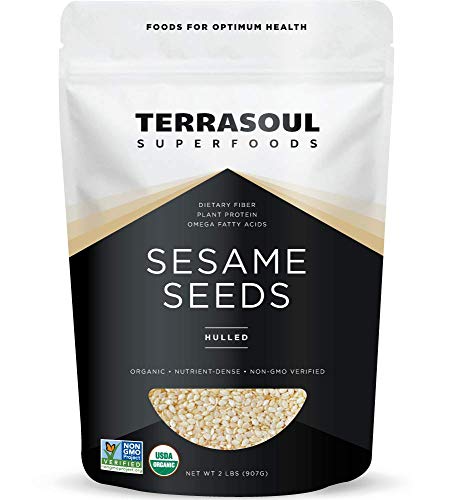
| Best for Tahini | Weight / Size: 2 lb (32 oz) | Seed Type / Color: Hulled (white) sesame seeds | Culinary Uses: Tahini, raw recipes, baking, sprinkling, sauces/dressings | VIEW LATEST PRICE | Read Our Analysis |
| 365 by Whole Foods Market Sesame Seed 2.08 Ounce |

| Everyday Staple | Weight / Size: 2.08 oz | Seed Type / Color: (unspecified) likely hulled (white) sesame seeds | Culinary Uses: General seasoning and use (jar for pantry use) | VIEW LATEST PRICE | Read Our Analysis |
| Badia Organic Black Sesame Seeds (2.5 oz) |

| Best for Garnish | Weight / Size: 2.5 oz | Seed Type / Color: Whole black sesame seeds | Culinary Uses: Baking, salads, stir-fries, sushi, breads, garnishing | VIEW LATEST PRICE | Read Our Analysis |
| Amazon Grocery Sesame Seeds 20 oz |

| Bulk Value Pick | Weight / Size: 20 oz | Seed Type / Color: (unspecified) sesame seeds (likely white/hulled) | Culinary Uses: Seasoning, baking, cooking, toasting for deeper flavor | VIEW LATEST PRICE | Read Our Analysis |
| McCormick Culinary Whole White Sesame Seeds (16 oz) |

| Professional Choice | Weight / Size: 16 oz | Seed Type / Color: Whole white sesame seeds (hulled) | Culinary Uses: Coating, garnish, tahini, baking, toasting, various savory dishes | VIEW LATEST PRICE | Read Our Analysis |
More Details on Our Top Picks
Terrasoul Organic Hulled Sesame Seeds (2 lb)
Should you want affordable, certified-organic hulled sesame seeds for everyday cooking and homemade tahini, Terrasoul’s 2-lb bag delivers: it’s raw, non‑GMO, gluten‑free, and Earth Kosher-certified, with a rich nutty flavor and a nutrient profile that includes omega‑6s, calcium, protein, and antioxidants. You’ll get versatile seeds ideal for tahini, raw dishes, baking, sprinkling, and blending into sauces or dressings. Terrasoul sources globally to keep freshness and quality high while aiming to offer superfoods affordably and pay growers and staff fairly. Grab this vegan, nutrient-dense staple in case you want reliable flavor and clean sourcing for daily use.
- Weight / Size:2 lb (32 oz)
- Seed Type / Color:Hulled (white) sesame seeds
- Culinary Uses:Tahini, raw recipes, baking, sprinkling, sauces/dressings
- Packaging Format:Bulk 2‑lb bag/container (grocery pack)
- Dietary / Quality Claims:Organic, Non‑GMO, Raw, Gluten‑free, Vegan, Kosher
- Flavor / Texture Notes:Rich nutty flavor; source of omega‑6, calcium, protein
- Additional Feature:Ideal for tahini making
- Additional Feature:Pays growers fairly
- Additional Feature:Sourced globally for freshness
365 by Whole Foods Market Sesame Seed 2.08 Ounce
Should you want a small, pantry-ready jar of sesame seeds that’s Non‑GMO and kosher-certified, 365 from Whole Foods Market’s 2.08‑ounce container is a smart pick. You get a compact, recyclable plastic jar that keeps seeds accessible without taking shelf space. The seeds are Non‑GMO Project Verified, not treated with irradiation or sterilization chemicals, and carry Orthodox Union Kosher pareve certification. Whole Foods Market guarantees freshness, so you can confidently sprinkle them on salads, toast them briefly, or blend into sauces. In case you need a modest, certified option for everyday use, this jar delivers reliable quality.
- Weight / Size:2.08 oz
- Seed Type / Color:(unspecified) likely hulled (white) sesame seeds
- Culinary Uses:General seasoning and use (jar for pantry use)
- Packaging Format:Recyclable plastic jar
- Dietary / Quality Claims:Non‑GMO Project Verified, not irradiated, Kosher (OU)
- Flavor / Texture Notes:Typical sesame flavor (freshness guaranteed)
- Additional Feature:Recyclable plastic jar
- Additional Feature:Freshness guaranteed
- Additional Feature:Not irradiated/sterilized
Badia Organic Black Sesame Seeds (2.5 oz)
Supposing you want certified organic black sesame with a bold, nutty crunch, Badia’s 2.5‑oz resealable bottle is a great pick-it’s grown without synthetic pesticides, packed whole to preserve texture, and sized for regular home cooks who use seeds for baking, salads, sushi, and Asian recipes. You’ll get 100% organic black sesame from Badia, a family-owned spice brand since 1967, offering earthy flavor, crunchy texture, and slightly higher protein than white seeds. The resealable bottle keeps seeds fresh and ready-to-use for baking, stir-fries, fish, breads, sauces, and garnishes, making it a versatile pantry staple.
- Weight / Size:2.5 oz
- Seed Type / Color:Whole black sesame seeds
- Culinary Uses:Baking, salads, stir-fries, sushi, breads, garnishing
- Packaging Format:Resealable bottle
- Dietary / Quality Claims:100% Certified Organic
- Flavor / Texture Notes:Rich, nutty, earthy flavor; crunchy texture; higher protein vs white
- Additional Feature:Resealable bottle packaging
- Additional Feature:Family-owned brand
- Additional Feature:Prominent in Asian cuisine
Amazon Grocery Sesame Seeds 20 oz
Should you cook, bake, or season regularly and want a reliable pantry staple, Amazon Grocery Sesame Seeds 20 oz are a smart pick – they come in a single, resealable container that’s ideal for frequent use and for households shifting from Happy Belly branding. You’ll get plain sesame seeds you can sprinkle, bake with, or toast for deeper, nuttier flavor. The 20-ounce size keeps you stocked without constant repurchasing. Packaging might differ during the Happy Belly-to-Amazon Grocery shift, but the product and ingredients remain the same. Amazon Grocery consolidates everyday items, and the label thanks you for continued trust in familiar brands.
- Weight / Size:20 oz
- Seed Type / Color:(unspecified) sesame seeds (likely white/hulled)
- Culinary Uses:Seasoning, baking, cooking, toasting for deeper flavor
- Packaging Format:20‑oz container (brand/packaging may vary)
- Dietary / Quality Claims:(no specific organic/GMO claims listed) standard grocery sesame
- Flavor / Texture Notes:Toastable for deeper nutty flavor
- Additional Feature:Large single-container size
- Additional Feature:Brand transition note
- Additional Feature:Everyday grocery staple
McCormick Culinary Whole White Sesame Seeds (16 oz)
Should you cook for restaurants or love batch-cooking at home, McCormick Culinary Whole White Sesame Seeds (16 oz) are built for heavy use: the flat-sided bottle and dual lid (spoon plus shaker) make measuring and sprinkling fast, while the large, uniform seeds deliver a mild, nutty crunch that toasts up beautifully. You’ll use them as a versatile garnish for sushi, salads, rice, noodles, breads and desserts, or as a coating for fish and meats. Toast at 350°F about 8–10 minutes until golden, cool immediately. Store in an airtight pantry container six months or in the freezer up to one year.
- Weight / Size:16 oz
- Seed Type / Color:Whole white sesame seeds (hulled)
- Culinary Uses:Coating, garnish, tahini, baking, toasting, various savory dishes
- Packaging Format:16‑oz bottle with shaker/spoon lid
- Dietary / Quality Claims:Kosher; no MSG; sourced for quality
- Flavor / Texture Notes:Nutty, mild flavor; crunchy; toasting enhances nuttiness
- Additional Feature:Dual lid (spoon/shaker)
- Additional Feature:Flat-sided bottle design
- Additional Feature:Professional/chef-oriented
Factors to Consider When Choosing Sesame Seeds
Upon selecting sesame seeds, you’ll weigh things like black versus white seeds, hulled versus unhulled, and whether they’re organic or non‑GMO. Pay attention to flavor, aroma, and the texture to make sure they match your recipe. Freshness is key – older seeds lose oil and taste, so check the packaging date or smell before buying.
Seed Type (Black vs. White)
Pick the seed that fits your flavor and use: black sesame brings a stronger, earthier, slightly bitter profile and bold visual contrast, whereas white sesame (usually hulled) gives a milder, nuttier taste, smoother texture, and faster oil release ideal for tahini, baking, or neutral garnishes. You’ll find black seeds often unhulled, darker, higher in fiber and with a bit more calcium and iron per weight, which deepens their roasted, smoky notes upon toasted. White seeds brown and sweeten with toasting, becoming crunchier and releasing oil more readily for emulsions and doughs. Choose black if you want striking color and assertive flavor in Asian dishes or desserts; pick white for subtle garnish, coating, or silky sauces that let other ingredients shine.
Hulled Versus Unhulled
Having chosen between black and white seeds for flavor and color, the next decision is whether to use hulled or unhulled sesame-because the hull changes texture, taste, and nutrition. You’ll pick hulled whenever you want pale seeds, a milder, smoother taste, and easy grinding for silky tahini or blended dressings; they have less fiber and surface oil so they mash and emulsify quickly. Choose unhulled provided you want pronounced nutty, slightly bitter flavor, more crunch and visual contrast when toasting, and higher fiber, calcium, and iron per weight. Note that unhulled seeds can be tougher to grind and release oils more slowly. Balance culinary goals (texture, color, grindability) against the modest nutritional differences to decide which fits your recipes.
Organic And Non‑GMO
Because you’re buying seeds that end up on your plate, it’s worth deciding whether organic and non‑GMO labels matter to your priorities: organic sesame is grown without synthetic pesticides or fertilizers and undergoes traceable audits, while non‑GMO certification (usually third‑party verified) confirms no genetically modified seed stock was used. Should you want to minimize pesticide residues and support agroecological practices, choose organic; certification gives you audit-backed transparency about farming and handling. Non‑GMO aligns with preferences to avoid engineered varieties, though it’s separate from organic status. Neither label guarantees higher nutrient levels, but both reflect production standards and environmental choices. Balance your budget and values-buy certified whenever minimizing chemical exposure and supporting biodiversity matters to you.
Flavor And Aroma
Beyond certification and farming methods, flavor and aroma will determine how sesame seeds perform in your cooking and how much they’ll contribute to a dish. Choose hulled (white) seeds provided you want a mild, buttery‑nutty note and subtle scent; they won’t overpower delicate recipes. Pick unhulled (black or brown) seeds whenever you want earthier, slightly bitter flavors and a punchier toasted aroma, especially whenever heated. Toast seeds briefly-about 3–10 minutes depending on quantity and heat-to release oils and caramelize sugars, enhancing aroma and taste. Control roast time and temperature: low‑and‑slow brings gentle caramel sweetness, while high heat yields smoky, more bitter notes. Always sniff before using; a bright, clean nutty scent signals fresh, flavorful seeds.
Texture And Freshness
Whenever you pick sesame seeds, trust your nose and teeth: fresh seeds smell distinctly nutty and snap crisp, while stale ones smell flat or slightly rancid and feel soft or chewy. Check hull status: hulled (white) seeds are softer, milder, and smoother; unhulled (brown/black) seeds keep a firmer, slightly bitter exterior and more chew. Toasting for 5–10 minutes at moderate heat releases oils, enhances crunch and flavor, but watch closely-overtoasting yields bitterness and a dry, brittle texture. Store seeds airtight in the pantry for several months; refrigerate or freeze to extend freshness and slow oil oxidation. Keep seeds dry to avoid clumping and loss of crispness, and use them within the best-by period for prime texture.
Nutritional Profile
You can appreciate sesame seeds’ crunch and aroma while also evaluating their nutrition: a tablespoon (9–10 g) packs about 50–60 kcal, mostly from healthy fats, plus roughly 1.6–2 g of protein. Whenever choosing seeds, favor varieties that offer plant protein alongside heart-friendly fats-sesame is rich in omega-6 (linoleic acid), which contributes most fat calories. You’ll also get fiber and antioxidant lignans like sesamin and sesamol, compounds linked to cardiovascular and metabolic benefits. Hulled seeds deliver notable calcium per tablespoon, and all types provide iron, magnesium, and phosphorus in useful amounts. Consider how the seeds fit your diet: they concentrate calories but enhance micronutrients, healthy fats, fiber, and unique antioxidants in small servings.
Packaging And Shelf‑Life
Upon selecting sesame seeds, pick resealable or airtight packaging-zip-top bags, tight-lidded jars, or resealable bottles-to slow oxidation and keep the seeds crunchy and flavorful. Transfer bulk purchases into smaller airtight jars after opening to limit air and moisture exposure. Store seeds in a cool, dark place; hulled seeds stay fresh about 4–6 months at pantry temperature and up to a year refrigerated or frozen. Prefer opaque or tinted containers to block light, since seed oils go rancid faster with exposure. Check packaging for freshness guarantees or non-irradiated handling, and inspect opened seeds for oil separation, clumping, or off-odors before use. Proper packaging and storage extend flavor and prevent waste.
Culinary Applications
Consider about purpose and flavor: choose hulled (white) seeds for a mild, nutty note and pale appearance in tahini, baking, or delicate garnishes, and pick unhulled (brown or black) seeds if you want more oil, fiber, crunch, and an earthier punch for breads, sushi, or savory sauces. Toast seeds 5–10 minutes in a skillet or 8–10 minutes at 350°F to concentrate aroma and release oils before use. Use finely ground sesame (tahini) as a creamy, emulsifying base for dressings, dips, and sauces; it delivers more flavor and mouthfeel than whole seeds. For occasional use, store seeds airtight in the fridge or freezer to prevent rancidity beyond a few months, and mark containers with dates for rotation.
