

You want great matcha without the jittery buzz, and you can still enjoy a rich, smooth cup. Try later harvest or blended matchas that use lower caffeine leaves or mix in green tea, and consider smaller scoops or half‑decaf blends to cut caffeine further. I’ll share five top picks that balance flavor, texture, and calm energy, plus tips for brewing and blending so you get the taste you love with less lift.
| Matchabar Ceremonial Grade Japanese Matcha Powder (30g) |
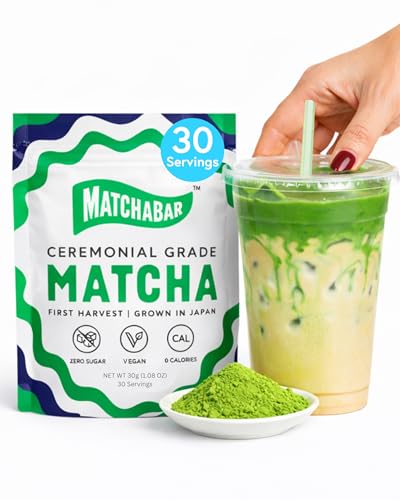
| Focused Energy | Grade: Ceremonial grade | Origin / Sourcing Region: Nishio, Japan (family-farmed) | Caffeine / Energy Effect: Contains caffeine – higher caffeine with L-theanine for sustained energy | VIEW LATEST PRICE | Read Our Analysis |
| HAYASHIYA Ceremonial Grade Matcha Powder (30g) |

| Organic Classic | Grade: Ceremonial grade | Origin / Sourcing Region: Kyoto, Japan | Caffeine / Energy Effect: Contains natural caffeine – calm alertness with L-theanine | VIEW LATEST PRICE | Read Our Analysis |
| Matchabar Ceremonial Grade Japanese Matcha Powder (80g) |

| Best Value | Grade: Ceremonial grade | Origin / Sourcing Region: Kagoshima, Japan (family-farmed) | Caffeine / Energy Effect: Contains caffeine – sustained energy with L-theanine | VIEW LATEST PRICE | Read Our Analysis |
| The Republic of Tea Organic Double Green Matcha |

| Bold Blend | Grade: Blend includes matcha (double green) – premium/concentrated grade matcha component | Origin / Sourcing Region: Japan & China (blend) | Caffeine / Energy Effect: Medium caffeine (from matcha + green tea blend) | VIEW LATEST PRICE | Read Our Analysis |
| Bigelow Matcha Green Tea with Turmeric (108 Bags) |
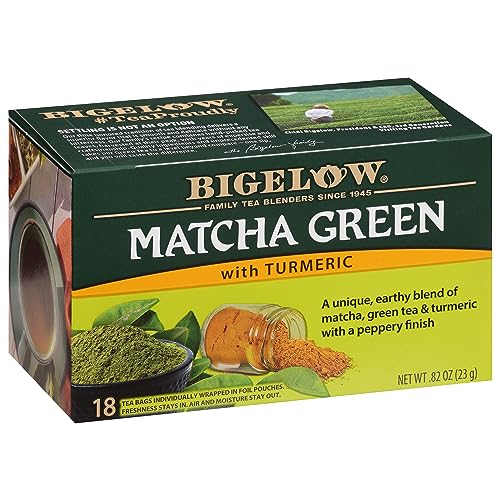
| Everyday Convenience | Grade: Green tea with matcha (blended tea bags) – matcha-enhanced tea | Origin / Sourcing Region: Blended and packaged in USA (matcha + turmeric origin not specified) | Caffeine / Energy Effect: Caffeinated (green tea with matcha) | VIEW LATEST PRICE | Read Our Analysis |
More Details on Our Top Picks
Matchabar Ceremonial Grade Japanese Matcha Powder (30g)
Should you want a clean, traditional matcha that still gives you steady energy without overwhelming your day, Matchabar Ceremonial Grade Japanese Matcha Powder (30g) fits the bill. You’ll feel cared for realizing it’s family-farmed in Nishio, Japan, from initial harvest shade-grown leaves. You’ll trust the craft since co-founder Max Fortgang blends it and a chashi tea expert certifies ceremonial quality. You’ll get higher caffeine for gentle alertness plus L-theanine for calm focus, so you avoid jitters. You’ll also benefit from strong antioxidants and a non-GMO, vegan, zero-calorie profile that fits daily rituals and mindful moments.
- Grade:Ceremonial grade
- Origin / Sourcing Region:Nishio, Japan (family-farmed)
- Caffeine / Energy Effect:Contains caffeine – higher caffeine with L-theanine for sustained energy
- Antioxidant / Health Claims:~10× antioxidants vs standard green tea; immune-support implication
- Dietary Certifications / Attributes:Non-GMO, gluten-free, vegan, sugar-free, 0 calories
- Package Size / Format:30 g tin / powder
- Additional Feature:Family-farmed Nishio
- Additional Feature:Tea-master blended
- Additional Feature:First-harvest leaves
HAYASHIYA Ceremonial Grade Matcha Powder (30g)
Should you want a gentle, focused lift without the buzz of coffee, HAYASHIYA Ceremonial Grade Matcha Powder (30g) is a great choice because it blends naturally lower caffeine with calming L-theanine for steady energy and clear contemplation. You’ll notice bright color and smooth texture from initial harvest leaves grown in Kyoto. It’s USDA Organic and stone-ground in small batches, so the ultra-fine powder keeps nutrients like EGCG intact. You can whisk traditional tea, stir lattes, blend smoothies, or bake with it, and it dissolves well in oat or almond milk. The sealed, light-blocking tin keeps freshness for daily rituals or gifting.
- Grade:Ceremonial grade
- Origin / Sourcing Region:Kyoto, Japan
- Caffeine / Energy Effect:Contains natural caffeine – calm alertness with L-theanine
- Antioxidant / Health Claims:Contains EGCG; described as superfood antioxidant
- Dietary Certifications / Attributes:USDA Organic (also implied vegan, sugar-free)
- Package Size / Format:30 g sealed tin (light-blocking) / powder
- Additional Feature:USDA Organic certified
- Additional Feature:Stone-ground granite mills
- Additional Feature:Airtight light-block tin
Matchabar Ceremonial Grade Japanese Matcha Powder (80g)
In case you want a gentle, steady lift without the buzz, Matchabar Ceremonial Grade Japanese Matcha Powder is a smart pick for you. You’ll feel calm focus from caffeine paired with L-theanine, so you stay clearheaded without jitters. The silky 80 g powder comes from family farms in Kagoshima and gets blended through a tea maestro with rare 10th-level chashi credentials. It’s initial-harvest, shade-grown leaf tops, non-GMO, vegan, gluten-free, sugar-free, and zero calories. Use it for traditional tea, creamy lattes, or a focused energy surge. You’ll enjoy rich antioxidants and careful craftsmanship in every scoop.
- Grade:Ceremonial grade
- Origin / Sourcing Region:Kagoshima, Japan (family-farmed)
- Caffeine / Energy Effect:Contains caffeine – sustained energy with L-theanine
- Antioxidant / Health Claims:~10× antioxidants vs regular green tea
- Dietary Certifications / Attributes:Non-GMO, gluten-free, vegan, sugar-free, 0 calories
- Package Size / Format:80 g tin / powder
- Additional Feature:Family-farmed Kagoshima
- Additional Feature:Tea-master certified blend
- Additional Feature:Larger 80 g size
The Republic of Tea Organic Double Green Matcha
Looking for a bold green tea that still fits a lower-caffeine routine? You’ll like The Republic of Tea Organic Double Green Matcha. It blends organic Japanese matcha with organic green tea leaves for a concentrated, grassy, lively cup. You’ll steep a bag 1–3 minutes or full leaves 2–4 minutes in fresh filtered water just below boiling. Each bag makes about six ounces and yields roughly 50 cups, so you’ll get plenty. It’s USDA Organic, Non GMO Project Verified, gluten free, kosher, and sugar free. You’ll taste crisp vegetal nuances while keeping caffeine at a medium, manageable level.
- Grade:Blend includes matcha (double green) – premium/concentrated grade matcha component
- Origin / Sourcing Region:Japan & China (blend)
- Caffeine / Energy Effect:Medium caffeine (from matcha + green tea blend)
- Antioxidant / Health Claims:Organic green tea + matcha – antioxidant-rich blend
- Dietary Certifications / Attributes:USDA Organic, Non-GMO Project Verified, gluten-free, kosher, sugar-free, carb free
- Package Size / Format:Tea bags / blend yielding ~50 cups (double green format)
- Additional Feature:Blend: powder + leaves
- Additional Feature:Steeps ~50 cups
- Additional Feature:Sourced China & Japan
Bigelow Matcha Green Tea with Turmeric (108 Bags)
In case you want a gently caffeinated matcha that still wakes up your senses, Bigelow Matcha Green Tea with Turmeric is a great pick for daytime sipping and calm afternoons. You’ll find 108 foil-wrapped bags that keep aroma and freshness, so each cup tastes bright. The base is smooth green tea with lively matcha and a warm turmeric spice. You can enjoy it hot or iced, and it’s calorie free, gluten free, and kosher. Bigelow’s family roots and B Corp values mean you can trust quality. Pour steady, breathe in the spice, and relax into the moment.
- Grade:Green tea with matcha (blended tea bags) – matcha-enhanced tea
- Origin / Sourcing Region:Blended and packaged in USA (matcha + turmeric origin not specified)
- Caffeine / Energy Effect:Caffeinated (green tea with matcha)
- Antioxidant / Health Claims:Green tea + turmeric – antioxidant and turmeric-associated benefits
- Dietary Certifications / Attributes:Gluten-free, calorie-free, kosher
- Package Size / Format:108 individually wrapped tea bags (6 boxes × 18)
- Additional Feature:Matcha + turmeric blend
- Additional Feature:Individually foil-wrapped bags
- Additional Feature:Pack of 108 bags (6×18)
Factors to Consider When Choosing Low Caffeine Matchas
Whenever you pick a low caffeine matcha, you’ll want to compare actual caffeine numbers and consider about how harvest time and leaf grade change the lift you get. Also consider how much you scoop for each cup and how the balance of L-theanine to caffeine affects calm focus, because processing and stone grinding influence flavor and nutrient release. These points connect-grade and processing set the matcha’s profile, serving size and L-theanine shape the experience, and caffeine figures let you choose what fits your day.
Caffeine Content Comparison
Although you could crave a strong cup, you can pick a matcha that fits your caffeine needs through focusing on a few clear factors, and I’ll walk you through the easiest ones to control. Typical ceremonial grade matcha has about 35–70 mg caffeine per gram, while lighter grades often sit under 20–30 mg. You can change your intake using smaller servings, like 0.5–1.0 g, or through blending half and half with decaffeinated green tea powder. Stone ground initial harvest powders usually contain more caffeine, and later harvests or lower grade blends tend to be gentler. Preparation tweaks such as water temperature or whisking matter little. Should you want predictability, choose matcha labeled with caffeine per gram.
Harvest And Leaf Grade
You’ve just looked at caffeine numbers and simple prep tricks, so now let’s look closer at where that caffeine actually comes from: the leaves and the time they’re picked. You’ll find younger initial-harvest leaves pack more nutrients and naturally more caffeine, so choosing later harvests helps lower the kick. Also know shade-grown leaves amplify chlorophyll and the calming amino acid L-theanine, yet they often raise caffeine compared with sun-grown leaves. Bigger, mature leaves picked later in the season usually hold less caffeine per gram, so they suit your goals. Blended grades that mix mid- and late-season leaves lower overall caffeine versus pure ceremonial ichibancha. Focus on harvest timing and leaf maturity, not particle size, whenever you scan labels and samples.
Serving Size Impact
For anyone trying to lower their caffeine without losing matcha’s calm focus, serving size is the simplest lever you can pull. You can cut caffeine by using a smaller scoop. A standard 1 gram serving already has less caffeine than coffee, so using 0.5 to 0.75 grams trims caffeine by 25 to 50 percent while keeping flavor and the gentle mood lift. In case you double the powder for a latte or koicha style, expect roughly double the caffeine, so measure carefully. Whenever you mix matcha into smoothies or baked goods, watch cumulative teaspoons because they add up fast. Since ground versus whisked prep rarely changes caffeine per gram, focus on grams, not method, to control your intake.
L-Theanine To Caffeine
Consider about L-theanine as the calm companion to caffeine’s pep, and you’ll start choosing matcha that keeps you steady instead of shaky. You’ll want a matcha with a high L-theanine to caffeine ratio because it smooths focus and lowers jittery feelings. Look for ratios near 2:1 or higher whenever you can, since that balance gently raises alpha brain waves and helps GABA and dopamine work without anxiety. Know that typical powdered matcha contains about 20–40 mg L-theanine per gram and 15–70 mg caffeine per gram, so lower-caffeine options often feel calmer. Pay attention to shade-grown and initial-harvest cues, because they usually mean more L-theanine. Choose servings that extend steady energy instead of quick spikes.
Processing And Stone Grinding
Stone grinding matters a lot whenever you want matcha that calms you instead of revving you up. You’ll notice the slow, cool grind keeps volatile compounds and delicate amino acids intact, so your cup feels smoother. Whenever producers de-vein and de-stem before grinding, they remove tougher parts that can amplify certain compounds, which changes the caffeine to L-theanine balance you taste. In case leaves see high heat during drying, oxidation rises and the mellowing L-theanine can fall, making caffeine seem stronger. Small batch, low speed stone grinding preserves chlorophyll and umami, so a lower caffeine matcha can still taste full and pleasant. Pay attention to processing particulars on the label and trust producers who describe their stone mill methods.
Organic And Certifications
At the moment you choose a low caffeine matcha, organic and certification labels tell you more than just a green badge; they show who cared for the plants and how they handled them after harvest. You’ll want USDA Organic or a national organic mark so synthetic pesticides and most synthetic fertilizers weren’t used. Also look for Non‑GMO Project verification should you care about genetic inputs. Because matcha is powdered, ask for third‑party lab tests or a Certificate of Analysis that lists heavy metals and pesticide residues. Check that the organic scope covers both growing and processing to avoid contamination after harvest. Finally, consider fair trade or Rainforest Alliance seals in case worker welfare and sustainability matter to you alongside safety.
Flavor Versus Strength
How do you want your matcha to feel in your mouth and in your day? You might prefer soft, mellow flavors or something bolder that wakes you up. Later harvest, low caffeine matcha often tastes more grassy and astringent and has less sweet umami than early harvest. So you can pick low caffeine matcha and then shape its strength with simple choices. Use a lighter scoop, about 0.5 to 1 gram, to cut caffeine and keep delicate notes. Whisk gently and use cooler water, around 70 to 75°C, to avoid bitterness. You can also blend a little matcha with finely ground green tea or a milk alternative to soften intensity without raising caffeine. Avoid mid-grade culinary powders should you want milder cups.
Packaging And Freshness
Keeping your low caffeine matcha fresh starts with the packaging, because exposure to light, air, and heat will dull the flavor fast. You should pick airtight, light-blocking containers like sealed tins or foil pouches to protect chlorophyll and aroma. Also seek vacuum-sealed or nitrogen-flushed packs and tamper-evident seals to limit oxygen contact. Smaller portion sizes or single-serve packets help, since you open them less and reduce air and moisture hits. Check for opaque, UV-resistant packaging and plan to store matcha in a cool, dark spot or in the fridge to slow flavor loss. Finally, verify a production or freshness date so you can use ceremonial-grade matcha within three to six months after opening for peak taste.
