

You want a plant protein that actually makes your smoothie feel like a real treat, not a chalky chore, and you deserve options that taste great, mix smooth, and keep you full. Start with a creamy chocolate peanut butter powder for dessert vibes, try a vanilla plant blend for everyday shakes, and pick an unsweetened unflavored option whenever you desire full control over flavor. Also consider a superfood-fortified formula should you desire extra fiber and greens. Keep your goals in mind and you’ll find a blend that fits.
| Enchant Organic Chocolate Peanut Butter Protein Powder |

| Flavor-Forward Pick | Protein per serving: 20 g | Protein source: Organic pea protein (plant) | USDA Organic / organic certification: USDA Organic; CCOF certified | VIEW LATEST PRICE | Read Our Analysis |
| Orgain Organic Vegan Protein + Superfoods Powder Bundle |
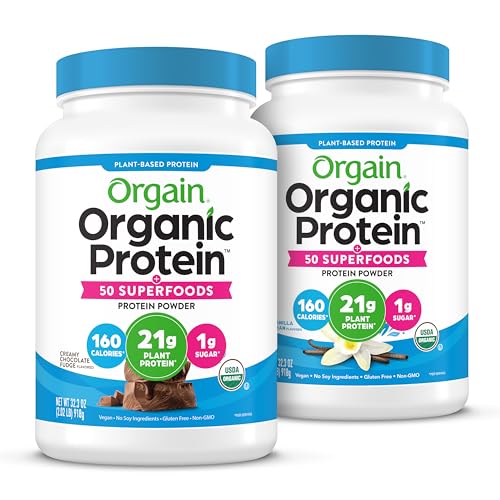
| Best For Variety | Protein per serving: 21 g | Protein source: Pea, brown rice, chia (plant blend) | USDA Organic / organic certification: USDA Organic certified | VIEW LATEST PRICE | Read Our Analysis |
| Form Pureblend Unsweetened Unflavored Vegan Protein Powder |

| Pure & Unsweetened | Protein per serving: 15 g | Protein source: Pea isolate, brown rice, hemp (plant blend) | USDA Organic / organic certification: Uses organic ingredients (pea protein listed as organic) – packaging/ingredients organic indicators present | VIEW LATEST PRICE | Read Our Analysis |
| Orgain Organic Vegan Protein + 50 Superfoods Powder |
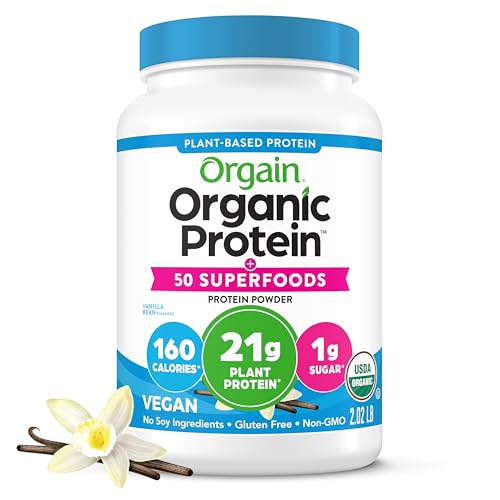
| Best Superfoods Blend | Protein per serving: 21 g | Protein source: Pea, brown rice, chia (plant blend) | USDA Organic / organic certification: USDA Organic certified | VIEW LATEST PRICE | Read Our Analysis |
| Orgain Organic Plant-Based Vanilla Protein Powder (2.74 lb) |

| Family-Size Favorite | Protein per serving: (Not explicitly listed per serving in summary; typical product – but summary lists as a plant-based protein powder) – (no specific grams provided) | Protein source: Plant-based blend (organic plant proteins) | USDA Organic / organic certification: Organic | VIEW LATEST PRICE | Read Our Analysis |
More Details on Our Top Picks
Enchant Organic Chocolate Peanut Butter Protein Powder
Should you want a plant protein that feels like a treat but keeps things clean and simple, Enchant Organic Chocolate Peanut Butter is a great pick. You’ll find 20 grams of organic plant protein per serving, so your smoothie can power you without dairy. It also gives 5 grams of prebiotic fiber to support digestion and keep you full longer. The protein comes from pea seeds grown on certified organic North American farms, so you’re choosing non GMO farming you can trust. The USDA Organic certification and vegan formulation add peace of mind. Expect a silky texture, chocolate drizzle nuances, and a warm peanut aroma.
- Protein per serving:20 g
- Protein source:Organic pea protein (plant)
- USDA Organic / organic certification:USDA Organic; CCOF certified
- Vegan / non-dairy:Vegan, plant-based, non-dairy
- Uses in smoothies / versatility:Designed for smoothies (silky-smooth texture; aroma)
- No dairy/soy/gluten claims (clean-label):Non-dairy; plant-based (no dairy)
- Additional Feature:Silky-smooth texture
- Additional Feature:5 g prebiotic fiber
- Additional Feature:USDA Organic facility-made
Orgain Organic Vegan Protein + Superfoods Powder Bundle
Provided you want a simple, trustworthy plant protein that mixes well and supports everyday nutrition, the Orgain Organic Vegan Protein + Superfoods bundle is a great pick. You get two tubs, chocolate and vanilla, so you can vary flavors without guessing. Each scoop gives 21 g protein from pea, brown rice, and chia, so you get all nine essential amino acids. It keeps sugar low at 1 g and calories at 160, while adding prebiotic fiber and a 50 superfoods blend for vitamins and iron. It’s organic, vegan, non GMO, gluten free, and it mixes easily into shakes, baking, or meals.
- Protein per serving:21 g
- Protein source:Pea, brown rice, chia (plant blend)
- USDA Organic / organic certification:USDA Organic certified
- Vegan / non-dairy:Vegan, non-dairy
- Uses in smoothies / versatility:Mixes easily into smoothies, plant milks, baking, meal replacements
- No dairy/soy/gluten claims (clean-label):Made without soy, dairy, lactose, carrageenan; gluten-free
- Additional Feature:50 Superfoods Blend
- Additional Feature:Two-flavor bundle
- Additional Feature:1 g sugar (per)
Form Pureblend Unsweetened Unflavored Vegan Protein Powder
Provided you want a simple, no-nonsense protein powder that fits a plant-based lifestyle and a low-ingredient pantry, Form Pureblend Unsweetened Unflavored Vegan Protein Powder is a strong pick. You’ll get 15 g of plant protein per serving from organic pea isolate, brown rice, and hemp. That blend gives a complete amino acid profile with nine essential amino acids, so your muscles get what they need after workouts or during busy days. You can stir it into smoothies, fold it into baking, or mix it into oats without added flavor or sweeteners. Packaging is 100% plastic-free and compostable, which feels good.
- Protein per serving:15 g
- Protein source:Pea isolate, brown rice, hemp (plant blend)
- USDA Organic / organic certification:Uses organic ingredients (pea protein listed as organic) – packaging/ingredients organic indicators present
- Vegan / non-dairy:Vegan, plant-based, unsweetened
- Uses in smoothies / versatility:Ideal for smoothies, cooking, baking
- No dairy/soy/gluten claims (clean-label):No flavoring or sweeteners; plant-based (implies dairy-free)
- Additional Feature:Unsweetened/unflavored
- Additional Feature:Compostable packaging
- Additional Feature:Multi-source protein blend
Orgain Organic Vegan Protein + 50 Superfoods Powder
Should you want a plant protein powder that mixes solid nutrition with everyday convenience, Orgain Organic Vegan Protein + 50 Superfoods is a great pick for busy people and health-conscious eaters. You get 21 g of protein from pea, brown rice, and chia so it covers all nine essential amino acids. It also gives 8 g of prebiotic fiber, vitamin B6, vitamin C, and iron while keeping sugar low at 1 g and calories near 160. The organic blend adds kale, turmeric, beet, acai, and more. Mix it into smoothies, oats, or baked goods for a quick, wholesome lift.
- Protein per serving:21 g
- Protein source:Pea, brown rice, chia (plant blend)
- USDA Organic / organic certification:USDA Organic certified
- Vegan / non-dairy:Vegan, non-dairy
- Uses in smoothies / versatility:Mix with water/plant milks or blend into smoothies; baking uses
- No dairy/soy/gluten claims (clean-label):Made without soy, dairy, lactose, gluten, carrageenan
- Additional Feature:8 g prebiotic fiber
- Additional Feature:Vitamin B6/C & iron
- Additional Feature:50 Superfoods Blend
Orgain Organic Plant-Based Vanilla Protein Powder (2.74 lb)
Should you want a simple, gentle plant protein that fits a vegan lifestyle and tastes like classic vanilla, this Orgain Organic Plant Based Protein Powder is a great pick. You’ll like that it’s organic, non GMO, gluten free, and made for people who avoid animal products. The 2.74 pound tub gives plenty of scoops for daily smoothies, and the vanilla bean flavor blends smoothly with fruit or coffee. Packaging might vary, and no special instructions are required. With reasonable size and clear labeling, you can feel confident using it for sports nutrition or everyday protein enhancement.
- Protein per serving:(Not explicitly listed per serving in summary; typical product – but summary lists as a plant-based protein powder) – (no specific grams provided)
- Protein source:Plant-based blend (organic plant proteins)
- USDA Organic / organic certification:Organic
- Vegan / non-dairy:Vegan, plant-based
- Uses in smoothies / versatility:Suitable for shakes/smoothies (general plant protein powder use)
- No dairy/soy/gluten claims (clean-label):Non-GMO, gluten-free, plant-based (no dairy)
- Additional Feature:Larger 2.74 lb size
- Additional Feature:Sports nutrition blend
- Additional Feature:Packaging dimensions listed
Factors to Consider When Choosing Plant Protein Powders
Whenever you pick a plant protein powder, look at the protein amount per serving so you know whether it meets your needs and how it fits your meals. Also check amino acid completeness and fiber with prebiotics, because they affect muscle support and digestion and often work together. Finally, pay attention to ingredient quality standards and the flavor and texture profile so the shake actually tastes good and feels right for your routine.
Protein Amount Per Serving
Because protein amount per serving shapes how a shake fits into your day, you’ll want to pick a powder that gives you enough protein without forcing extra scoops or calories. Aim for 15–25 grams per single-use shake so you feel full and support muscle recovery without juggling containers. In case you drink your shake after exercise, nudge that toward 20 grams to help muscles rebuild. Watch protein relative to calories too; a ratio around 20 grams per 150–200 kcal is efficient provided you want a meal replacement or to manage weight. Consider your daily protein goal, often 0.6–1.0 g per pound, and choose serving sizes that slot neatly into that plan. Plant blends often sit in the 15–25 g range, so check labels and adjust portions.
Amino Acid Completeness
Amino acids are the building blocks your body needs to repair tissue and build muscle, so you’ll want a powder that gives you all nine essentials in useful amounts. Look for powders labeled complete or check the amino acid profile on the package. Many single plant proteins miss one or more essentials, so blends like pea with rice or pea with chia work together to fill gaps. Also pay attention to protein amount per serving; aim for 20 to 25 grams to support recovery after exercise. Check leucine too since about 2 to 3 grams triggers muscle protein synthesis. Should you follow a vegan or restricted diet, rotate or combine different plant proteins across meals to be sure you get everything.
Fiber And Prebiotics
Adding fiber and prebiotics to your plant protein powder can change how it feels in your stomach and how your body uses it, so it’s worth paying attention to the label. You’ll often see 5 to 10 grams of added fiber or named prebiotics like inulin and FOS per scoop. That extra fiber slows digestion, helps you feel full longer, and can steady blood sugar. Prebiotics feed good gut bacteria and enhance short chain fatty acids tied to gut and metabolic health. In case you’re new to high fiber powders, start small and build up to avoid bloating, gas, or cramps. Also check whether the fiber is soluble, insoluble, or a specific prebiotic, and should you have IBS or FODMAP issues, talk with a clinician.
Ingredient Quality Standards
While you’re picking a plant protein powder, consider ingredient quality like a trust check for your body and your pantry. You want certified organic crops to cut pesticide exposure and back honest farming. Look for non GMO verification and third party seals such as USDA Organic to make labels meaningful. Favor blends that combine complementary proteins like pea plus rice or seeds so you get all nine essential amino acids without guessing. Check protein and fiber or prebiotic amounts per serving so your smoothie meets hunger and gut goals, roughly 15 to 21 grams protein and 5 to 10 grams fiber. Finally, avoid artificial sweeteners, colors, preservatives, and thickening agents such as carrageenan for a cleaner, gentler choice.
Flavor And Texture Profile
Taste matters more than you might envision, so start by considering about how the powder will feel and taste in the ways you actually use it. You want a mouthfeel that matches your plan. Pea protein often gives a creamy, silky texture that blends well. Rice protein can be slightly gritty, so you could need finer milling or a blender to smooth it. Hemp brings an earthy, nutty bite that some people love. Pay attention to flavor labels like chocolate, vanilla, or peanut and decide whether you want flavored, unflavored, or a natural taste. Check added sweeteners, cocoa, nut butters, or extracts because they alter sweetness, aftertaste, and aroma. Finally, look for soluble, finely milled, or isolated proteins for lump free mixing and consistent texture.
Usage And Versatility
You liked how the powder tastes and feels, and now consider about how you’ll actually use it every day. Contemplate about protein per serving initially. In case you want post-workout recovery, aim for 20 to 25 g. Should you want a meal supplement, 15 to 20 g usually works. Next, check calories so it fits your snack or meal plan. Look for added fiber or prebiotics whenever you need more fullness and gut support; 5 to 10 g per serving helps. Choose unsweetened or natural flavors provided you plan to bake or cook so you control sugar and taste. Match form to use: pea and rice blends mix smoothly into shakes and smoothies, while unflavored isolates blend into soups, sauces, and baked goods.
