

Plain yogurt is a versatile staple that delivers creamy texture, straightforward ingredients, and useful protein.
Here are five reliable plain yogurts spanning whole-milk richness to lean, high-protein options.
I compared texture, protein content, and ingredient lists to highlight real differences that affect daily eating.
This guide helps match a jar to whether you spoon it plain, mix with fruit, or use it in recipes.
| FAGE Total Greek Yogurt 5% Whole Milk Plain 32 oz |

| Best Overall | Style: Greek strained yogurt | Fat Profile: Whole milk (5% milkfat) | Flavor / Variety: Plain | VIEW LATEST PRICE | Read Our Analysis |
| FAGE Total Greek Yogurt 0% Nonfat Plain 32 oz |

| Best for Low-Fat | Style: Greek strained yogurt | Fat Profile: Nonfat (0%) | Flavor / Variety: Plain | VIEW LATEST PRICE | Read Our Analysis |
| Siggi’s Icelandic Strained Whole Milk Yogurt (Plain) |

| Highest Protein | Style: Icelandic (skyr-style) strained yogurt | Fat Profile: Whole milk (whole) | Flavor / Variety: Plain | VIEW LATEST PRICE | Read Our Analysis |
| siggi’s Icelandic Nonfat Plain Strained Yogurt (24 oz) |

| Best Sugar-Control | Style: Icelandic (skyr-style) strained strained yogurt | Fat Profile: Nonfat | Flavor / Variety: Plain | VIEW LATEST PRICE | Read Our Analysis |
| FAGE Total Greek Yogurt 5% Whole Milk Plain 5.3 oz |
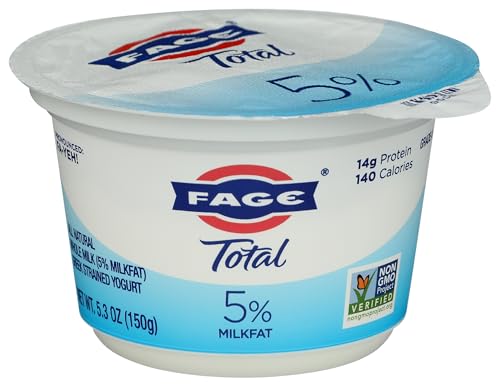
| Best On-The-Go | Style: Greek strained yogurt | Fat Profile: Whole milk (5% milkfat) | Flavor / Variety: Plain | VIEW LATEST PRICE | Read Our Analysis |
More Details on Our Top Picks
FAGE Total Greek Yogurt 5% Whole Milk Plain 32 oz
In case you want a thick, creamy plain yogurt that feels honest and familiar, FAGE Total Greek Yogurt 5% is a great pick for home cooks and busy families alike. You’ll notice it’s made with only milk and live active cultures, using a family recipe since 1926. It’s Greek strained, non GMO Project Verified, and all natural, so you can trust the simple process. You get rich protein and calcium with no added sugar, and it’s gluten free. Use it in cooking, dollop it on fruit, or enjoy it plain for a reliable, comforting staple.
- Style:Greek strained yogurt
- Fat Profile:Whole milk (5% milkfat)
- Flavor / Variety:Plain
- Cultures / Live Cultures:Live active cultures
- Protein-forward Positioning:Protein-rich (Greek style)
- Ingredient Simplicity / Claims:Only milk and live cultures; no added sugar; all natural; Non‑GMO
- Additional Feature:Family recipe since 1926
- Additional Feature:Non-GMO Project Verified
- Additional Feature:Very thick and creamy
FAGE Total Greek Yogurt 0% Nonfat Plain 32 oz
In case you want a pure, protein-packed Greek yogurt that fits a busy, health-minded life, FAGE Total 0% is a smart pick. You’ll find only milk and live active cultures, so it feels honest and simple. Because it’s made from a family recipe since 1926, you can trust the craft. You get creamy texture without fat and full flavor without added sugar. It’s gluten-free, non-GMO verified, and a good calcium source, so it supports meals and snacks. Whenever you need a reliable base for smoothies, dips, or straight spoonfuls, this yogurt delivers steady, satisfying nutrition.
- Style:Greek strained yogurt
- Fat Profile:Nonfat (0%)
- Flavor / Variety:Plain
- Cultures / Live Cultures:Live active cultures
- Protein-forward Positioning:Protein-rich (Greek style)
- Ingredient Simplicity / Claims:Only milk and live cultures; no added sugar; all natural; Non‑GMO
- Additional Feature:Full flavor despite nonfat
- Additional Feature:Non-GMO Project Verified
- Additional Feature:Rich, creamy texture (fat-free)
Siggi’s Icelandic Strained Whole Milk Yogurt (Plain)
In case you want a plain yogurt that feels like a treat but still fuels your day, Siggi’s Icelandic strained whole milk yogurt is a top pick because it packs 18 grams of protein per serving and stays thick and creamy without any added sweeteners. You’ll notice a rich skyr-style texture that uses four times the milk of regular yogurt, so a spoon feels satisfying and lasting. It’s made with three simple ingredients, live cultures, and milk from family farms, with no artificial sweeteners or preservatives. Try it with berries, granola, or straight from the container whenever you need steady energy.
- Style:Icelandic (skyr-style) strained yogurt
- Fat Profile:Whole milk (whole)
- Flavor / Variety:Plain
- Cultures / Live Cultures:Live and active cultures
- Protein-forward Positioning:High protein (18 g per serving)
- Ingredient Simplicity / Claims:Simple ingredients (3 ingredients); no HFCS, no artificial sweeteners/preservatives; Non‑GMO
- Additional Feature:Uses 4× milk yield
- Additional Feature:18 g protein per serving
- Additional Feature:Sourced from family farms
siggi’s Icelandic Nonfat Plain Strained Yogurt (24 oz)
In case you want a no-nonsense, protein-packed plain yogurt that feels like it came from a small farmhouse, siggi’s Icelandic Nonfat Plain Strained Yogurt is a great pick for busy people who care about clean ingredients and real texture. You’ll get thick, creamy yogurt made by straining four times more milk than regular yogurt, so it gives you 19 grams of protein per serving and more protein than sugar. It’s nonfat, simple, and made with milk plus cultures only. You can eat it plain, top it with berries or granola, or scoop it into smoothies for a filling enhancement.
- Style:Icelandic (skyr-style) strained strained yogurt
- Fat Profile:Nonfat
- Flavor / Variety:Plain
- Cultures / Live Cultures:Live and active cultures
- Protein-forward Positioning:High protein (19 g per serving)
- Ingredient Simplicity / Claims:Simple ingredients (milk and cultures); no HFCS, no artificial sweeteners/preservatives; Non‑GMO
- Additional Feature:4× milk for thickness
- Additional Feature:19 g protein per serving
- Additional Feature:No HFCS or preservatives
FAGE Total Greek Yogurt 5% Whole Milk Plain 5.3 oz
Whenever you want a spoonable yogurt that feels like a treat and keeps you full, FAGE Total Greek Yogurt 5% is a great pick for mornings and snacks. You’ll notice its thick, creamy texture from the special straining. It uses only milk and live active cultures, so you’ll avoid added sugar and common fillers. You can count on protein, calcium, vitamin D, and potassium to support daily health. Many with mild lactose sensitivity tolerate it well. Use it for breakfast, a lunch enhancement, or a simple snack. The family-run brand still follows a trusted recipe and large scale care.
- Style:Greek strained yogurt
- Fat Profile:Whole milk (5% milkfat)
- Flavor / Variety:Plain
- Cultures / Live Cultures:Live active cultures
- Protein-forward Positioning:Protein-rich
- Ingredient Simplicity / Claims:Only milk and live cultures; no added sugar; all natural; Non‑GMO
- Additional Feature:Single-serve portable format
- Additional Feature:Production capacity cited (500M pots/year)
- Additional Feature:Refrigerated automated warehousing
Factors to Consider When Choosing Traditional Plain Yogurts
At the moment you pick a plain traditional yogurt, consider about fat and protein initially because they change how filling and creamy it feels. Look for simple ingredient lists and live cultures so you know you’re getting real yogurt and gut-friendly benefits. Also pay attention to texture and how much the yogurt is strained since that affects mouthfeel and how you’ll use it in meals.
Fat Content Options
Although you could suppose fat in yogurt is just about calories, it actually shapes texture, taste, and how your body employs nutrients, so it’s worth choosing with care. You’ll see nonfat, low fat 1 to 2 percent, and whole milk around 3 to 5 percent. Higher fat gives creamier mouthfeel and more calories, while nonfat feels thinner unless makers add thickeners or extra milk protein. Fat helps you absorb vitamins A D E and K, so very low fat might cut nutrient availability. Fat also slows digestion, so moderate or full fat often keeps you full longer and steadier with blood sugar. Consider goals like weight control, but don’t force zero fat. Try portions and taste tests to find what fits your life and comfort.
Protein Content Levels
Pick a protein level that fits your day and your goals, because protein in plain yogurt changes how full you feel and how useful the snack will be. You can choose regular yogurt with about 5 to 10 grams per 6 ounce serving whenever you want a lighter option. Or pick strained or high protein varieties that often give 15 to 20 plus grams per serving should you need lasting fullness or recovery after exercise. Check labels for protein per serving and serving size so you compare density, not just container claims. Keep in mind yogurt protein is complete and supplies key amino acids like leucine to support muscle maintenance. Match portion and protein to your routine and you’ll stay satisfied and supported.
Ingredient Simplicity
Should you want yogurt that feels honest and familiar, start through reading the ingredient list closely. Look for only milk or milk and cream plus live active cultures. That short list tells you the maker didn’t hide sugar, syrups, stabilizers, or flavorings. You’ll feel better choosing something with recognizable words you can envision in your kitchen. Also check for clear labeling of live and active cultures or named probiotic strains so the bacteria weren’t killed by heat after fermentation. Notice fat level next where cream or milk appears in the list. These clues often point to traditional fermentation or simple straining methods rather than heavy industrial processing. You’ll trust a plain yogurt that reads like real food and treats your gut with respect.
Texture And Strain
Texture and strain tell you more about a yogurt than the package ever will, so start from feeling how it sits on your spoon and imagining how it will behave in your bowl. You want to notice whether it holds its shape or slowly spreads. Strained yogurts remove whey to become denser and pack more protein per cup. The more it’s strained, the thicker it gets, like Greek or skyr, and that helps toppings stay put. Texture words like creamy, velvety, dense, grainy, or custard like come from milk fat and how producers strain. Be careful of over straining, which can make yogurt tacky or too firm, and under straining, which leaves it runny. Temperature, agitation, and milk solids all shape how well yogurt supports mix ins.
Probiotic Presence
Should you care about gut health, pay attention to the probiotic lineup on the label because not all live cultures are the same and their numbers matter. You should look for “live and active cultures” or specific strains like Lactobacillus bulgaricus, Streptococcus thermophilus, or Lactobacillus acidophilus so you know what’s inside. Also check for colony forming units per serving; many studies link 1 to 10 billion CFU at manufacture with real effects. Notice whether brands guarantee CFUs through expiration rather than only at manufacture, since survival matters to you. Consider strain specific evidence because different strains help different needs. Finally prefer minimally processed yogurts made recently, since heat and long storage can cut viable counts and reduce benefit.
Sugar And Additives
Should you pick a plain yogurt, pay close attention to the ingredient list and nutrition facts because the words on the label tell you whether you’re getting simple milk and cultures or a product packed with sugars and additives. Whenever you read ingredients, favor just milk or milk and live active cultures; extra words like fruit, syrup, cane sugar, or fructose usually mean added sweeteners. Then check total sugars on the nutrition panel; plain yogurts usually have about 4 to 7 grams of lactose per 100 grams, so much higher numbers point to added sugar. Watch for phrases like no added sugar or unsweetened but always verify the ingredient line. Also look for nonnutritive sweeteners and stabilizers such as modified starches, carrageenan, pectin, or gums should you want minimal processing.
Sourcing And Ethics
Whenever you pick a plain yogurt, you’re not just choosing a snack-you’re choosing how animals are treated, how farmers are paid, and how the land is cared for. Look for milk from family or pasture-based farms and check whether the maker shares farm practices like pasture access and herd size. Also scan labels for third-party certifications such as organic, Non-GMO, or animal welfare audits to verify feed, antibiotic, and farming claims. Find brands that publish supply-chain traceability so you know milk origin, processing sites, and bottling for environmental and safety accountability. Pay attention to fair-pay or cooperative sourcing and any labor or community reporting. Finally, weigh sustainability commitments like greenhouse gas targets, water metrics, or regenerative grazing programs to guide your choice.
