

About 30% of people who try gluten-free pasta say texture is the make-or-break factor, and you’ll want that perfect bite too. You’ll find five penne choices here that copy durum pasta closely, using single-ingredient flours or smart blends for bite, sauce cling, and hold. I’ll point out cooking tips, shape and wall thickness, and what to watch on labels so you can pick penne that feels familiar and satisfying.
| The Only Bean Variety Pack: Soy Black Edamame Pasta |
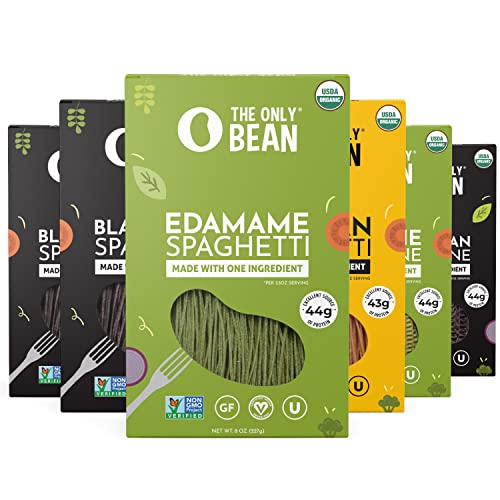
| Soy, Black, Edamame Pasta: Best for Low-Carb | Shape: Penne-style (short tubular) | Cooking Time: Quick-cooking (3–5 minutes) | Protein Source / Content: High protein – soy/edamame/black soybean ( >40 g protein per 3.5 oz) | VIEW LATEST PRICE | Read Our Analysis |
| 365 by Whole Foods Market Organic Penne Rigate 16 Ounce |

| Organic Pantry Staple | Shape: Penne Rigate (hollow ridged penne) | Cooking Time: Standard pasta (typical; suited for baking) – (16 oz penne rigate; standard cook time for durum wheat penne) | Protein Source / Content: Wheat-based (durum wheat semolina) – standard gluten protein (not a high plant-protein specialty) | VIEW LATEST PRICE | Read Our Analysis |
| Barilla Protein+ Penne Pasta (14.5 oz) |

| High-Protein Pick | Shape: Penne (standard penne shape) | Cooking Time: 8 minutes (add 1–2 minutes for tenderness) | Protein Source / Content: Plant-forward blend – lentil, pea, chickpea flours (17 g protein per 3.5 oz) | VIEW LATEST PRICE | Read Our Analysis |
| Barilla Mini Penne Pasta 16 oz (Kosher Non-GMO) |

| Family Favorite | Shape: Mini Penne (miniature penne tubes) | Cooking Time: 9–10 minutes | Protein Source / Content: Durum wheat semolina (wheat protein) | VIEW LATEST PRICE | Read Our Analysis |
| Barilla Penne Pasta 16 oz (12-Pack) |

| Bulk Value Option | Shape: Penne (ridged penne) | Cooking Time: 11–12 minutes | Protein Source / Content: Durum wheat semolina (wheat protein) | VIEW LATEST PRICE | Read Our Analysis |
More Details on Our Top Picks
The Only Bean Variety Pack: Soy Black Edamame Pasta
Who needs a pasta that’s both familiar and better for the body? You do, and this Only Bean Variety Pack delivers. You’ll find edamame, soy, and black soybean pastas that cook in 3 to 5 minutes, so dinner comes together fast. Each single-ingredient pasta gives complete plant protein and lots of fiber, which helps muscles and digestion. They’re USDA organic, non GMO, gluten free, keto friendly, and vegan, so you can eat with confidence. Net carbs stay low, sodium is low, and there’s zero cholesterol. You’ll enjoy pasta textures you know while choosing a cleaner, healthier option.
- Shape:Penne-style (short tubular)
- Cooking Time:Quick-cooking (3–5 minutes)
- Protein Source / Content:High protein – soy/edamame/black soybean ( >40 g protein per 3.5 oz)
- Certifications / Claims:USDA Organic, Non‑GMO, Gluten‑Free, Kosher, Vegan
- Cuisine / Pairing Use:Low‑carb/keto-friendly, swaps into traditional pasta dishes
- Origin / Brand Note:The Only Bean (plant-based specialty pasta brand)
- Additional Feature:Single-ingredient beans
- Additional Feature:3–5 minute cook
- Additional Feature:Low net carbs
365 by Whole Foods Market Organic Penne Rigate 16 Ounce
In case you’re feeding someone who needs gluten-free options but still wants familiar pasta texture, this organic penne rigate steps right up as a comforting choice. You’ll find 365 from Whole Foods Market makes it from organic durum wheat semolina, yet labels and diet needs matter so check packaging for gluten status. The hollow ridged shape holds sauce well, so you can make saucy dinners or bake casseroles that feel homey. It’s made in Italy at a real pastificio, so you get traditional production without fuss. You’ll appreciate its sturdy bite, easy cooking, and reliable performance in family meals.
- Shape:Penne Rigate (hollow ridged penne)
- Cooking Time:Standard pasta (typical; suited for baking) – (16 oz penne rigate; standard cook time for durum wheat penne)
- Protein Source / Content:Wheat-based (durum wheat semolina) – standard gluten protein (not a high plant-protein specialty)
- Certifications / Claims:Organic
- Cuisine / Pairing Use:Suited for saucy preparations and baked dishes (casseroles/pasta bakes)
- Origin / Brand Note:365 by Whole Foods Market – made in Italy (authentic pastificio)
- Additional Feature:Made in Italy
- Additional Feature:Durum wheat semolina
- Additional Feature:Good for baking
Barilla Protein+ Penne Pasta (14.5 oz)
In case you want a gluten-free penne that boosts protein without feeling like cardboard, Barilla Protein+ Penne delivers a satisfying, familiar pasta experience that works for busy weeknights and planned meals alike. You get a 14.5 ounce box of penne made from a grain and legume flour blend, so texture feels close to wheat pasta. It provides 17 g plant-based protein per 3.5 ounce serving from lentil, pea, and chickpea sources and offers a good amount of fiber. It’s Non GMO Project Verified, kosher, made in the USA, and cooks in about eight minutes.
- Shape:Penne (standard penne shape)
- Cooking Time:8 minutes (add 1–2 minutes for tenderness)
- Protein Source / Content:Plant-forward blend – lentil, pea, chickpea flours (17 g protein per 3.5 oz)
- Certifications / Claims:Non‑GMO Project Verified, Kosher
- Cuisine / Pairing Use:Pairs with pesto, marinara, vegetable, cheese, or baked dishes
- Origin / Brand Note:Barilla Protein+ – made in USA (Barilla brand)
- Additional Feature:Lentil/pea/chickpea blend
- Additional Feature:17 g protein/serving
- Additional Feature:Made in USA
Barilla Mini Penne Pasta 16 oz (Kosher Non-GMO)
Should you want a reliable penne that feels familiar but cooks fast, Barilla Mini Penne is a great pick for busy cooks who want consistent results. You’ll notice the small ridged tubes hold sauce inside and out, so every bite tastes full. It’s made from durum wheat semolina, Non GMO, and Kosher, so you can trust the ingredients. You can cook it to perfect al dente in about 9 to 10 minutes, which saves time on weeknight meals. Try it with chunky meat or vegetable sauces, creamy dairy sauces, or spicy tomato blends for family friendly dinners.
- Shape:Mini Penne (miniature penne tubes)
- Cooking Time:9–10 minutes
- Protein Source / Content:Durum wheat semolina (wheat protein)
- Certifications / Claims:Non‑GMO, Kosher
- Cuisine / Pairing Use:Pairs with chunky meat or vegetable sauces, dairy- or tomato-based sauces
- Origin / Brand Note:Barilla (family-owned Italian company since 1877)
- Additional Feature:Mini penne shape
- Additional Feature:9–10 minute cook
- Additional Feature:Great al dente texture
Barilla Penne Pasta 16 oz (12-Pack)
Provided you want reliable, everyday penne that holds sauce and cooks consistently, Barilla Penne 16 oz (12-pack) is a smart pick for busy cooks who care about quality. You’ll find durum wheat semolina gives steady texture and non-GMO ingredients add reassurance. It’s kosher certified, so you can serve guests without worry. Cook it 11 to 12 minutes and expect a pleasant al dente bite that pairs well with chunky meat, veggie, dairy, tomato, or spicy sauces. The ridged tubes trap sauce inside and out, so each forkful feels satisfying. You’ll appreciate the family-owned history behind the brand.
- Shape:Penne (ridged penne)
- Cooking Time:11–12 minutes
- Protein Source / Content:Durum wheat semolina (wheat protein)
- Certifications / Claims:Non‑GMO, Kosher
- Cuisine / Pairing Use:Pairs with chunky meat/vegetable sauces, dairy- or tomato-based sauces
- Origin / Brand Note:Barilla (family-owned Italian company since 1877)
- Additional Feature:Bulk 12-pack
- Additional Feature:11–12 minute cook
- Additional Feature:Family-owned brand
Factors to Consider When Choosing Gluten-Free Penne Pasta
When you pick a gluten-free penne, look for clear ingredient sourcing so you know what’s actually in the pasta and where it comes from. Pay attention to texture and bite along with nutritional balance, since some blends feel gummy or lack protein and fiber. Also check cooking time reliability and allergen or certification labels so you can trust results and keep everyone safe.
Ingredient Source Transparency
Whenever caring about what’s really in your gluten-free penne, begin reading the ingredient list as though a friend who’s trying to keep you safe and healthy. You’ll want single-ingredient bases like rice, corn, quinoa, chickpea, lentil, or soy so you know what you’re eating. Also check for additives and binders such as xanthan gum, guar gum, or tapioca starch and take note where they fall in the list to gauge their impact. Next, look for whole-flour labeling instead of isolated proteins because whole-legume flours keep more fiber and nutrients. Pay attention to country or region of origin and processing facilities since sourcing affects cross-contact and quality. Finally, should you have other dietary needs, make sure nothing is concealed behind umbrella terms like vegetable protein.
Texture And Bite
Should you want penne that holds up like traditional pasta, consider about the ingredients and the shape together-both decide how firm and satisfying each bite will be. You’ll prefer blends using pea, lentil, chickpea, or soy flours because their protein and fiber give a meatier chew. Rice or corn based pastas often get gummy, so you’ll notice less bite there. Also watch the cooking time closely. Gluten-free penne can need precise, shorter cooking to avoid mush. Test a few batches, record the timing that yields a firm center, and stick to it. Choose rigate ridged shapes and slightly thicker walls so sauce clings and water soaks in slower. Expect small batch differences and adjust timing for consistency.
Nutritional Profile Balance
You’ve already contemplated about how penne feels in your mouth, and now it helps to reflect about what’s inside each bite. You’ll want to check total and net carbs per serving so the pasta fits your goals. Some legume or soy options give much lower net carbs, which helps when you’re watching carbs. At the same time, compare protein numbers so meals keep you full and support muscles. Pulse and soy pastas can offer a big protein enhancement compared with rice or corn. Look for fiber too, since higher fiber eases blood sugar and digestion. Also observe calories, fat, and whether the product is fortified with iron and B vitamins, because those change long term nutrition.
Cooking Time Reliability
Because gluten-free penne can behave very differently from bag to bag, you’ll want a plan for predictable cooking every time. Check the package time initially because rice, corn, and legume flours vary and starch mix changes how fast pasta cooks. Notice that legume-based pastas often need just three to eight minutes and can go from firm to mushy quickly, so start testing a minute or two sooner. Stir gently during the opening few minutes since the dough lacks elasticity and can soften unevenly. Taste the center of several pieces rather than trusting a single bite. Keep in mind texture can shift after draining, so rinse only when the maker says to and consider finishing in sauce. Use a rolling timer and repeat bite tests for consistent results.
Allergen And Certification Labels
After you’ve got a feel for timing and texture, checking labels becomes the next step to feel confident about the pasta you buy. Read for a certified gluten-free mark from a third party. That mark tells you the product met testing limits, usually 20 ppm or less. Also look for clear allergen statements that enumerate wheat, soy, dairy, eggs, tree nuts, peanuts, or sesame so you avoid concealed risks. Check manufacturing notes and “made in a facility” disclosures to see whether shared equipment could cause cross-contact. Should you require stricter assurance, favor brands that state lot-specific gluten testing or testing frequency and method. Finally, consider extra certifications like Non-GMO, USDA Organic, Kosher, or Vegan should those standards matter to you.
Sauce Pairing Compatibility
Whenever you choose a gluten-free penne, consider the sauce you want to serve it with so the whole meal feels balanced and satisfying. Should you pick a legume-based penne from chickpea, lentil, or soy, expect firmer texture and more protein. Those handle bold tomato ragus, olive oil with garlic, and meaty ragus that need body. Rice or corn penne feels delicate and can turn mushy, so lean toward light olive oil, butter, simple pesto, or thin tomato sauces and skip long bakes. High fiber, high protein pastas soak up less sauce, so add more sauce or toss with reserved cooking water to help cling. For cream sauces, keep penne al dente so it holds shape and won’t thin the sauce.
Shelf Life Stability
You’ve picked a sauce that matches your gluten-free penne, and now you’ll want to think about how long that pasta will stay at its best. Check the ingredient list because whole-grain or legume flours like brown rice, quinoa, and chickpea carry more natural oil. That oil can shorten shelf life compared with refined rice or corn flours. Also look for a clear best-by or use-by date and choose unopened packages with 12 to 18 months left for typical dried pastas stored at room temperature. Moisture is the main spoilage risk, so keep pasta in a cool dry place under 70°F and low humidity. Packaging matters too; airtight foil-lined or vacuum-sealed packs beat thin plastic. After opening transfer to an airtight jar and use within 6 to 12 months or freeze should you need extra time.
