

You’ll love sipping these five USDA organic white teas chosen for delicate floral sweetness and gentle caffeine. Start with Art of Tea Organic Happy Green for fruity jasmine nuances in pyramid sachets, then try Twinings Pure White in 20 or 40 counts for light spring buds and a pale cup. Uncle Lee’s offers calm, low-caffeine comfort in bulk packs, and Teabloom’s Sacred Lotus assortment gives artisan whole-leaf variety. Keep water cool and steep briefly to savor more.
| Art of Tea Organic Happy Green Tea (12 Pyramid) |

| Best Flavorful Blend | Tea Type: Green tea blend with guayusa & jasmine (not pure white) | Packaging Format: Individually wrapped pyramid sachets (12) | USDA/Organic Status: 100% organic ingredients (organic blend) | VIEW LATEST PRICE | Read Our Analysis |
| Twinings Pure White Tea Bags (20 Count) |

| Premium Single-Origin | Tea Type: Pure white tea | Packaging Format: Individually wrapped tea bags (20) | USDA/Organic Status: Not explicitly USDA certified in summary (origin-grown white; implies quality but not labeled USDA) | VIEW LATEST PRICE | Read Our Analysis |
| Uncle Lee’s Organic White Tea Bags (200 Count) |

| Best Bulk Buy | Tea Type: Organic white tea | Packaging Format: Individually wrapped tea bags (200 total; 2×100) | USDA/Organic Status: Organic white tea (sourced from organic leaves) | VIEW LATEST PRICE | Read Our Analysis |
| Twinings Pure White Tea Bags (40 Count) |

| Consistent Everyday Sip | Tea Type: Pure white tea | Packaging Format: Individually wrapped tea bags (40; 2×20) | USDA/Organic Status: Not explicitly USDA certified in summary (pure white tea; sourcing described) | VIEW LATEST PRICE | Read Our Analysis |
| Teabloom Organic Sacred Lotus Pyramid Tea Assortment |
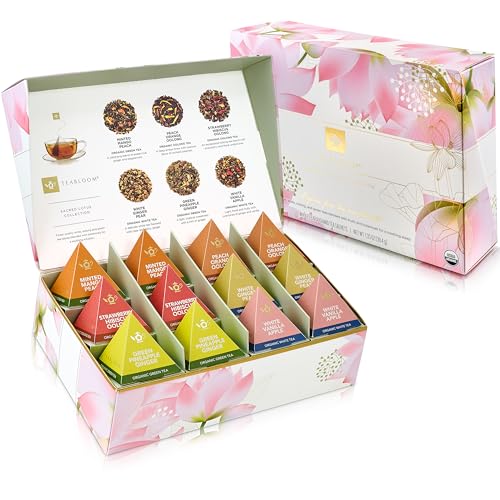
| Best Gift Set | Tea Type: Includes white teas (plus green & oolong in assortment) | Packaging Format: Individually wrapped whole-leaf pyramid sachets (12 assorted) | USDA/Organic Status: USDA Certified Organic | VIEW LATEST PRICE | Read Our Analysis |
More Details on Our Top Picks
Art of Tea Organic Happy Green Tea (12 Pyramid)
Should you want a bright, organic green tea that lifts your mood and fits into a busy day, Art of Tea Organic Happy Green Tea is a great pick. You’ll find guayusa and jasmine green tea blended with raspberries, hibiscus, rosehips, apple bits, and green rooibos, all certified organic and free of additives. You can steep a pyramid sachet at 206°F for 3 to 5 minutes to make one 8 oz cup, hot or cold. The flavor is fruity and floral with moderate caffeine, so you feel uplifted without jitters. Packaging is thoughtful and travel friendly, and the family makers care.
- Tea Type:Green tea blend with guayusa & jasmine (not pure white)
- Packaging Format:Individually wrapped pyramid sachets (12)
- USDA/Organic Status:100% organic ingredients (organic blend)
- Serving Use (Hot or Iced):Suitable hot or cold
- Origin / Sourcing Region:Sourced directly from growers (no single region specified)
- Caffeine Level:Moderate caffeine (green tea blend with guayusa)
- Additional Feature:Guayusa and jasmine blend
- Additional Feature:Fruity raspberry notes
- Additional Feature:Individually wrapped pyramids
Twinings Pure White Tea Bags (20 Count)
Should you want a gentle, naturally light cup that fits into a busy day, Twinings Pure White Tea Bags are an excellent choice because they offer delicate flavor in a fuss-free format. You’ll enjoy hand-picked spring buds from Fujian Province, known as Silvery Tip Pekoe, which give a light, fresh taste. Each individually sealed bag keeps freshness and makes it easy to take tea to work, school, or the gym. You can sip it hot or iced and expect consistent quality. Twinings also supports source communities through improving water, sanitation, women’s empowerment, and incomes, so you feel good drinking it.
- Tea Type:Pure white tea
- Packaging Format:Individually wrapped tea bags (20)
- USDA/Organic Status:Not explicitly USDA certified in summary (origin-grown white; implies quality but not labeled USDA)
- Serving Use (Hot or Iced):Enjoy hot or iced
- Origin / Sourcing Region:Fujian Province, China
- Caffeine Level:Caffeinated (white tea)
- Additional Feature:Silvery tip pekoe
- Additional Feature:Hand-picked in spring
- Additional Feature:Individually sealed bag
Uncle Lee’s Organic White Tea Bags (200 Count)
Should you want a gentle, everyday tea that feels honest and calming, Uncle Lee’s Organic White Tea Bags (200 Count) is a great pick for you. You’ll taste pale, golden liquor from young, tender leaves plucked prematurely and barely processed to keep their light, floral note. The bags come individually wrapped in two 100 count packs, so you’ll have plenty for hot cups or iced pitchers. It has low caffeine yet high antioxidants, so you can sip it any time to relax. The tea’s eco friendly farming and three generations of craft give you a warm, trusted connection.
- Tea Type:Organic white tea
- Packaging Format:Individually wrapped tea bags (200 total; 2×100)
- USDA/Organic Status:Organic white tea (sourced from organic leaves)
- Serving Use (Hot or Iced):Suitable hot or iced
- Origin / Sourcing Region:China (Far East)
- Caffeine Level:Low caffeine (lower than green tea)
- Additional Feature:Bulk 200-count value
- Additional Feature:Minimally processed leaves
- Additional Feature:Three-generation heritage
Twinings Pure White Tea Bags (40 Count)
Provided that you want a gentle, low‑caffeine cup that still feels special, Twinings Pure White Tea Bags are a great pick for someone who values subtle flavor and easy preparation. You’ll get 40 individually sealed bags, two boxes of 20, so each cup stays fresh. The leaves come from Fujian Province and are spring harvested, then air dried to keep a pale yellow cup and delicate aroma. Steep for two minutes in freshly boiled water, or cool brew for iced tea. You can add milk or sweetener, though many enjoy the light, smooth taste plain and reassuringly simple.
- Tea Type:Pure white tea
- Packaging Format:Individually wrapped tea bags (40; 2×20)
- USDA/Organic Status:Not explicitly USDA certified in summary (pure white tea; sourcing described)
- Serving Use (Hot or Iced):Serve hot or as iced (cool brew)
- Origin / Sourcing Region:Fujian Province, China
- Caffeine Level:Caffeinated (white tea; brewing suggested)
- Additional Feature:Pack of two boxes
- Additional Feature:Gently air-dried leaves
- Additional Feature:Brew 2 minutes guideline
Teabloom Organic Sacred Lotus Pyramid Tea Assortment
Should you care about pure, small-batch whole-leaf teas and want a refined gift-ready set, the Teabloom Organic Sacred Lotus Pyramid Tea Assortment is a great choice for you. You’ll find 12 USDA Certified Organic pyramid sachets that hold small-lot whole leaves. The box mixes green, oolong, and white teas like White Ginger Pear and White Vanilla Apple, each artisan-made and sourced from top-growing regions. You get a tea guide with flavor observations and steeping tips, and you can brew hot or iced. The chest looks sophisticated, feels personal, and works well as a thoughtful gift for someone you care about.
- Tea Type:Includes white teas (plus green & oolong in assortment)
- Packaging Format:Individually wrapped whole-leaf pyramid sachets (12 assorted)
- USDA/Organic Status:USDA Certified Organic
- Serving Use (Hot or Iced):Suitable for hot or iced
- Origin / Sourcing Region:Premier tea-growing region (not single country specified)
- Caffeine Level:Varies by blend (contains white, green, oolong – mixed caffeine levels)
- Additional Feature:Six whole-leaf blends
- Additional Feature:Gift-ready presentation box
- Additional Feature:Includes steeping guide
Factors to Consider When Choosing USDA Organic White Tea
Once you pick a USDA organic white tea, start by checking where the leaves come from and at what point they were harvested because origin and timing shape taste and quality. You’ll also want to confirm the organic certification and look at leaf grade and processing to know how pure and delicate the tea will be. Finally, pay attention to the flavor nuances, aroma, and expected caffeine level so the cup matches your mood and energy needs.
Leaf Origin & Harvest
Assuming you want a white tea that feels light, fresh, and trustworthy, start through checking where and how the leaves were picked. You’ll want spring harvests from young buds and the initial one or two tender leaves because they hold the softest flavors and most antioxidants. Look for single origin estates or clearly named regions since terroir shapes subtle mineral notes and aroma. Also consider elevation and growing conditions; higher altitudes slow growth and yield finer buds with concentrated taste. Favor hand-plucked leaves so you get unopened buds, not stems or coarse leaves that blunt delicacy. Finally, confirm minimal processing like gentle withering and air drying after harvest to preserve pale color, floral notes, and antioxidant levels.
Certification Verification
Provided you want to trust the “organic” claim on a package, start by checking the label and the certifier information printed on it. You’ll want to spot the USDA Organic seal and the certifier name and code, like “Certified Organic through [Certifier].” That tells you a third party checked the farm and processor. Also read the product wording carefully: “100% Organic” means only organic ingredients, “Organic” means at least 95 percent organic, and “Made with Organic Ingredients” means at least 70 percent organic. Look at the ingredient list to make sure no non organic additives or flavorings appear. Should you want more proof, use the USDA Organic Integrity Database or the certifier’s site to confirm current certification status and expiration. Keep in mind the seal covers production practices, not taste.
Leaf Grade & Processing
Pick leaves with care and you will observe how much the grade and processing change your cup. You’ll notice that bud only and bud plus one leaf give a delicate, refined brew. Those unopened tips hold more of the tea’s gentle compounds, so you get a softer, layered sip.
Look for whole leaves or slightly opened buds because they stay intact and can be steeped again. In contrast, fannings and dust in bags lose scent and strength fast. Withering time and drying heat also matter. Short, cool withers and low temperature drying keep enzymes and antioxidants intact, preserving color and body. Visual cues help: silver-tipped buds, pale golden liquor, and few broken fragments signal careful handling and minimal damage.
Flavor Profile & Aroma
Often you’ll notice that USDA organic white tea greets your senses gently, inviting you to pay attention to subtle differences in flavor and aroma. You’ll find a light-bodied cup with soft floral, honey, and melon notes that come from minimal processing and preserved leaf compounds. The aroma stays pale and fresh, with hay, orchid-like florals, and a faint sweet nuttiness instead of strong grassy scents. Harvest timing affects this: initial spring buds bring sweeter, more floral character while later leaves add a touch more vegetal depth. Processing choices like gentle air-drying and little oxidation keep volatile aromatics and delicate polyphenols intact. Finally, brewing at 175 to 185°F for one to three minutes helps coax out those fragile flavors without harsh tannins.
Caffeine Level Expectations
Those soft floral notes you smelled and tasted also hint at how little caffeine white tea usually has, so in case you want a gentler lift you’ll likely be pleased. You should know USDA organic white tea often comes from the youngest buds and leaves, so a typical cup ranges from about 6 to 35 mg per 8 oz. Harvest timing matters because bud-only picks pack more caffeine per leaf mass, and your leaf-to-water ratio changes the total mg in the cup. Steeping time and water temperature pull out more or less caffeine, so a short cool steep keeps levels lower while a long hot steep raises them. Compared to black and green teas, white tea tends to sit at the low end. Should exact caffeine counts matter, ask for lab-tested labels.
Packaging And Freshness
As you bring home USDA organic white tea, packaging and freshness quietly decide whether your cup will feel like a bright, floral treat or a faded shadow of what it could be. You’ll want individually sealed bags or sachets so light, air, and moisture don’t steal the aroma. Prefer inner foil or nitrogen-flushed barriers with an outer box to slow oxidation and keep flavor lively. Check clear pack or harvest dates and plan to use tea within 12 to 18 months for peak taste. Single-serving pyramid or whole-leaf sachets give faster infusion and fuller flavor while still protecting leaves. Once opened, move loose leaf into an airtight, opaque container and store in a cool, dark, dry spot to preserve every delicate nuance.
Brewing And Serving Options
Brew gently and you’ll let USDA organic white tea show its best self, with soft floral subtleties and a clean sweetness that feels like a quiet reward. You’ll heat water to about 175–185°F (80–85°C) and steep 2–4 minutes to protect delicate aromatics and avoid bitterness. Use 2–3 grams loose leaf or one tea bag per 8-ounce cup, and adjust to taste. In case you plan multiple infusions, gently add 30–45 seconds to each steep; good leaves often give 2–4 cups. Serve hot to catch subtle floral notes. Or cool-brew in the fridge 4–8 hours for a smoother, less astringent iced tea. Watch temperature and time closely, and don’t boil or over-steep, because that ruins the cup.
