

Three rounds of boiling sugarcane juice strip away the sugar but leave behind a thick, dark syrup packed with iron, calcium, magnesium, potassium, manganese, vitamin B6, and selenium. One tablespoon of the blackstrap grade delivers roughly 20% of your daily iron requirement, something no processed sweetener can claim. That’s why this old-fashioned byproduct keeps showing up in modern pantries.
What follows covers the full nutrition profile per tablespoon, how the three grades differ, seven benefits worth attention, honest matchups with sugar and honey, sensible serving amounts, and the warnings behind viral claims, written for anyone deciding whether a jar belongs in their kitchen.
Molasses Nutrition Facts Per Tablespoon
A single tablespoon of unsulphured blackstrap molasses weighs about 20 grams and carries roughly 42 calories along with about 11 grams of carbohydrates, around 6 grams of which are natural sugars. Those numbers look modest until you set them against what else rides along: minerals that white sugar lost entirely during processing. Here’s the breakdown most food databases report for one tablespoon.
| Nutrient | Amount Per Tablespoon | Approximate % Daily Value |
|---|---|---|
| Iron | 1.9 to 2.2 mg | 10 to 20% |
| Calcium | 100 to 180 mg | 8 to 14% |
| Magnesium | 40 to 48 mg | 10% |
| Potassium | 300 to 480 mg | 6 to 10% |
| Manganese | 0.3 to 0.4 mg | 13 to 15% |
| Vitamin B6 | 0.1 mg | 6 to 7% |
| Selenium | Small trace amounts | Under 5% |
Exact figures shift between brands because soil, cane variety, and boiling time all change the final mineral content. Check the label on your own jar rather than assuming any two bottles match.
One Tablespoon Delivers Roughly 20% of Your Daily Iron
The iron concentration traces back to the plant itself. Sugarcane pulls iron from deep soils through its root system, and unlike white sugar, molasses never gets stripped of that mineral through clarification and crystallization. Each boiling cycle removes water and sugar crystals while leaving the mineral fraction behind, so the darkest grade ends up densest in iron by weight.
As a yardstick, a tablespoon of honey offers trace iron at best, and table sugar offers none. That gap explains why dietitians sometimes point clients toward blackstrap as a food-based way to add iron alongside lentils, spinach, or fortified cereals. It’s still a sweetener, though, so the next question becomes which grade actually earns its place in your kitchen.
That choice matters because the three grades differ sharply in what they carry.
Light vs. Dark vs. Blackstrap: Mineral Content by Grade
Before comparing benefits, it helps to know that three grades exist because processing happens in stages, and each stage changes both flavor and mineral density. Sugarcane juice gets boiled, sugar crystals are removed, and the remaining syrup is boiled again. Light molasses comes from the initial boiling, dark from the next, and blackstrap from a final round that leaves behind the thickest, least sweet, most mineral-heavy syrup of all.
How Boiling Concentrates the Minerals
Every pass through heat evaporates water and pulls out sucrose crystals, shrinking the volume while the dissolved minerals stay put. Less water and less sugar in the same spoonful means a higher percentage of iron, calcium, magnesium, and potassium per gram. Blackstrap also carries more of the polyphenol compounds tied to antioxidant activity, since those concentrate right alongside the minerals.
Flavor and Best Uses for Each Variety
- Light molasses: Mild and sweet, ideal for baked beans, glazes, and recipes where you want color without bitterness.
- Dark molasses: Fuller and deeper, the standard choice for gingerbread and barbecue sauce.
- Blackstrap: Bitter, bittersweet, and intense, best used in small amounts or mixed into warm drinks and marinades.
- Sorghum molasses: A separate product made from sorghum cane rather than sugarcane, sweeter than blackstrap and common in Southern cooking.
With the contents clear, the benefit list becomes easier to judge.
Those mineral differences translate into a handful of effects researchers have actually studied.
Seven Evidence-Based Benefits Worth Your Attention
The strongest case for blackstrap rests on mineral density, and each benefit below ties back to a specific nutrient doing specific work. Some claims have solid research behind them, others are plausible but thinner, and the honest ones get labeled as such.
1. Mineral Density White Sugar Can’t Match
White sugar contributes calories and nothing else. A tablespoon of blackstrap contributes calories plus measurable amounts of six minerals and vitamins, making it one of the few sweeteners that functions partly as a food. Swapping even part of your added-sugar intake for it raises the nutrient content of whatever you’re baking or stirring.
2. Iron That May Help Counter Low Iron Levels
Iron deficiency remains one of the most common shortfalls worldwide, especially among women of childbearing age. The iron in blackstrap is non-heme iron, the same form found in plants, which absorbs better alongside vitamin C. Pairing a spoonful with lemon juice in warm water does double duty here, adding both the mineral and the absorption helper. As part of a balanced diet, this may help combat iron-deficiency anemia, though anyone with diagnosed low iron needs medical guidance rather than a pantry fix.
3. Four Minerals Working Together for Bone Health
Bone tissue isn’t just calcium. It depends on magnesium for crystal formation, manganese for cartilage and connective-tissue enzymes, and vitamin K plus vitamin D from elsewhere in your diet to direct calcium where it belongs. Blackstrap supplies calcium, magnesium, potassium, and manganese in one spoonful, a combination few sweeteners offer. It won’t stand in for dairy or leafy greens, but it adds to the total.
4. Potassium and Polyphenols for Cardiovascular Function
Potassium counterbalances sodium in the body, and higher potassium intake is associated with healthier blood pressure in large population studies. Blackstrap delivers 300 to 480 milligrams per tablespoon, comparable to half a banana. Its polyphenols add another layer, since these plant compounds are linked in observational research to better vascular function.
5. Antioxidant Activity Against Oxidative Stress
Oxidative stress happens when unstable molecules called free radicals outnumber the antioxidants that neutralize them, damaging cells over time. Darker grades of molasses carry more polyphenols than lighter ones, and laboratory studies suggest meaningful antioxidant capacity. What lab results can’t yet confirm is how much of that activity translates inside the human body, so regard this as a promising signal rather than proof.
6. Gentle Help for Occasional Constipation
Magnesium draws water into the intestines, which softens stool and gets things moving, a mechanism behind many over-the-counter remedies. A tablespoon of blackstrap in warm water before bed is a traditional remedy for occasional sluggish digestion, and its magnesium content gives that tradition some plausibility. Persistent constipation deserves a doctor’s attention instead.
7. Nutrients Linked to Hair and Skin
Hair and skin both depend on steady supplies of iron, B6, and trace minerals, since follicle cells divide rapidly and show deficiencies quickly. Claims that molasses overhauls hair growth outrun the evidence, but correcting a marginal iron shortfall through diet can visibly affect hair shedding over months. See it as one input among many, not a cosmetic treatment.
Seven benefits later, the fair question is how this syrup stacks up against the sweetener it would swap out.
Even real benefits, though, only matter relative to whatever sits in your sugar bowl today.
Molasses Versus White Sugar: A Fair Matchup
Beyond the mineral count, the comparison most people care about starts with blood sugar. White sugar scores about 65 on the glycemic index, while blackstrap molasses lands lower, in the mid-50s range depending on the source cited. A lower number means glucose enters your bloodstream more gradually, producing a gentler rise rather than a spike-and-crash pattern. For anyone watching blood sugar swings, that difference matters, though portion size still dominates the result.
Empty Calories Versus Trace-Mineral Calories
Both sweeteners cost you roughly the same calories per tablespoon, around 42 to 49. The trade-off sits entirely in what accompanies those calories. Sugar brings nothing; molasses brings iron, calcium, magnesium, potassium, manganese, and B6. On a per-calorie basis, that makes blackstrap one of the most nutrient-dense sweeteners available.
Where the Healthier Sweetener Claim Holds Up
The claim holds as long as molasses stands in for sugar in equal amounts, since you gain nutrients without gaining calories. It falls apart once the “healthier” label becomes permission to eat more of it. Added sugar guidelines from the American Heart Association cap daily added sugars regardless of source, and molasses counts toward that cap. Honey sits in similar territory: it carries trace antioxidants and a slightly lower glycemic index than sugar, but its mineral content trails blackstrap considerably. Neither sweetener earns carte blanche, and neither should be regarded as medicine.
With the matchup settled, the practical question becomes how much fits into a normal day.
Whatever the comparison shows, portion size decides whether those advantages survive contact with reality.
Sensible Daily Molasses Amounts
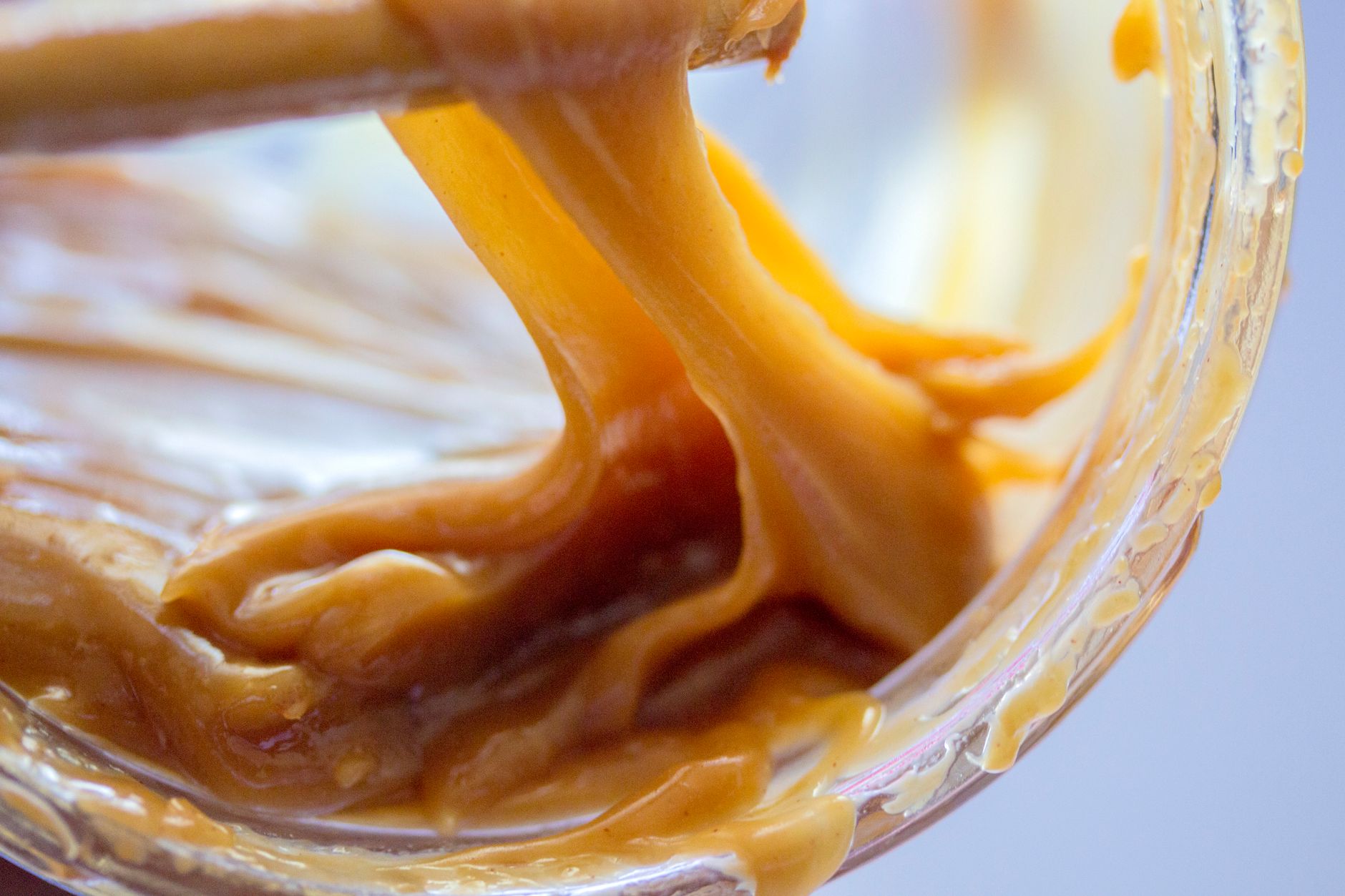
One to two tablespoons per day covers the sensible range for most adults. That amount delivers the mineral benefits described above while keeping added sugar within reasonable limits. Start with one tablespoon for a week or two, watch how your digestion responds, then decide whether another spoonful fits your whole diet.
Easy Ways to Use It Every Day
- Warm morning drink: Stir a tablespoon into hot water with fresh lemon juice, the classic combination that also aids iron absorption.
- Oatmeal topping: Drizzle over cooked oats along with cinnamon for a breakfast that needs no extra sugar.
- Baking swap: Use it in gingerbread, bran muffins, and brown bread, where its depth belongs.
- Marinades and sauces: Whisk into barbecue sauce, baked beans, or a glaze for roasted vegetables.
- Coffee alternative: Blend a teaspoon into warm milk or oat milk for a caramel-like evening drink.
Substituting for White Sugar in Recipes
Swap each cup of sugar for about 1 1/3 cups of molasses, then reduce the recipe’s liquid by roughly 4 tablespoons per cup swapped and drop the oven temperature by 25 degrees Fahrenheit. Add 1/2 teaspoon of baking soda per cup to offset molasses’s slight acidity. Expect darker color, denser texture, and a more complex flavor than the original recipe produced. Baking works better as a partial swap, say half sugar and half molasses, unless the recipe was built for it.
Reasonable servings suit most people, but a few groups need to draw tighter lines, and some viral warnings deserve a closer look.
Portions, however, are only half the safety picture.
Warnings, Side Effects, and the Cancer Claim Debunked
Most healthy adults tolerate moderate molasses intake without trouble. The exceptions involve conditions where its sugar load, potassium, or mineral content interacts with medication or disease control, and those deserve explicit attention.
Who Should Limit Intake
- People with diabetes: Even with a lower glycemic index, molasses is still concentrated sugar and raises blood glucose. Count it within your carbohydrate budget and track your response.
- Anyone with kidney disease: Damaged kidneys struggle to clear excess potassium, so high-potassium foods require medical guidance.
- Those on blood-thinning medication: Vitamin K interactions matter with warfarin, and any major dietary change warrants a conversation with your prescriber.
- People managing iron overload conditions: Hemochromatosis and related disorders make added dietary iron counterproductive.
The Viral Cancer Warning, Examined Honestly
Searches for a “blackstrap molasses cancer warning” trace back to social media posts claiming the syrup causes cancer, alongside others claiming it fights it. Neither claim holds up. No credible scientific body has issued a warning against molasses as a carcinogen, and no clinical evidence supports it as a cancer therapy. The confusion likely grew from misread studies on acrylamide, a compound formed in starchy foods cooked at high temperatures, which appears at negligible levels in molasses. Regard any post promising molasses as a remedy for serious disease as misinformation, and rely on oncologists for cancer care.
Digestive Effects and Safe Storage
Eating too much at once can loosen stools, thanks to the same magnesium mechanism that helps occasional constipation, so build up gradually rather than starting at two tablespoons. Gas or bloating sometimes shows up during the first week as your gut adjusts. Storage is simple: keep the jar sealed in a cool, dark cupboard, where unopened molasses lasts years and opened jars stay good for at least six months. Crystallized sugar around the lid is normal; warm the jar briefly in hot water if the syrup thickens too much to pour.
Handled sensibly, molasses earns its spot as one of the few sweeteners that gives something back beyond sweetness.
