

Even without animal foods, LDL cholesterol can remain elevated when saturated fats, genetics, or thyroid issues shape the lipid profile. Your liver makes most cholesterol, while saturated fat, genetics, thyroid status, and metabolic health can raise LDL; coconut-oil creamer or familial hypercholesterolemia may matter.
Below, you can sort through lipid-panel numbers, vegan food choices, health conditions, and practical next steps that fit a high LDL result.
Vegan Eating Does Not Guarantee Low Blood Cholesterol
Removing animal foods eliminates dietary cholesterol, but it does not stop your liver from producing cholesterol or change how your body clears LDL particles. LDL cholesterol can rise with saturated fat intake, inherited genes, thyroid disease (hypothyroidism), insulin resistance, weight changes, or certain medicines. That is why cholesterol can be high on a vegan diet even with meals built around plants.
Dietary Cholesterol and Blood Cholesterol Differ
Unlike the cholesterol made by the body, plant foods supply none in the diet. Blood cholesterol reflects liver production, intestinal absorption, saturated-fat intake, inherited genes, body-weight shifts, thyroid function, and metabolic health. Lentils, greens, and tofu may appear on your plate while a separate factor raises LDL.
A vegan label describes foods you avoid, not the nutrient quality of foods you choose. French fries, pastries, sweet coffee drinks, refined crackers, coconut-heavy desserts, and vegan cheese can all fit a vegan pattern. That distinction becomes useful once you look beyond total cholesterol.
Cardiovascular Risk Extends Beyond One Lab Value
LDL particles carry cholesterol into artery walls, where retained particles can contribute to inflammation and plaque over years. Your clinician also considers blood pressure, diabetes, tobacco exposure, age, kidney health, family history, and prior cardiovascular events. A single total cholesterol result cannot show your full cardiovascular risk.
The American Heart Association places cholesterol within a wider risk picture rather than treating total cholesterol as a stand-alone verdict. A high total number can come from high LDL cholesterol, high HDL cholesterol, elevated triglycerides, or a combination of those results. The next step is identifying which number drives the concern.
Those results determine whether LDL, triglycerides, HDL, or several markers deserve the closest attention.
The Lipid Panel Identifies the Main Concern
That wider risk picture starts with the numbers in your lab portal. Total cholesterol alone cannot show whether LDL cholesterol, triglycerides, or both need attention. The full pattern gives you a more useful direction for food changes and medical follow-up.
| Lab marker | What it reflects | Why it matters for you |
|---|---|---|
| Total cholesterol | The combined cholesterol carried in several blood particles | A high value needs context from the results beneath it. |
| LDL cholesterol | Cholesterol carried by low-density lipoprotein particles | Higher LDL is linked with greater atherosclerotic cardiovascular risk. |
| HDL cholesterol | Cholesterol carried by high-density lipoprotein particles | HDL does not cancel out a high LDL result. |
| Triglycerides | A form of blood fat influenced by alcohol, sugars, and refined starches | High values can point toward a separate food or metabolic issue. |
| Non-HDL cholesterol | Total cholesterol minus HDL cholesterol | It captures LDL plus other cholesterol-carrying particles. |
Non-HDL cholesterol is useful because it includes LDL plus other particles that may enter artery walls. Apolipoprotein B (ApoB) measures the number of atherogenic particles rather than the cholesterol cargo inside them. Your clinician may consider ApoB when triglycerides are high, insulin resistance is present, or a standard lipid panel leaves uncertainty.
LDL cholesterol at 190 mg/dL or higher is severely elevated and calls for prompt medical assessment, even with a careful vegan eating pattern.
Targets below 190 mg/dL depend on your medical history and overall cardiovascular risk. A result near that threshold is not a reason for food experiments alone, because inherited lipid disorders may sit behind the number. That clinical context makes a closer look at vegan saturated fat sources more productive.
Once LDL is the priority, certain plant-based fats and convenience foods warrant a more careful look.
Vegan Saturated Fats and Processed Foods Can Raise LDL
Once LDL appears to be the main concern, packaged vegan staples deserve a close look. Coconut oil and palm oil contain substantial saturated fat despite coming from plants. Your bloodstream responds to fatty-acid type rather than a package claim such as vegan, dairy-free, or plant-based.
Concentrated Sources Hide in Familiar Products
- Coconut oil jars can add substantial saturated fat to granola, curries, baked goods, and homemade energy bites.
- Vegan butter sticks may rely on coconut or palm oils instead of liquid unsaturated oils such as olive or canola oil.
- Coconut milk cans can turn a vegetable curry into a meal high in saturated fat.
- Vegan cheese shreds may contain coconut oil, starches, and little fiber per serving.
- Pastries and cookies can combine saturated fat with refined flour and added sugar.
- Meat alternatives vary widely, with some products using coconut oil for a richer texture.
Review the ingredient list and the saturated-fat line on Nutrition Facts labels. One serving may look modest, yet two sandwiches, a creamer, a snack bar, and a restaurant dessert can add up over a day. Recording brands and serving sizes for three typical days may reveal a pattern your memory misses.
Triglycerides Follow a Different Dietary Pattern
High cholesterol and triglycerides in vegans can reflect a mixed pattern rather than saturated fat alone. Sugary drinks, sweets, white bread, large portions of refined pasta, and excess alcohol may raise triglycerides, especially alongside insulin resistance. The liver converts surplus carbohydrate energy into triglyceride-rich particles through de novo lipogenesis.
A vegan frozen pizza shows the split clearly: coconut-oil cheese may raise saturated fat, while refined crust and sweetened soda may raise triglycerides. Your food record can help separate an LDL-focused issue from a triglyceride-focused issue. That distinction also points toward health conditions that may be affecting the result.
Dietary patterns matter, but persistent abnormalities can also signal inherited traits or underlying medical conditions.
Genetics and Health Conditions Can Outweigh a Healthy-Looking Diet
A plate full of beans cannot erase a gene that slows LDL clearance from the blood. Familial hypercholesterolemia can cause very high LDL from birth because LDL receptors do not remove particles efficiently. Diet still matters, but inherited biology may carry greater weight in your result.
Family Patterns Supply Useful Clues
Familial hypercholesterolemia deserves attention when close relatives had heart attacks, strokes, bypass surgery, or stents at unusually young ages. An LDL result at or above 190 mg/dL strengthens that concern. Bringing lipid results from parents, siblings, or children can help your clinician spot a family pattern, even if records are incomplete.
Changes in LDL receptors, ApoB, or PCSK9 can affect how long LDL particles remain in circulation. A high-fiber vegan pattern does not correct every receptor-level issue. Research indexed in PubMed supports the link between familial hypercholesterolemia and these inherited pathways.
Secondary Causes Need Clinical Review
- Hypothyroidism may slow LDL receptor activity and raise LDL cholesterol in the blood.
- Diabetes or insulin resistance may raise triglycerides and alter particle patterns.
- Kidney disease may disrupt lipid handling through changes in protein balance and metabolism.
- Liver conditions may alter cholesterol production and clearance pathways.
- Menopause-related shifts may change LDL levels as estrogen declines.
- Medication effects may alter lipid levels, making a prescription review relevant.
Substantial weight loss or weight gain can also shift lipid results for a period. Your clinician may review thyroid markers, glucose measures, kidney and liver markers, family history, and every medication or supplement you use. Once those possible drivers receive attention, food changes become much more targeted.
With those contributors addressed, everyday food choices can concentrate on the changes most likely to lower LDL.
Whole Plant Foods Build an LDL-Lowering Pattern
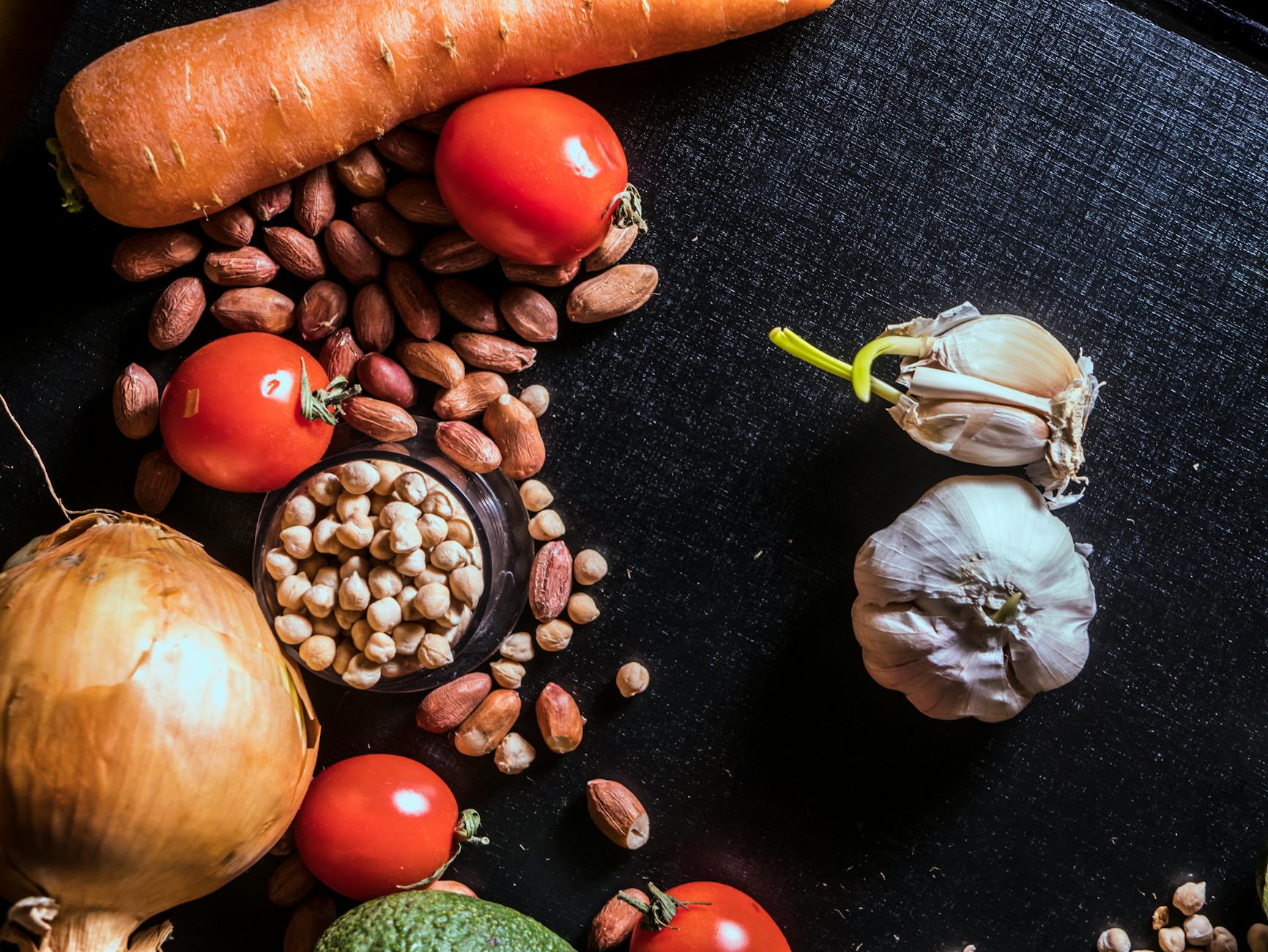
After medical causes are considered, your daily food pattern becomes the practical place to act. Soluble fiber from oats, barley, beans, lentils, chickpeas, apples, citrus, berries, okra, eggplant, and psyllium may help lower LDL cholesterol. These vegan foods to lower LDL cholesterol also bring texture and volume without relying on coconut-based substitutes.
Soluble Fiber Supports Bile Acid Removal
Soluble fiber forms a gel-like material in your digestive tract. It binds some bile acids, which contain cholesterol-derived compounds, and carries them out in stool. Your liver then draws cholesterol from the blood to make replacement bile acids.
This process is not a detox or a physical flushing of cholesterol from arteries. It is normal bile-acid metabolism working meal after meal. Oatmeal at breakfast and lentil soup at lunch can provide a steadier fiber pattern than one oversized bowl at dinner.
Unsaturated Fats Offer Useful Swaps
Replacing saturated fat with unsaturated fat may help lower LDL cholesterol. Walnuts, almonds, peanuts, flaxseed, chia, hemp seeds, avocado, olives, olive oil, and canola oil fit this role. Your swaps can be simple, such as avocado on toast instead of coconut-oil spread or tahini-lemon dressing instead of creamy coconut dressing.
Beans, whole grains, fruits, and vegetables provide a stronger foundation than processed substitutes alone. Planned vegan nutrition also means checking whether your regular meals contain fiber-rich staples instead of mostly refined carbohydrates. Guidance from the Physicians Committee for Responsible Medicine and the Vegan Society supports building plant-based meals around these core foods.
Turning those principles into familiar meals makes an LDL-friendly eating pattern easier to maintain.
A Practical Vegan Plate Makes Changes Easier to Sustain
Those food swaps work best when your meals have a repeatable structure. Fill half your plate with non-starchy vegetables and fruit, reserve one quarter for legumes or soy foods, and use the remaining quarter for intact whole grains. Add a modest portion of nuts, seeds, or avocado for satisfying unsaturated fat.
A Grocery Cart Sets Up Better Meals
- Breakfast grains include oats and barley for soluble fiber at the start of your day.
- Protein staples include beans, lentils, tofu, tempeh, and edamame for substantial meals.
- Whole-grain bases include brown rice, quinoa, and whole-grain breads with visible whole grains.
- Produce variety includes berries, apples, citrus, leafy greens, broccoli, okra, and eggplant.
- Fat sources include walnuts, almonds, peanuts, flaxseed, chia, avocado, olives, and olive oil.
- Plant milk choice favors unsweetened fortified soy milk over sweetened coconut-based drinks.
For a weekday meal, combine barley and lentils with roasted eggplant, chopped greens, lemon, and walnuts. Another option is tofu with brown rice, broccoli, edamame, and sesame seeds. Batch-cooked beans and grains give you a base for sauces made with tomatoes, herbs, citrus, or tahini.
Plant Sterols and Stanols Have a Limited Role
Plant sterols and stanols are compounds added to selected foods to reduce intestinal cholesterol absorption. Some adults use them as part of a broader food pattern, but they do not replace clinical care or correct inherited lipid disorders. A clinician or registered dietitian can help you decide whether they fit your medical history.
Supplements need the same caution as fortified foods. Discuss a new supplement before starting it, especially during pregnancy, nursing, medication use, or with a medical condition. Consistent meals and repeatable swaps give your next lipid panel something meaningful to reflect.
Because sustainable routines work gradually, meaningful changes in blood lipids need time to appear.
Lipid Improvements Usually Take Weeks Rather Than Days
Because food patterns need time to affect blood lipids, one salad or skipped dessert will not change a lab result overnight. Blood lipids may respond over several weeks, while full patterns that include weight-related shifts can take a few months to become clear. That is the practical answer to how long a vegan diet takes to lower cholesterol.
A Short Record Reduces Guesswork
- Mark the start date so your food changes line up with the next lipid panel.
- List coconut swaps by recording removed creamers, cheeses, desserts, or cooking fats.
- Track fiber foods by marking oats, barley, beans, lentils, fruit, or psyllium each day.
- Record packaged snacks so refined starches and saturated-fat sources remain visible.
- Bring the record to your appointment for a clearer discussion of changes.
Repeat lab work may be discussed after about 4 to 12 weeks of consistent changes, based on your health status and clinician guidance. A new panel after only a few days rarely captures the full effect and can raise anxiety without adding much information. The next decision depends on both the trend and your starting risk.
When numbers remain concerning over time, personal risk helps determine whether clinical care should expand beyond diet.
Clinical Evaluation and Medication Can Be Part of Vegan Heart Care
Food changes have limits when LDL is severely elevated or inherited risk is strong. Prompt medical review fits an LDL level at or above 190 mg/dL, suspected familial hypercholesterolemia, a strong family pattern of premature heart disease, or symptoms such as chest pressure, unexplained shortness of breath, fainting, or sudden weakness.
Medication Discussions Can Fit Vegan Values
Statin therapy and other lipid-lowering medicines may suit cases where inherited risk or total cardiovascular risk remains high. These medicines work through pathways such as reduced liver cholesterol production or increased LDL receptor activity. Your clinician can explain benefits, limitations, interactions, and monitoring for your situation.
Persistent high LDL needs more than a pantry audit. Diet alone may not bring every result into a safer range, particularly with familial hypercholesterolemia or thyroid disease (hypothyroidism). A vegan diet and prescribed care can sit side by side rather than compete.
Specific Records Strengthen an Appointment
Bring prior lipid panels, a family history list, medication and supplement lists, and a brief food-pattern record. Mention weight changes, menstrual or menopause shifts, alcohol intake, and any history of thyroid, kidney, liver, or glucose concerns. Those details give your clinician a clearer starting point for investigating high cholesterol on a vegan diet.
Clear records keep the conversation focused on your actual risk, personal values, and the causes behind the numbers. That focus makes the final food-and-care plan more realistic to follow.
A plan grounded in both medical guidance and workable food choices offers the clearest path forward.
Bottom Line
Vegan eating removes dietary cholesterol, but it does not control every source of LDL in your blood. Reading the full lipid panel, reducing concentrated saturated fats, choosing fiber-rich whole plants and unsaturated fats, and seeking care for severe or persistent elevation can all matter. Your diet remains valuable, but genetics and medical causes deserve equal attention.
FAQ Answers for Vegan Cholesterol Concerns
Why is my cholesterol high if I am vegan?
Your liver makes cholesterol, and LDL levels respond to saturated fat, inherited genes, thyroid status, body-weight changes, diabetes, kidney disease, liver conditions, and some medicines. Vegan foods contain no dietary cholesterol, yet coconut oil, palm oil, vegan butter, pastries, and processed substitutes can still add substantial saturated fat.
Can vegan foods such as coconut oil, vegan cheese, and processed meat substitutes raise LDL cholesterol?
A tablespoon of coconut oil delivers about 12 grams of saturated fat, and vegan cheeses, pastries, creamers, and some meat substitutes can also push LDL upward. Check your ingredient list and Nutrition Facts label, because several small servings across a day can add up quickly.
Which blood test numbers should I focus on besides total cholesterol?
Focus on LDL cholesterol, HDL cholesterol, triglycerides, and non-HDL cholesterol instead of total cholesterol alone. ApoB may also help your clinician estimate the number of atherogenic particles, especially when triglycerides are high or insulin resistance is present.
Can a vegan diet lower or reverse high cholesterol?
A vegan food pattern rich in oats, beans, lentils, barley, fruit, vegetables, nuts, seeds, and unsaturated oils may improve LDL cholesterol for some people. It cannot remove inherited lipid disorders or every medical cause, so your clinician should evaluate persistent elevation and guide the next steps.
What are the best vegan foods for lowering LDL cholesterol?
Just 5 to 10 grams of soluble fiber daily from oats, barley, beans, fruit, okra, eggplant, and psyllium can help lower LDL cholesterol, while walnuts, flaxseed, chia, avocado, olives, olive oil, and canola oil support a heart-healthier fat profile. Soluble fiber supports bile-acid removal, while unsaturated fats can replace saturated fat from coconut-based foods.
Could familial hypercholesterolemia, hypothyroidism, or another health condition be causing high cholesterol?
Familial hypercholesterolemia, thyroid disease (hypothyroidism), diabetes, insulin resistance, kidney disease, liver conditions, menopause-related changes, and medication effects can contribute to high cholesterol. Your clinician can review family history, thyroid markers, glucose measures, kidney and liver markers, and medicines to identify possible causes.
