

foods high in vitamin b3 refers to foods that supply niacin, a water-soluble B vitamin your body uses to turn food into energy. Chicken breast, tuna, salmon, turkey, and fortified cereal can raise your intake quickly, while fruit usually adds only a small amount.
You can use this to compare natural sources, fortified options, and plant-based choices without guessing. The focus here is everyday meals, daily needs, and the foods that actually move the number.
Key Takeaways
- Chicken and fish lead. Chicken, tuna, salmon, turkey, and liver supply the most niacin per serving for many diets.
- Plant foods still help. Peanuts, mushrooms, whole grains, and fortified cereals fill gaps, especially when you eat less meat.
- Fruit stays minor. Fruit contributes only small amounts, so it works better as a side than as a main source.
- Needs vary. Niacin needs change with age, sex, pregnancy, and lactation, so your target is not fixed.
- Mixed meals work. A varied plate often covers daily niacin from food without a supplement.
Vitamin B3 Fits Into Daily Nutrition
Niacin is the label name for vitamin B3, and your body uses it to build the coenzymes NAD and NADP. Those molecules power hundreds of enzyme reactions that pull energy from carbohydrate, fat, and protein. The NIH Office of Dietary Supplements places adult needs at 14 to 16 mg niacin equivalents per day, with higher needs during pregnancy and lactation.
That range explains why one food list never fits everybody. A college athlete, a pregnant person, and a desk worker may eat the same lunch yet end the day with different totals because age, sex, and life stage change the target.
What niacin does inside cells
Every bite has to be unpacked before it can do work, and niacin helps with that process. NAD and NADP move electrons through oxidation-reduction reactions, which is the chemistry behind energy release in your cells. When intake runs too low, fatigue, skin changes, and poor appetite can appear in severe deficiency.
That chemistry matters because food choice changes both the size of the niacin supply and how usable it is. Animal foods give you niacin in a form your body can use more easily, while some plant foods store it in forms that release less during digestion.
How daily needs vary
A standard adult target sits in the mid-teens in milligrams of niacin equivalents, not at one fixed number for every person. Growth, pregnancy, lactation, and overall diet quality all shift the target. Tryptophan from protein foods also counts, since your body can convert that amino acid into niacin.
That is why a mixed diet matters more than chasing one perfect food. Once you know the body side of the story, the next step is seeing which foods actually move you toward that target.
Those differences matter most when you sort foods by how much each source contributes in a practical eating pattern.
Foods High in Vitamin B3 Deliver the Most Niacin
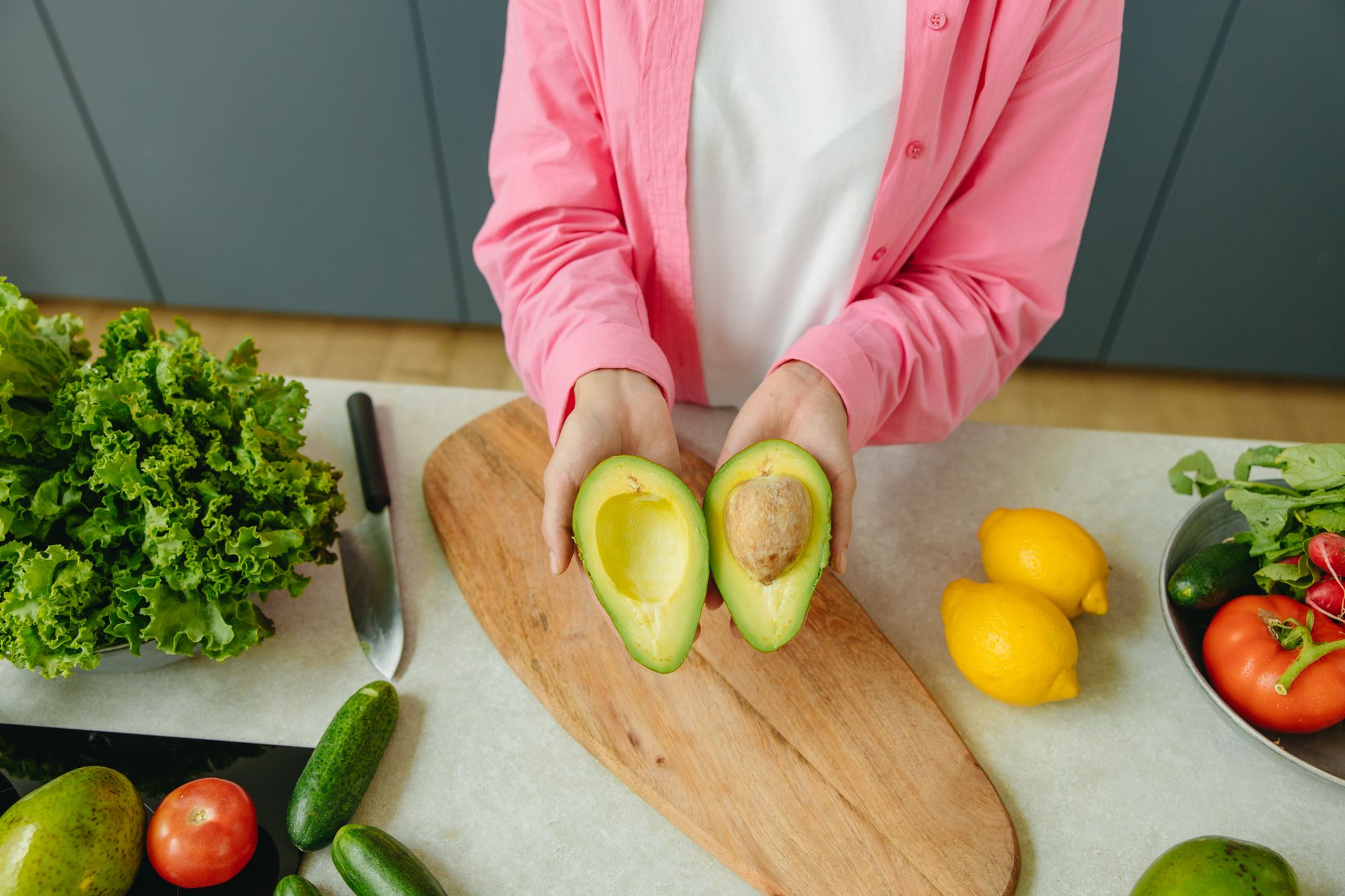
A serving of chicken or tuna can cover a large share of a day’s niacin needs, while peanuts or fortified cereal fill a smaller but still useful gap. The table below uses common serving sizes so you can compare foods without guessing.
| Food | Serving size | Niacin per serving | Approx. percent daily value |
|---|---|---|---|
| Chicken breast, roasted | 3 ounces | 10 to 12 mg | 60% to 75% |
| Tuna, canned in water | 3 ounces | 8 to 11 mg | 50% to 69% |
| Turkey, roasted breast | 3 ounces | 8 to 10 mg | 50% to 63% |
| Salmon, cooked | 3 ounces | 7 to 9 mg | 44% to 56% |
| Liver, beef cooked | 3 ounces | 13 to 16 mg | 81% to 100%+ |
| Peanuts, dry roasted | 1 ounce | 3 to 4 mg | 19% to 25% |
| Fortified breakfast cereal | 1 serving | 4 to 8 mg | 25% to 50% |
| Brown rice, cooked | 1 cup | 2 to 3 mg | 13% to 19% |
| Mushrooms, cooked | 1 cup | 2 to 3 mg | 13% to 19% |
| Whole wheat bread | 2 slices | 2 to 3 mg | 13% to 19% |
Animal foods dominate the list because they are dense in niacin and deliver it in a form your body can use with less conversion. Liver sits at the far end of the range, which is why it matters nutritionally but does not belong on every plate. Fortified cereal appears because grain products can be enriched after processing.
That table also shows a practical pattern: one strong protein food can do most of the work, and a grain or nut can round out the day. For a quick answer to what food has the highest vitamin B3, liver usually sits near the top, with chicken breast, tuna, and turkey close behind.
Animal foods that lead the list
Chicken breast is a lean-protein anchor because it pairs a high niacin count with a familiar serving size. Tuna and salmon bring the same advantage, and they also fit cold lunches or simple weeknight cooking. Turkey works the same way, especially in sandwiches or grain bowls.
Liver deserves special mention because one serving can supply a full day’s niacin. That said, flavor, texture, and vitamin A content change how often it fits the menu in most households.
Plant foods and fortified grains
Peanuts, mushrooms, brown rice, and whole wheat bread matter because they can appear in meals you already eat. Their niacin numbers are lower than meat or fish, yet they add up across a day. Fortified cereal stands out because manufacturers add B vitamins back into the grain, which is different from the natural niacin in whole foods.
That difference matters at the checkout and at the table. Natural sources arrive with protein, fiber, or fat, while fortified grains act more like a targeted boost. The next section separates those two lanes so your choices make more sense.
A balanced plate can still reach the goal when the best plant options are chosen with intention.
Animal, Plant, And Fortified Sources Compared
Meat and fish usually give you more niacin per bite because the vitamin sits inside a compact protein package. Plant foods often contain less per serving, and some of their niacin is bound in forms that are less available after digestion. That is why a tuna sandwich can do more for your total than a large bowl of vegetables.
Why animal foods work so efficiently
Bioavailability is the key idea here. Niacin from chicken, turkey, tuna, and salmon is easier for your gut to absorb, so a smaller serving tends to count more toward the daily target. Protein foods also bring tryptophan, and your body can convert some of that amino acid into niacin through the kynurenine pathway.
That conversion helps explain why a protein-rich meal can raise niacin status in more than one way. It is also why a plate with eggs, poultry, or fish carries more weight than the same calories from starch alone.
How plant foods fit
Peanuts, mushrooms, legumes, and whole grains still matter, especially in plant-forward eating. Brown rice and whole wheat bread contribute smaller amounts, but they show up often enough that your total rises through repetition. Mushrooms are a useful outlier because they offer more niacin than many vegetables.
The useful pattern is spread, not concentration. A peanut snack, a mushroom side dish, and a grain serving at dinner can each add a few milligrams without making niacin the center of the plate. That structure becomes even more helpful on vegetarian and vegan days.
Fortified foods use a different route
Fortified cereals and grain products are not the same as naturally rich foods. The vitamin is added during processing, which means the amount on the label can be higher than the unfortified grain would supply on its own. Whole grain and enrichment are separate ideas, so a cereal can be fortified even if the grain base is refined.
That aligns with guidance from the Harvard T.H. Chan School of Public Health, which notes that fortified grains can help close nutrient gaps but do not replace a varied diet. Your most reliable plan is still a mix of whole foods, not a single box on the shelf.
Practical variety often comes from smaller contributors that round out the diet without much fanfare.
Vegetarian And Vegan Routes To Adequate Intake
Plant-based eating can meet niacin needs, but it works best as a pattern, not a hunt for one giant source. Peanuts, mushrooms, brown rice, beans, lentils, whole wheat, and enriched grains can each contribute modest amounts that add up across breakfast, lunch, and dinner.
Tryptophan helps here too. Soy foods, beans, lentils, pumpkin seeds, and other protein-rich plant foods can contribute amino acids that your body can convert into niacin, which gives you a second route beyond direct food niacin.
Build meals around layered sources
A brown rice bowl with black beans, sautéed mushrooms, and peanuts gives you niacin from several angles in one meal. A peanut butter sandwich on whole wheat bread does the same in a simpler form. Fortified cereal at breakfast can cover more ground than fruit or juice ever will.
That layered approach matters because no single plant food has to do all the work. Instead, your day can collect small gains from a breakfast cereal, a grain-based lunch, and a bean-centered dinner.
Practical swaps for meat-based dishes
Ground turkey chili can shift toward lentil chili with mushrooms and still keep niacin in the meal. Chicken stir-fry can become tofu stir-fry with brown rice, peanuts, and mushrooms. Tuna salad on whole wheat bread can move to hummus, chopped peanuts, and a fortified grain wrap.
Those swaps keep the plate familiar while changing the source pattern. They also let you spread niacin intake across meals rather than depending on one large serving at dinner.
Check the grain label, because fortification changes the numbers fast. A cereal that looks plain can carry a useful share of your daily niacin target.
Why meal spacing matters
Niacin does not have to arrive in one sitting. Your body uses what it needs and manages the rest through normal metabolism, so breakfast, lunch, and dinner all count. That means a person who eats fortified cereal at breakfast and salmon at dinner can reach a solid daily total without a supplement.
You may notice the gap closes once the menu includes grains, legumes, nuts, and one or two dependable protein foods. That is often the difference between a meal plan that feels restrictive and one that covers niacin naturally.
Processing changes the picture, and that makes daily totals and shortfalls worth a closer look.
Fruits, Drinks, And Other Smaller Sources
Most fruits are not major niacin sources. Avocado, dates, and a few other fruits contain small amounts, but they sit far below poultry, fish, peanuts, or fortified cereal. Fruit can still help overall diet quality, just not as the main niacin plan.
What fruit can and cannot do
An apple or orange may bring fiber and vitamin C, but it will not move niacin intake in a big way. Dried fruit can carry a bit more than fresh fruit because water is removed, yet the total still stays modest. That makes fruit a side dish for this nutrient, not a cornerstone.
For fruit sources of vitamin B3, think contribution, not solution. A fruit cup with breakfast can support a balanced meal, but your niacin count will come from the cereal, yogurt, nuts, or eggs around it.
Drinks matter only in narrow cases
Plain milk, tea, coffee, and most juices are not meaningful niacin sources. Fortified beverages can be different, but the label has to show added B vitamins for the number to matter. A drink with no fortification usually contributes little to your daily niacin intake from food.
That is why beverage choices rarely solve a gap alone. The stronger path is still food first, then a label check on any fortified drink you already use.
Cooking and processing change the total
Niacin is water-soluble, so some of it can move into cooking water during boiling. Dry heat, steaming, and shorter cook times tend to preserve more of it in vegetables and grains. Milling also matters, since refining grains can remove nutrient-rich outer layers unless the grain gets enriched later.
That is a quiet reason whole grains and gentle cooking methods matter. Brown rice keeps more of the original grain structure than white rice, while fortified cereals can replace some lost nutrients after processing. The final section brings that back to daily intake and deficiency risk.
Even without meat, a few staples can keep intake close enough for everyday eating to work well.
Daily Needs, Deficiency Risk, And Smart Meal Planning
Adult niacin targets sit around 14 mg niacin equivalents per day for many women and 16 mg for many men, with higher needs in pregnancy and lactation. The NIH Office of Dietary Supplements uses niacin equivalents because tryptophan can contribute to the total. That means a protein-rich meal may count more than the label alone suggests.
Deficiency signs show up in stages
Early signs can include poor appetite, tiredness, nausea, and a sore mouth or tongue. Severe deficiency can lead to pellagra, which classically includes dermatitis, diarrhea, and cognitive changes. Those signs do not prove niacin deficiency on their own, but they deserve medical attention.
Pellagra is rare in many settings now, yet it still appears where diet variety is poor or absorption is impaired. Alcohol misuse, very limited food access, digestive disease, and extremely narrow food patterns raise the risk.
Who needs extra attention
People who eat few protein foods, skip fortified grains, or rely on the same starch every day can fall short without noticing. Older adults may also eat less overall, which lowers nutrient intake even when meals look normal. A person taking certain medications or living with a medical condition should ask a qualified healthcare professional before using niacin supplements.
Upper intake limits matter too. Large supplemental niacin doses can cause flushing, liver strain, and other side effects, so food sources are the safer starting point for most people. The daily target from food is very different from high-dose supplement use.
A practical day of eating
A simple day can look like fortified cereal with milk or soy milk at breakfast, a turkey or hummus sandwich on whole wheat at lunch, and salmon with brown rice and mushrooms at dinner. Add peanuts as a snack and fruit on the side, and you have a steady niacin pattern without forcing any one meal to do all the work.
That style of eating gives you room to adjust for your own preferences. Chicken breast or tuna makes the target easier for people who include meat. For those who do not, legumes, mushrooms, peanuts, and fortified grains can still move the day close enough for a practical food-only plan.
Keep supplements separate from everyday food planning unless a qualified professional has raised a specific need. Food sources give niacin with fewer dosing problems than pills.
Final Thoughts
The best niacin plan is not a single superfood, it is a pattern that fits your life. Chicken, tuna, turkey, salmon, liver, peanuts, mushrooms, whole grains, and fortified cereal all have a role, but they work best when you spread them across ordinary meals.
FAQ
What food has the highest vitamin B3?
Liver usually leads the list, with chicken breast, tuna, turkey, and salmon close behind. Serving size matters, so a small portion of a dense food can supply more niacin than a large portion of a weaker source.
What fruits are high in vitamin B3?
Most fruits contain only small amounts of niacin, so none serve as a major source. Avocado and some dried fruits contribute a little, but your main intake will come from protein foods, grains, nuts, and fortified cereals.
What depletes vitamin B3 in the body?
Poor overall intake, very limited food variety, alcohol misuse, and some digestive problems can lower niacin status. Cooking losses and grain refining can also reduce the amount available from food, especially without enrichment or fortification.
What drink has niacin in it?
Most drinks have little niacin unless they are fortified. A fortified nutrition drink or breakfast beverage may contain added vitamin B3, but plain coffee, tea, juice, and water do not contribute much.
How much vitamin B3 do you need per day?
Many adults need about 14 mg niacin equivalents per day for women and 16 mg for men, with higher amounts during pregnancy and lactation. Your needs can vary with life stage, diet pattern, and how much tryptophan your meals provide.
Can fortified foods help you meet your vitamin B3 needs?
Yes, fortified foods can help fill a gap, especially when your diet is low in meat or fish. A fortified cereal or grain product can add several milligrams of niacin at breakfast, which makes it easier to reach your daily target from food.
