

A cloudy bowl of strained starch can leave hair feeling smoother and skin temporarily softer, with the appeal of a simple DIY rinse. The value comes from starch, inositol, amino acids, and other dissolved compounds, not from a miracle fix.
This guide covers the practical uses of rice water for skin and hair, how different preparation methods change it, and the safety points that matter before trying it at home.
Key takeaways for skin, hair, and safety
- Smoother hair feel: Rice water may help strands feel softer and easier to detangle after shampooing.
- Skin effects stay modest: The face may feel calmer or smoother for a short time, but dramatic change is not realistic.
- Growth claims need caution: Better manageability is easier to support than major hair regrowth.
- Freshness matters: Stale liquid can spoil fast, so short storage and clean containers matter.
- Sensitive skin can react: Dryness, tightness, itching, or scalp buildup are good reasons to stop.
What rice water contains and why people use it
The liquid gets attention because it carries starch, amino acids, inositol, antioxidants, and trace vitamins and minerals. Those compounds can change how it feels on hair and skin, even when the cosmetic effect stays mild.
That mix helps explain why rice water benefits show up most clearly as slip, coating, and a temporary softening effect. For you, that means the result is usually about feel and manageability, not a dramatic transformation.
What the liquid actually is
Rice water is the water left after soaking or cooking rice. Plain white rice usually makes a milky, light liquid, while less processed rice can leave more residue and a stronger smell.
That difference matters because texture changes how the rinse behaves on your skin and hair. A thicker batch adds more coating, while a thinner one feels lighter and washes away more easily.
Why the beauty tradition stuck
Rice water became a home remedy because it is cheap, easy to prepare, and tied to long grooming routines in parts of Asia. In beauty use, it sits somewhere between a rinse, a toner, and a light leave-on treatment.
The draw is practical: you can make a small batch in minutes without buying a specialty product. Tradition can point you toward a useful routine, but it does not replace proof, so the next step is separating plausible effects from overstated claims.
What the main compounds may do
Starch can form a thin film on hair, which helps it feel smoother and less tangled. Inositol has also been discussed for its ability to cling to damaged hair fibers, which may reduce friction during combing.
Scientific insight: Hair fibers have overlapping cuticle scales, and rough cuticles snag more easily. A coating that lowers friction can make hair feel softer without changing how fast it grows.
Those storage risks are also where the skin story becomes more complicated than the hair one.
How fresh, boiled, and fermented rice water differ
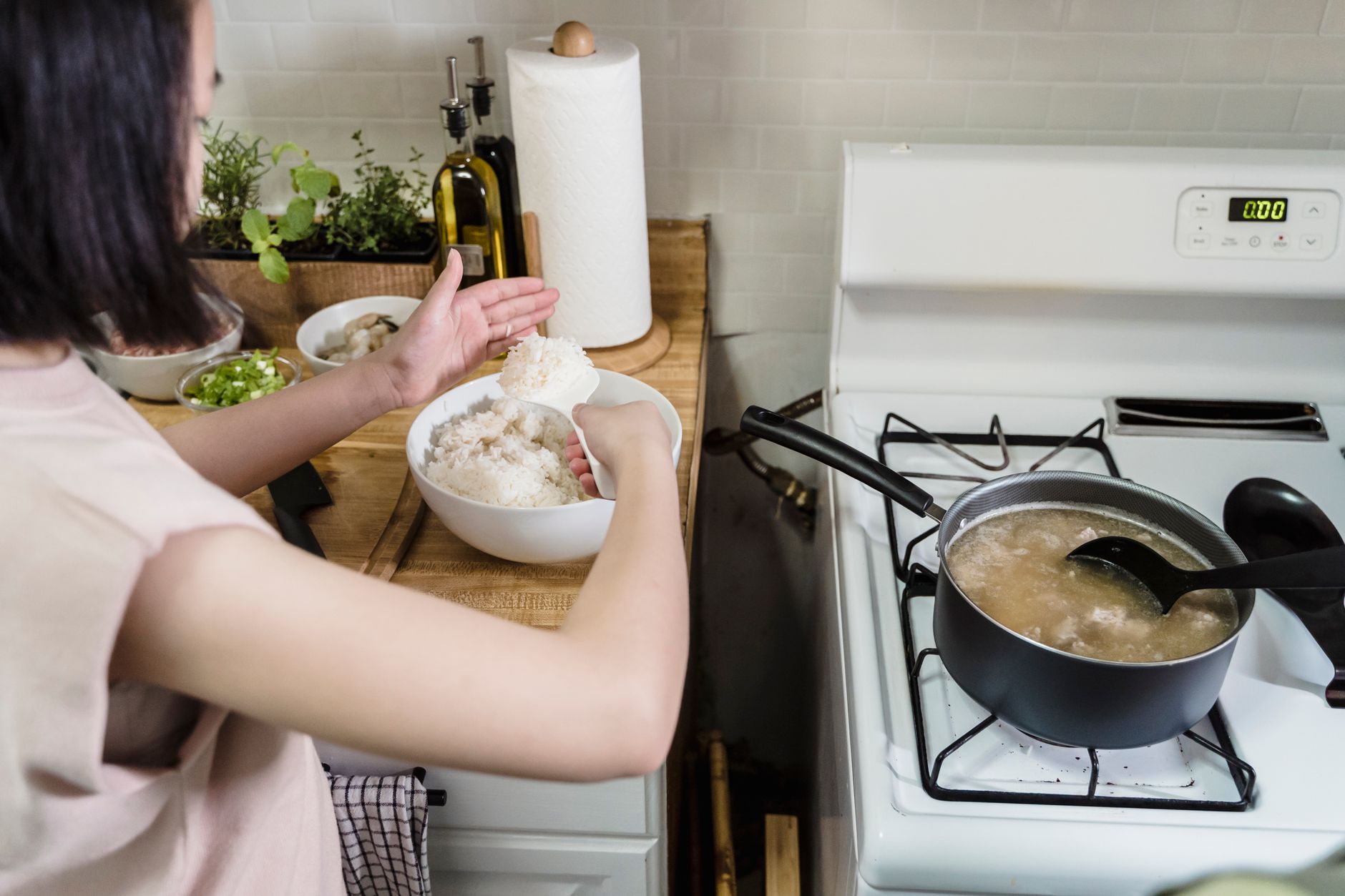
That basic recipe changes more than many people expect. Fresh, boiled, and fermented versions all start with rice and water, but each one ends with a different smell, thickness, and storage window.
The method matters because the goal changes the best fit. A quick facial rinse usually calls for a lighter liquid, while a hair treatment may use a thicker, more coating mix.
| Method | What It Tends To Be Like | Why People Choose It |
|---|---|---|
| Fresh soaked rice water | Light, mild, low odor, short shelf life | Simple face use and quick hair rinses |
| Boiled rice water | Thicker, starchier, more coating, still perishable | People want more slip and a creamy feel |
| Fermented rice water | Sour smell, lower pH, stronger smell, higher spoilage concern | DIY beauty routines that aim for a sharper rinse |
Fresh rice water works well for simple routines
Fresh soaked liquid is the easiest version to handle. You strain it, cool it, and use it the same day in many homes because the risk of spoilage rises after that.
For skin, that short window is useful. The texture shows up without waiting for fermentation, and the smell stays closer to cooked rice than to vinegar.
Boiled rice water leaves more starch behind
A longer boil tends to pull out more starch, which makes the liquid feel noticeably heavier. That can make hair feel slicker, but it can also leave more residue on fine hair or acne-prone skin.
Scientific insight: Starch thickens the liquid and changes how it spreads across fibers. More coating can mean more glide, but too much residue can also leave hair stiff after it dries.
Fermented rice water shifts the chemistry
Fermentation lets natural microbes change the liquid’s pH and aroma over time. That can make the mix smell sharp and feel different on the skin, which is part of why some DIY routines prefer it.
Lower pH does not automatically mean better results. It may feel nice in a hair rinse, but it also raises the bar for clean storage and careful use.
When irritation appears, the appeal of a home remedy starts to look a lot less harmless.
The skin claims that hold up best
That softer skin feel is the most believable result, and it usually lasts a short time. Rice water benefits for skin show up more like a temporary cosmetic boost than a fix for deeper skin problems.
People also use it as a toner or calming rinse after cleansing. That can feel pleasant on dry or dull-feeling skin, but sensitive skin may react with stinging, tightness, or a flush within minutes.
Face use works best as a short contact step
Rice water does not need to sit on the face for long. A brief application, then rinsing or letting a thin layer dry, is enough for most cosmetic routines.
Long contact time raises the odds of residue, especially around the nose, jaw, and hairline. Those spots are where buildup often shows up first.
Acne, pimples, eczema, and irritation need caution
Some people use the liquid when skin looks inflamed, red, or rough, hoping for a calmer feel. That soothing effect can happen, but it is not reliable, and eczema-prone or breakout-prone skin can react in the opposite direction.
Healthline and PMC both discuss broader rice-based topical use, but the evidence is still thin for acne or eczema claims. Treat the liquid as a cosmetic rinse, not as a targeted fix for a skin condition.
Daily use is not automatically better
Using it every day can leave your face drier rather than calmer, especially in cold weather or after acid-heavy skin care. A few uses per week is a more cautious starting point for your skin.
Watch for tightness, flakes, itching, or a chalky film. Those signs usually mean the skin barrier is getting more stressed than helped, and the same trade-off shows up on hair.
Practical differences in feel and buildup help explain why it spread from niche treatment to everyday habit.
Patch testing matters. A small area near the jaw or inner arm can reveal irritation before you spread the liquid across your face or scalp.
Why rice water became a hair rinse staple
That smoother, softer finish is what keeps rice water popular in wash-day routines. The goal is usually not dramatic regrowth, but less frizz, easier detangling, and a softer feel after shampooing.
Those effects make sense from a mechanics angle. A coating on the cuticle can lower friction, and lower friction can help your comb glide instead of snagging through knots.
Smoothness and slip are the main goals
After shampoo, dry hair often feels rough because the cuticle lies unevenly. A starchy rinse can leave a thin film that changes the way hair moves, which is why many people notice more softness.
That slip matters most for curly, coarse, or bleached hair. Those textures tangle more easily, so even a small gain in glide can change the whole wash-day experience.
Hair growth claims deserve restraint
Evidence for dramatic growth is limited and mostly anecdotal. Hair length depends on follicles, shedding, breakage, nutrition, hormones, and scalp health, so a rinse cannot control all of those variables.
Scientific insight: Growth happens inside the follicle under the scalp, while rice water stays on the outside of the fiber. A smoother shaft can reduce breakage, which may help length seem preserved, but that is not the same as new growth.
Scalp use can help or backfire
A light scalp rinse may feel refreshing, especially after heavy styling products. Used too often, though, the same starch can build up and leave the roots stiff, dull, or itchy.
That is why some people keep the liquid on the mid-lengths and ends instead of saturating the scalp. A small case example makes the trade-off clear: a person with thick curls may enjoy the softness, while someone with fine hair may notice weighed-down roots after two or three uses.
The same caution applies in the kitchen, where a seemingly simple drink can turn risky fast.
- Use less on fine hair: A small amount reduces residue at the roots.
- Focus on ends: Mid-lengths and ends benefit most from extra slip.
- Rinse out fully: Heavy coating can leave hair stiff after drying.
- Watch frizz response: Some textures feel smoother, while others feel coated.
Drinking rice water and the limits of the evidence
Oral use sits in a shakier place than skin or hair use. People talk about hydration, digestion, and using the liquid during stomach upset, but the evidence is thinner than the claims attached to it.
That gap matters because a food-like preparation can still carry food-safety problems. A cup that sat out too long is a very different thing from a fresh kitchen batch.
Hydration claims sound simple but need context
Rice water contains water and some starch, so it can add fluid. A lightly salted oral rehydration drink is a different category, though, because oral rehydration solutions are built for electrolyte replacement in a way rice water is not.
The World Health Organization relies on oral rehydration solution for diarrhea management in clinical settings, which tells you how specific real rehydration needs can be. Rice water may feel soothing in a home kitchen sense, but it does not match that standard.
Digestive use has a long home-remedy history
In some homes, the liquid is sipped during stomach upset because the starch feels gentle. That tradition is understandable, especially after a bland meal or a rough day of nausea.
Even so, any benefit may come from the simple fluid and starch rather than a special action of rice water itself. The claim set is broad, but the evidence for drinking it every day is narrow.
Daily drinking is not a routine requirement
A daily habit is not needed for general health, and poor storage can turn a harmless kitchen liquid into a safety concern. Rice water should be treated like a perishable food, not a shelf-stable drink.
That is the main reason oral use deserves more caution than topical use. Once spoilage enters the picture, the biggest issue becomes contamination, not beauty benefits.
Because irritation can build quietly, the safest approach starts with careful preparation and cleanup.
Safe use, storage, and when to stop
Clean prep is the difference between a useful kitchen rinse and a sour batch you should toss. Start with a clean jar, rinsed rice, and cold water, then strain the liquid so grains do not sit in it longer than needed.
Short storage matters because rice water spoils quickly. Keep it chilled, use it soon, and discard it once the smell turns off, the texture changes, or the color looks cloudy in an unusual way.
- Rinse the rice: Wash away dust and extra surface debris before soaking or cooking.
- Use clean water: Fresh water lowers the chance of unwanted microbial growth.
- Strain well: Remove grains so the liquid stays smoother and easier to apply.
- Cool completely: Warm liquid can irritate skin and also speeds spoilage in storage.
- Store briefly: Keep it refrigerated and use only a short time after preparation.
Sensitive skin needs extra restraint. People with recurring irritation, active eczema flares, or a history of contact reactions should patch test before face or scalp use, then stop at the first sign of trouble.
Rice water side effects are usually mild, but mild still matters. Redness, itching, tightness, flakes, breakouts, or scalp discomfort are clear stop signs, and they should send you back to plain water or a simpler routine.
That simplicity only works if the mixture stays stable, which depends on how long it sits and where it’s kept.
Warning: Do not keep a batch around just because it still looks fine. Smell, texture, and storage time matter more than appearance alone.
How to make rice water safely
A quick soak works for a lighter rinse, while a simmered batch produces a thicker version with more starch. In both cases, a clean container and a short storage window matter more than any special add-in.
You can keep the process simple and still reduce risk. The point is to avoid contamination, not to create a complicated beauty recipe.
- Measure the rice: Start with 1/2 cup of rice and about 2 to 3 cups of clean water.
- Rinse first: Wash the rice once to remove dust and extra surface starch if you want a lighter result.
- Choose your method: Soak for a lighter liquid or simmer briefly for a starchier one.
- Strain carefully: Pour the liquid through a clean sieve or cloth into a sanitized jar.
- Chill promptly: Refrigerate the batch and label the date so you know when to discard it.
Fresh liquid usually works best the same day, while a fermented batch needs extra care and a shorter tolerance for off smells. For skin, hair, or oral use, the safer choice is the simplest version that fits your goal.
A shorter routine often prevents buildup, especially when fermentation changes the mixture’s strength and smell.
How often to use rice water without overdoing it
A few cautious applications a week are usually enough, especially once skin or scalp starts to feel sensitive. A light schedule is safer than a daily routine when you are still testing tolerance.
For face use, 2 to 3 times a week is a cautious starting point. For hair, once a week or every other wash is often enough to notice slip without leaving too much residue.
- Face care: Start with 2 to 3 uses per week and watch for dryness or stinging.
- Hair care: Try it once a week first, especially if your hair is fine or low-porosity.
- Scalp care: Use less often if your roots already get oily or product-heavy.
- Drinking: Keep oral use occasional rather than daily unless a clinician has given different advice.
Daily use can make buildup more likely on hair and dryness more likely on skin. That is why the best schedule is the one that matches your texture, your routine, and the first sign of irritation.
Once fermentation enters the mix, the chance of irritation rises along with the need for caution.
Fresh versus fermented rice water in plain terms
Fresh and fermented versions do not behave the same way, even when they start from the same rice. Fresh rice water is milder and simpler, while fermented rice water changes smell, pH, and storage demands.
That distinction matters because you do not need fermentation for every routine. If your main goal is a quick rinse with less odor and less handling time, fresh is easier to manage.
| Feature | Fresh | Fermented |
|---|---|---|
| Smell | Mild, rice-like | Sour or sharp |
| Storage | Short, use quickly | Even more careful storage |
| Skin feel | Light and simple | Can feel stronger or more acidic |
| Risk | Lower handling complexity | Higher spoilage concern |
Fresh rice water suits simple use
Fresh rice water is easier to predict because it has fewer fermentation variables. You can prepare it, cool it, and use it without waiting for odor changes or pH shifts.
For first-time topical use, that simplicity reduces the chance of surprise. It also makes it easier to notice whether your skin or scalp actually likes the rinse.
Fermented rice water needs more caution
Fermentation can make the liquid smell stronger and feel different on the skin. Some people prefer that change for hair, but the stronger aroma is also a reminder that the liquid has transformed.
Lower pH does not automatically make it better for you. It can be useful in some hair routines, yet it also means clean handling and prompt discard times matter even more.
That tipping point is the clearest sign to keep expectations modest and treat it as optional, not essential.
Potential side effects and who should avoid it
Potential side effects are usually mild, but they are still worth treating seriously. Skin can tighten, sting, or turn red, and hair can feel coated, stiff, or dull if the rinse is overused.
People with sensitive skin, acne-prone skin, eczema, or very fine hair need the most caution. A patch test and a small first application give you the clearest signal before you commit to a full routine.
- Dryness: Too much use can leave the face or hair feeling stripped.
- Itching: Scalp discomfort often points to buildup or irritation.
- Residue: A chalky film means the liquid may be too heavy for your routine.
- Contamination: Off smells or cloudy changes mean the batch should be discarded.
Rice water side effects usually show up fast enough to catch early if you pay attention after the first use. Stop when the result shifts from soft and manageable to irritated, coated, or unpleasant, because that change tells you the routine is no longer helping.
Bottom line
In practice, the main payoff is softer-feeling hair, a brief smoothing effect on skin, and an easy kitchen rinse that fits simple routines. The strongest results come from modest use, clean prep, and a clear eye for irritation or buildup.
When you keep the use occasional, the liquid fresh, and the expectations grounded, rice water can serve as a low-cost cosmetic step rather than a cure-all. That is the safest way to get the benefits without inviting avoidable side effects.
FAQ
What are the benefits of drinking rice water?
The main benefit is simple fluid intake, and some people find it soothing during stomach upset. The evidence for added wellness claims is much thinner than the beauty claims, and food safety matters a lot when the liquid has sat out.
Can I use rice water daily on my face?
Daily facial use is not a smart starting point for most people. A few times per week is a more cautious pattern, especially for dry, acne-prone, or sensitive skin that can react with tightness or stinging.
How do you make rice water?
Rinse the rice, soak or cook it in clean water, then strain the liquid into a clean container. For skin or hair use, cooling it fully before application lowers the chance of discomfort and spoilage.
What will happen if I drink rice water every day?
Nothing dramatic should be expected, and daily use is not a health requirement. The bigger concern is how it was prepared and stored, since a perishable kitchen liquid can spoil quickly.
Does rice water really help hair growth or hair strength?
It is more realistic for hair strength, smoothness, and reduced breakage than for actual regrowth. A smoother shaft can feel stronger and tangle less, but it does not change follicle activity in the scalp.
Is rice water safe for sensitive skin?
It can be too irritating for some sensitive skin, especially if the batch is thick, fermented, or left on too long. Patch testing first gives you a better chance of avoiding redness, tightness, or stinging.
