

Quenepas benefits refers to the practical upsides of eating quenepas, the tropical fruit also called Spanish lime or mamoncillo. You get modest vitamin C, dietary fiber, potassium, and antioxidants from the pulp, along with a sweet-tart snack that fits everyday eating.
This guide covers the real-world appeal of quenepas for anyone curious about Spanish lime: what they are, how their nutrients add up, which advantages are best supported, and how to enjoy them safely.
Key Takeaways
- Spanish lime names matter. Quenepas, Spanish lime, and mamoncillo usually refer to the same fruit in stores and recipes.
- Nutrients do the heavy lifting. Vitamin C, fiber, potassium, and antioxidants explain most of the health interest.
- Digestion gets the clearest benefit. The pulp and fiber can fit a gut-friendly snack pattern.
- Portion size stays practical. The fruit is sweet, but the edible part is small and easy to count.
- Safe eating matters. The seed is large, the shell can be slick, and young children need close watch.
What Quenepas Are And Why They Matter
Small fruit can still carry a clear food story, and quenepas do exactly that. They are the fruit of Melicoccus bijugatus, and the names Spanish lime and mamoncillo often appear beside quenepas in produce stands and recipe notes.
The edible part is a thin layer of orange or salmon-colored pulp around one large seed. That structure affects how you eat them, because you suck off the pulp and discard the seed instead of biting through the center.
The Fruit Inside The Shell
A thin shell hides a slippery pulp, so this is less a grab-and-chew snack than a fruit you coax open. The pulp clings to the seed, so the eating experience depends on texture as much as flavor.
Quenepas benefits come from a modest mix of water, vitamin C, fiber, and antioxidants in a small package. That makes the fruit useful as a fresh snack, not as a cure for any health problem.
Where It Fits In Daily Eating
In traditional Caribbean cuisine, quenepas show up as a street snack, a lunchbox fruit, or a bowl shared after a meal. That role matters because foods with a long everyday history often fit real schedules better than foods sold only as wellness trends.
Because the fruit is easy to portion, it can fit a routine without crowding out other foods. The next step is the nutrient profile, since the health claims make more sense once you see what is actually inside.
A smaller serving helps, and the real question is which promised benefits actually hold up.
The Nutrition Profile Behind The Hype
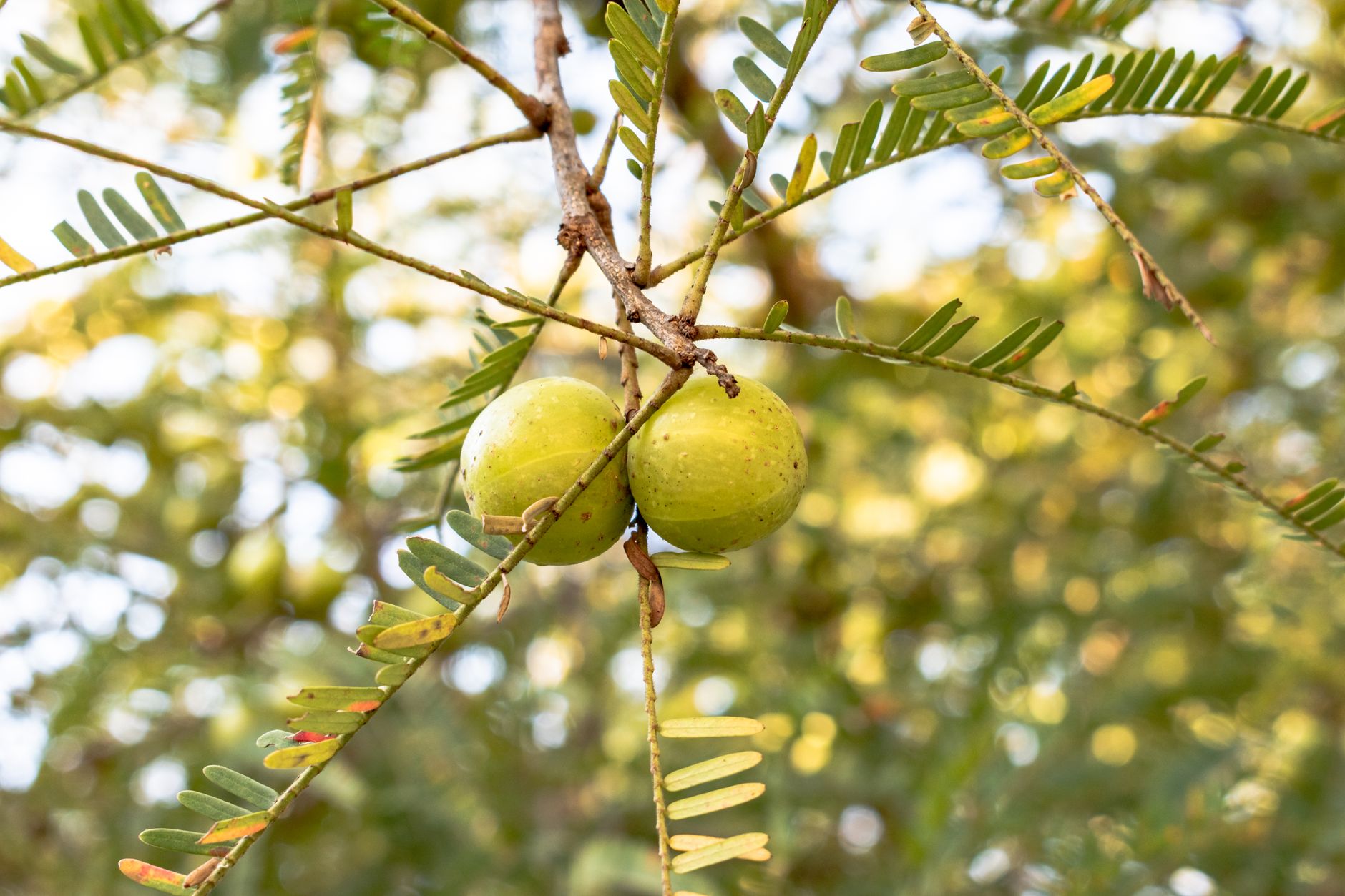
Quenepas nutrition facts point to a modest but useful nutrient mix. The fruit is not a dense vitamin bomb, yet it does provide vitamin C, dietary fiber, potassium, folate, and small amounts of iron and calcium.
| Nutrient | What It Does | Why It Matters Here |
|---|---|---|
| Vitamin C | Supports collagen formation and helps the body handle oxidative stress | Explains part of the immune and skin interest |
| Dietary fiber | Adds bulk and slows the rush of sugar into the bloodstream | Helps with fullness and digestion |
| Potassium | Helps muscles and nerves work normally | Connects the fruit to fluid and electrolyte balance |
| Folate | Supports normal cell growth and DNA activity | Adds another reason the fruit fits a varied diet |
| Antioxidants | Help protect cells from oxidative stress | Support the fruit’s broader nutrition profile |
Serving size changes the picture fast. A small bowl of pulp gives you a light snack, but it is not the same as a banana or a large serving of mango, so the fruit works best as part of a full day of eating.
That smaller portion size is useful, because the next section separates the strongest quenepas health benefits from claims that sound bigger than the evidence.
That mix of promise and uncertainty makes evidence quality the deciding factor before any health narrative hardens.
Eight Benefits That Make Quenepas Worth Eating
The strongest quenepas benefits come from the nutrients you can actually name on a label. Vitamin C, fiber, potassium, folate, and antioxidants explain most of the value, and the fruit works best as a fresh snack rather than a medical fix.
Immune Function Gets A Vitamin C Lift
Vitamin C helps form collagen and supports normal immune cell activity. Quenepas are not a high-dose source, but they still add to your daily intake when you eat them beside other produce like citrus, strawberries, or bell peppers.
Digestion And Fullness Improve With Fiber
Fiber adds bulk to stool and slows digestion, which can make a snack feel more filling. The juicy pulp also gives you a fresh finish, so a small serving can feel satisfying without turning into a heavy dessert.
Check the pulp, not just the flavor. A fruit that feels too dry or shriveled gives less eating pleasure and less hydration, which cuts into the snack value fast.
Hydration Comes From The Juicy Pulp
Fresh fruit always contributes some water, and quenepas are no exception. That juicy texture helps on hot days, especially after a salty meal or a long walk, though plain water still does the main hydration job.
Potassium Helps Muscles And Nerves Work
Potassium supports nerve signaling and muscle contraction, so even a modest amount adds value. Bananas are the classic example, but Spanish lime benefits also include this mineral in a lighter, snack-sized form.
Bone Minerals Add Small But Real Value
Calcium and iron appear in smaller amounts, yet they still matter in a mixed diet. Bone health depends on many foods, not a single fruit, so quenepas act more like a supporting player than a headline source.
Satiety Can Help A Weight-Conscious Routine
Sweet fruit that takes a little effort to eat can slow down snacking. The peel, seed, and small edible portion make it harder to mindlessly overeat, which helps you stay aware of portions without turning fruit into a chore.
Skin Health Gets Indirect Support
Antioxidants and vitamin C matter because skin cells face daily oxidative stress from sunlight, pollution, and normal metabolism. Quenepas for skin is a fair search phrase, but the honest claim is indirect support through diet, not a visible change after one bowl.
A Simple Snack Can Be Easier To Stick With
Food patterns work better when they are easy to repeat. Quenepas fit that idea well, since the fruit is portable, naturally sweet, and low in fat, which makes it a calm choice between meals.
Seen together, those benefits sound solid, but the evidence strength still varies. That next filter matters before you turn a fruit into a health story.
When the strongest evidence is clear, the practical details of handling and eating them fall into place.
What The Evidence Supports Most Clearly
The clearest support sits around digestion, immune support, and snack satisfaction. Those points line up with the fruit’s fiber, vitamin C, water, and antioxidant content, which gives you a clean reason for why the fruit earns a place in a mixed diet.
That same pattern explains why quenepas health benefits sound strongest when you stay close to nutrients instead of stretching into broad wellness claims. Plain food logic comes first, and the research only reinforces that point.
Traditional Use And Nutrient Evidence Are Not The Same
Some claims around tropical fruit lean on tradition, and tradition can point toward a useful food pattern without proving a medical effect. Guidance from sources such as MedlinePlus and Harvard Health follows that same logic by keeping the focus on known nutrients and realistic outcomes.
Do not confuse a useful fruit with a magic one. A bowl of quenepas can fit a healthy day, but it does not replace medical care, diet changes, or a plan for ongoing symptoms.
Blood Pressure Claims Need Careful Framing
Potassium matters for blood pressure because the mineral helps balance sodium in the diet, yet the dose in quenepas is modest. That means the fruit can fit a heart-aware eating pattern, but it cannot carry the job alone.
Sleep claims appear in casual fruit talk, too, but the connection is indirect at best. A lighter evening snack may sit better than a heavy dessert, and that may help your routine, yet the fruit itself is not a sleep aid.
Once you know what the evidence supports, the practical part gets easier: choosing ripe fruit, opening it without mess, and avoiding the mistakes that turn a simple snack into a hassle.
Once safety is handled, the remaining question is how this fruit fits among other tropical options.
How To Choose, Open, And Eat Them Safely
Ripe quenepas feel full, look intact, and give a little under gentle pressure. Wash the skin before handling, since the shell can pick up dust from market bins or home storage.
Choose Fruit With The Right Ripeness
Look for skin that is firm but not rock hard, with a healthy green or yellow-green color depending on variety and stage. A fruit that feels dried out inside the shell usually gives less pulp and a less pleasant chew.
Open The Shell Without Bitten Seed
Squeeze the fruit gently until the shell cracks, then split it with your fingers. The pulp should separate cleanly, and the seed should stay out of the bite path.
- Wash the skin. Rinse the outside before handling to remove dirt and residue.
- Crack the shell. Press until the skin opens without crushing the seed.
- Pull out the pulp. Eat the fleshy coating and discard the seed right away.
- Keep it slow. Young children need close watch because the seed is a choking hazard.
- Watch your count. People tracking carbohydrate intake should treat the fruit as part of the day’s total fruit intake.
Know Who Needs Extra Care
Children, anyone with swallowing trouble, and anyone who tends to gulp fruit pieces too fast need the most caution. A small fruit with a large center can become a choking problem in a hurry, especially at snack time on the move.
That safety piece leads naturally to the last practical question, where quenepas fit beside mangoes, papaya, pineapple, and the rest of the tropical-fruit shelf.
The best way to keep them in rotation is to value flavor and fiber without overstating the medicine.
Where Quenepas Fit In A Healthy Tropical-Fruit Routine
Quenepas are a satisfying fresh snack, not the single healthiest tropical fruit in the case or the best choice for every meal. Mango brings more flesh, guava can bring more vitamin C, and papaya offers a softer texture, so variety beats rank-chasing.
How They Compare With Other Tropical Fruit
| Fruit | Best Known For | Where Quenepas Stand |
|---|---|---|
| Mango | More flesh and stronger sweetness | Quenepas are smaller and more portion-controlled |
| Papaya | Soft texture and easy eating | Quenepas are firmer and more hands-on |
| Pineapple | Brighter acid and juicier bite | Quenepas are milder and less acidic to many tastes |
| Banana | More potassium and denser texture | Quenepas bring a lighter snack with less bulk |
A Real-World Snack Pattern
Picture a small bowl after lunch, a vendor cup on a humid afternoon, or fruit tucked beside cheese and crackers. In each case, the fruit adds flavor, hydration, and a little nutrient variety without taking over the meal.
So the clean way to use quenepas benefits is simple: enjoy them for taste, enjoy the water and fiber they bring, and keep the claims grounded in nutrition rather than cure talk.
Wrap Up
Quenepas work best as a fresh, portion-friendly fruit with real nutritional value and a strong cultural role. You get the most from them when you treat Spanish lime benefits as part of an overall food pattern, not as a promise of change from one snack alone.
FAQ
Do quenepas have any health benefits?
Yes, they can add vitamin C, fiber, potassium, and fluid from the pulp. Those nutrients may help with digestion, snack satisfaction, and daily produce variety, but the fruit is best viewed as part of a balanced diet.
Are quenepas and Spanish lime the same fruit?
In most food settings, yes. Quenepas, Spanish lime, and mamoncillo are common names for the same tropical fruit, while Melicoccus bijugatus is the botanical name used in plant references.
How do you safely eat quenepas?
Wash the skin, crack it gently, suck or pull off the pulp, and discard the seed. Young children and anyone with swallowing trouble need close watch because the seed can be a choking hazard.
What are the nutrition facts for quenepas?
The fruit gives you modest amounts of vitamin C, fiber, potassium, and smaller amounts of iron and calcium. The exact numbers vary with size and ripeness, so serving size matters more than a single fruit label.
Can quenepas help with digestion or blood pressure?
A fiber-rich snack can support comfortable digestion, while potassium helps the body maintain healthy blood pressure balance. Neither point makes the fruit a treatment, but both explain why quenepas benefits interest so many people.
