

No, because chia seeds can still be safe and useful when they are whole, soaked, or ground. The main tradeoff is texture and hydration: dry seeds swell in liquid, while soaked or ground seeds are easier for digestion and nutrient absorption.
This article covers the practical side of chia seed prep, from swallowing them in smoothies to soaking them for pudding, so anyone adjusting breakfast or snacks can choose the safest method.
Key Takeaways
- Whole seeds work when they are mixed into moist foods, not eaten by the spoonful dry.
- Soaked chia turns gel-like and feels softer in yogurt, bowls, and drinks.
- Ground chia often blends more smoothly because the seed coat is already broken.
- Hydration matters more than forceful chewing because chia absorbs liquid and expands.
- Swallowing risk rises for young children, older adults, and anyone with swallowing problems.
- Dry chia works best inside wet recipes, where the seeds can swell before you eat them.
The Short Answer On Chewing Chia Seeds
Chia seeds are tiny, and you do not need to chew them for them to be safe or useful. Whole seeds still deliver fiber and alpha-linolenic acid, and hydrated chia is easier to use in pudding, yogurt, or a smoothie than dry seeds from a spoon.
The real choice is preparation, not jaw strength. Dry chia absorbs liquid quickly and forms a gel, so the same seed feels smooth in one bowl and gritty in another.
That texture shift makes the three common forms easier to compare across everyday meals.
Why Hydration Matters More Than Brute Chewing
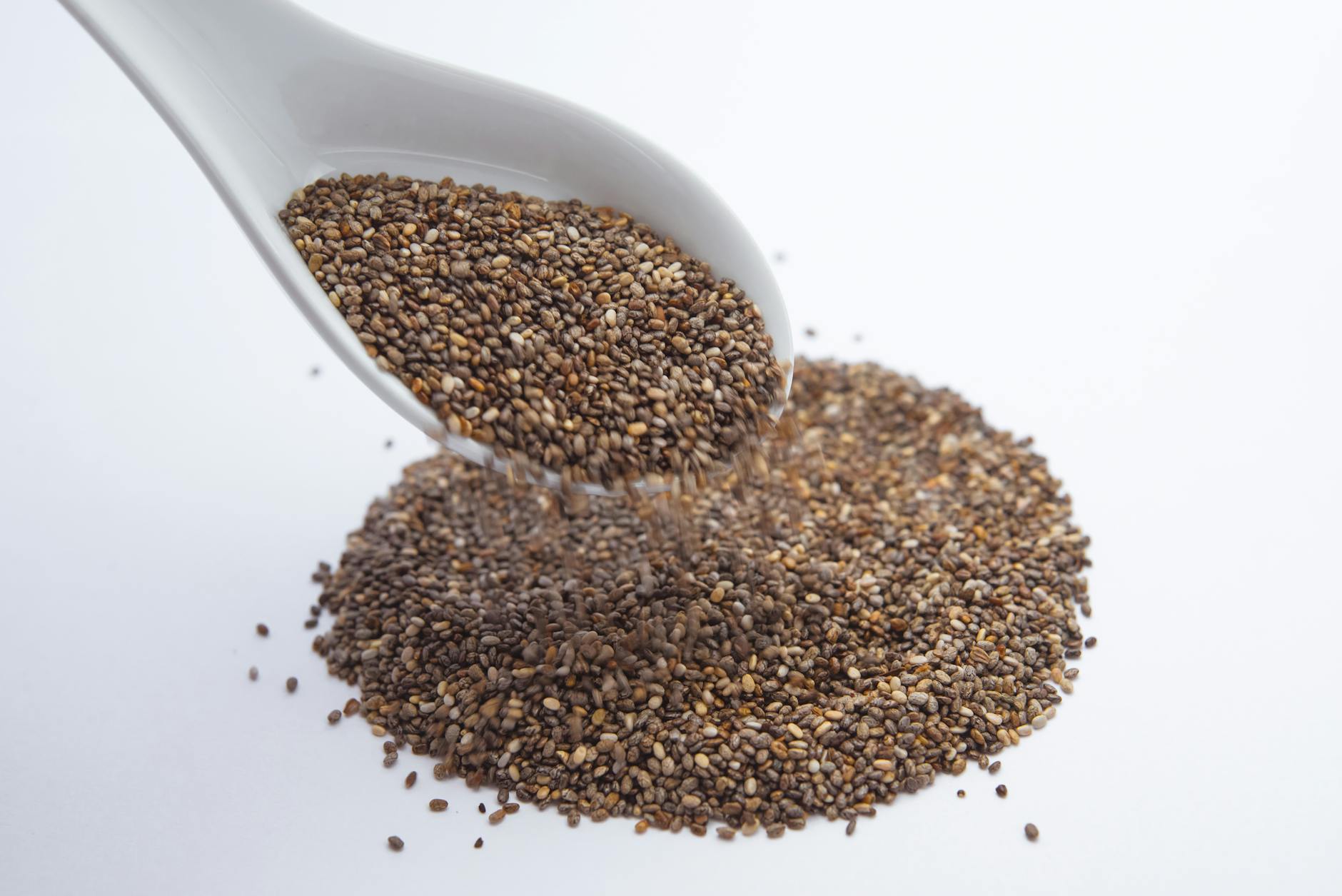
Hydration changes how chia behaves before it ever reaches your stomach. A dry seed can pull in many times its weight in liquid, and that swelling changes both texture and how the seed moves through a meal.
Dry Seeds Change Shape Fast
Dry chia acts like a sponge. Each seed draws in moisture, and that expansion is why dry spoonfuls can feel sticky or heavy before you finish swallowing them.
That gel layer is why soaked chia feels soft in pudding and thick in juice, while dry chia can feel dusty and clingy. Chewing helps break the outer coat, but hydration changes the whole mouthfeel in a bigger way.
Gel Texture Helps Daily Use
Chia gel makes the seed easier to mix into foods that already hold moisture, such as yogurt, overnight oats, or a fruit smoothie. The seed still stays intact in many cases, yet the surface softens enough that the mixture is less sharp and less chalky.
Nutrient absorption matters here, since a broken seed coat may release some fat more readily than a seed that stays whole. Even so, whole chia still adds fiber and omega-3 fatty acids, so chewing helps without being the only useful path.
Hydrating chia before eating is the safer default for most kitchen uses. It lowers the chance of a dry, uncomfortable mouthful and gives you a more predictable texture.
One Small Kitchen Scene Says A Lot
A spoon of dry chia poured into plain yogurt behaves differently from the same spoon left in the cup for 15 minutes. The second bowl thickens, the seeds soften, and the texture turns uniform instead of gritty.
That shift explains why home cooks often stop worrying about perfect chewing once the seeds are hydrated. Once the water is in place, the seed surface has already started to change for you.
This texture change leads straight into the main forms you can buy and how each one fits a different meal.
From there, the real concern becomes which situations make dry chia less forgiving.
Whole, Soaked, And Ground Chia Side By Side
Each form has a different feel in the mouth and a different job in the kitchen. The best choice depends on whether you want convenience, smoother digestion, or a soft texture in food that already has moisture.
| Form | What It Feels Like | Best Use | Main Drawback |
|---|---|---|---|
| Whole chia | Tiny seeds with a mild crunch unless hydrated | Sprinkling into oatmeal, cereal, or baked food | Leaves more work to your digestive system |
| Soaked chia | Thick, gel-like, soft, and spoonable | Pudding, yogurt, fruit bowls, drinks | Needs time and liquid before use |
| Ground chia | Smoother, less grainy, easier to blend | Smoothies, batters, sauces, softer recipes | Loses the seed look and can taste more earthy |
Whole chia is convenient and still nutritious, but it may ask more of your digestion. Soaked chia is the easiest starting point for most people because the texture is soft and the preparation is simple.
Ground chia sits in the middle for many kitchens. A blender or grinder breaks the coat, so the result often feels easier to digest and easier to blend into a smooth drink or batter.
Which Form Fits Which Goal
For a breakfast bowl, soaked chia is the cleanest fit because it thickens without taking over the dish. For a smoothie, ground chia disappears better and keeps the texture even. For cereal, whole seeds can work, but they blend best with milk or another moist base.
This is where do chia seeds need to be chewed becomes practical. The answer changes less than the recipe around them, and that detail matters more than perfect chewing.
A little moisture goes a long way toward making chia easier to handle at the table.
Dry Chia Seeds And The Cases That Call For Caution
Dry seeds by the spoonful can be awkward in the mouth and throat because they swell after contact with fluid. That shift can make a dry serving feel sticky or heavy before you finish swallowing it.
Who Should Handle Dry Seeds Carefully
- Young children may struggle with texture and swallowing control.
- Older adults can have slower swallow reflexes or dry mouth.
- People with swallowing difficulties should avoid dry spoonfuls.
- Anyone with a dry throat may find the seeds uncomfortable.
- Large dry portions raise discomfort more than a small amount mixed into food.
Chewing alone does not remove the swallowing issue, because the seed still meets fluid and expands. A hydrated version is the safer default for most home use, especially in kitchens serving mixed ages.
That concern is one reason a plain spoonful is a poor habit, while a gelled bowl is far more forgiving. The next section turns that idea into a kitchen routine you can use without overthinking it.
A dry spoonful is the least forgiving way to eat chia. Mix the seeds with fluid or soft food before they reach your mouth, and the texture changes in your favor.
That same preparation also explains why chewing alters digestion once the outer shell starts to give way.
Simple Ways To Use Chia Without Overthinking It
The easiest routine starts with fluid and a little patience. Chia thickens as it sits, and a small amount of mixing time gives the seeds a softer texture before they reach your spoon.
Mixing Methods That Work
- Soak in liquid Combine chia with water, milk, or juice and stir once or twice while it thickens.
- Wait for gel Give the mixture time until the seeds turn soft and the liquid feels thicker.
- Stir into soft foods Add hydrated chia to yogurt, overnight oats, or applesauce for easier eating.
- Blend for smoothness Use ground or soaked chia in smoothies and sauces for a less grainy finish.
- Fold into wet recipes Mix dry chia into batters or moist cereals so the seeds are not eaten alone.
A practical soak starts with enough liquid to let the seeds move freely, not clump into a dry lump at the bottom. A common home pattern is a few spoonfuls of chia in a cup or more of fluid, then a rest until the mixture thickens.
Soaked chia seeds are easier to eat than dry ones, and that texture shift matters more than chewing style for most meals. The same logic helps in cereals, fruit cups, and even salad toppings, where the seeds should ride on moisture rather than stand alone.
Meal Ideas That Fit Real Life
Yogurt is a strong match because the moisture supports the seeds and the thick base keeps them from drifting. Overnight oats work well for the same reason, and a smoothie gives you the smoothest result when you want almost no grit.
Salads can take chia too, but the seeds work better on a dressing-coated base than on dry greens. In cereal, the safest pattern is a milky bowl rather than a dry sprinkle that sits by itself.
That practical setup also connects to what chewing changes inside your body, especially once the seed coat starts to break down.
Texture and soaking time both shape the outcome, along with whether the seeds are whole, blended, or already gelled.
What Chewing Actually Changes In The Body
Chewing breaks the seed coat, and that matters because the outer layer slows access to the inner oil and fiber. A cracked seed exposes more surface area, so digestive fluids can reach it sooner.
Bioavailability Has Limits
Chia seeds contain alpha-linolenic acid, a plant omega-3 fat, plus fiber that forms a gel with water. The body does not need every seed to be smashed open for any benefit at all, but broken or ground chia may give enzymes and fluids a better chance to reach the inside.
That is a bioavailability issue, not a miracle switch. The seed coat is a small shell, and your digestive system is good at handling many whole seeds, yet grinding can still make the process easier in a smoothie or soft mash.
Digestion Changes With Texture
Fibrous foods slow stomach emptying in many meals, and chia is no exception. That slower pace can change fullness after eating, which is one reason chia shows up in breakfast bowls and mixed drinks.
Satiety is a real reason people use chia, but the feeling depends a lot on water, recipe form, and portion size. Dry seeds alone do not give the same result as a thick pudding or a blended drink.
Portion size matters too, but the feel improves when the seeds soften before you eat them.
How To Choose The Right Chia Form For Your Routine
The best choice comes down to what happens at your table, not a perfect rule. A hydrated seed is kinder to texture, a ground seed blends easier, and a whole seed adds convenience when it is already inside a moist dish.
- Choose soaked chia for spoonable breakfasts, snacks, and easier swallowing.
- Choose ground chia for smoothies, batters, and smoother textures.
- Choose whole chia for moist foods where the seeds are not eaten dry.
- Skip dry spoonfuls unless they are mixed into plenty of fluid or soft food.
That rule keeps the decision simple: moisture first, chewing second. Once the seeds are hydrated, chewing becomes helpful rather than mandatory, and that is a much more comfortable setup for daily use.
In practice, that means you can eat them whole, but you get a smoother experience when the seeds have already soaked or been ground before they reach your mouth.
Because serving size stays consistent, safe preparation becomes the bigger question at mealtime.
How Much Chia To Eat Per Day
A modest portion is easier on digestion than a large one, especially if chia is new in your routine. Start with 1 tablespoon, then move toward 2 tablespoons if your stomach handles the fiber well and you are drinking enough fluid.
That gradual approach matters because fiber and hydration work together. A sudden jump can leave you bloated or uncomfortable, while a slower increase gives your body time to adjust.
How To Build Up Your Portion
- Start small Use 1 tablespoon in yogurt, oats, or a smoothie for a few days.
- Add liquid Pair the serving with water, milk, or another moist base.
- Watch your gut Notice bloating, cramping, or unusual fullness after the meal.
- Increase slowly Move up only if your digestion stays comfortable.
- Stay consistent Keep the serving size steady so your body can adapt.
That amount is usually enough to test your tolerance without overloading a meal. Since chia is rich in fiber, a gradual increase is safer than a large first serving, especially if you do not usually eat high-fiber foods.
Once your portion size is steady, the next decision is how to prepare it safely day to day. That is where soaking time and liquid amount matter most.
The same principle applies in another form when the seed coat has already been broken down.
How To Eat Chia Seeds Safely In Everyday Meals
Safe use is mostly about keeping chia moist and mixed. When the seeds are already hydrated or built into a wet recipe, they are easier to swallow and less likely to surprise you with a dry texture.
Practical Safety Rules
- Mix first Stir chia into liquid or soft food before eating.
- Give it time Let the seeds thicken instead of eating them right away.
- Avoid dry spoonfuls Do not swallow a pile of dry seeds on their own.
- Use enough fluid Keep the mixture loose enough to stir freely.
- Choose moist recipes Add chia to yogurt, oats, sauces, or smoothies.
Those steps reduce discomfort without making the food fussy. A soaked or blended serving gives you the same everyday convenience with less throat irritation and a better chance of comfortable digestion.
Soaked chia seeds are easier to eat than dry chia seeds, and that is the simplest rule to remember. If you want the smoothest texture, ground chia offers another option because the coat is already broken.
That simple habit turns chia from a tricky dry seed into an easy, comfortable addition to meals.
What To Remember
Chia seeds do not need perfect chewing to be eaten safely, but dry seeds deserve respect. Hydration changes the texture, softens the surface, and makes the seeds easier to work into meals without discomfort.
Final Thoughts
You get the safest result by treating chia as a moisture-first food. Whole seeds can still fit your routine, but soaked or ground chia usually gives you better texture, easier swallowing, and fewer surprises at the table.
FAQ
Do you have to chew chia seeds for them to work?
No, chewing is not required for chia seeds to work in your diet. Whole seeds can still add fiber and omega-3 fatty acids, and soaking or blending can make them easier to use in meals.
What happens if you swallow chia seeds whole?
Dry spoonfuls of chia seeds can feel uncomfortable because they absorb fluid and swell after you swallow them whole. Mixing them into liquid or soft food gives a safer, easier texture.
Are soaked chia seeds better than dry chia seeds?
After a few minutes in water, chia seeds soften and form a gel that is often easier to eat. That can improve texture and comfort, while dry chia asks more of your digestion and hydration.
Do ground chia seeds provide better nutrient absorption?
Ground chia may make some nutrients easier to access because the seed coat is already broken. Even so, whole chia still provides fiber and omega-3 fats, so the best choice depends on your meal and your texture goals.
How should chia seeds be eaten for digestion and safety?
Mix chia into water, milk, yogurt, oats, or another moist food before you eat it. That approach is the easiest way to eat chia seeds safely because it reduces dryness, improves texture, and makes swallowing simpler.
Can eating dry chia seeds cause problems if they expand with liquid?
Yes, dry chia can become uncomfortable because it absorbs fluid and expands after you swallow it. A dry spoonful is the least forgiving way to eat chia, especially if you do not have enough liquid nearby.
