

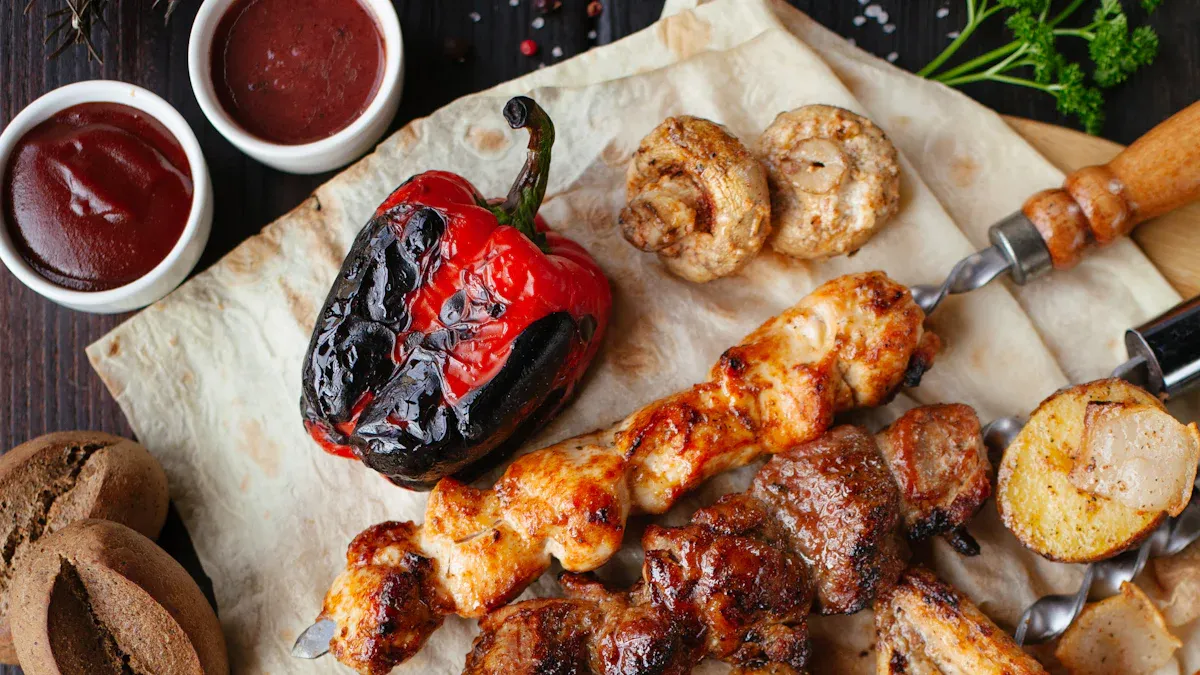
You probably hear a lot about meat-some say it’s great for your nutrition, while others warn about health risks. People all over the world include meat in their meals. In fact, surveys show that around 86% of people in 21 countries eat meat regularly.
Here’s what studies highlight:
Red meat gives you important nutrients, especially if you’re a child or a woman who needs extra iron.
Meat’s protein helps you feel full and supports your muscles as you get older.
Eating too much, especially processed meat, might raise your risk for chronic diseases.
Nutritional Benefits | Health Risks |
|---|---|
Essential micronutrients like iron, zinc, and vitamin B12 | Linked with diseases, mostly when processed |
Great for kids and pregnant women | Higher risks with processed meat |
Easy-to-absorb protein | Possible disease associations, but not proven |
So, what’s the real role of meat in a healthy diet? You’ll find there are both upsides and downsides.
Key Takeaways
Meat provides essential nutrients like protein, iron, and vitamin B12, which support muscle health and overall well-being.
Moderation is key; limit red and processed meat to reduce the risk of chronic diseases like heart disease and cancer.
Incorporate a variety of foods; mix meat with plant-based proteins, fruits, and vegetables for a balanced diet.
Choose lean cuts of meat and avoid processed options to maximize health benefits and minimize risks.
Stay informed about portion sizes; aim for 23 to 33 ounces of meat weekly, focusing on quality over quantity.
Meat and Health
Health Overview
You might wonder what makes meat such a hot topic in the world of nutrition and health. People talk about meat because it gives your body important nutrients, but it can also raise concerns about disease. You can digest both meat and plants, but some nutrients are found mostly in animal foods. For example, vitamin B12 helps your nervous system and red blood cells, and you can’t get it from plants. Meat also gives you creatine, vitamin D3, and omega-3 fatty acids, which are harder to find in plant foods.
Major health organizations agree that meat is packed with nutrition. They also warn you to watch out for eating too much red meat or processed meat. These types of meat can increase your risk for cancer and heart disease. The International Agency for Research on Cancer says red meat is “probably carcinogenic,” while processed meats are “known carcinogens.” That means eating a lot of bacon, sausage, or deli meats can raise your chances of getting certain cancers.
Tip: If you want to get the benefits of meat, try to eat it in moderation and mix it with other foods like vegetables and grains.
Meat is not just about risks. It helps prevent undernutrition, especially in children and women who need more iron and zinc. Studies show that adding meat to your diet can improve growth, brain development, and overall health in kids. Here’s a quick look at what research says:
Study | Findings |
|---|---|
Bhutta et al., 2013 | Animal foods help improve nutrition in children. |
Adesogan et al., 2020 | Meat supports better cognitive development. |
Obbagy et al., 2019 | Meat boosts iron and zinc levels in infants. |
Neumann et al., 2007; Hulett et al., 2014 | Meat improves behavior and physical health in kids. |
Stevens et al., 2022 | Meat can help fix iron and zinc deficiencies. |
Beal and Ortenzi, 2022 | Cutting meat may lower nutrient levels in rich countries. |
Benefits vs. Risks
Let’s break down what you get from eating meat and what you need to watch out for.
Benefits:
Meat gives you high-quality protein. Your muscles, bones, and organs need protein to grow and stay strong.
You get key nutrients like iron, zinc, and vitamin B12, which help your body work well.
Meat helps you feel full, so you might eat less and manage your weight better.
For kids and pregnant women, meat can prevent nutrient deficiencies and support healthy growth.
Risks:
Eating a lot of red meat or processed meat can raise your risk for disease. Heart disease, cancer, and diabetes are linked to high meat intake.
Studies show that people who eat more red meat have a higher chance of getting cardiovascular disease and diabetes. For example, eating more processed meat can increase your risk by up to 26%.
The International Agency for Research on Cancer says processed meats are linked to a higher risk of colorectal cancer.
Diets high in red and processed meat can also lead to obesity and earlier death.
Note: Diets rich in vegetables, fruits, whole grains, and beans can lower your risk of disease and help you stay healthy.
Meat consumption trends are changing. In places like the UK, people are eating less meat, especially red meat. This shift helps lower health risks and supports better nutrition. Some groups recommend cutting meat by 20% or more to improve health and protect the environment.
You might notice that meat intake varies by age, gender, and income. Men eat more meat than women, and younger adults eat more than older people. Kids need more meat as they grow, but adults often eat less, especially poultry. People with higher education tend to make healthier food choices and read labels more often.
Demographic Factor | Observation |
|---|---|
Age | Men aged 20–49 eat the most meat. |
Gender | Men eat more meat than women. |
Socioeconomic Status | Rich households keep eating meat during tough times. |
Education Level | More education means healthier choices. |
Urban vs. Rural | City dwellers eat more western foods and have higher obesity rates. |
Meat production also affects the environment. Raising animals for meat uses more resources than growing plants. High-income countries eat twice as much meat as recommended, which can harm both health and the planet. If you swap some meat for plant-based foods, you can improve your health and help the environment.
Callout: Eating meat gives you important nutrition, but too much-especially red meat and processed meat-can raise your risk for disease. Try to balance your meals with plenty of plant foods for better health.
Meat Nutrition
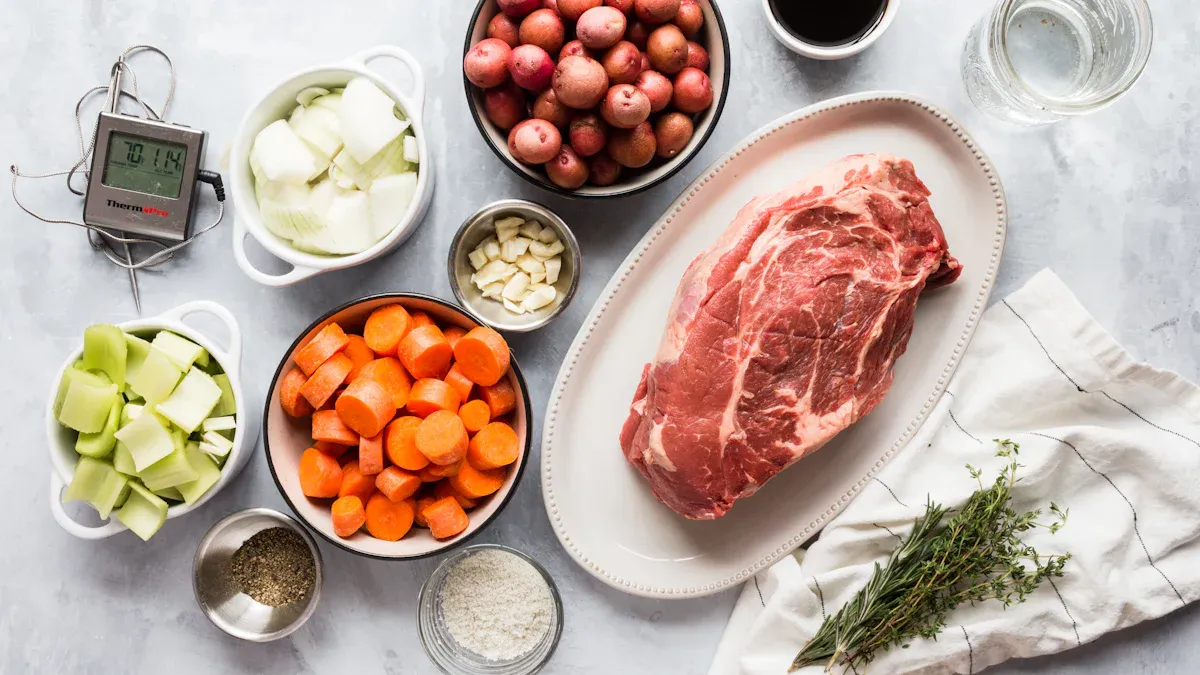
Protein and Amino Acids
When you think about what makes meat special, protein stands out. Meat gives you a lot of protein, which your body uses to build muscles, repair tissues, and keep you strong. Different types of meat have different amounts of protein. Here’s a quick look:
Meat Type | Protein Content (per 100 g) |
|---|---|
Grilled chicken breast | 32 g |
Grilled beef | 21.7 g |
Grilled pork | 35.6 g |
You get all the essential nutrients your body needs from meat protein. Animal proteins are complete, which means they have all the essential amino acids. These amino acids help your body grow and stay healthy. Most plant proteins are missing some of these important building blocks, so you might need to eat a mix of plants to get them all. Studies show that animal protein helps you gain more lean mass compared to plant protein.
Animal proteins are high quality and contain all essential amino acids.
Many plant proteins are incomplete, but eating a variety can help fill the gaps.
Vitamins and Minerals
Meat is packed with essential nutrients that support your health. You find iron, zinc, and magnesium in beef, pork, and poultry. Fish gives you vitamin E. Red meat and poultry are great sources of B vitamins, like B12, niacin, and B6. These nutrients help your body make energy, keep your blood healthy, and support your brain.
Nutrient | Source |
|---|---|
Protein | Red meat, poultry, fish |
Iron | Beef, veal, pork |
Zinc | Beef, veal, pork |
Magnesium | Various meats |
Vitamin E | Fish |
B Vitamins | Red meat, poultry |
Vitamin B12 | Lean meat |
Niacin | Lean meat |
Vitamin B6 | Lean meat |
Nutrient Absorption
Your body absorbs nutrients from meat very well. Iron and zinc from beef and other meats are easier for your body to use than those from plants. Even if a plant-based burger has as much iron as a beef burger, your body can’t use it as easily. Some plant foods have antinutrients that block iron and zinc absorption. Only a few plant-based foods, like mycoprotein burgers, come close to meat for zinc absorption.
Note: Meat gives you essential nutrients in forms your body can use quickly, which helps prevent chronic nutrient shortages and supports your overall health.
Meat Benefits
Muscle and Growth
What happens when you add lean red meat to your meals? You give your body a boost in muscle growth and maintenance. Clinical studies show that eating lean red meat with progressive resistance training helps you build muscle and stay strong, especially as you get older. You get high-quality protein from lean red meat, which supports muscle protein synthesis. When you eat a moderate serving of beef, you help your muscles repair and grow. This is one of the positive health effects you can expect from including lean red meat in your diet. You also support your overall nutrition and health by choosing lean red meat for muscle health.
If you want to keep your muscles healthy, lean red meat offers a reliable source of protein and essential nutrients.
Satiety and Weight
What role does meat play in helping you feel full and manage your weight? You get more satiety from protein-rich foods like lean red meat. Studies compare how meat-based and vegetarian high-protein diets affect appetite and weight in obese men. Here’s what researchers found:
Aspect | Details |
|---|---|
Study Focus | Comparison of appetite response to meat-based vs vegetarian high-protein diets in obese men. |
Participants | 20 obese men (BMI: 34.8) |
Diet Duration | 2 weeks with a crossover design between diets. |
Diet Composition | Both diets comprised 30% protein, 30% fat, and 40% carbohydrate. |
Measurements | Body weight, motivation to eat, and plasma satiety biomarkers were monitored. |
Key Findings | Different protein sources may have varying effects on appetite control and satiety biomarkers. |
You notice that lean red meat helps you feel satisfied after meals. This can lead to positive health effects like better appetite control and easier weight management. You get more nutrition and protein, which helps you avoid overeating.
Vitality
What positive health effects do you get from regular meat consumption? You experience greater energy and vitality. Lean red meat gives you high-quality protein and bioavailable iron, which help you stay active and motivated. You also support muscle health and fight age-related muscle loss. Here’s a look at how meat impacts your energy and overall health:
Evidence | Description |
|---|---|
Protein Intake | Higher protein diets with increased meat consumption are linked to greater satisfaction and motivation, which can enhance energy levels. |
Satiety | Protein has a higher satiety index than carbohydrates or fats, leading to better appetite control and potentially reduced food consumption. |
Muscle Health | Ingesting high-quality protein and bioavailable iron from red meat helps combat sarcopenia in aging adults, promoting muscle mass and strength. |
Resistance Training | Combining resistance training with lean red meat consumption improves lean body mass and muscle strength in elderly individuals. |
You get positive health effects from lean red meat, including improved energy, better appetite control, and stronger muscles. You support your nutrition and health by choosing lean red meat as part of your regular meals.
Meat Health Risks
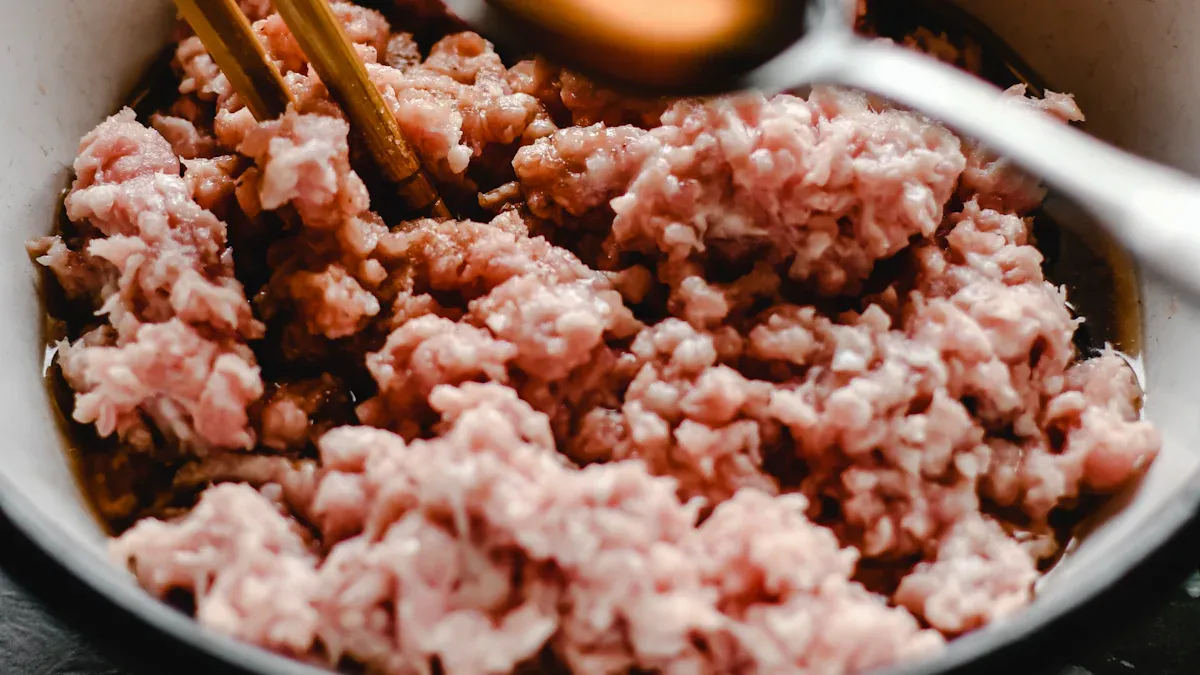
Red Meat
You might wonder what happens when you eat red meat often. Red meat includes beef, pork, and lamb. Many studies show that red meat can raise your risks for several health problems. When you look at red meat consumption, you see links to heart disease, cancer, and diabetes. Eating more red meat increases your risk of dying early. If you add just half a serving of red meat to your daily meals, your risk of death goes up by 13%. Red meat intake also connects to higher risks for type 2 diabetes and colorectal cancer.
Study | Findings |
|---|---|
Health Risks Associated with Meat Consumption | Long-term red meat consumption, especially processed meat, is linked to higher risks of total mortality, cardiovascular disease, colorectal cancer, and type 2 diabetes. |
Increasing red meat consumption linked with higher risk of premature death | More red meat means higher risks of type 2 diabetes, heart disease, certain cancers, and early death. |
Meat consumption and risk of 25 common conditions | Eating more red meat and processed meat raises risks for many health conditions, especially if you have a higher BMI. |
You see that red meat can be part of your diet, but eating too much brings health risks. If you want to lower your risk, try to limit red meat intake and choose lean cuts.
Processed Meat
Processed meat includes foods like bacon, sausage, hot dogs, and deli meats. What makes processed meat risky? These meats go through curing, smoking, or adding chemicals. Eating processed meat raises your risks for many diseases. The International Agency for Research on Cancer says processed meat is a Group 1 carcinogen. That means it causes cancer, especially colorectal cancer. Red meat is a Group 2A carcinogen, which means it probably causes cancer.
Classification | Details |
|---|---|
Group 1 Carcinogen | Processed meats classified as carcinogenic for colorectal cancer by IARC. |
Group 2A Carcinogen | Red meat classified as probably carcinogenic based on epidemiological evidence. |
You face higher risks for cancer, heart disease, and diabetes when you eat processed meat often. Here are some health concerns linked to processed meat:
Colorectal cancer: Carcinogens in processed meats damage DNA.
Prostate cancer: Eating 50 grams daily raises risk.
Pancreatic cancer: Linked to processed meat.
Breast cancer: 20 grams daily raises risk by 21%.
Non-Hodgkin’s lymphoma, bladder cancer, mouth cancer: All linked to processed meat.
Type 2 diabetes: High consumption increases risk.
Cardiovascular disease: Associated with processed meat.
High blood pressure and chronic obstructive pulmonary disease (COPD): Linked to processed meat.
Bowel and stomach cancer: Increased risk from processed meat.
You should know that processed meat intake is one of the strongest risk factors for these diseases. If you want to lower your risks, try to eat less processed meat and pick fresh options.
Disease Links
What is the connection between meat and disease? You see that both red meat and processed meat link to higher risks for chronic diseases. Eating more unprocessed red meat raises your total mortality risk by 13% per serving per day. Processed red meat increases this risk by 20% per serving per day. For heart disease, the risk goes up by 18% with unprocessed red meat and 21% with processed meat. Cancer mortality risk rises by 10% for unprocessed and 16% for processed red meat.
If you swap red meat for healthier proteins, you can lower your risk by 7% to 19%. The relative risk of colon cancer is higher with processed meat. You see that diet and disease are closely linked. When you eat less red meat and processed meat, you help protect your health. Diet and disease go hand in hand, so making smart choices matters.
Tip: You can lower your risks by eating more fish, poultry, beans, and plant-based foods instead of red meat and processed meat.
Meat in Your Diet
How Much to Eat
You might wonder what amount of meat fits into a healthy diet. Most dietary guidelines suggest you eat about 23 to 33 ounces of meat each week if you are an adult. This includes all types of meat, poultry, and eggs. Seafood should be part of your meals too, with about 8 to 10 ounces per week. If you want to focus on cardiovascular health, limit red meat to three portions weekly, or about 12 to 18 ounces cooked. Processed meat should be a rare treat. Different cultures have their own habits, but many people now try to eat less meat for better health and environmental reasons.
Region | Meat Portion Size (g) | Fish Portion Size (g) | Pulses Portion Size (g) |
|---|---|---|---|
Europe | 27.5 – 135 | 27.5 – 200 | N/A |
Near East | 30 | N/A | N/A |
North America | 46 | 28 | N/A |
Latin America | 80 | 38 | N/A |
Tip: You can keep your cardiovascular health strong by sticking to recommended meat portions and mixing in seafood.
Healthier Choices
What types of meat should you pick for a nutrient dense food? You get the best results by choosing lean cuts from well-raised animals. Boneless, skinless chicken breast and turkey breast are low in fat and high in protein. Dark meat gives you extra nutrients, but you should eat it in moderation. If you want high-quality protein, look for cuts labeled “loin” or “round.” Unprocessed meats are better for your cardiovascular health. Season your meat yourself to avoid extra sodium and preservatives. You can also check for the American Heart Association heart-check mark when shopping.
Pick lean cuts like chicken breast, turkey breast, or lean ham.
Choose fresh deli meats over prepackaged options.
Look for low-sodium cold cuts.
Try alternative proteins for sandwiches, such as eggs, beans, or nut butters.
Read labels for words like nitrate, nitrite, cured, or salted.
Note: You support your cardiovascular health and get more nutrient dense food by choosing lean, fresh, and less processed meat.
Balanced Diet
What helps you balance meat with other foods for optimal health? You can mix plant-based proteins with meat for a more balanced diet. Try using less ground beef in chili and add more beans. Whole grains like quinoa give you extra protein. Add fruits and vegetables to every meal for more vitamins and minerals. Many experts suggest a flexitarian approach, where you reduce meat and increase plant-based foods. Some guidelines recommend a 1:1 ratio of animal to plant protein for better cardiovascular health and overall nutrition.
Recommendation | Description |
|---|---|
Increase Plant Protein | Get most protein from plant sources for a balanced diet. |
Flexitarian Approach | Eat less meat and more plant-based proteins. |
1:1 Ratio | Balance animal and plant proteins for optimal cardiovascular health. |
Go for the grain: Pick whole grains for more protein.
Go halfsies: Mix meat with beans or lentils.
Add fruits and vegetables: Fill half your plate with colorful produce.
Callout: You can build a high protein diet that supports cardiovascular health by combining lean meat, plant proteins, and plenty of vegetables.
You’ve learned what makes meat a valuable source of protein and key nutrients. Experts say moderate portions support your health, but eating lots of red or processed meat can raise disease risk.
Organization | Weekly Meat Recommendation |
|---|---|
U.S. Health Dept. | 26 oz |
Health Canada | Limit red and processed |
World Cancer Fund | 3 portions |
Choose lean, unprocessed options.
Mix in plant-based foods.
Listen to your body and reflect on your food choices.
Mindful eating helps you enjoy meals and make smart decisions for long-term well-being.
FAQ
What is the healthiest type of meat to eat?
You get the most nutrition from lean meats like chicken breast, turkey, or fish. These options have less fat and fewer calories. If you want to boost your health, pick fresh cuts and avoid processed meats.
What happens if you eat too much red or processed meat?
You raise your risk for heart disease, cancer, and diabetes. Studies show that eating lots of red or processed meat can lead to health problems. Try to limit these meats and choose healthier options.
What nutrients do you get from meat?
You get protein, iron, zinc, and vitamin B12 from meat. These nutrients help your muscles, blood, and brain work well. Meat gives you nutrients that your body absorbs easily.
What are good ways to balance meat in your diet?
You can mix meat with beans, lentils, or whole grains. Fill half your plate with vegetables and fruits. If you want a balanced meal, choose lean meats and add plant-based foods.