


If you want to discover a unique herb with notable health benefits, you should learn about anise hyssop. You can find anise hyssop in gardens and kitchens. The plant’s scientific name is Agastache foeniculum. Anise hyssop has purple flowers and a strong scent. You will notice a sweet and spicy anise flavor when you taste it. The leaves and flowers often appear in herbal teas, salads, jams, and jellies. Many people use anise hyssop for its health benefits and cooking.
Scientific Name | Flavor Profile |
|---|---|
Agastache foeniculum | Sweet-yet-spicy anise/licorice flavor, highly aromatic and edible. |
Key Takeaways
Anise hyssop is a versatile herb with a sweet, spicy flavor. Use it in teas, salads, and desserts for added taste and nutrition.
This herb offers health benefits like respiratory support and digestive relief. Brew anise hyssop tea to soothe coughs and stomach discomfort.
Anise hyssop contains antioxidants that help protect your body from damage. Include it in your diet to support your immune system.
Growing anise hyssop in your garden attracts pollinators like bees and butterflies, promoting a healthy ecosystem.
Always consult a healthcare provider before using anise hyssop, especially if you have health conditions or are pregnant.
What is Anise Hyssop?

Botanical Overview
You can recognize anise hyssop by its upright stems and fragrant leaves. When you touch the foliage, you notice a strong anise scent, similar to licorice. The plant belongs to the mint family, but it stands out because of its unique aroma and flower spikes. These spikes grow between 3 and 6 inches long and display small purple flowers in dense clusters. If you look closely, you see that the flowers form whorls along the stem. This arrangement helps you tell anise hyssop apart from other types of hyssop and mint.
Anise hyssop grows best in prairies and dry upland forests. You often find it in the upper Midwest and Great Plains. The plant thrives in fields and plains from northern Colorado to Wisconsin. In Canada, it grows from Ontario to British Columbia. Anise hyssop is hardy in zones 3 to 8, so you can plant it in many gardens across North America.
Tip: If you want to grow anise hyssop, choose a sunny spot with well-drained soil. The plant does not need much water and can handle dry conditions.
Traditional Uses
Native Americans valued anise hyssop for its healing properties. You can use the leaves and flowers to make tea that helps with colds, coughs, and chest congestion. Many people drink hyssop tea to soothe upset stomachs and aid digestion. Some traditions use anise hyssop as a topical remedy for wounds and infections because of its antimicrobial effects.
You can brew anise hyssop tea for respiratory relief.
You may use hyssop leaves to calm digestive discomfort.
You can apply anise hyssop preparations to minor cuts.
Anise hyssop remains popular in herbal medicine and home remedies. You find it in teas, tinctures, and even culinary dishes. The sweet anise flavor makes it a favorite for both health and taste.
Nutrition Profile
Nutrients
You may wonder what nutrients you get from anise hyssop. This herb offers a unique nutrition profile that supports your health. When you eat 100 grams of anise hyssop, you consume only 44 calories. You also get a low amount of total fats, just 0.73 grams. The protein content reaches 3.29 grams, which helps your body build and repair tissues. Anise hyssop contains 1.61 grams of net carbs, so it fits well into low-carb diets. You also benefit from 6.8 grams of dietary fiber, which supports healthy digestion and keeps you feeling full.
Nutrient Name | Amount per 100g |
|---|---|
Calories | 44.0kcal |
Total fats | 0.73g |
Protein | 3.29g |
Net Carbs | 1.61g |
Fiber, total dietary | 6.8g |

You can add anise hyssop to your meals for extra nutrition. The leaves and flowers give you vitamins and minerals, though most people use smaller amounts in recipes. Hyssop stands out because it combines a sweet anise flavor with a healthy nutrient profile. You may find that anise hyssop fits well in salads, teas, and baked goods.
Antioxidants
Anise hyssop contains essential oils that provide strong antioxidant properties. These antioxidants help protect your cells from damage caused by free radicals. Recent studies show that hyssop offers compounds that support your body’s defense against disease. When you drink anise hyssop tea or use the leaves in cooking, you add these helpful antioxidants to your diet. The sweet anise scent comes from the same oils that give you these health benefits. You may notice that hyssop has a long history in herbal medicine because of its antioxidant content.
Note: You can enjoy the benefits of anise hyssop by using it in small amounts. The herb’s antioxidants work best when you include it as part of a balanced diet.
Health Benefits
Respiratory Support
You may find anise hyssop to be a game-changer for your health when you need cough and respiratory relief. The plant’s active compounds work together to support your respiratory system. You can see how volatile oils, flavonoids, tannins, and rosmarinic acid help you breathe easier. These compounds provide expectorant, antimicrobial, and carminative effects. You may notice relief from congestion and chest discomfort when you use anise hyssop in herbal remedies.
Active Compound | Benefits |
|---|---|
Volatile Oils | Contributes to expectorant, antimicrobial, and carminative effects. |
Flavonoids | Reduces inflammation and protects against oxidative stress. |
Tannins | Provides antimicrobial and anti-inflammatory properties. |
Rosmarinic Acid | Offers anti-inflammatory and antioxidant effects. |
You can use anise hyssop tea or tincture for cough and respiratory relief. Many people rely on traditional herbal medicine for relief from colds and chest congestion. You may also find that a poultice made from the leaves brings relief to your chest during respiratory infections. Some remedies combine anise hyssop with licorice for extra relief. You can experience relief from chest pains caused by coughing. The Cheyenne used hot infusions for relief during fevers and sweat lodges.
Digestive Aid
You may turn to anise hyssop when you need digestive relief. The herb has a long history in traditional herbal medicine for digestive complaints. You can use anise hyssop tea, tincture, or poultice to address stomach pain, gas, and bloating. Many remedies in Traditional Chinese Medicine use anise hyssop to transform dampness and relieve stagnation in your digestive system. You may find relief from nausea and discomfort with these remedies.
Hyssop has been traditionally used to address various digestive issues, such as stomach pain and intestinal gas.
Preliminary evidence suggests that components in hyssop may reduce carbohydrate absorption in the digestive tract, although this claim lacks strong support.
Animal studies indicate that hyssop might be effective in treating gastric and peptic ulcers.
You can use remedies like Huo Xiang Zheng Qi San for relief from gastrointestinal discomfort. You may notice that a tincture or poultice brings relief to your digestive system. Some people use anise hyssop in herbal uses for relief from stress-related digestive problems. You can find relief from bloating and gas with these remedies.
Tip: You can brew anise hyssop tea for gentle digestive relief. Many people use a tincture for stronger relief when stress affects their digestive system.
Immune System
You may want to support your immune system with anise hyssop. The plant’s phytochemicals help your body fight off illness. You can see how monoterpenes, phenylpropenes, and sesquiterpenes work together to provide antioxidant, antimicrobial, and anti-inflammatory effects. These compounds help your immune system respond to stress and infection.
Phytochemical Group | Compounds Identified | Associated Properties |
|---|---|---|
Monoterpenes | Sylvestrene, 1-octen-3-ol acetate | Antioxidant activity |
Phenylpropenes | Methyl chavicol, Eugenol, Methyl isoeugenol | Antimicrobial, anti-inflammatory |
Sesquiterpenes | β-caryophyllene, Spathulenol, Caryophyllene oxide | Antioxidant, cytotoxic activity |
Recent research shows that hyssop extract can enhance the expression of endosomal TLR genes in your immune system. You may notice increased release of INF-α and β, which help your body fight viruses. The extract also decreases inflammatory cytokines, which brings relief to your system during stress. You can use a tincture or poultice for immune support. Many people rely on herbal remedies for relief from stress and illness.
Findings | Details |
|---|---|
TLR Activation | Hyssop extract enhances expression of endosomal TLR genes (TLR 3, 7, 8, 9) and their signaling pathways. |
Cytokine Production | Increased release of INF-α and β, crucial for antiviral responses, while inflammatory cytokines decreased. |
Cell Viability | Extract inhibited cell viability by over 50% compared to control, indicating a strong effect on cellular function. |
Anti-Inflammatory Effects
You may find relief from inflammation with anise hyssop. The plant’s essential oils and phenolic glycosides help your system recover from stress and injury. You can use a tincture or poultice for relief from minor wounds, cuts, and skin irritations. Many remedies rely on hyssop’s anti-inflammatory properties for relief.
Evidence Description | Effect Observed |
|---|---|
Phenolic glycoside 116 from H. cuspidatus | Reduced NO production and inhibited TNF-α, IL-6, and IL-1β |
Essential oil of H. cuspidatus | Inhibited TNF-α, IL-1β, IL-6, and PGE2 production, significantly reduced MDA and NO levels |
Extract of H. officinalis | Demonstrated high anti-inflammatory effects against Xylene-induced ear edema at various doses |
You can use a tincture or poultice for relief from stress-related inflammation. Many people use anise hyssop in aromatherapy for relief from stress and tension. You may notice that hyssop brings relief to your system when you need natural remedies for inflammation.
Anise hyssop has antimicrobial and anti-inflammatory properties, making it effective for treating minor wounds, cuts, and skin irritations.
Other Anise Hyssop Benefits
You may discover more anise hyssop benefits when you explore traditional and modern remedies. The plant’s essential oil provides antiviral relief against Herpes simplex I and II. You can use a poultice for burns and a salve for wounds. Many remedies use anise hyssop for relief from poison ivy itching. The Iroquois used a wash for relief from skin irritation. You may find relief from stress with anise hyssop incense in aromatherapy. The plant’s mood-lifting qualities bring relief from stress and tension.
Anise hyssop has been traditionally used to relieve congestion as an expectorant.
It can help with chest pains from coughing and treat respiratory infections when mixed with licorice.
A hot infusion can induce sweating, useful for fevers, and was used in sweat lodges by the Cheyenne.
Clinical research indicates its essential oil has antiviral properties against Herpes simplex I and II.
It can be applied as a poultice for burns and as a salve for wounds.
The Iroquois used it in a wash to relieve poison ivy itching.
It is believed to have mood-lifting qualities and was used in incense for its anti-depressant effects.
You can use anise hyssop in aromatherapy for relief from stress. Many people rely on tincture, poultice, and herbal remedies for relief from stress and tension. You may find that anise hyssop brings relief to your system in many ways. The plant’s potential health benefits make it a valuable part of natural remedies and traditional herbal medicine.
Note: You can use anise hyssop in tincture, poultice, or aromatherapy for relief from stress, digestive discomfort, and respiratory issues. Many remedies offer relief for your system and support your health.
Anise Hyssop Tea & Uses
Brewing Anise Hyssop Tea
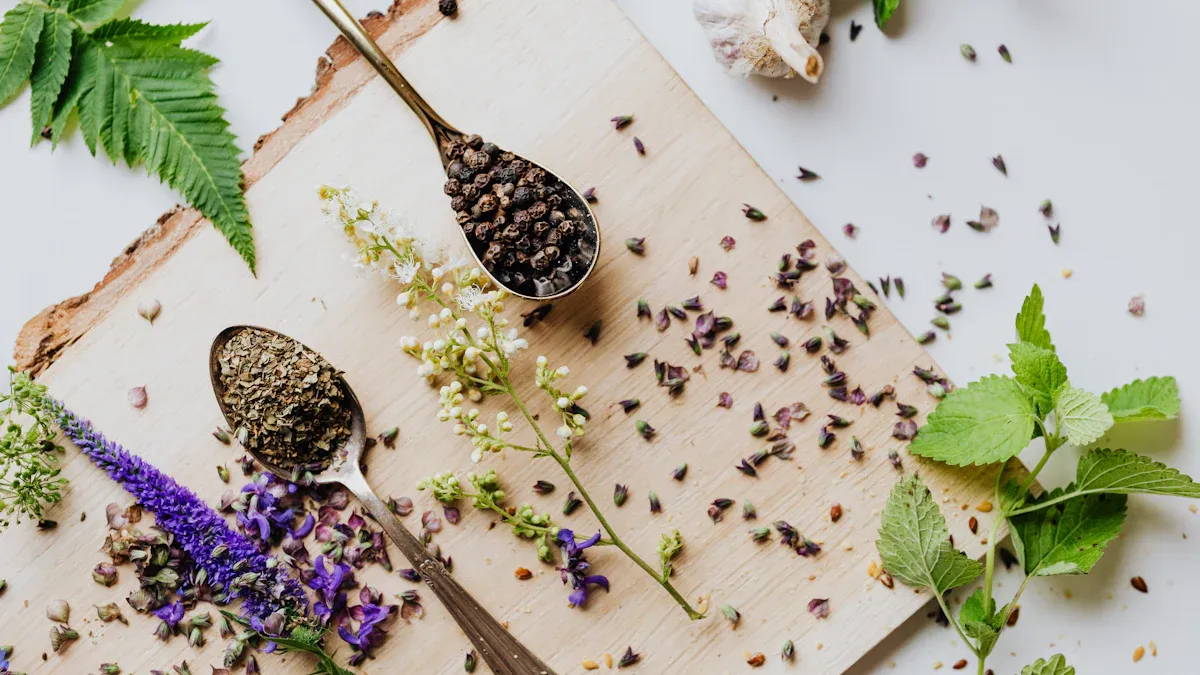
You can enjoy anise hyssop tea by steeping fresh or dried leaves and flowers in hot water. The process of brewing anise hyssop tea is simple. Place one to two teaspoons of the herbal leaves in a cup. Pour boiling water over the leaves. Let the tea steep for five to ten minutes. Strain the leaves before drinking. You will notice a sweet anise flavor with hints of mint and licorice. Many people drink this herbal tea for its soothing effects. The dried leaves contain strong antioxidant properties. The essential oil in the tea may help fight viruses, including Herpes Virus Simplex 2. If you want a richer taste, you can blend anise hyssop with lemon, honey, or chamomile.
Tip: Always use clean, pesticide-free leaves when making herbal tea. Start with small amounts to check for allergies.
Culinary Uses
You can add anise hyssop to many dishes. The herbal leaves and flowers enhance both sweet and savory recipes. You may pair anise hyssop with fruits in jams and jellies. The herbal flavor works well in desserts like sorbets and baked goods. You can muddle the leaves into cocktails or infuse them in syrups for unique drinks. Many cooks use anise hyssop in salads to balance rich flavors. The herbal taste also complements proteins such as poultry and fish. You may sprinkle fresh leaves on top of cooked dishes. Popular pairings include lemon, honey, lavender, pear, cucumber, apple, berries, and mint.
Food Pairings | Example Uses |
|---|---|
Lemon, honey | Herbal tea, syrups |
Berries, apple | Jams, jellies, desserts |
Poultry, fish | Marinades, toppers |
Mint, chamomile | Infused in tea blends |
Medicinal Applications
You may find many uses of hyssop in herbal medicine. People have used anise hyssop as a poultice for wounds and sores. The herbal plant is popular in aromatherapy and potpourri. You can find anise hyssop in perfumes and essential oil blends. The herbal oil may help with stress relief and mood support. Some people use the herbal leaves in salves for skin irritation. You may notice the herbal scent brings a calming effect.
Note: Always consult a healthcare provider before using herbal remedies for medical purposes.
Pollinator Attraction
You can grow anise hyssop in your garden to attract pollinators. The herbal plant draws bees, butterflies, and hummingbirds. Honey bees, bumble bees, mining bees, leaf cutter bees, and sweat bees visit the flowers. The long bloom period and rich nectar support biodiversity and food supply. You may notice more pollinators in your garden when you plant anise hyssop. This herbal plant helps maintain a healthy ecosystem.
Bees and butterflies visit the flowers for nectar.
Hummingbirds enjoy the bright blooms.
Anise hyssop supports local wildlife and plant diversity.
Safety & Precautions
Side Effects
You may wonder what side effects can occur when you use anise hyssop. Most people tolerate this herb well when they use it in small amounts. Some people may notice mild stomach upset or allergic reactions. You might see skin irritation if you apply hyssop oil directly to your skin. Drinking large amounts of anise hyssop tea can sometimes cause headaches or dizziness. Always watch for any unusual symptoms when you try new herbal uses. If you feel unwell, stop using the herb and talk to a healthcare provider.
Note: Essential oils from anise hyssop are much stronger than the dried leaves or flowers. You should never ingest essential oils without medical advice.
Usage Guidelines
You can use anise hyssop safely by following a few simple steps. Start with small amounts in teas or recipes. This helps you see how your body reacts. Wash the leaves and flowers before you use them in food or drinks. If you want to try hyssop oil, always dilute it with a carrier oil before you put it on your skin. Never use more than the recommended amount. You can add anise hyssop to your diet for its immune support and flavor. Many people enjoy its uses in teas, salads, and desserts. If you have a health condition or take medicine, ask your doctor before you add new herbs to your routine.
Use fresh or dried leaves for tea and food.
Dilute essential oils before skin use.
Store dried anise hyssop in a cool, dry place.
Who Should Avoid
Some people should avoid anise hyssop because of health risks. You need to know what groups face higher risks with this herb.
People with epilepsy should avoid anise hyssop. Certain herbs and supplements can raise the risk of seizures.
Hyssop essential oil is not safe for people with seizure disorders.
Children, pregnant women, and breastfeeding mothers should not use anise hyssop without medical advice.
If you have allergies to plants in the mint family, you may react to anise hyssop.
You can protect your immune health by using herbs wisely. Always check with a healthcare provider if you have questions about new uses or possible risks.
You can discover many benefits when you add anise hyssop to your daily routine. This herb offers:
Rich antioxidants that support your immune system and reduce inflammation.
Calming effects for anxiety and respiratory issues, especially in teas.
Sweet anise flavor for versatile uses in food and drinks.
Support for pollinators, helping the environment.
Recommendation | Details |
|---|---|
Use during pregnancy | UNSAFE; may cause uterine contractions or menstruation, leading to miscarriage. |
Use during breast-feeding | Unknown safety; advisable to avoid use. |
Use in children | UNSAFE; convulsions reported in children using hyssop oil. |
History of seizures | Avoid use; may trigger or worsen seizures. |
Dosage | Varies based on age and health; consult healthcare professionals before use. |
You should explore anise hyssop and its uses with care. Always ask a healthcare professional before you try new hyssop remedies. Safe, moderate use helps you enjoy the benefits of anise and its many uses.
FAQ
What is anise hyssop used for?
You can use anise hyssop in teas, salads, and desserts. Many people rely on it for respiratory support and digestive relief. Gardeners plant it to attract pollinators and add color to their landscape.
What makes anise hyssop different from other hyssop plants?
Anise hyssop has a sweet anise flavor and purple flower spikes. You will notice its scent is stronger than other hyssop varieties. The plant belongs to the mint family and stands out for its culinary and medicinal uses.
What are the main health benefits of anise hyssop?
You may find anise hyssop supports your immune system and reduces inflammation. The herb helps with coughs and digestive discomfort. Many people use it for its calming effects and antioxidant properties.
What are safe ways to use anise hyssop?
You can brew anise hyssop tea or add fresh leaves to recipes. Always wash the leaves before eating. Avoid using essential oil without advice. Start with small amounts to check for allergies.
What does anise hyssop taste like?
You will notice a sweet, spicy flavor similar to anise or licorice. The taste works well in both sweet and savory dishes. Many people enjoy its unique aroma in teas and desserts.