

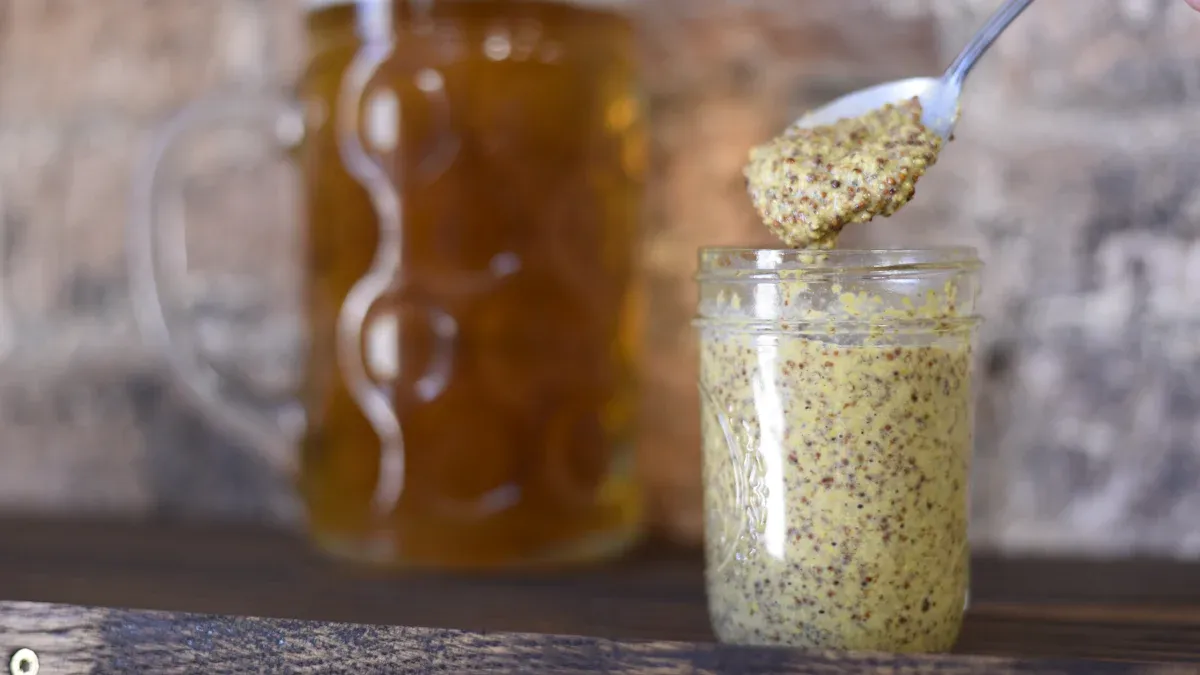
You can find wild mustard in fields, gardens, and even along roadsides. This wild plant offers impressive nutrition and low calories. When you choose mustard, you get vitamin A, vitamin C, vitamin K, calcium, and iron. Many home cooks and health-conscious eaters now use wild mustard in meals. The market for mustard products has grown to USD 1.23 billion in 2024, showing a strong demand for wild options.
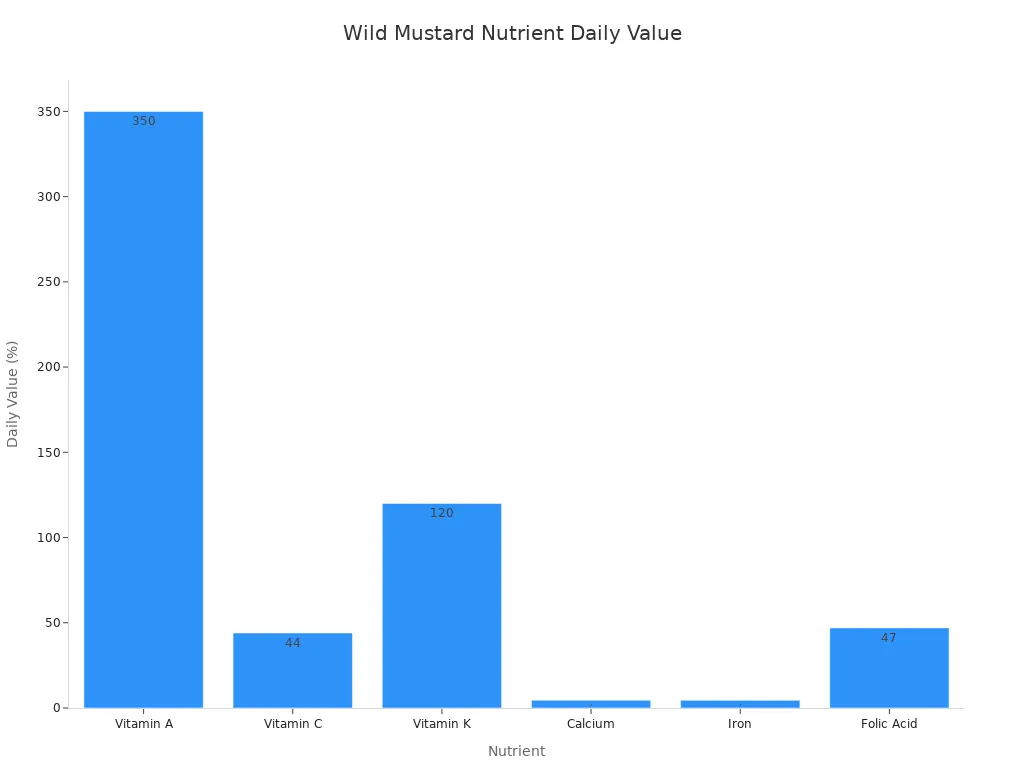
Wild mustard supports your immune system and helps prevent iron-deficiency anemia. You can enjoy Health Benefits by adding wild mustard to your diet.
Key Takeaways
Wild mustard is a nutrient-rich plant, providing vitamins A, C, K, calcium, and iron. Adding it to your diet boosts your overall nutrition.
Incorporate wild mustard into meals to support heart health. Its omega-3 fatty acids and antioxidants help reduce inflammation and lower heart disease risk.
Wild mustard strengthens your immune system. Its compounds block inflammation and provide antioxidant benefits, helping your body fight off illnesses.
Enjoy wild mustard in various dishes. Use it in salads, stir-fries, or as a seasoning to enhance flavor while keeping calories low.
Always identify wild mustard correctly before consuming. Familiarize yourself with its features to avoid toxic lookalikes and ensure safe foraging.
Wild Mustard Overview
Identification
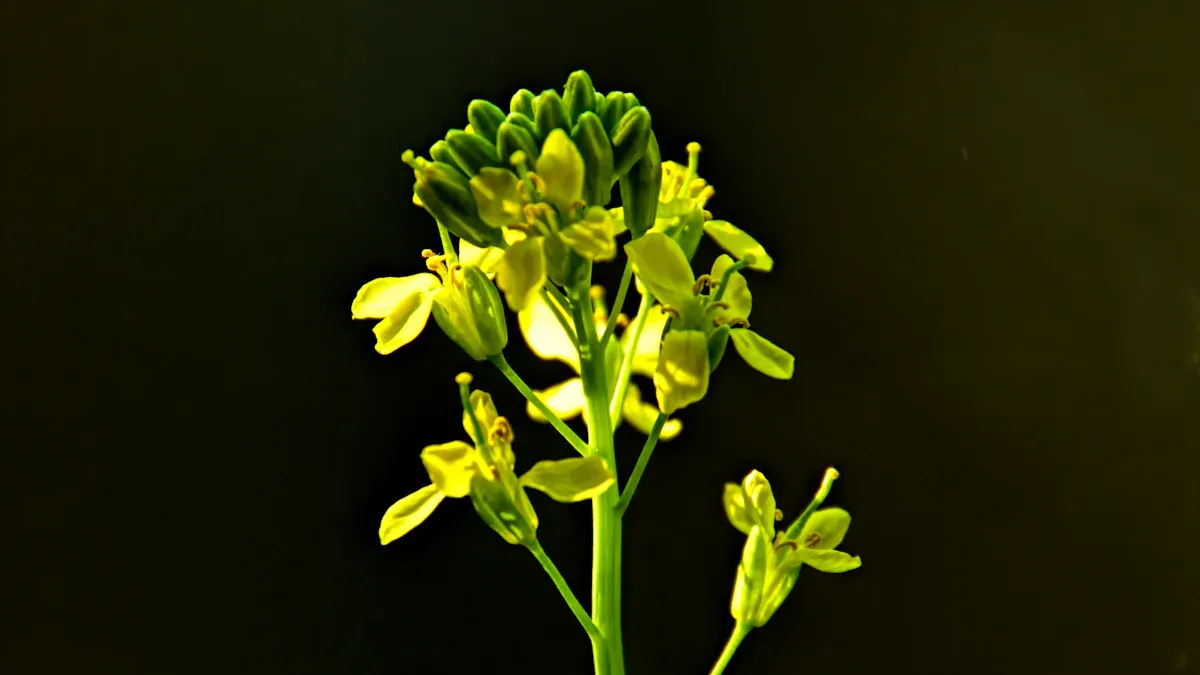
You can spot the wild mustard plant by looking for several key features. The flowers have four petals and six stamens, which is a classic sign of the mustard family. The petals and stamens form an “X” or “H” shape. Seedlings show broad, kidney-shaped cotyledons with a deep notch at the tip. The first true leaves appear bright green on top and paler underneath. As the wild mustard grows, you see dense clusters of yellow flowers. The fruits look like small pods, about half to three-quarters of an inch long, each tipped with a slender beak. The seeds are tiny, almost round or elliptical, and range from two-fifths to one-tenth of an inch in diameter.
Tip: When you walk through fields or gardens, look for these features to help you identify wild mustard among other wild plants.
Varieties
Wild mustard comes in several varieties, each with unique traits and uses. You can compare them in the table below:
Variety | Identification Features | Culinary Use |
|---|---|---|
Wild Mustard | Upright stems, yellow flowers, long narrow pods, kidney-shaped cotyledons | Common in grains and forage crops |
Wild Radish | Deeply lobed leaves, paler yellow flowers, jointed seed pods | Used in salads and as a condiment |
Black Mustard | Tall plant, short pods, dark brown or black seeds | Popular in European condiments |
Brown Mustard | Shorter, upright branches, retains seeds when ripe | Used in specialty mustards like Dijon |
White Mustard | Short, deeply lobed leaves, light yellow seeds | Major market in North America for condiments |
You find wild mustard most often in fields and along roadsides. Wild radish and black mustard also grow in similar wild areas, but their flowers and seeds look different.
History
Wild mustard has a long history in human culture. Ancient texts from 3000 BCE mention mustard as a food and medicine. Hippocrates used mustard packs to treat lung illnesses and relieve congestion. In Nepal, people use mustard oil to massage infants for warmth and skin protection. Ancient Egyptians and healers from China to North Africa valued mustard for its medicinal properties. Romans used mustard as both a condiment and a healing ointment. Over thousands of years, herbalists and doctors recognized wild mustard for its importance in traditional diets and medicine.
Wild Mustard Nutrition
Vitamins & Minerals
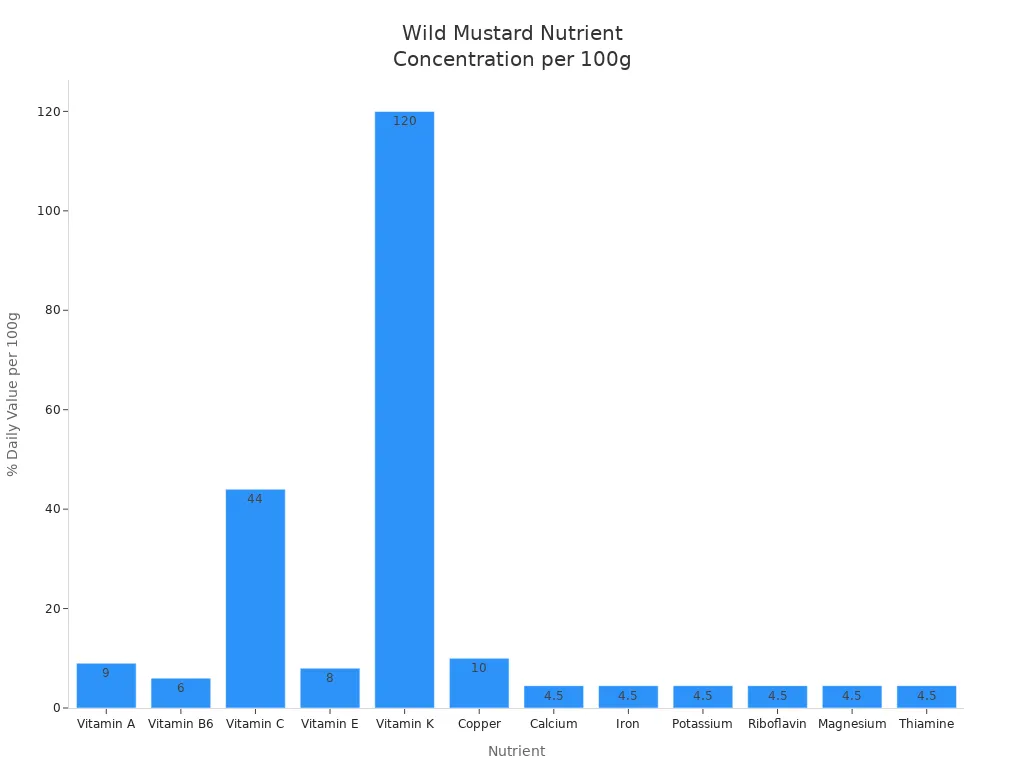
Wild mustard gives you a rich supply of vitamins and minerals. You find vitamin A, vitamin B6, vitamin C, vitamin E, and vitamin K in every serving. These nutrients help your body stay healthy and strong. Vitamin K stands out with a very high concentration, supporting blood clotting and bone health. Vitamin C boosts your immune system and helps your body absorb iron. You also get copper, calcium, iron, potassium, riboflavin, magnesium, thiamine, zinc, selenium, phosphorus, niacin, and folate. These minerals help your muscles, nerves, and bones work well.
Nutrient | Average Concentration per 100g |
|---|---|
Vitamin A | 9% of the Daily Value (DV) |
Vitamin B6 | 6% of the DV |
Vitamin C | 44% of the DV |
Vitamin E | 8% of the DV |
Vitamin K | 120% of the DV |
Copper | 10% of the DV |
Calcium | 4-5% of the DV |
Iron | 4-5% of the DV |
Potassium | 4-5% of the DV |
Riboflavin | 4-5% of the DV |
Magnesium | 4-5% of the DV |
Thiamine | 4-5% of the DV |
Zinc | Small amounts |
Selenium | Small amounts |
Phosphorus | Small amounts |
Niacin | Small amounts |
Folate | Small amounts |
You can compare wild mustard leaves to other leafy greens. Kale has more vitamin K, but wild mustard leaves offer more vitamin E. Spinach gives you more magnesium, iron, and zinc, but wild mustard leaves provide a higher amount of vitamin C and vitamin K than collard greens.
Leafy Green | Vitamin A RAE | Vitamin K | Vitamin C |
|---|---|---|---|
Mustard greens | 618 mcg | 592.7 mcg | 25.3 mg |
Collard greens | 380 mcg | 406.6 mcg | 18.2 mg |
Tip: Eating wild mustard leaves helps you add variety to your diet and boosts your intake of key vitamins and minerals.
Fiber & Macronutrients
Wild mustard contains dietary fiber that supports your digestion and helps you feel full. You get 2 grams of fiber in every 100 grams, which is about 8% of your daily requirement. Fiber helps your body manage blood sugar and cholesterol levels.
Nutrient | Amount per 100g | Contribution to Daily Requirement |
|---|---|---|
Dietary Fiber | 2g | 8% of 25-38g (based on 2000 calorie diet) |
Wild mustard also provides important macronutrients. You get 3.7 grams of protein, 3.3 grams of fat, and 5.8 grams of carbohydrates per 100 grams. These values make wild mustard a low-calorie, nutrient-dense food. The protein helps build and repair tissues. The healthy fats support cell function. The carbohydrates give you energy.
Nutrient | Value |
|---|---|
Protein | 3.7g |
Fats | 3.3g |
Carbs | 5.8g |
Note: Wild mustard seed nutrition facts show that seeds have much higher calorie counts than leaves. You should check nutrition facts before adding seeds to your meals.
Serving Size
You can enjoy wild mustard in different forms. The recommended serving size for wild mustard leaves is about 100 grams. This serving gives you only a small number of calories, making it a great choice for healthy eating. Mustard seed nutrition facts show that seeds contain more calories than leaves. For example, 100 grams of brown mustard seed gives you 530 calories, while yellow mustard seed gives you 490 calories.
Mustard Type | Serving Size | Calories |
|---|---|---|
Brown Mustard Seed | 100g | 530 |
Oriental Mustard Seed | 100g | 540 |
Yellow Mustard Seed | 100g | 490 |
Wild mustard leaves give you fewer calories and more vitamins than seeds. You can use wild mustard leaves in salads, soups, and stir-fries for a nutritious boost.
Callout: Wild mustard nutrition makes it easy to add flavor and health benefits to your meals without adding extra calories.
Wild Mustard Health Benefits
Antioxidants
You find powerful antioxidants in wild mustard. These compounds help your body fight damage from free radicals. The main antioxidant compounds include p-coumaric, rosmarinic, cinnamic, and chrysin. The table below shows their measured levels in wild mustard sprouts:
Antioxidant Compound | IC50 (mg GAE/ml) at 5 days | Total Antioxidant Activity (units) at 5 days |
|---|---|---|
p-coumaric | 0.12 | 2.4 |
Rosmarinic | 0.24 | 2.6 |
Cinnamic | 0.18 | 2.5 |
Chrysin | 0.14 | 3.2 |
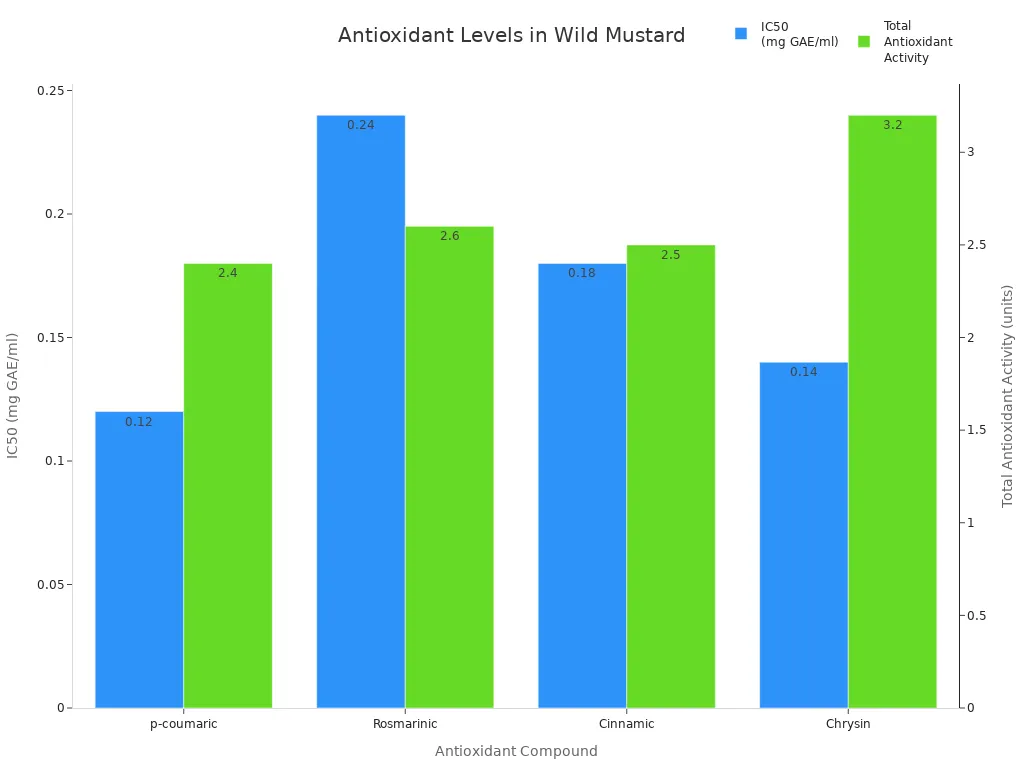
You also get hydroxybenzoic acid, ferulic acid, and sinapic acid in wild mustard. These disease-fighting antioxidants protect your cells and tissues. The antioxidant activity increases during germination. IC50 values drop from 0.056 mg GAE/ml in seeds to 0.016 mg GAE/ml in 5-day sprouts. This means wild mustard sprouts have stronger antioxidant capacity.
Studies show that Indian mustard protects biomolecules against oxidation. Mustard leaf extracts reduce lipid peroxidation, especially under diabetic oxidative stress. Gallic acid-rich extracts from mustard seed meal also show free radical scavenging potential. You benefit from these antioxidants when you eat wild mustard leaves or seeds.
Heart Health
Wild mustard supports heart health in many ways. Mustard oil contains omega-3 fatty acids. These healthy fats help lower inflammation and protect your heart. You also get calcium, iron, potassium, and vitamin C from mustard seeds and greens. These nutrients help regulate blood pressure and keep your heart strong.
Mustard seeds have glucosinolates and omega-3 fatty acids. These compounds lower inflammation and reduce the risk of heart disease. You can add wild mustard to your meals to boost your heart health. The nutrients in wild mustard help your heart work better and may lower your risk of heart problems.
Tip: Eating wild mustard greens and seeds gives your heart extra support from vitamins, minerals, and healthy fats.
Immunity
You can strengthen your immune system with wild mustard. Sinapic acid blocks pro-inflammatory factors like TNF-α and IL-1β by stopping NF-κB activity. Phenolic compounds and flavonoids such as quercetin and kaempferol provide antioxidant and anti-inflammatory effects. Sinapine, which builds up in Brassica juncea, adds to the health benefits of mustard.
Nutrient/Phytochemical | Effect on Immune System Support | Source |
|---|---|---|
Sinapic acid | Blocks pro-inflammatory factors (e.g., TNF-α, IL-1β) by inhibiting NF-κB activity | Xian et al. |
Phenolic compounds | Exhibits antioxidant capacity and anti-inflammatory effects | Kim et al. |
Flavonoids (e.g., quercetin, kaempferol) | Contributes to antioxidant and anti-inflammatory activities | 42 |
Sinapine | Accumulates in B. juncea, contributing to overall health benefits | 44 |
Research shows that Brassica nigra has immune-boosting properties. Most studies use animal models, but results suggest anti-inflammatory effects. Sinigrin in Brassica nigra helps reduce inflammation, which may improve immune responses. You can enjoy these health benefits of mustard by adding wild mustard to your diet.
Disease Prevention
Wild mustard helps prevent chronic diseases. The phytonutrients in mustard greens act as antioxidants. They protect your cells from damage linked to arthritis and osteoporosis. Vitamin K in mustard greens supports bone health and may lower your risk of osteoporosis and fractures.
You also get health benefits for anemia. Wild mustard contains iron and vitamin C, which help your body absorb iron and make red blood cells. This can help prevent iron-deficiency anemia.
Wild mustard shows anticancer effects. Brassica nigra extract reduces the survival of lung cancer cells. It increases caspase-3 activity, which causes cancer cells to die. Treatment leads to DNA double-strand breaks and stops cancer cells from dividing. The extract also lowers the ability of cancer cells to move and invade other tissues.
Mechanism | Description |
|---|---|
Antiproliferative Effect | B. nigra extract reduced the viability and clonogenic survival of lung cancer cells in a concentration-dependent manner. |
Induction of Apoptosis | Increased caspase-3 activity indicates that B. nigra extract induces cellular apoptosis. |
DNA Damage | Treatment led to DNA double-strand breaks, evidenced by upregulation of specific proteins. |
Cell Cycle Arrest | Significant arrest of cancer cells at S and G2/M phases was observed. |
Migration and Invasion Suppression | Downregulation of MMP2, MMP9, and Snail, and upregulation of E-cadherin were noted, indicating reduced migratory and invasive properties. |
You can also support lung health with wild mustard. The anticancer effects and antimicrobial properties help protect your lungs from damage and disease. Mustard contains compounds that fight harmful microbes and reduce inflammation.
Callout: Wild mustard health benefits include antioxidant, antimicrobial, and anticancer effects. You can protect your heart, bones, immune system, and lungs by adding wild mustard to your meals.
Wild Mustard Edibility & Uses

Safe Harvesting
When you forage for wild mustard, you need to know what to look for. Clusters of green buds in a flourette, which resemble small broccoli, help you identify wild mustard. Always confirm the plant before harvesting. Toxic lookalikes can grow nearby, so familiarize yourself with them. Engage all your senses-smell and taste can help with identification. Use multiple field guides or consult experts if you feel unsure. Taste only a small amount of a new wild edible and wait 24 hours to check for reactions. Harvest mindfully and take only what you need. Tend the wilds by spreading seeds and supporting at-risk species. Balance foraging for wild mustard with conservation efforts to protect plant populations.
Preparation
You can gather mustard greens in early spring for the best flavor. Boil the greens in cold water for at least 30 minutes, then drain. Season with bacon drippings and serve with a vinegary pepper sauce to mask bitterness. For wild mustard buds, boil in salted water for about 3 minutes, drain, and season with butter and vinegar. Steam or boil greens for a few minutes to keep nutrients. Substitute cooked greens for spinach in recipes. Serve with olive oil and lemon for extra flavor. If you want to know how to prepare mustard greens, these steps help you maximize nutrition and taste.
Technique | Benefits |
|---|---|
Pickling | Enhances flavor and digestibility |
Use of seeds | Adds sharp, tangy bite and antimicrobial properties |
Use of leaves | Provides mild, horseradish-like heat to dishes |
Cooking Methods
You can cook wild mustard greens in several ways. Boiling gives a tangy flavor but may cause nutrient loss if cooked too long. Stir-frying keeps more myrosinase activity and preserves nutrients. Microwave cooking leads to the most nutrient loss. Stir-frying is the best choice for nutrition and flavor.
Cooking Method | Nutrient Retention | Notes |
|---|---|---|
Boiling | Moderate loss | Tangy flavor, up to 30 minutes |
Stir-frying | High retention | Quick, best for nutrients |
Microwave | Low retention | Up to 99% nutrient loss |
Recipe Ideas
You can use wild mustard leaves in salads and sandwiches as a lettuce substitute. Simmer older leaves like spinach to soften their texture. Make homemade mustard by mixing ground wild mustard seeds with water and vinegar. Stir-fry wild mustard flowers or buds for extra flavor in sauces. Grate wild mustard roots for a horseradish-like sauce.
Cautions
Wild mustard edibility depends on your sensitivity. Sin a 1 and Bra j 1 are the main allergens in mustard seeds. These proteins resist heat and digestion, increasing allergy risk. Symptoms can include abdominal pain, hives, wheezing, or anaphylaxis. People with asthma may have a higher risk of severe reactions. Avoid cold-pressed canola oils, which may contain mustard protein. If you have a mustard allergy, consider an epinephrine prescription. Mustard oil is not recommended for massaging underdeveloped newborn skin. Related plants and pollens may also trigger reactions. Always check for allergies before eating wild mustard.
Tip: If you want to know how to prepare mustard greens safely, start with small amounts and watch for any reactions.
Wild mustard gives you a rich source of vitamins, minerals, and antioxidants. You find glucosinolates in mustard, which may protect against cancer and infections. Mustard seeds offer copper, calcium, iron, and magnesium. Wild mustard contains sinigrin, which helps fight bacteria. You can add wild mustard to frittatas, sandwiches, and stir-frys. Always identify wild mustard carefully before eating. You discover new flavors and health benefits when you include wild mustard in your meals.
FAQ
What is wild mustard and where can you find it?
You can find wild mustard in fields, gardens, and along roadsides. This wild plant grows in many regions. Wild mustard has bright yellow flowers and upright stems. You often see wild mustard in spring and early summer.
What nutrients does wild mustard provide?
Wild mustard gives you vitamin A, vitamin C, vitamin K, calcium, and iron. You also get fiber and protein from wild mustard leaves. Mustard seeds contain healthy fats and minerals. Eating wild mustard helps you add nutrition to your meals.
What are the health benefits of eating wild mustard?
Wild mustard supports your immune system and heart health. You get antioxidants from wild mustard that protect your cells. Mustard greens help prevent anemia and support bone health. Wild mustard may lower your risk of chronic diseases.
What are safe ways to prepare wild mustard?
You can boil, steam, or stir-fry wild mustard leaves. Pick wild mustard greens in early spring for the best taste. Always identify wild mustard carefully before eating. Use mustard seeds to make homemade condiments. Try wild mustard in salads or soups.
What should you watch out for when eating wild mustard?
Some people have allergies to mustard seeds. Wild mustard may cause reactions like hives or stomach pain. Always taste a small amount first. Avoid wild mustard if you have asthma or known allergies. Check with a doctor before adding wild mustard to your diet.