

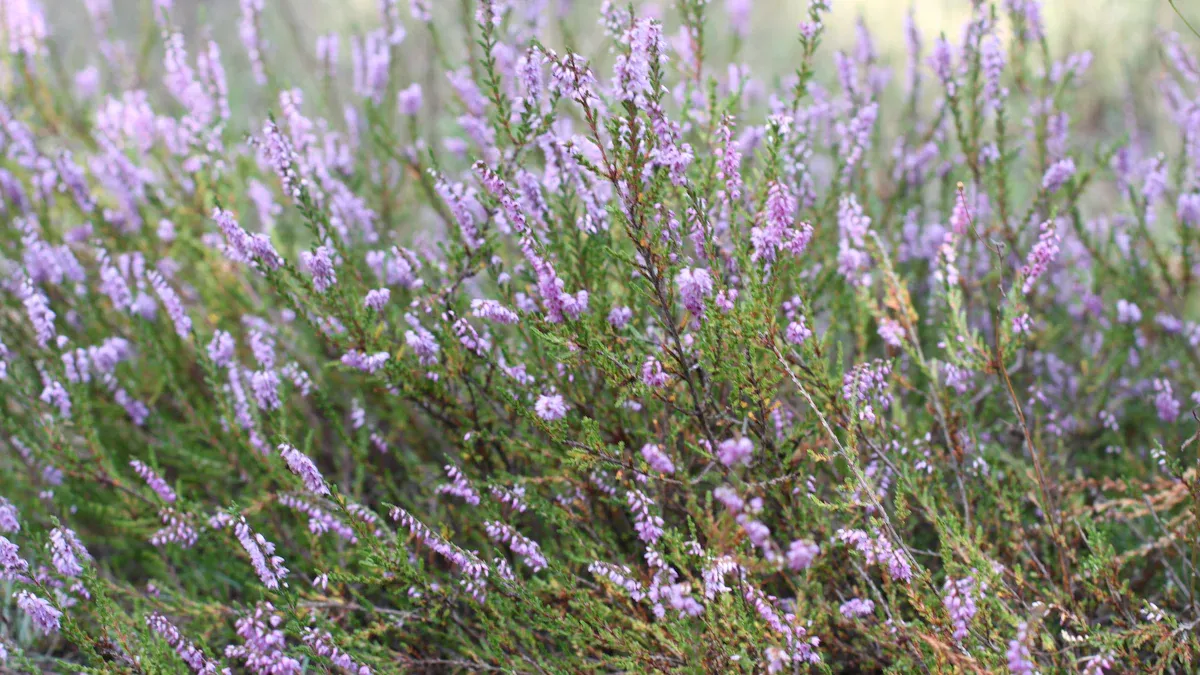
Rosemary and lavender are popular natural herbs, each with distinct characteristics. Rosemary offers an invigorating, herbaceous aroma. Lavender provides a sweet, calming floral scent, often linked to overall wellness. People often seek to understand rosemary versus lavender for various applications. This blog explores their unique benefits, aromatic uses, and practical applications. It helps readers differentiate lavender vs rosemary. The market for rosemary essential oil reached USD 3.29 billion in 2024. Rosemary hair care products also saw a market size of USD 980.8 million in 2023, showcasing rosemary’s widespread appeal.
Key Takeaways
Rosemary wakes up your mind and helps you focus. Lavender calms your body and helps you relax.
Rosemary oil helps hair grow and makes your scalp healthy. Lavender oil also makes your hair shiny and strong.
You can use both herbs in cooking. Rosemary adds a strong, savory taste. Lavender adds a sweet, floral taste.
Always mix essential oils with another oil before putting them on your skin. This prevents skin irritation.
You can use rosemary and lavender together. They can make food taste better or help you feel both calm and alert.
Botanical Profiles: Appearance & Aroma
Rosemary’s Characteristics
Rosemary (Rosmarinus officinalis) is an evergreen shrub. It features distinctive needle-like leaves. The plant produces small flowers, which can appear in shades of blue, pink, or white. Rosemary possesses a strong, invigorating aroma. People often describe its scent as herbal and pine-like. The woody aroma of rosemary comes from pinene, a terpene molecule. Rosemary’s essential oils contain eucalyptol, also known as cineole. This compound contributes significantly to rosemary’s unique scent profile. Studies show that 1,8-Cineole makes up 26.54% of rosemary’s essential oil. Alpha-Pinene accounts for 20.14%. Camphor and eucalyptol also give rosemary its beneficial properties, including its use as a microbiocidal agent.
Lavender’s Characteristics
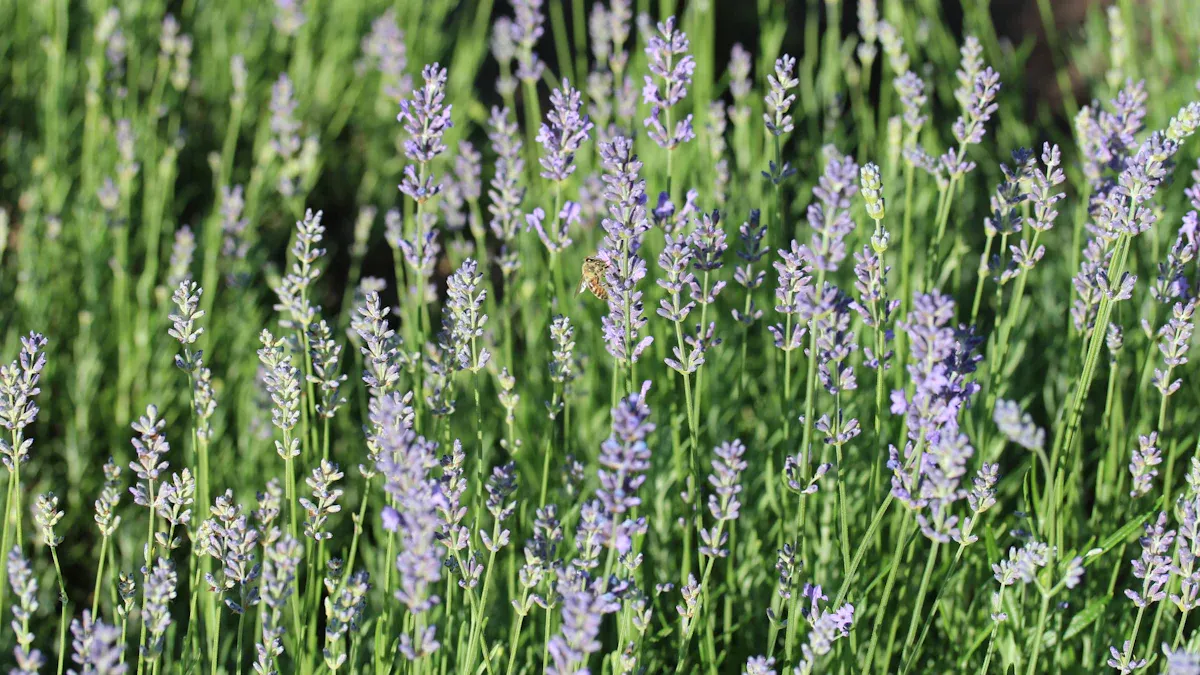
Lavender (Lavandula angustifolia) is a perennial herb. It grows with slender stems. The plant produces delicate pale purple flowers, often arranged in spikes. Lavender’s aroma is sweet, floral, and soft. Linalool is a key compound in lavender essential oil. It provides a fresh, floral, and slightly woody scent. Linalyl acetate adds a sweet, fruity, and floral aroma. This significantly contributes to lavender’s pleasant smell. Other compounds like (E)-beta-Ocimene and (Z)-beta-Ocimene add fresh, green notes. Lavandulyl acetate and lavandulol also contribute to lavender’s distinct aroma profile. Linalool makes up about 29.01% of lavender essential oil. Linalyl acetate accounts for 27.33%. These compounds give lavender its characteristic floral notes.
Health Benefits & Wellness
Both rosemary and lavender offer significant contributions to overall health and wellness. They possess unique medicinal properties that support various bodily functions. This section explores the top health benefits of each herb.
Rosemary’s Benefits
Rosemary provides many health benefits, particularly for cognitive function and neurological health. Its medicinal properties stem from powerful antioxidant activity. Polyphenolic components like carnosol, rosmanol, carnosic acid, methyl carnosate, caffeic acid, and rosmarinic acid contribute to these effects. Studies show rosemary has antinociceptive, anti-inflammatory, anti-apoptotic, and neuroprotective properties. One specific study highlighted its neuroprotective effect on cerebral ischemic tolerance in experimental stroke.
Rosemary exhibits neuroprotective effects by increasing neurotransmitters and antioxidants. It activates the ERK/CREB/BDNF pathway. It also inhibits β-amyloid, pro-inflammatory cytokines, and Acetylcholine esterase (AChE) activity. Rosemary shows potential in treating neurological disorders such as Alzheimer’s, Parkinson’s, migraine, and cognitive disorders. It also plays a role in Multiple Sclerosis (MS) by inhibiting Blood-Brain Barrier (BBB) permeability, T helper 17 (Th17) polarization, pro-inflammatory cytokines secretion, and axonal demyelination. In glioblastoma, rosemary can induce transcription of p53 and NGF, leading to memory improvement. It also inhibits nuclear factor κB (NF-κB), pro-inflammatory cytokines, and MDM2. Clinical research has also explored rosemary’s impact on human cognitive function, specifically in an elderly population.
Lavender’s Benefits
Lavender is well-known for its calming and soothing effects, making it a popular choice for promoting wellness. Its therapeutic properties primarily focus on reducing anxiety and improving sleep. A systematic review of scientific literature on lavender essential oil inhalation for anxiety reduction found that 10 out of 11 studies reported significantly decreased anxiety. These studies tested lavender’s anxiolytic efficacy in various patient populations. These included individuals undergoing surgeries, patients with diagnosed depression, and children awaiting tooth extraction. The review concluded that inhaling lavender essential oil provides strong evidence supporting its anxiety-reducing efficacy. It appears as an effective, safe, and feasible natural treatment option for anxiety. Lavender calms anxiety and offers an efficacious anxiolytic solution for people facing diverse anxiety situations.
Lavender also supports restful sleep. A meta-analysis assessing the impact of lavender essential oil on sleep quality concluded that it significantly enhanced sleep quality. The intervention group showed notably higher sleep quality scores compared to the control group. A randomized controlled trial investigated the effect of inhaled lavender and sleep hygiene on self-reported sleep issues in college students. The group receiving both lavender and sleep hygiene demonstrated improved sleep quality. A clinical effect was specifically observed for the lavender group, including a significant finding for waking feeling refreshed. A systematic review examining the evidence for lavender oil aroma inhalation as a self-care intervention for sleep found a small to moderate benefit favoring lavender oil across various study populations. This highlights lavender’s role in promoting relaxation and a better mood for overall health.
Essential Oils: Benefits & Safety
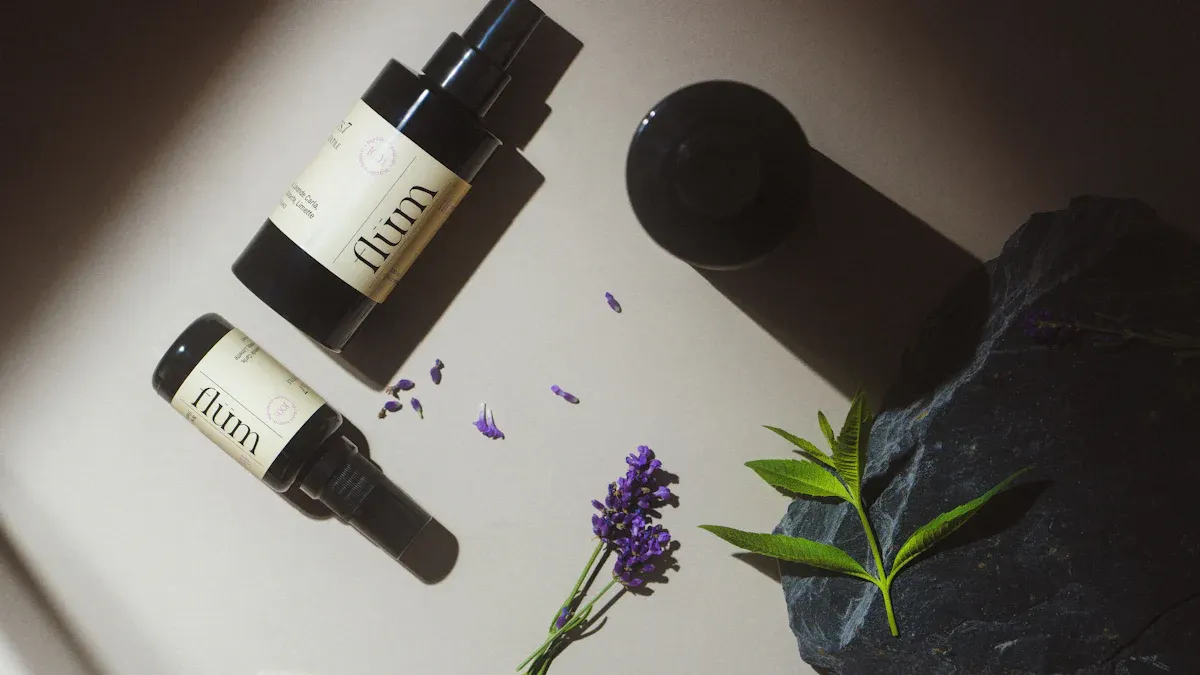
Essential oils offer concentrated forms of plant benefits. They provide specific advantages for health and wellness. This section explores the unique uses of rosemary and lavender essential oils. It also provides important safety guidelines.
Rosemary Essential Oil Uses
Rosemary essential oil is known for its stimulating properties. People often use it to boost focus and enhance memory. Studies show that even a small amount of dried rosemary powder can improve memory speed in older adults. The aroma of rosemary also helps. Research indicates that higher exposure to rosemary scent improves speed and accuracy in tasks like serial subtraction and visual processing. Spraying rosemary essential oil in a room enhanced memory for numbers and images in students. Drinking rosemary water also led to a small memory improvement in adults. Rosemary oil may increase acetylcholine in the brain. This neurotransmitter is vital for neuron connections. Some dementia medications work similarly. Both adult and child studies suggest rosemary oil can improve short-term memory. Animal studies also show rosemary significantly boosts cognition, even in animals with memory problems.
Rosemary essential oil also promotes hair growth. It is superior for scalp circulation. A 2015 study found rosemary oil as effective as minoxidil for hair regrowth in people with androgenic alopecia. This study also noted fewer itchy scalp issues with rosemary oil. Carnosic acid, a compound in rosemary, helps rejuvenate damaged nerves and tissue. It has anti-inflammatory and antioxidant properties. Applying rosemary to the scalp increases blood flow. This supplies nutrients to hair follicles, reducing shedding and promoting healthier growth.
Study | Participants | Treatment Group 1 | Treatment Group 2 | Duration | Key Findings |
|---|---|---|---|---|---|
2015 Randomized Comparative Trial | 100 participants with androgenetic alopecia | 1ml Rosemary oil lotion (approx. 1%) twice daily | 2% Minoxidil solution twice daily | 6 months | Rosemary oil group showed significantly better new hair growth, decreased hair loss, and fewer side effects compared to minoxidil. |
Other studies in 2022, 2023, and 2024 also found rosemary oil had similar effects to Minoxidil for hair growth. Its bioactive compounds, with antioxidant, antimicrobial, and anti-inflammatory properties, likely contribute to its effectiveness.
Lavender Essential Oil Uses
Lavender essential oil is famous for its calming and soothing effects. It helps promote relaxation and reduces stress. Many studies support its use for these purposes. Oral lavender oil, at 80 mg/day, improved anxiety disorder symptoms like restlessness and disturbed sleep. It also enhanced general well-being. This effect was comparable to a common anxiety medication. Aromatherapy with diluted lavender oil eased anxiety and improved mood in intensive care unit patients. It also helped high-risk postpartum women. Lavender odor reduced anxiety in dental patients. Animal experiments also show lavender has anxiolytic, sedative, and neuroprotective properties. Brain imaging studies show lavender odor can enhance neuronal activity in areas linked to relaxation. Inhaling lavender essential oil increases alpha power in EEG readings, which indicates relaxation and improved mood.
Lavender essential oil also significantly improves sleep. Lavender aroma promotes deep sleep by increasing slow-wave sleep. Linalool, a compound in lavender, is key to its anxiety-reducing and sleep-improving effects. It may stimulate parasympathetic neurons. Lavender aroma quickly changes brain activity and improves sleep quality. Participants reported better sleep and more daytime vigor after just one night. The brain can process olfactory stimuli during sleep. EEG analysis shows lavender aroma decreases alpha activity and increases delta activity, linking aroma directly to better sleep quality. Increased slow-wave sleep from lavender aroma may even help prevent neurodegenerative diseases. Inhaling lavender essential oil shortens the time it takes to fall into non-rapid eye movement (NREM) sleep. It also increases total NREM sleep and decreases wakefulness.
Safe Essential Oil Use
Using essential oils safely is very important. Always dilute essential oils with a carrier oil before applying them to the skin. Carrier oils include jojoba, almond, or coconut oil.
For rosemary, a standard 2% dilution is suitable for most people:
1 tablespoon (15ml) carrier oil + 6 drops rosemary oil
2 tablespoons (30ml) carrier oil + 12 drops rosemary oil
For sensitive skin, a 1% dilution is better:
1 tablespoon (15ml) carrier oil + 3 drops rosemary oil
Do not exceed a 5% dilution for topical applications. For facial uses, a 1% or less dilution is recommended. For massage oils, a 2% dilution is common.
Lavender essential oil is generally safe. However, some people should avoid it or use it with caution.
Pregnant or breastfeeding women should consult a doctor before use.
People taking sedatives, blood thinners, or antihypertensives should be careful due to potential interactions.
Children under three years old should avoid it.
Individuals with allergies to compounds like linalool should do a tolerance test.
Do not apply pure essential oil directly to children or sensitive skin. Always dilute it.
Lavender should not replace prescribed medications for health conditions. Always consult a specialist.
Practical Applications
Culinary Uses
Rosemary is a primary culinary herb. It offers a robust flavor. People often use it in Mediterranean cuisine. Its strong, aromatic nature complements fresh ingredients. Cooks use rosemary in various dishes. These include roasted meats like lamb and chicken. It also flavors sauces, marinades, soups, and stews. Rosemary is a beloved ingredient in Italian baking. It commonly tops focaccia with olive oil and sea salt. Its versatility adds depth and aroma to many meals. These rosemary recipes are popular.
Lavender is also a fragrant herb. It features in both sweet and savory dishes. French Lavender is part of the traditional French blend called Herbes de Provence. In medieval Europe, lavender was common in cakes and custards. It also enhanced roasted meats and stews. Lavender-infused oils and vinegars were used for dressing salads or marinating vegetables. These lavender recipes offer unique flavors.
Aromatherapy Uses
Rosemary aromatherapy increases alertness. Inhaling rosemary oil links to increased blood pressure and breathing rates. People feel more attentive and cheerful after a rosemary oil massage. EEG recordings show decreased alpha wave power. This indicates increased alertness. Volatile compounds like 1,8-cineole enter the bloodstream. They cross the blood-brain barrier. This directly affects the brain. Rosemary aromatherapy also stimulates the olfactory system. This system links to the brain’s limbic system. This interaction influences mental states. These are top uses for rosemary.
Lavender aromatherapy improves accuracy. Inhaling lavender essential oil increases theta and alpha waves. These are signs of relaxation. Higher alpha activity means less mental stress and better memory. It also leads to faster and more precise responses. Beta waves also increase. These show brain activity and concentration. Delta waves decrease. This suggests increased alertness. Subjects responded more accurately after inhaling lavender. Reaction times were also shorter. This shows lavender aromatherapy enhances cognitive performance.
Skincare & Haircare
Rosemary offers many benefits for skincare. Its phenolic compounds neutralize free radicals. This reduces signs of aging like fine lines. It also protects against environmental stressors. Compounds like carnosol reduce inflammation. This helps with acne, eczema, and rosacea. Rosemary extracts fight common skin pathogens. This controls bacterial growth and reduces acne.
Lavender also has documented benefits in haircare products. Lavender oil promotes hair growth. It enhances blood circulation to the scalp. This delivers vital nutrients to hair follicles. It also prevents hair loss. Its calming properties reduce stress-related hair loss. Lavender oil improves scalp health. It fights dandruff and itchiness. It also adds shine and softness to hair. The oil seals hair cuticles. This boosts smoothness and light reflection. It also reduces frizz and flyaways.
Growing & Care
Cultivating Rosemary
Rosemary thrives in specific conditions. It generally grows well in USDA Zones 8-11. This means average low temperatures rarely drop below 10°F. Some rosemary types can even survive in Zones 6 and 7. They persist for many years, even with temperatures below 10°F. In warmer regions like the Southeast, planting rosemary in late spring, ideally May, helps it establish. This avoids cool, wet soil and temperature changes.
Good drainage is crucial for growing rosemary. Planting rosemary slightly above the ground helps improve drainage. Gardeners mound soil up to the roots. A sunny hillside offers an ideal location due to its natural drainage. Rosemary prefers well-draining soil. This mimics its native Mediterranean home. It needs loose, gritty, rocky, or sandy soil. Excess moisture makes rosemary wilt. Gardeners add coarse materials like gravel, grit, perlite, or sand to improve drainage and air circulation. Avoid heavy, extra-fertile, or clay-packed soils. The ideal soil pH for rosemary is an alkaline 6.0-7.0. Rosemary naturally grows in warm climates. It cannot withstand temperatures below 20 degrees Fahrenheit. For colder areas, container gardening works well. Gardeners bring the plant indoors before the first fall frost.
Nurturing Lavender
Lavender also enjoys sunny, well-drained conditions. It prefers full sun, meaning at least six hours of direct sunlight daily. Lavender plants do not like wet feet. They need soil that drains quickly. Sandy or gravelly soil works best for lavender. Gardeners can amend heavy clay soils with sand or compost to improve drainage. Lavender is drought-tolerant once established. It needs less water than many other plants. Overwatering can harm lavender. It can lead to root rot. Pruning lavender helps maintain its shape and promotes new growth. Gardeners typically prune lavender after it flowers. This encourages a bushier plant and more blooms next season.
Choosing the Right Herb: Lavender vs Rosemary
When to Use Rosemary
When people need a clearer mind or better memory, they often choose rosemary. Rosemary capsules or diffused essential oil can help with faster recall. Traditionally, people ate this herb to freshen breath. It also works as a hair rinse for fuller hair and to reduce dry scalp. Adding rosemary to skincare nourishes the skin. Drinking rosemary tea helps with circulation, cramps, and digestion. Studies show its essential oil enhances memory quality. It also fights bacteria like Staphylococcus aureus. Rosemary has anti-inflammatory properties. These properties help with skin conditions and protect against UV damage. It also supports memory and a clear mind. Many recipes feature this versatile herb.
When to Use Lavender
People turn to lavender for its calming effects. Its scent soothes anxiety and decreases stress. Herbalists suggest lavender sachets for deeper sleep. Studies show lavender essential oil improves sleep quality. It helps college students and postpartum women. This herb also relieves agitation in dementia patients. It can soothe nerves before surgery or dental appointments. A patented lavender product has shown effectiveness for generalized anxiety. For those feeling “in a fog,” herbalists recommend internal lavender use as a tea. It also heals wounds and fights infections. It promotes healthy digestion as a warming herb. Its sedative properties help with restlessness and insomnia. It also supports the immune system. Many recipes use this herb for its unique flavor.
Combining Rosemary and Lavender
Sometimes, combining rosemary versus lavender offers unique benefits. The Lavender & Rosemary Herb Blend enhances roasted meats. Rosemary provides a bold, piney flavor. It suits rich meats like lamb or chicken. Lavender adds a delicate floral note. This brightens the flavor and cuts through fattiness. This combination, inspired by Herbes de Provence, makes a harmonious rub. People can mix the blend with olive oil for a marinade. Infused sugars and syrups with lavender are popular recipes. Baking with ground lavender in cookies or cakes is another option. Savory dishes use finely ground lavender as a rub. Beverages and cocktails also benefit from lavender infusions. Blending both lavender and rosemary in a broth creates a unique fusion. This combination is effective for a calming yet invigorating broth. Lavender’s floral notes soften rosemary’s robustness. This offers a complex flavor profile. Chicken broth is a good base for both herbs. Beef broth pairs well with robust rosemary. Flavored bone broth powder can be enhanced with dried lavender or rosemary. This shows the versatility of lavender vs rosemary together. Understanding rosemary versus lavender helps in choosing the right blend.
Rosemary versus lavender offers distinct advantages. Rosemary invigorates the mind, while lavender provides a calming embrace. Both powerful natural herbs, they offer unique properties for health and wellness. Researchers explore new ways to enhance their bioactivity, broadening applications in pharmaceuticals and cosmetics. Aromatherapy with rosemary and lavender improves cognitive functions, reduces anxiety, and enhances sleep quality. Readers can experiment with both, appreciating their individual benefits for health, wellness, and culinary delights. Understanding lavender vs rosemary helps in choosing the right herb for specific health needs. The versatility and magic of nature’s botanicals truly amaze.