

The discussion around optimal protein sources is increasingly popular. People often wonder about the best protein sources for their diet. What are the key differences between animal and plant proteins, and how do they impact our health? Understanding these distinctions helps individuals make informed dietary choices. The global plant-based proteins market projects a 7.4% Compound Annual Growth Rate from 2025 to 2032, showing growing interest in diverse protein sources. This article examines various protein sources, their amino acid profiles, and overall health effects, exploring the nuances of animal protein vs plant protein.
Key Takeaways
Proteins are vital for your body. They build and repair tissues. They also make important chemicals.
Animal proteins have all nine essential amino acids. Your body needs these. Plant proteins may need to be combined to get all nine.
Plant proteins offer many health benefits. They can help your heart. They also reduce risks of some diseases.
Animal proteins are good for muscle growth. They also provide important nutrients. These include Vitamin B12 and iron.
Choose protein sources based on your needs. A balanced diet with different proteins is often best.
Understanding Protein Basics
Protein is a vital macronutrient. It plays a fundamental role in the body. Proteins are large, complex molecules. They perform many critical functions. For example, they build and repair tissues. They also make enzymes, hormones, and other body chemicals.
Amino Acids: Building Blocks
Proteins consist of smaller units called amino acids. These amino acids are the building blocks of protein. The body uses amino acids for many purposes:
Amino acids form muscles, bones, skin, and other internal organs.
They create hormones and enzymes that regulate body processes.
Amino acids produce antibodies that protect against illness.
They are precursors to neurotransmitters.
Amino acids contribute to growth, development, and recovery.
They support overall physical health and supply energy to the body.
Amino acids are highly reactive, allowing them to form peptides, proteins, and new compounds.
Essential Amino Acids
The human body can produce some amino acids on its own. However, it cannot produce nine specific amino acids. These are called essential amino acids. People must obtain these essential amino acids through their diet. They are crucial for proper bodily function.
Complete vs. Incomplete Proteins
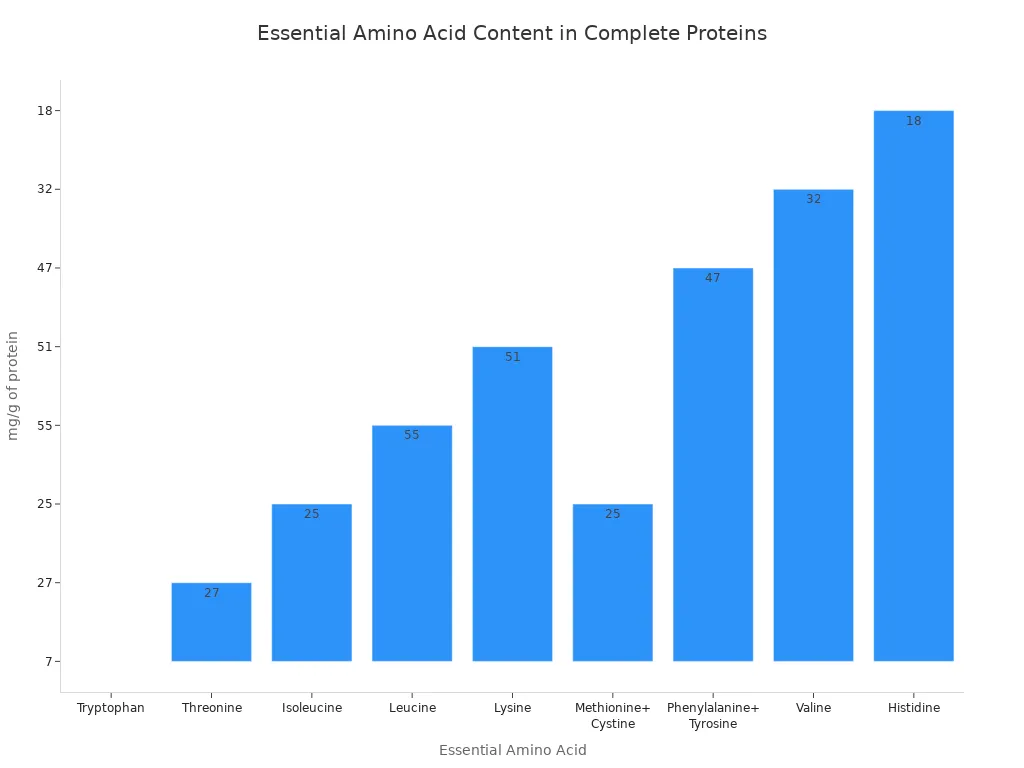
A complete protein contains all nine essential amino acids in adequate proportions. The human body cannot synthesize these essential amino acids and must get them from food.
Essential Amino Acid | mg/g of protein |
|---|---|
Tryptophan | 7 |
Threonine | 27 |
Isoleucine | 25 |
Leucine | 55 |
Lysine | 51 |
Methionine+Cystine | 25 |
Phenylalanine+Tyrosine | 47 |
Valine | 32 |
Histidine | 18 |
Foods that lack one or more of these essential amino acids are called incomplete proteins. Many plant-based protein sources fall into this category. However, combining different plant proteins can create a complete protein profile.
Animal Protein: Sources and Quality

Animal protein comes from various animal products. These proteins are highly valued for their nutritional content. They provide essential nutrients the body needs.
Key Animal Protein Sources
Many foods provide animal protein. Common examples include eggs, milk, and cheese. People also consume processed meat and seafood regularly. Beef, pork, poultry, and fish are other significant animal protein sources. Global consumption of these protein sources shows consistent demand. For instance, egg consumption increased by 141.4%, milk by 98.6%, and cheese by 56.0%. Seafood intake averages 28 grams per day, and processed meat averages 17 grams per day. These diverse protein sources form a large part of many diets.
Amino Acid Profile of Animal Protein
Animal protein typically offers a complete amino acid profile. This means it contains all nine essential amino acids in sufficient amounts. The body cannot produce these amino acids itself. Animal-based protein, like that found in beef, provides appropriate levels of indispensable amino acids (IDAA). They often have higher levels of leucine and lysine compared to plant proteins. Leucine is vital for muscle growth and repair. Lysine helps with body growth, calcium absorption, and collagen formation. Animal protein also contains more dispensable amino acids (DAA), such as alanine and glycine.
The amino acid content in red meat can vary. Factors like species, age, and sex influence it. Different cuts of meat from the same animal also show variations. For example, essential amino acid proportions can differ by up to 32% between beef and pork. Non-essential amino acids can vary by over 100%.
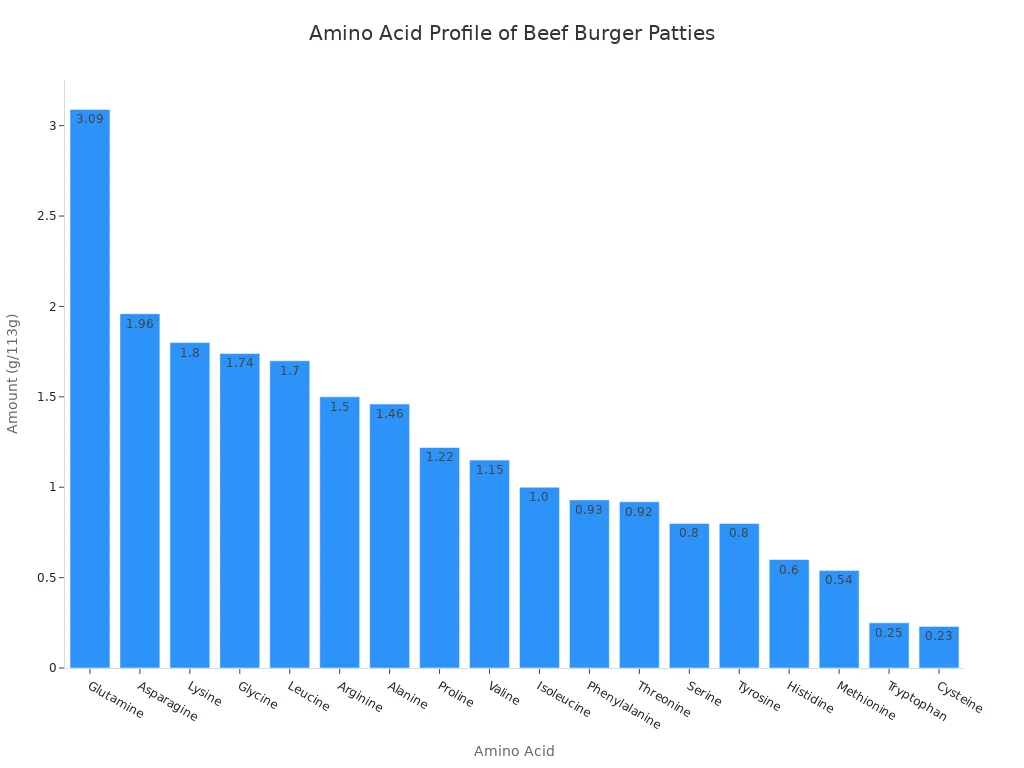
Amino Acid | Beef Burger Patties (g/113g) |
|---|---|
Indispensable Amino Acids (IDAA) | |
Histidine | 0.60 |
Isoleucine | 1.00 |
Leucine | 1.70 |
Lysine | 1.80 |
Methionine | 0.54 |
Phenylalanine | 0.93 |
Threonine | 0.92 |
Tryptophan | 0.25 |
Valine | 1.15 |
Total IDAA | 8.98 |
Dispensable Amino Acids (DAA) | |
Alanine | 1.46 |
Arginine | 1.50 |
Asparagine | 1.96 |
Cysteine | 0.23 |
Glutamine | 3.09 |
Glycine | 1.74 |
Proline | 1.22 |
Serine | 0.80 |
Tyrosine | 0.80 |
Total DAA | 12.80 |
Total Amino Acids | 21.78 |
Digestibility and Bioavailability
The body digests animal protein efficiently. It also absorbs the amino acids well. This high digestibility and bioavailability mean the body uses a large percentage of the protein consumed. This makes animal protein an effective source for muscle building and repair. Many consider animal protein sources superior for these functions due to their complete amino acid profile and easy absorption.
Plant Protein: Sources and Quality
Key Plant Protein Sources
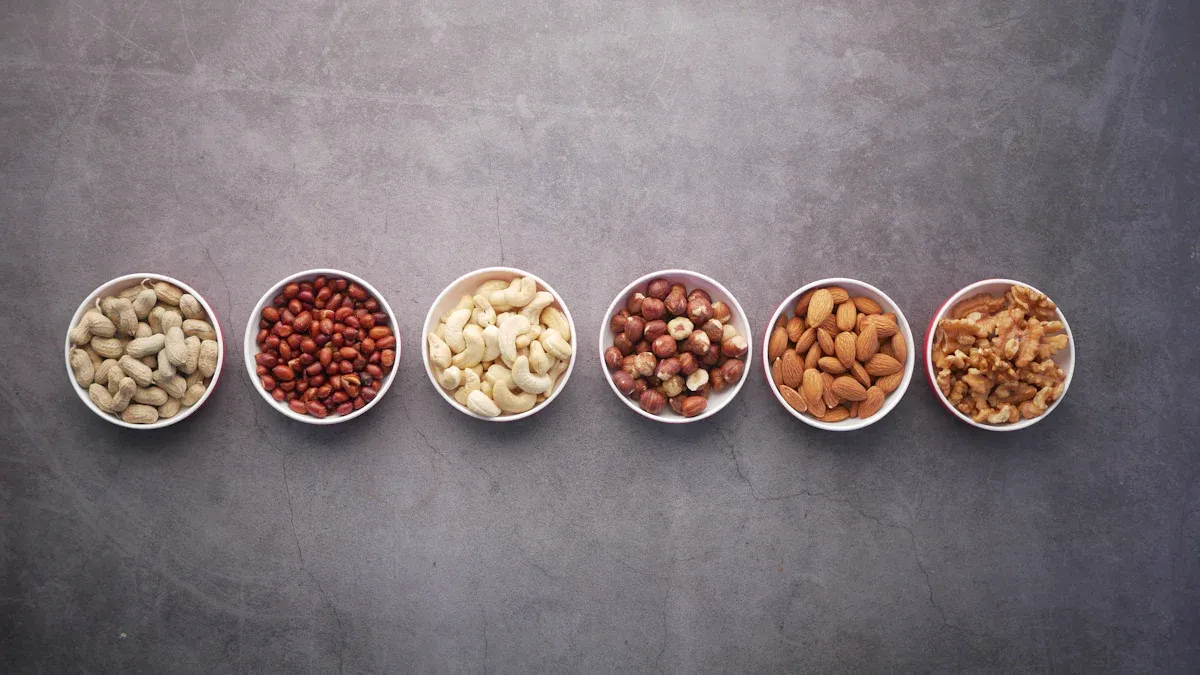
Many diverse plant protein sources exist. These sources offer essential nutrients. Soy and dairy lead the global market for protein fortification ingredients by volume. Pea, wheat, potato, and rice follow them. Pea protein is growing quickly as an alternative to soy. People choose it due to concerns about GM crops, allergens, and phytoestrogens. Newer protein ingredients gaining traction include sacha inchi, hemp, sunflower, pumpkin, flax, and chia seed proteins. Grains contribute 60%–78% of protein. Soy products provide 16.3%–19.9% in vegan diets. Beans, peas, and lentils offer 14.6%–21.3%. Nuts and seeds contribute 2.9%–10.3% in vegetarian diets. These healthy plant foods provide excellent protein sources. A variety of plant-based foods ensures diverse nutrient intake.
Amino Acid Profile of Plant Protein
Many plant protein sources are incomplete proteins. They lack one or more essential amino acids. Grains are low in lysine. Lysine is their limiting amino acid. Legumes are low in methionine. Methionine is their limiting amino acid. Cereal grains, such as oats, rice, and whole wheat, often lack lysine. Legumes typically limit methionine and cysteine. They can also be low in lysine, valine, and threonine. Corn’s primary limiting amino acid is lysine. It may also be low in threonine, tryptophan, isoleucine, and valine. Understanding these limitations helps in dietary planning for plant-based diets.
Combining Plant Proteins
Combining different plant protein sources is an effective strategy. This approach achieves a complete amino acid profile. Even if individual plant protein sources have low PDCAAS scores, combining them works. This method provides balanced and sufficient quantities of all essential amino acids. Specific blends can mimic the amino acid profiles of animal proteins. This is relevant for certain nutritional strategies. The process can also meet specific nutritional objectives. For example, it can meet the WHO amino acid requirements. This ensures a complete protein intake from plant sources. Eating a mix of nutritious plant foods like beans, lentils, and vegetables helps. This strategy makes plant protein a versatile and valuable part of any diet.
Health Benefits of Plant Protein
Plant protein offers numerous health benefits. Many studies show positive health outcomes from consuming plant-based foods. These benefits range from improved heart health to better weight management.
Cardiovascular Health
Plant-based diets consistently link to lower blood pressure readings. These diets show this compared to diets rich in animal products. Intervention studies confirm that plant-based diets reduce blood pressure. Cross-sectional studies, like the Epic-Oxford study and the Adventist Health Study-2, indicate that vegans and vegetarians generally have lower blood pressure levels than meat-eaters. The cardioprotective effects of appropriate omega-6 fatty acid intake likely come from their cholesterol-lowering properties. They do not directly impact blood pressure.
Numerous studies indicate that plant-derived dietary proteins can significantly reduce cardio-metabolic risk factors. Research shows that incorporating plant proteins into the human diet lowers the risks associated with cardiovascular and metabolic diseases. Trials assess the health benefits of plant-based proteins by monitoring concentrations of insulin, blood glucose, and appetite-regulating hormones. A systematic review and dose-response meta-analysis indicated that plant protein intake was associated with a lower risk of cardiovascular disease (CVD) mortality. Clinical trials have shown that soya protein consumption can beneficially impact CVD risk factors. These include hypertension, blood lipids, and glycemic control. However, other systematic reviews and meta-analyses investigating the association between plant protein intake and coronary heart disease (CHD) or total CVD often found no significant association. For instance, a meta-analysis by Mousavi et al. found no association between plant protein and CHD risk.
Chronic Disease Risk
A plant-based diet can help reduce the risk of chronic diseases. The Healthy Lifestyle in Europe by Nutrition in Adolescence (HELENA) study found that adolescents consuming higher levels of plant protein had lower body fat percentages and BMI. This was compared to those with higher animal protein intake. The HELENA study suggested that increasing plant protein as a substitute for animal protein in adolescent diets could help control obesity. It also offers positive benefits for cardio-metabolic factors.
One group examined the risk of colorectal cancer. They used gene-environment interaction analyses. They reported an association between certain genetic polymorphisms for fatty acid metabolism and colorectal cancer. This was further linked to high meat intake. Substituting plant protein for animal protein may be a strategy to lower colorectal cancer risk in individuals with specific gene variants. A study involving pre-diabetic adults found a dose-dependent association between fecal ammonia concentration and red meat intake. This is a biomarker for colorectal cancer risk. However, it found no association with total protein intake or the animal-to-plant protein ratio. Many studies focus on the functional and bioactive properties of soy protein for reducing cardiovascular disease risk. They also look at modulating inflammation or the immune system. A systematic review of plant protein sources other than soy (pea, lupin, fava bean, rice, oat, hemp, and lentil) reported benefits. It examined postprandial concentrations of blood glucose, insulin, and/or appetite-regulating hormones.
A study on coronary heart disease patients found that those who increased their plant protein intake were 1.71 times more likely to achieve diabetes remission. This was compared to those who decreased it. This remission primarily occurred within the first two years of follow-up. The increase in plant protein also associated with a healthier dietary pattern. This included lower intake of animal protein, cholesterol, and saturated fats. It also included higher intake of whole grains, fiber, legumes, and tree nuts. Several prospective cohort studies indicated that higher consumption of plant proteins linked with a reduced risk of all-cause mortality in individuals with type 2 diabetes. Conversely, a positive association was found between consuming animal proteins and all-cause mortality risk in these populations. A systematic review concluded that replacing animal protein with plant protein (per each 20g) was associated with a reduced risk of type 2 diabetes.
Weight Management
Protein is more satiating than carbohydrates and fat. This holds true in the short, medium, and long term. Protein plays a crucial role in food intake regulation through satiety. This links to diet-induced thermogenesis. It also contributes to body weight regulation by influencing thermogenesis and body composition. High dietary protein intake can limit body weight (re)gain. This is due to its satiety effects and energy inefficiency related to body composition changes. While animal protein may induce higher short-term thermogenesis, longer-term satiety and thermogenesis sustain regardless of the protein source. High-protein diets positively affect weight loss under ad-libitum energy intake conditions. This leads to decreased energy intake, improved body composition, and metabolic profile. Additional protein consumption significantly reduces body weight regain after weight loss. This attributes to body composition, satiety, thermogenesis, and energy inefficiency, alongside an improved metabolic profile.
Plant-based meals often have higher carbohydrate and lower protein content compared to animal-based meals. Protein content contributes to post-meal satiety. This suggests that differences in protein content between plant-based and animal-based meals could influence satiety. When adjusted for fiber content or in protein preloads, post-meal satiation did not differ based on protein source in cross-over within-subject studies. A study found that a plant-based meal increased gastrointestinal hormones and satiety more than an energy- and macronutrient-matched processed-meat meal. Highly processed vegan meals, even with four times higher fiber, induced greater satiation in a clinical trial. This was compared to energy-matched meat-containing processed meals. Dietary fiber, abundant in plant-based diets, activates appetite-regulatory pathways via anorectic hormones. This potentially ameliorates high-caloric food cravings. A study compared the effects of 250 kcal protein-preload beverages (24g protein) from whey, soy, pea, and casein on appetite and satiety. Casein and pea protein significantly reduced 4-hour appetite compared to soy protein.
Fiber and Micronutrients
Nutritious plant foods are naturally rich in fiber. Fiber is essential for digestive health. It also contributes to satiety. Beyond protein, plant sources offer a wide array of micronutrients. These micronutrients are vital for overall health.
Micronutrient | Common Plant Protein Sources |
|---|---|
Iron | Lentils, beans, tofu, tempeh, cashews, pumpkin seeds, dark leafy greens (spinach, kale) |
Calcium | Leafy greens (collard greens, kale), soybeans, tofu, tempeh, calcium-fortified plant milks (almond, soy) |
Zinc | Chickpeas, lentils, pumpkin seeds, cashews, quinoa, mushrooms |
Vitamin C | Citrus fruit, strawberries, bell peppers |
Vitamin E | Nuts, seeds, spinach, vegetable oils |
Vitamin B12 | Fortified plant milks, nutritional yeast |
Iodine | Seaweed (nori, wakame), iodized salt |
Selenium | Brazil nuts, lentils, sunflower seeds, whole wheat bread |
Copper | Nuts (cashews, almonds), seeds (sunflower, pumpkin), quinoa, shiitake mushrooms |
Manganese | Nuts (almonds, cashews, brazil nuts), legumes (lentils, black beans), whole grains (oats, quinoa) |
Magnesium | Leafy greens (spinach, kale), legumes (beans, lentils), nuts (almonds, cashews), seeds (pumpkin, sunflower), whole grains (quinoa, brown rice) |
Phosphorus | Legumes (beans, lentils), nuts (almonds, cashews), seeds (pumpkin, sunflower), whole grains (oats, quinoa) |
Potassium | Potatoes, sweet potatoes, leafy greens (spinach, kale), bananas, avocados |
Chromium | Broccoli, potatoes, whole grains (oats, barley), nuts (cashews) |
Molybdenum | Legumes (lentils, beans), nuts (almonds, cashews), whole grains (oats) |
This table shows the diverse range of vitamins and minerals available from various plant sources. These include iron, calcium, zinc, and many B vitamins. A varied plant-based diet ensures a comprehensive intake of these essential nutrients.
Health Benefits of Animal Protein
Muscle Growth and Repair
Animal protein offers significant health benefits, particularly for muscle growth and repair. It is a ‘high quality’ protein. It has a complete profile of essential amino acids. Its superior digestibility also helps. This protein effectively stimulates muscle protein synthesis (MPS). It activates the mTORC1 signaling pathway. This pathway is crucial for muscle building. A systematic review and meta-analysis found that this type of protein generally has a more favorable effect on lean mass compared to plant protein. This benefit is more pronounced in younger adults. Both types of protein support an increase in lean mass. However, animal protein leads to a more substantial gain, especially in percent lean mass. These benefits highlight the role of animal protein in maintaining muscle mass and strength.
Essential Nutrients (B12, Iron)
Animal sources are vital for providing certain essential nutrients. Meat and animal-derived products are the only foods that naturally provide vitamin B12. This essential vitamin is crucial for nerve function and red blood cell formation. Heme iron is another important nutrient found in animal-based sources. These essential amino acids are also present in animal products. These include red meat, fish, poultry, and eggs. Heme iron is more readily absorbed by the body than non-heme iron found in plants. These essential nutrients contribute to overall health.
Bone Health
This protein source also plays a role in maintaining strong bones. Research shows an association between total protein and animal intake with higher bone mineral density (BMD). Specifically, this type of protein intake was associated with higher total body and spine BMD. A large cohort study from 1988 showed positive associations between its intake and BMD at different sites. The presence of all essential amino acids in animal protein supports bone matrix formation. The association between this protein source and total body BMD was stronger in participants with adequate calcium and vitamin D intake. These health benefits underscore the importance of animal protein for skeletal health.
Zinc and Omega-3s
Beyond muscle and bone health, animal sources provide other important nutrients. Many animal foods are good sources of zinc. Zinc is an essential mineral for immune function and wound healing. Fatty fish, a type of animal food, provides beneficial omega-3 fatty acids. These fats support brain health and reduce inflammation. These additional benefits contribute to the overall nutritional value of animal products. The complete profile of essential amino acids in these foods further enhances their nutritional value.
Comparing Animal Protein vs Plant Protein
Understanding the differences between animal protein vs plant protein helps people make good food choices. These two types of protein have different makeups. They also offer different benefits to the body.
Amino Acid Differences
Both animal and plant proteins are made from the same 20 amino acids. However, the amounts of these amino acids can be different. A key difference is the amount of methionine. Plants generally have less methionine than animal foods. High methionine intake has been linked to some health issues. These include increased anxiety and heart disease risk in mice. It also connects to faster aging. Foods like pork, chicken, and beef have a lot of methionine. Fruits, mushrooms, and broccoli have little methionine.
Here is a quick look at how these proteins compare:
Feature | Animal Proteins | Plant Proteins |
|---|---|---|
Nutritional Quality | Generally higher | Generally lower |
Essential Amino Acids (EAAs) | More complete set | Often unbalanced, may lack specific EAAs (e.g., lysine) |
Digestibility | Higher | Lower, slower, or reduced |
Overall Nutritional Value | Higher | Lower due to unbalanced amino acid composition and digestibility |
Methionine Levels | Higher | Lower |
Structural Differences | Influence amino acid profiles and nutritional value | Influence amino acid profiles and nutritional value, leading to lower digestibility |
Animal protein often has a more complete set of essential amino acids. This means it provides all the building blocks the body needs. Plant protein sources often lack one or more of these essential amino acids. This makes them incomplete.
Nutrient Density Comparison
Nutrient density means how many nutrients a food has for its calories. Animal-based foods often offer more nutrients per calorie. This includes important vitamins, minerals, and amino acids. Plant-based diets, especially those without many different vegetables, might not provide enough of certain nutrients. These include omega-3, B12, selenium, vitamin A, and zinc.
To get the same amount of nutrients and protein, people often need to eat more plant-based foods. This means eating a larger volume and more calories. For example, getting the same protein from broccoli as from cod might mean eating three times the calories and ten times the weight of broccoli. The body also absorbs protein from animal sources more easily. This means it uses more of the protein consumed.
Here is a comparison of nutrient density:
Feature | Animal-Based Foods | Plant-Based Foods (General) | Plant-Based Foods (Nutrient-Dense) |
|---|---|---|---|
Nutrient Density (Overall) | Generally higher, especially for harder-to-find nutrients. | May struggle to provide adequate amounts of certain nutrients. | Improved, but still challenging to reach optimal levels for some nutrients. |
Hard-to-Find Nutrients | Can struggle with K1, C, A, omega-3, and folate. | Struggle with omega-3, B12, selenium, vitamin A, and zinc. | Still struggle with omega-3, B12, selenium, vitamin A, and zinc. |
Amino Acids | Provide a complete profile. | More challenging to get all essential amino acids (e.g., methionine, lysine, histidine). | |
Energy Density for Equivalent Protein | Lower energy density; less volume needed. | Higher energy density; significantly more volume and calories needed (e.g., 3x calories, 10x weight of broccoli vs. cod for same protein). | |
Bioavailability of Protein | Generally higher. | Typically lower, requiring more intake for equivalent absorption. | |
Impact of Diet Choice | Omnivorous diet with nutrient density focus offers better chance of getting all nutrients without excess calories. | “Going plant-based” without focusing on vegetables can lead to micronutrient deficiencies and higher caloric intake for adequate nutrients. |
An omnivorous diet, which includes both animal and plant foods, can help people get all nutrients without too many calories. A diet that is only plant-based needs careful planning. It must include many different vegetables. Otherwise, it can lead to missing nutrients and higher calorie intake.
Impact on Bone Health
Research on how animal protein vs plant protein affects bone health is still growing. A systematic review and meta-analysis looked at this topic. It found limited evidence. This evidence suggests no big difference between soy protein and animal protein for bone mineral density (BMD). This applies to different parts of the body. The evidence for falls and fractures was not enough to make clear conclusions. More long-term studies are needed. These studies should include many different people. This will help us fully understand how different protein sources affect bone health.
Most studies did not find a clear link between how much plant or animal protein people ate and bone loss. The results for protein intake and fractures were not always the same across studies. One study looked at protein intake and falls. It found no important results.
Two studies found something interesting. They saw a link between calcium intake and protein sources for fracture risk. This link was only strong for people who ate the least calcium. In this group, people who ate the most animal protein had a much higher risk for fractures. This was compared to those who ate the least animal protein. In the low-calcium group, one study found a lower risk of fracture for those who ate the most plant protein. Another study found no big differences. One study linked a higher ratio of animal to plant protein intake to more bone loss and hip fractures. Another study found no link to hip fractures.
Potential Downsides and Considerations
People should understand the potential downsides of certain protein sources. Specific dietary choices also require careful consideration.
Red and Processed Meats
Consuming red and processed meat can raise health concerns. Research links these foods to an increased risk of obesity and non-communicable diseases. These include heart attack, stroke, diabetes, and certain cancers. A systematic review found that higher intake of processed meat increased coronary heart disease risks by 18%. Higher intake of unprocessed red meat increased this risk by 9%. These links often relate to high saturated fat in red meat and sodium in processed meat. Both raise LDL cholesterol and blood pressure. Evidence suggests that consuming meat below 75 grams per day for red meat and 20 grams per day for processed meat may not be intrinsically harmful. However, exceeding these levels shows small increases in relative risks.
Saturated Fat and Cholesterol
Saturated fat and dietary cholesterol from animal products can negatively affect heart health. Saturated fat, found in dairy, eggs, and animal meats, increases LDL cholesterol. It also raises free fatty acids. These changes drive harmful pathways in the cardiovascular system. Dietary cholesterol from animal products can introduce cholesterol oxides. These oxides significantly increase fatty streak lesions in arteries. Diets rich in these fats and cholesterol increase cardiovascular oxidative stress and inflammation. These factors contribute to heart disease development.
Plant-Based Diet Nutrient Gaps
A poorly planned plant-based diet can lead to nutrient deficiencies. Individuals following such a plant-based diet may lack certain essential nutrients. Common deficiencies include vitamin B-12, iron, calcium, vitamin D, and omega-3 fatty acids. Some people may also lack iodine, zinc, and selenium. These nutrient gaps can impact neurological health, bone strength, and overall well-being. However, a well-planned plant-based diet can provide adequate protein and amino acids.
Plant Antinutrients
Some plant foods contain compounds called antinutrients. These substances can interfere with nutrient absorption. Saponins, for example, inhibit enzymes and bind with nutrients like zinc. Oxalates prevent calcium absorption by forming insoluble salts. Phytates lead to lower mineral absorption. Tannins can inactivate enzymes needed for protein absorption. Lectins and exorphins can also cause various reactions in the body. Cooking and preparation methods often reduce the levels of these plant antinutrients.
Making Informed Protein Choices
Making smart choices about protein helps individuals maintain good health. People consider their personal needs and goals when selecting protein sources.
Balancing Protein Intake
Balancing protein intake is crucial for overall health. The current international Recommended Dietary Allowance (RDA) for protein is 0.8 grams per kilogram of body weight for adults. This applies regardless of age. However, healthy individuals over 65 years need more protein. They require 1.0–1.2 grams of protein per kilogram of body weight daily. People with illnesses need even more, from 1.2–1.5 grams per kilogram. Those with severe illnesses or malnutrition may need up to 2.0 grams per kilogram. Distributing protein across meals also matters for muscle protein synthesis. Consuming two to three meals daily, each with about 25–30 grams of high-quality protein, helps stimulate muscle building in adults.
Individual Needs and Goals
Protein needs vary greatly among individuals. A person’s age, activity level, and health goals influence these needs.
Non-exercising individuals: The RDA of 0.8 grams per kilogram of body weight per day is usually enough.
Exercising individuals: They need more protein than 0.8 grams per kilogram daily. This helps repair muscles and build lean tissue.
Endurance athletes: They need 1.0 to 1.6 grams per kilogram per day. Elite athletes doing intense exercise need amounts at the higher end.
Strength/power athletes: They typically require 1.6 to 2.0 grams per kilogram per day. This is especially true during new training or increased volume.
Intermittent sports athletes (like soccer or basketball): They need 1.4–1.7 grams per kilogram per day.
General adults need about 0.36 grams of protein per pound of body weight. Children and teens need more protein for growth. Pregnant and lactating women also need extra protein. Older adults, around age 70, need more protein to prevent muscle loss. For older adults who strength train, protein intake may increase to 0.45–0.6 grams per pound of body weight. Individuals with chronic conditions should consult their care team about their diet.
Optimizing Protein Sources
Optimizing protein sources involves choosing a variety of foods. This ensures a complete intake of essential amino acids and other nutrients. A well-planned plant-based diet can provide all necessary protein. Combining different plant protein sources helps achieve a complete amino acid profile. People following a plant-based diet should pay attention to nutrient density.
Professional Guidance
Consulting a healthcare professional or a registered dietitian is always a good idea. They offer personalized advice for a person’s specific diet and health needs. They help individuals make the best choices for their protein sources.
Animal protein vs plant protein each offer distinct benefits. Animal protein provides complete amino acids and high digestibility. Plant protein sources deliver fiber and diverse micronutrients. Both types of protein can contribute to a healthy diet when people choose them wisely. A varied and balanced diet, rather than an “either/or” approach, is most effective. Individuals consider their health goals, ethical beliefs, and environmental impact when selecting protein sources for their diet. This understanding empowers readers to make informed and sustainable decisions about their diet.
FAQ
What is a complete protein?
A complete protein contains all nine essential amino acids. The human body cannot produce these amino acids. It must obtain them from food. Animal proteins are typically complete. Some plant proteins become complete when people combine them properly.
What are essential amino acids?
Essential amino acids are protein building blocks. The body needs nine of them. It cannot make these amino acids itself. People must get them through their diet. They are crucial for many bodily functions.
What are antinutrients?
Antinutrients are compounds found in some plant foods. They can interfere with nutrient absorption. Examples include phytates, oxalates, and tannins. Cooking and proper preparation methods often reduce their levels.
What is protein bioavailability?
Protein bioavailability refers to how efficiently the body digests and absorbs amino acids from a protein source. Animal proteins generally have higher bioavailability. This means the body uses a larger percentage of the protein consumed.