

Macadamia nut oil emerges as a versatile and healthful option. Its popularity grows significantly, both in culinary applications and beauty routines, reflecting a robust market expansion. This macadamia oil offers a unique, buttery flavor and an impressive nutritional profile, rich in monounsaturated fats. Experts consider macadamia a premium oil due to its unique fatty acid composition and high stability. This macadamia oil provides many health benefits and culinary uses. The macadamia oil’s benefits extend beyond the kitchen. Pure macadamia oil stands out. This macadamia offers unique properties. The macadamia is truly exceptional. This macadamia is valued for its quality.
Culinary Uses of Macadamia Oil

Macadamia oil offers many culinary advantages. This versatile oil enhances various dishes. Chefs and home cooks value macadamia oil for its unique properties. It brings a distinct quality to many recipes.
Flavor and Aroma
Macadamia oil possesses a mild, buttery flavor. This delicate taste complements many ingredients. It does not overpower other flavors in a dish. Instead, macadamia oil adds a subtle richness. Its aroma is light and pleasant. This makes macadamia oil suitable for both savory and sweet preparations.
High Smoke Point
Macadamia oil boasts a high smoke point. This characteristic makes it excellent for cooking methods requiring high heat. The smoke point of macadamia oil is around 413°F (212°C). This means the oil can reach high temperatures before it starts to smoke and break down. When an oil smokes, it produces harmful compounds and imparts an unpleasant taste. A high smoke point ensures the oil remains stable during cooking.
Macadamia oil is ideal for frying, sautéing, and searing. It performs well in these applications.
Oil Type | Smoke Point (°F) |
|---|---|
Macadamia Oil | 413 |
Light Refined Olive Oil | 390-479 |
Refined Avocado Oil | 480-520 |
Unrefined Avocado Oil | 350-400 |
Extra Virgin Olive Oil | 320 |
This table shows how macadamia oil compares to other common cooking oils. Its smoke point is higher than extra virgin olive oil. It is comparable to light refined olive oil. Refined avocado oil has a higher smoke point.
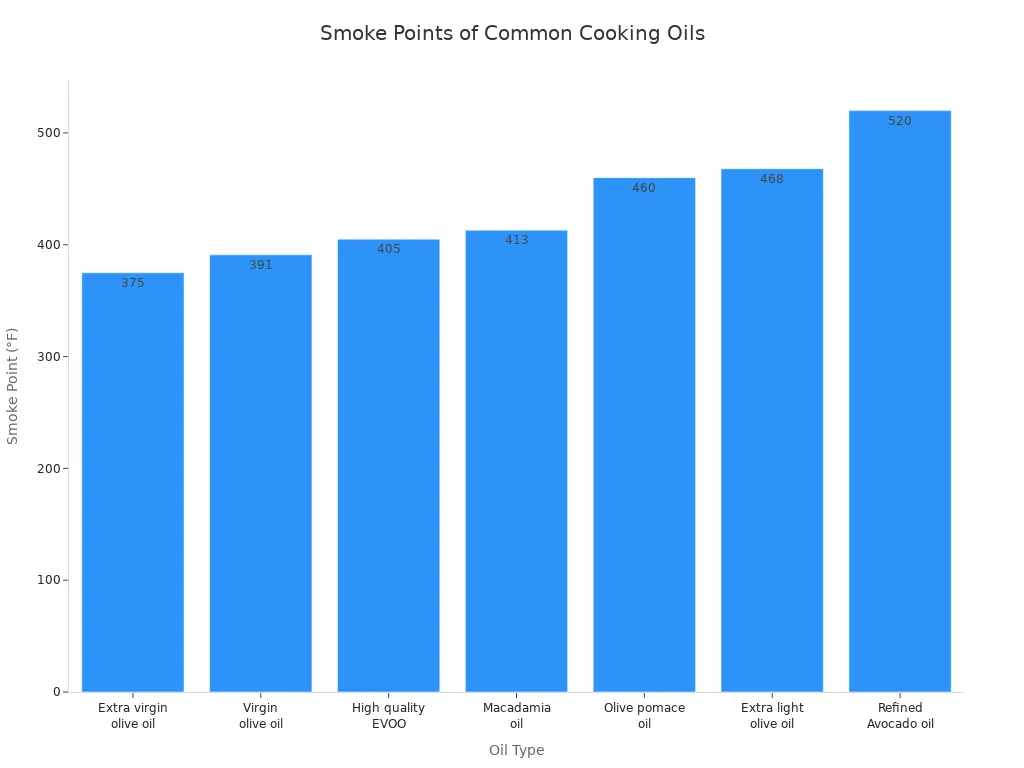
The chart visually represents these differences. Macadamia oil provides a reliable option for high-temperature cooking.
Baking and Roasting
Macadamia oil also excels in baking and roasting. Its healthy monounsaturated fats contribute to a desirable texture in baked goods. These fats help create a moist and tender crumb in cakes. They also improve the texture of muffins and cookies. When roasting vegetables or meats, macadamia oil helps achieve a golden-brown exterior. It also locks in moisture. The mild flavor of macadamia oil does not interfere with the intended taste of the baked or roasted item. Pure macadamia oil can replace butter or other oils in many recipes.
Dressings and Finishing
Macadamia oil works wonderfully in uncooked applications. Its delicate flavor makes it a superb choice for salad dressings. It blends well with vinegars and herbs. People also use macadamia oil in marinades. It helps tenderize meats and infuse them with flavor. As a finishing oil, macadamia oil adds a touch of richness to prepared dishes. Drizzle it over soups, pasta, or grilled fish just before serving. This enhances the overall taste and presentation.
Here are some specific examples of its use in dressings and as a finishing oil:
Macadamia Nut Pesto
Mac Nut Champagne Vinaigrette
Maui Mac Nut Aioli with Spicy Red Chili
Macadamia Nut Chimichurri
Macadamia Nut Oil Calamanci Dressing (for a shrimp and quinoa salad)
General Macadamia Dressing
Macadamia oil infused with Thai flavors (for dressings, stir-fries, and marinades)
Macadamia romesco sauce, where the oil adds sweetness and richness
Macadamia mayonnaise, enhancing flavor depth
Macadamia aioli, providing a nutty flavor for dishes like burgers
These examples show the versatility of macadamia oil. It elevates simple dishes to gourmet levels.
Health Benefits
Macadamia oil offers many health benefits. Its unique composition contributes to overall well-being. These benefits make macadamia a valuable addition to a healthy lifestyle.
Heart Health
Macadamia oil’s high monounsaturated fat content supports heart health. This includes oleic acid. This fat helps lower bad cholesterol (LDL). It also helps maintain good cholesterol (HDL). Macadamia nuts are rich in monounsaturated fats. These fats assist the body in eliminating excess cholesterol more efficiently. Regular consumption of these nuts reduces total and LDL cholesterol levels. It protects the heart from disease. A healthy heart is vital for overall well-being.
Cholesterol Type | Change After Macadamia Nut Consumption |
|---|---|
Total Cholesterol | Decreased by 3.0% |
LDL Cholesterol | Decreased by 5.3% |
HDL Cholesterol | Increased by 7.9% |
This table shows the positive impact on cholesterol levels. These benefits contribute to overall heart health.
Antioxidant Properties
Macadamia oil is a source of antioxidants. These natural compounds combat oxidative stress. They protect cells from damage. Macadamia oil (MO) reduces oxidative stress. It does this by upregulating Nrf2 downstream genes HO-1 and γ-GCS. It also increases antioxidant activities in serum and liver. This leads to a decline in lipid oxidation. It significantly raises levels of antioxidant enzymes. These include GSH-Px, SOD, and T-AOC. It also reduces MDA levels.
Macadamia nuts contain various antioxidants:
Flavonoids: These compounds protect cells and prevent inflammation.
Tocotrienols: This form of vitamin E neutralizes free radicals effectively.
Selenium: This mineral boosts the immune system. It helps fight off diseases.
Copper: This is essential for hemoglobin production. It also helps produce various enzymes.
Zinc: This is important for immune function. It also aids wound healing.
Antioxidants in macadamia nuts work by neutralizing free radicals. Free radicals are unstable molecules. They can damage cells. This action reduces oxidative stress. Oxidative stress links to chronic diseases. These include heart disease and cancer.
Anti-Inflammatory Effects
Macadamia oil also offers anti-inflammatory effects. It contains specific compounds that help reduce inflammation. Macadamia oil is rich in monounsaturated fatty acids (MUFA). Approximately 65% of its total fatty acid content is oleic acid (C18:1). Palmitoleic acid (C16:1) makes up about 18%. Palmitoleic acid is a ‘lipokine’. It has a hormonal-like effect. Studies show elevated levels restored insulin sensitivity. This happened in liver and skeletal muscle. It also mitigated hepatosteatosis and hyperglycemia. High-fat diets caused these issues in mice.
Macadamia oil is rich in unsaturated fatty acids. Oleic acid is about 60%. Palmitoleic acid is about 20%. It also contains minor components. These include phytosterols, polyphenols, and tocopherols. These contribute to its beneficial health effects. Anti-inflammatory properties are among these benefits.
Macadamia kernels are rich in unsaturated fatty acids (>80 g/100 g). They also contain bioactive compounds. These include tocopherols, phytosterols, and squalene. Long-term consumption of macadamia nuts offers various biological benefits. These include anti-inflammatory effects.
Blood Sugar Regulation
Macadamia oil can play a role in blood sugar regulation. Its healthy fats contribute to stable blood glucose levels. The monounsaturated fats slow down digestion. This prevents rapid spikes in blood sugar after meals. Palmitoleic acid, found in macadamia, shows potential metabolic benefits. It may improve insulin sensitivity. This helps the body use glucose more effectively. Maintaining stable blood sugar levels is important. It helps prevent energy crashes. It also reduces the risk of developing type 2 diabetes.
Weight Management
Macadamia nut oil also supports weight management. Its unique composition helps promote satiety. This leads to a prolonged feeling of fullness. Macadamia nut oil contributes to satiety. It aids in weight management due to its dietary fiber. This fiber binds to water. It increases feelings of fullness. Its healthy fats may also help reduce inflammation. Inflammation is a known contributor to weight gain. The low net carb content (1.5 grams per serving) aligns with low-carb diets. These diets are effective for weight loss.
Despite being calorie-dense, macadamia nuts assist in weight management. Their combination of healthy fats, protein, and fiber promotes satiety. This leads to a prolonged feeling of fullness. This can help reduce cravings. It also helps maintain stable energy levels throughout the day. The high-quality fats found in macadamia oil provide satiety. This helps regulate appetite. It supports fat loss programs when consumed mindfully. These benefits make the oil a valuable addition to a balanced diet.
Fatty Acid Profile
Macadamia nut oil stands out for its exceptional fatty acid composition. This profile contributes significantly to its health benefits and stability.
Monounsaturated Fats
Macadamia oil boasts a remarkably high content of monounsaturated fats. Approximately 75% of macadamia oil consists of these healthy fats. This percentage is higher than in many common cooking oils. For example, macadamia oil contains about 80% monounsaturated fat. This is significantly more than olive oil and avocado oil.
Oleic Acid
Oleic acid forms a major part of macadamia oil’s fatty acids. It makes up about 56-65% of the oil. This high oleic acid content offers several heart-healthy benefits. Oleic acid helps regulate cholesterol. It lowers “bad” cholesterol (LDL) and raises “good” cholesterol (HDL). This action helps prevent clogged arteries. It also contributes to blood pressure reduction by relaxing blood vessels. This eases blood flow and reduces stress on the heart. Furthermore, oleic acid reduces inflammation in blood vessels. This protects against chronic diseases like heart disease.
Palmitoleic Acid
Macadamia oil also contains a unique monounsaturated fatty acid called palmitoleic acid. This acid typically makes up 18-22% of the oil. Palmitoleic acid offers potential metabolic benefits. It can suppress adipocyte cytokine expression. It also promotes pancreatic β cell proliferation and secretory function. This acid enhances skeletal muscle glucose uptake. It stimulates adipocyte peroxisome proliferator–activated receptor-γ transcriptional activity. These actions contribute to improved metabolic health.
Omega-6 to Omega-3 Ratio
Macadamia oil features a favorable omega-6 to omega-3 fatty acid ratio. A balanced ratio is crucial for human health. Western diets often have an imbalanced ratio, with too much omega-6. This imbalance can promote inflammation and chronic diseases. Macadamia oil’s balanced profile helps maintain a healthier ratio. This supports overall well-being.
Low Saturated Fat
Macadamia oil contains a relatively low amount of saturated fat. This makes it a healthier choice compared to many other oils.
Oil | Saturated Fat Content |
|---|---|
Canola | 7% |
Flaxseed | 7% |
Walnut | 9% |
Grapeseed | 10% |
Hemp | 10% |
Macadamia nut | 13% |
Corn | 13% |
Light virgin olive oil | 14% |
Pumpkin seed | 15% |
Sesame | 15% |
Soybean | 15% |
Wheat germ | 17% |
Peanut | 18% |
Virgin coconut | 92% |
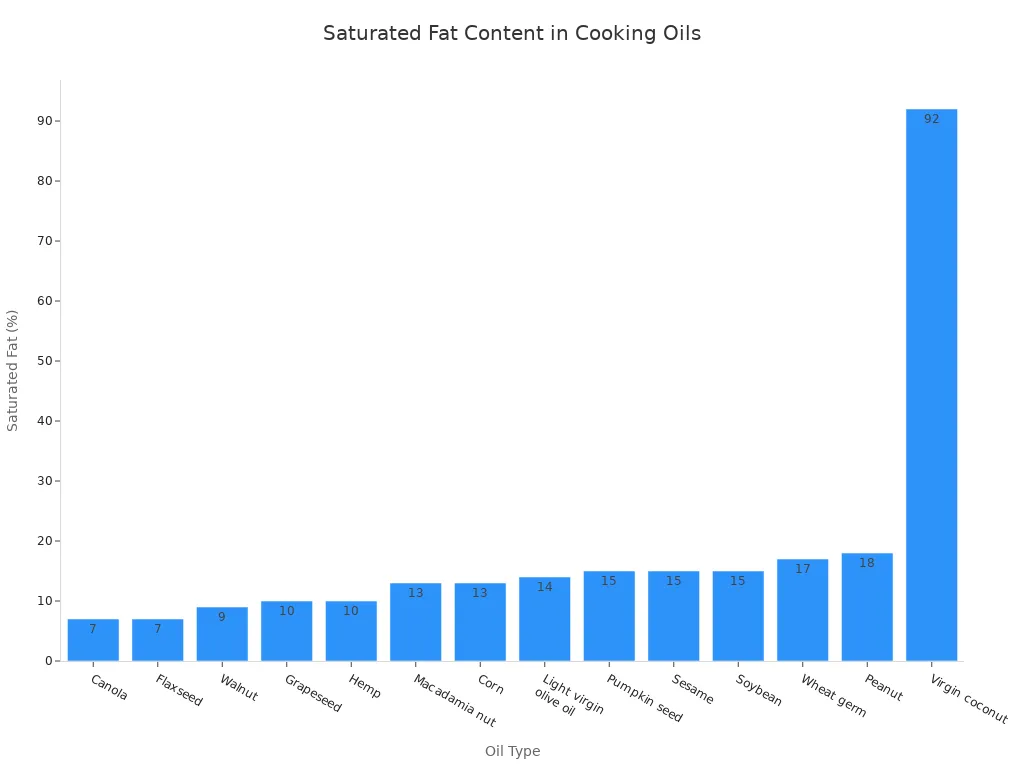
This table and chart illustrate macadamia oil’s lower saturated fat content compared to many other oils. Its low saturated fat, combined with high monounsaturated fats, makes pure macadamia oil a beneficial dietary addition. The oil’s stable fatty acid profile also helps retain its natural antioxidants.
Topical Benefits

Macadamia oil offers significant topical benefits. People use it widely in skincare and hair care products. Its unique composition makes it a valuable ingredient for nourishing the body externally.
Skin Moisturization
Macadamia oil deeply moisturizes the skin. Its oleic acid content softens the skin and helps regenerate skin cells. This makes it particularly beneficial for dry, flaky, and mature skin. Oleic acid in macadamia oil helps lock in moisture. It also restores skin’s elasticity. The oil’s emollient properties make it an excellent natural moisturizer. It helps calm inflammation, contributing to overall skin health.
Hair Health
Macadamia oil provides numerous benefits for hair care. It deeply moisturizes dry and damaged hair. The oil penetrates the hair shaft for lasting hydration. This restores shine and softness, especially for dry or color-treated hair. Macadamia oil also helps control frizz. It smooths flyaways and provides a sleek finish without weighing hair down. Its fatty acids and antioxidants help repair and strengthen hair. This reduces breakage and split ends. The oil also promotes scalp health. It alleviates dryness and soothes an irritated scalp.
Anti-Aging Properties
Macadamia oil offers anti-aging properties for the skin. Its phenolic content provides robust antioxidant activity. These antioxidants combat free radicals, which contribute to skin aging. Palmitoleic acid, abundant in macadamia, supports skin barrier function. It provides protective and moisturizing effects beneficial for aging skin. Oleic acid also contributes to the oil’s value in skincare. A comparative study showed macadamia nut oil in a nanocream improved various aging skin parameters. These included water content, pore size, melanin levels, and wrinkles. The oil’s components, similar to the skin’s natural oils, aid in moisture retention and nourishment.
Macadamia nut oil offers exceptional health benefits, culinary versatility, and a unique fatty acid profile. This premium macadamia oil is a healthful, delicious addition to diets and personal care routines. Its many benefits make macadamia a valuable choice. Readers should explore its various uses and experience its advantages firsthand. Macadamia truly stands out.