

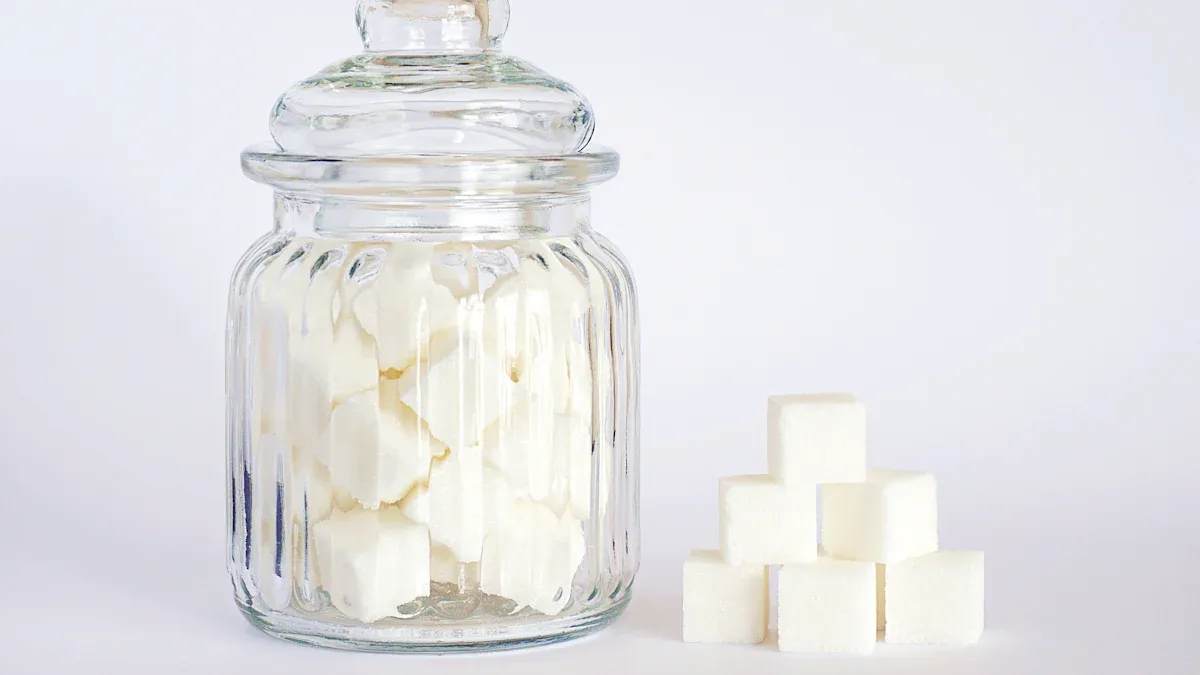
Stevia sweetener is a popular, calorie-free sugar substitute. This natural alternative comes from the Stevia rebaudiana plant. Consumers increasingly seek natural and healthier non-sugar options. This demand makes stevia a significant player in the sweetener market. The global stevia market was valued at USD 878.42 Million in 2024. Another analysis projects the stevia market to reach USD 1.47 billion in 2025. The natural sweetener market, including stevia, shows strong growth. It is projected to grow at a Compound Annual Growth Rate (CAGR) of 6.2% from 2023 to 2033. This growth will lead the market to a value of USD 45.1 Billion by 2033. Stevia offers a unique taste profile. It serves as an important sugar substitute for many people.
Key Takeaways
Stevia is a natural, calorie-free sweetener from the Stevia rebaudiana plant. It helps sweeten foods and drinks without adding sugar.
The FDA says purified stevia is safe to eat. It does not approve whole stevia leaves or crude extracts.
Stevia does not raise blood sugar. This makes it good for people with diabetes. It also has no calories, which helps with weight control.
Stevia can taste sweet like sugar. Some types might have a slight bitter taste. Food makers try to make it taste better.
Understanding Stevia Sweetener: Origin and Forms
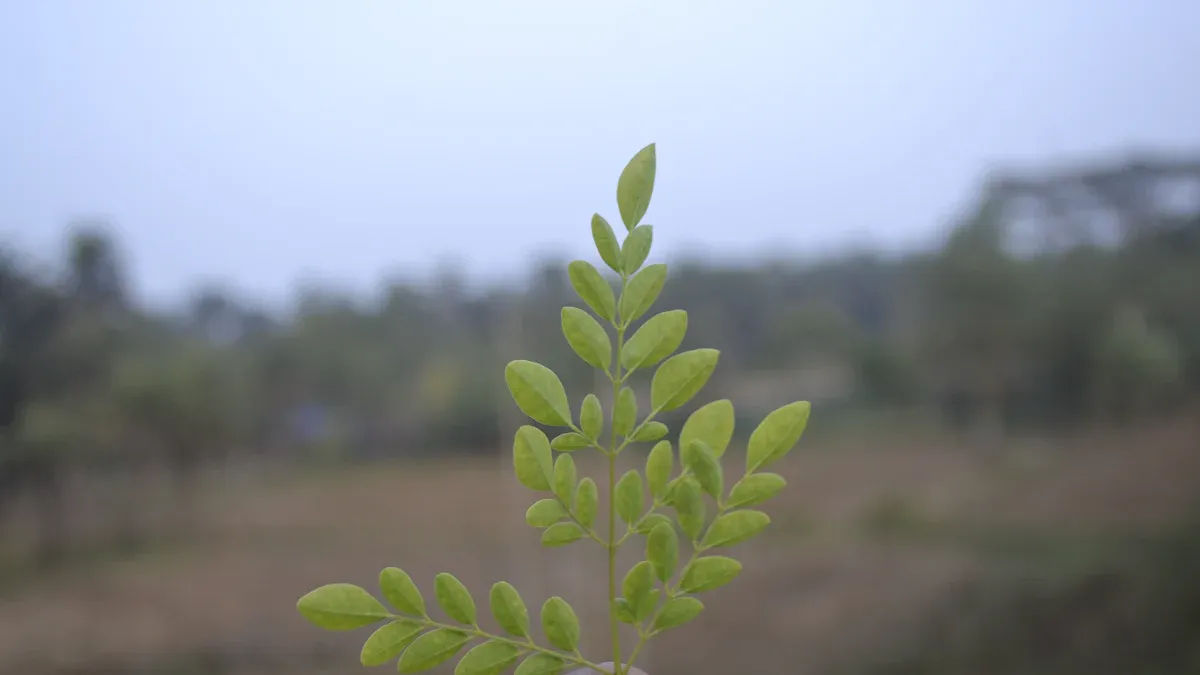
The Stevia Plant and Its Natural Origin
Stevia comes from a plant. Its botanical name is Stevia rebaudiana. This plant belongs to the aster family. It is famous for its sweet leaves. The Stevia genus grows widely across the Americas. Farmers also cultivate stevia in other regions. These include Morocco, China (Xinjiang and Jiangsu), and parts of India like Kutch and Nagpur. Malaysia also shows interest in growing this natural sweetener.
Steviol Glycosides Explained
Stevia’s sweetness comes from compounds called steviol glycosides. These are natural compounds found in the plant’s leaves. The leaves of Stevia rebaudiana contain several types. Two main sweeteners are stevioside and rebaudioside A (Reb A). Reb A is very common in food and drinks. It has less bitterness than stevioside. Rebaudioside M (Reb M) is another important steviol glycoside. Reb M tastes very much like sugar. It has no bitter aftertaste. This makes it highly valued, even though it is found in smaller amounts.
Processing Stevia
Making stevia extract involves several steps. First, workers steep stevia leaves in hot water. This is like making tea. The liquid then goes through purification. It passes through special filters that capture the sweet compounds. Pure alcohol helps rinse out these compounds. Manufacturers then remove the alcohol. This leaves a sweet syrup. The syrup is decolorized and filtered. Finally, spray drying turns the liquid into steviol glycoside crystals. This creates the primary stevia extract. Further refining makes the extract even purer.
Different Forms of Stevia
Consumers can find stevia in several forms. These stevia products include powders, liquids, and tablets. Some people even use dried stevia leaves directly. The most common form is a highly purified stevia-based sweetener. This non-sugar option offers a versatile way to enjoy sweetness.
Is Stevia Safe: Regulatory Approval and Concerns
Many people wonder about the safety of stevia. Regulatory bodies worldwide have thoroughly evaluated this natural sweetener. Their findings help consumers make informed choices.
FDA Approval and Daily Intake
The U.S. Food and Drug Administration (FDA) has a clear stance on stevia. They consider highly purified steviol glycosides to be generally recognized as safe (GRAS). This means experts agree on their safety for use as a general purpose sweetener in food. This status was first established in 2008. The FDA responded without questions to a GRAS notice at that time. Since then, the FDA has evaluated over 50 GRAS notices for various high-purity steviol glycosides. They have not objected to these notices. This includes steviol glycosides produced through new biotechnological methods. Over 70 steviol glycosides and rebaudiosides have received GRAS approval since 2008. Approved rebaudiosides include Rebaudioside A, B, C, D, E, M, and I.
Regulatory bodies have also set an Acceptable Daily Intake (ADI) for steviol equivalents. This ADI is 4 mg per kilogram of body weight per day (4 mg/kg bw/day). A safety evaluation of steviol glycosides, specifically rebaudioside M produced by fermentation, concluded no safety concerns for its use as a food additive. This conclusion considers the existing ADI. Consumers can safely enjoy stevia within these recommended limits.
Potential Side Effects of Stevia
While purified stevia is generally safe, some people report side effects. These often involve the digestive system. Anecdotal reports describe stomach pain, gas, and constipation after consuming stevia. Research offers some insight into these issues. A study from Ben-Gurion University of the Negev suggests that stevia consumption could lead to gut health issues. It might disrupt the balance of beneficial bacteria. The study found that stevia did not destroy gut microbes. However, it indicated that stevia might delay communication between different bacteria in the gut microbiome. This disruption could explain the reported digestive discomfort.
Stevia for Specific Populations
Specific populations, such as pregnant women and children, often have questions about stevia’s safety. Regulatory bodies worldwide have determined that low-calorie sweeteners, including stevia, are safe for pregnant women. This applies when they consume it within the Acceptable Daily Intake (ADI). Leading health groups, like the Academy of Nutrition and Dietetics and the American Diabetes Association, support its safe use. Multi-generational studies have found no adverse effects on the mother or developing baby. It is important for pregnant women to use FDA-approved steviol glycosides. They should avoid whole-leaf or raw stevia products. Limited research exists on the safety of these unrefined forms. Older studies on hamster embryos indicated no negative effects on pregnancy or fertility. They also showed no toxicity to fetal tissues. However, unrefined stevia compounds lack sufficient safety research. The FDA does not recognize stevia leaves and crude extracts as safe. Some counterfeit ingredients found in stevia mixtures from other countries, such as saccharin, are not recommended during pregnancy.
Low-calorie sweeteners are also considered safe for children. This is true when children consume them within the ADI. Stevia can help reduce added sugar intake in children’s diets. However, parents must monitor consumption. Children can more easily reach the acceptable daily limit of 1.8 mg per pound of body weight (4 mg per kg).
Stevia Safety Misconceptions
Several misconceptions exist about the safety of stevia. A common one is that all stevia products are 100% stevia and fully FDA-approved. This is not accurate. The FDA has only approved purified stevia extracts as generally recognized as safe (GRAS). These extracts must be at least 95% pure. Many commercial stevia products contain other chemical sweeteners or sugars alongside stevia. Furthermore, whole stevia leaves, roots, stems, crude extracts (below 95% pure), and stevia supplements are not FDA-approved.
Some stevia products also contain additives like sugar alcohols. These can lead to digestive issues. Such issues include bloating, nausea, vomiting, stomach pain, and cramping. Consumers should check product labels for these ingredients. There are ongoing concerns and mixed results from research regarding stevia’s impact on gut health and potential hormone disruption. While some studies suggest it is unlikely to harm gut health, others have shown mixed results. Similarly, some research has raised concerns about hormone disruption. However, further investigation is needed. Safety studies on stevia generally do not report negative side effects when people consume purified stevia extracts in moderate quantities. The FDA recognizes these purified products as generally safe for most people.
Stevia’s Health Impact: Blood Sugar, Weight, and Gut
Stevia offers several potential health benefits. Its unique properties make it a valuable alternative for people managing various health conditions.
Blood Sugar and Diabetes Management
Stevia has a significant role in managing blood sugar levels. It does not raise blood glucose levels, making it suitable for individuals with diabetes. Studies show that consuming stevia leads to lower postprandial glucose levels compared to sugar. This means blood sugar does not spike after eating or drinking something sweetened with stevia.
However, researchers also conducted studies where they adjusted for sugar preload and calorie content. In these cases, postprandial glucose levels did not significantly differ between interventions. When corrected for glucose levels after preloads, no significant differences appeared in postprandial glucose levels among water, stevia, and sugar.
Despite these nuances, other research supports stevia’s positive impact. One study found no significant changes in postprandial glucose levels in diabetic patients after they consumed stevia-sweetened tea. Another study reported significant decreases in blood glucose levels following the administration of 41% stevioside solutions. These findings highlight stevia’s potential as a non-sugar sweetener for diabetes management.
Weight Management Benefits
Stevia’s zero-calorie nature makes it an excellent tool for weight management. It allows individuals to enjoy sweetness without adding calories. This makes it easier to follow low-calorie eating plans. Replacing sugar with stevia can reduce overall calorie consumption. This supports weight management goals. Its zero-calorie nature and high sweetness intensity make it a valuable tool for maintaining a healthy weight.
Replacing caloric sweeteners with non-nutritive sweeteners (NNS) like stevia can lead to modest weight loss. It also improves compliance with weight loss or maintenance plans. Stevia, as a natural-origin sweetener, increases options for reduced sugar and energy foods and beverages. It shows promise as a tool to help lower energy intakes and potentially reduce and prevent obesity. Stevia provides a satisfying calorie-free sugar fix without the added energy.
Stevia and Gut Health
The impact of stevia on gut health is a common concern. Current scientific understanding indicates that stevia generally has a minimal and neutral impact on the human gut microbiome. Unlike many artificial sweeteners, stevia does not appear to disrupt the balance of gut bacteria. It also does not undergo fermentation in the gut. Studies suggest it does not significantly alter gut microbiota composition or negatively affect glucose tolerance. Stevia is considered gut-neutral and a safe alternative, especially when consumed in moderation. This makes it a gut-friendly option.
Here is a comparison of how different sweeteners interact with the gut:
Sweetener | Fermentation in Gut | Metabolism by Gut Bacteria | Impact on Gut Microbiota | Effect on Glucose Tolerance |
|---|---|---|---|---|
Stevia | No | No | Minimal to Neutral | No significant impact |
Aspartame | Yes (indirectly) | Yes | Potential disruption | Potential negative effects |
Sucralose | Yes (indirectly) | Yes | Potential disruption | Potential negative effects |
Sugar Alcohols | Yes | Yes | Can cause digestive issues | Varies, generally low impact |
Many myths surround stevia and gut health. Let’s clarify some facts:
Myth 1: Stevia Disrupts Gut Microbiota.
Fact: Research suggests stevia consumption has a minimal effect on gut microbiota composition. Gut bacteria do not metabolize it. It does not cause the disruptions associated with synthetic alternatives. This makes it a gut-neutral option.
Myth 3: Stevia Is Fermentable by Gut Bacteria.
Fact: Stevia does not undergo fermentation in the gut. This means it does not promote the growth of harmful bacteria or contribute to imbalances in the gut microbiota. Unlike sugar alcohols, stevia remains inert.
Myth 4: Stevia Harms Digestive Health Over Time.
Fact: Studies consistently show that stevia does not interfere with gut health, even with prolonged use. It remains a safe option over time. Artificial sweeteners have links to negative effects.
Myth 5: Stevia Is No Better Than Artificial Sweeteners.
Fact: Research indicates that artificial sweeteners like sucralose and aspartame have associations with gut dysbiosis. Stevia consumption has not shown any significant impact on gut microbiota composition. This makes it a better option for maintaining a healthy gut.
Other Health Aspects of Stevia
Stevia offers other health benefits beyond blood sugar and weight management. One significant advantage is its non-contribution to tooth decay. Studies indicate that pure stevia does not contribute to dental caries or tooth decay.
Consider the cariogenic potential of various sweeteners:
Sweetener Type | Lactate Production Reduction (compared to sucrose) | Demineralization Reduction (compared to sucrose) | Cariogenic Potential |
|---|---|---|---|
Pure Stevia | Significant (92%) | Significant (85-83%) | Not cariogenic |
Pure Aspartame | Significant (92%) | Significant (85-83%) | Not cariogenic |
Xylitol | Significant (92%) | Significant (85-83%) | Not cariogenic |
Commercial Stevia (Finn) | Similar to sucrose | Similar to sucrose | As cariogenic as sucrose |
Commercial Aspartame (Finn) | Similar to sucrose | Similar to sucrose | As cariogenic as sucrose |
Sucrose | Baseline | Baseline | Cariogenic |
However, commercial sweeteners containing stevia can be as cariogenic as sucrose. This happens due to the presence of other components, such as lactose. The cariogenic potential of commercial stevia products comes from additional ingredients, not stevia itself. Pure stevia significantly reduced lactate production and demineralization compared to commercial stevia products and sucrose. This makes pure stevia a good choice for dental health.
Stevia Taste Profile and Culinary Use

Sweetness and Flavor Notes
Stevia offers a unique sweetness from its naturally occurring steviol glycosides. Rebaudioside M (Reb M) is known for its sugar-like taste. Other forms of stevia can sometimes taste bitter. Some people notice licorice-like aromas. Older, less desirable forms may also have metallic and astringent mouthfeels. Studies show that higher percentages of rebaudioside A (Reb A) generally lead to lower bitterness. However, Reb A can also exhibit high bitterness, especially at higher concentrations. This can negatively impact consumer acceptance.
Stevia Aftertaste: Causes and Solutions
A common concern with stevia is its aftertaste. Steviol glycosides are responsible for the overall taste profile, including any bitterness. Rebaudioside A, for example, provides a sugary taste but often leaves a bitter aftertaste. Rebaudioside M can have a very slight licorice or bitter aftertaste. Aromatic chemicals like spathulenol and β-caryophyllene also contribute to undesirable licorice-like aromas, especially in whole leaf extracts.
Manufacturers use several methods to reduce this aftertaste. They balance stevia with acids like citric, malic, and lactic acids. This helps manage sweetness onset and lingering aftertaste. Stevia flavor modulators, such as SoPure stevia extracts, mask off-notes and unwanted lingering tastes. They also enhance mouthfeel. Companies like PureCircle™ by Ingredion offer stevia solutions, including Reb A and Reb M, that minimize bitter aftertaste. Using lower stevia extract levels also helps reduce bitterness. Bulking agents like sugar alcohols, gums, or pectin add body and mask negative aftertaste. Complementary flavors, such as floral notes or vanilla, can round out the sweetness profile.
Cooking and Baking with Stevia
Cooking with stevia requires some adjustments. When baking with stevia, using a stevia baking blend often yields the best results. These blends typically substitute sugar at a 1:1 ratio. Pure stevia powder is much sweeter. Use about 1/4 teaspoon of pure stevia for every 1 cup of sugar. When replacing sugar with pure stevia, add ingredients like applesauce, yogurt, or bananas. These additions help maintain moisture and bulk in the recipe. Remember, pure stevia powder differs significantly from 1:1 ratio products, which often contain fillers.
Best Uses for Stevia
Stevia is a versatile sweetener. It works well in many food and beverage applications. It is used in yogurts, carbonated drinks, and ice cream. Stevia does not affect the consistency or sensorial properties of these products. It also helps create low-calorie jams and tea beverages. Stevia is an ingredient in fruit juices, adding sweetness with minimal color changes. It can be used in bakery products, though completely removing sucrose is challenging due to sugar’s other functions. Stevia also increases the antioxidant properties in berry juices. It is a popular choice for naturally sweetened, reduced-calorie protein beverages. Stevia sweetener is a key ingredient in over 27% of new products using high-intensity sweeteners. Top categories include snacks, carbonated soft drinks, dairy, and juice drinks.
Comparing Stevia to Other Sweeteners
Stevia vs. Sugar
Stevia offers a clear alternative to traditional sugar. Stevia is calorie-free. Table sugar contains about 45 calories per tablespoon. Stevia has a zero glycemic index. This means it does not affect blood glucose levels or insulin response. Sugar can lead to higher caloric intake. It also causes different postprandial glucose-insulin responses. Studies show a significantly lower postprandial glucose-insulin index with stevia compared to sucrose. Participants also had lower total caloric intake with stevia. This difference came from the caloric amounts in the preloads.
Feature | Stevia | Table Sugar |
|---|---|---|
Caloric Content | Calorie-free (less than 5g carbs/serving) | Approximately 45 calories per tablespoon |
Glycemic Index | Zero | Implied higher due to caloric content and impact on blood glucose |
Effect on Blood Glucose & Insulin | No effect on blood glucose levels or insulin response | Can lead to higher caloric intake and different postprandial glucose-insulin responses |
Stevia vs. Artificial Sweeteners
Stevia stands apart from artificial sweeteners like aspartame or sucralose. High-purity steviol glycosides hold GRAS status from the FDA. The FDA has not questioned conclusions about their safety. Artificial sweeteners, such as aspartame and sucralose, are authorized as food additives. Stevia is a natural herb. It contains steviol glycosides. These do not break down with heat. This makes stevia a good sugar substitute for cooking and baking. Consumers often view artificial sweeteners negatively due to safety concerns. There is a growing demand for natural low-calorie sweeteners. These offer desired sweetness, low calories, and minimal physiological effects. Consumer preferences shift towards natural products. This increases the use of stevia-derived non-sugar sweeteners. Rebaudioside A is also considered more palatable. Food and beverage manufacturers use them more often.
Sweetener | Regulatory Approval Type |
|---|---|
High-purity steviol glycosides | GRAS (Generally Recognized As Safe) notices; FDA has not questioned notifiers’ conclusions |
Aspartame, Sucralose | Authorized as food additives by the FDA |
Stevia leaf and crude stevia extracts | Not considered GRAS; import into U.S. not permitted for use as sweeteners |
Stevia vs. Other Natural Sweeteners
Other natural non-sugar sweeteners exist. Monk fruit extract is one example. Stevia and monk fruit have different taste profiles. Monk fruit often has a clean, well-rounded sweetness. It offers subtle fruity notes. It has a smooth finish and minimal aftertaste. Stevia has a distinct, vibrant sweetness. Some stevia products can have a slight herbal or licorice-like aftertaste. High-quality stevia aims to minimize bitterness. Monk fruit extracts are generally easier to formulate with. They taste better than stevia in many applications. Monk fruit is usually more expensive than stevia. This is due to cultivation and extraction challenges. Its limited availability also increases cost.
Selecting Your Sweetener
Choosing a sweetener involves several factors. Consumers consider health concerns and naturalness. Many prefer natural additives over synthetic ones. They want clean labeling. Physicochemical properties are important. These include thermal stability and solubility. Safety is a critical consideration. Production cost affects manufacturers. Sweetness potency determines the amount needed. The origin of the sweetener matters. Sweeteners can be synthetic, semisynthetic, or natural. Consumers prefer natural options. These compounds also influence a product’s color, flavor, texture, and shelf life. This makes selecting the right sugar substitute important. Finding a suitable substitute is key.
Stevia sweetener comes from natural plant origins. Regulatory bodies like the FDA recognize its safety. Stevia offers unique taste characteristics, though some forms may have an aftertaste. Its benefits include calorie-free blood sugar management and weight control. This non-sugar sweetener provides a valuable option in the diverse landscape of sweeteners. Consider individual taste preferences and moderation when using stevia.
FAQ
What is stevia?
Stevia is a natural, calorie-free sugar substitute. It comes from the Stevia rebaudiana plant. Its leaves contain sweet compounds called steviol glycosides. People use stevia to sweeten foods and drinks without adding sugar.
What is the FDA’s stance on stevia?
The FDA considers highly purified steviol glycosides generally recognized as safe (GRAS). This means experts agree on their safety. However, the FDA does not approve whole stevia leaves or crude extracts for use as sweeteners.
What does stevia taste like?
Stevia offers a unique sweetness. Some forms taste very much like sugar. Other forms can have a slight bitter or licorice-like aftertaste. Manufacturers work to reduce these off-notes for a cleaner flavor.
What are the health benefits of stevia?
Stevia does not raise blood sugar levels. This makes it good for diabetes management. It has zero calories, which helps with weight control. Stevia also does not contribute to tooth decay.