


Allulose is a rare, naturally occurring sugar. It delivers a taste and texture remarkably similar to table sugar. This allulose sweetener contains significantly fewer calories, providing just 0.4 calories per gram compared to table sugar’s 4 calories per gram. Allulose also has a minimal impact on your blood sugar levels. Studies show this sweetener can even help reduce glucose and insulin levels when consumed with other sugars. Allulose is an excellent low-calorie sweetener and sugar substitute for you. It is a top choice among low calorie sweeteners if you are managing your weight, monitoring your blood sugar, or following a ketogenic diet. This low calorie option is a great replacement for sugar.
Key Takeaways
Allulose is a natural sugar that tastes like regular sugar but has very few calories and does not raise your blood sugar much.
Your body does not use allulose for energy. It passes through your system, making it good for managing weight and blood sugar.
Allulose works well in baking and cooking. It can replace sugar in many recipes and helps foods brown nicely.
Allulose is safe to eat. However, eating too much at once might cause a mild stomach upset.
Understanding Allulose Sweetener: What It Is
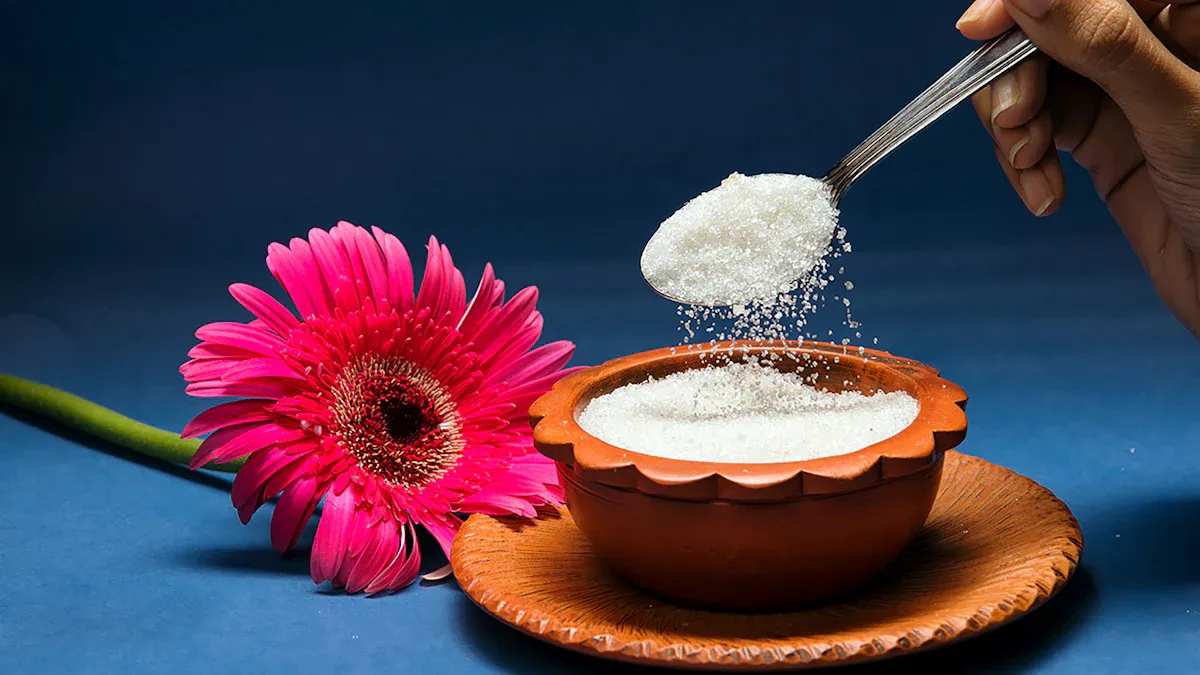
Allulose is a fascinating “rare sugar.” You find it in very small amounts in nature. It is a naturally occurring compound, not an artificial chemical you might worry about.
Natural Sources and Discovery
Scientists first discovered allulose in the 1940s. They found it in wheat. Later, they identified this rare sugar in other foods too. You can find allulose in certain fruits like figs, raisins, and jackfruit. It also appears in maple syrup, brown sugar, molasses, and even caramel sauce. However, the amounts in these natural sources are tiny. This makes it hard and expensive to get allulose directly from them.
How Allulose Is Produced
Because extracting allulose from natural sources is not practical, companies produce it in other ways. They use industrial processes to make enough allulose for you to enjoy. The main method is called enzymatic conversion. Here, special enzymes, like D-allulose 3-epimerase, change fructose into allulose. This process is efficient, but it has limits. Scientists are also exploring advanced methods. These include synthetic biology, where they engineer tiny organisms to make more allulose. They also use enzyme immobilization to make the enzymes more stable and reusable. Other techniques involve multi-enzyme systems and directed evolution to improve how enzymes work. These methods help create a steady supply of this unique sweetener.
Unique Properties as a Sugar
Allulose is a monosaccharide. This means it is a single sugar molecule. While it shares the same basic building blocks as fructose and glucose, its structure is distinct. Its molecular formula is C6H12O6. You can classify it as a ketohexose. Its systematic name is (3R,4R,5R)-1,3,4,5,6-Pentahydroxyhexan-2-one, or D-ribo-Hex-2-ulose. It is an epimer of fructose, meaning it has a slightly different arrangement of atoms. This unique structure gives allulose its special properties.
Allulose offers many benefits. It has negligible calories, acting almost like a non-nutritive sweetener. It does not significantly affect your blood glucose or insulin levels. This makes it a great choice for managing blood sugar. Animal studies suggest it may help reduce body fat and improve lipid profiles, supporting weight management. Allulose also provides antioxidant support, potentially reducing oxidative stress. It is non-cariogenic, meaning it does not cause tooth decay. This allulose sweetener shares a similar sweetness profile with regular sugar. However, it behaves differently in baking, for example, it does not caramelize in the same way. It blends well with other sweeteners, making it versatile for many food products. It also acts as a unique metabolic regulator for glucose and fat. You can see it has strong anti-oxidative effects and can even improve insulin resistance.
Allulose: Carbs and Blood Sugar Impact

You might wonder how allulose fits into your diet, especially concerning carbohydrates and blood sugar. Allulose has unique properties that set it apart from traditional sugars.
Carbohydrate Classification and Net Carbs
The Food and Drug Administration (FDA) classifies allulose as a carbohydrate. You will see it listed under the carbohydrate count on nutrition labels. However, the FDA allows manufacturers to exclude allulose from the “total sugars” and “added sugars” declarations. This is a significant distinction. While it is a carbohydrate, your body handles it differently than other sugars. The FDA also proposes changing its calorie count from 4 calories per gram to a much lower 0.4 calories per gram. This means allulose provides very few calories.
Your body metabolizes allulose minimally. It passes through your system without significant metabolism. This process produces a negligible amount of energy, estimated at just 0.2 calories per gram. Human studies show that allulose, absorbed in your small intestine, does not get metabolized into energy. You will not see an increase in carbohydrate energy expenditure or respiratory quotient. Most of the allulose you consume, about 66-79%, your body excretes in urine. Less than 3% appears in feces. This means allulose offers a near-zero calorie content, making it a valuable low calorie sweetener.
Glycemic Response and Diabetes
Allulose has a remarkable impact on your blood sugar levels. Studies conducted during the GRAS (Generally Recognized As Safe) process found that allulose has no impact on blood glucose. When you test it as a single ingredient, allulose is non-glycemic. Yasi Ansari, RDN, a senior dietitian at UCLA Health Santa Monica, states that allulose has a “near-zero” glycemic index. This means it is unlikely to cause a spike in your blood sugar.
This minimal impact makes allulose an excellent choice for managing diabetes. A pilot study used continuous glucose monitoring (FCGM) in patients with type 2 diabetes. It found that d-allulose decreased the percentage of Time Above Range (%TAR) and increased the percentage of Time in Range (%TIR) within 180 minutes after a meal. This suggests that d-allulose shortens the hyperglycemic phase. It helps maintain your glucose levels within the normal target range for a longer duration. A meta-analysis of clinical trials further demonstrated that allulose significantly reduces postprandial glucose levels and Time Above Range (TAR) in individuals with type 2 diabetes. This indicates improved glycemic control. Allulose has a negligible effect on blood glucose and insulin levels because your body does not significantly metabolize it. This reduction in glucose suggests allulose effectively lowers postprandial glucose without significantly increasing insulin secretion. This may help preserve pancreatic β-cell function, offering a clear benefit for people with diabetes.
Keto and Low-Carb Diet Suitability
Allulose is generally considered acceptable for a keto diet. It has very few calories and does not significantly impact your blood sugar levels. This makes it an ideal sugar substitute for you if you follow a ketogenic diet. Allulose is keto-friendly because it does not elevate your blood sugar or insulin levels. Unlike other sugars, it passes through your body largely unmetabolized. This makes it a suitable sugar alternative for those on a low-carb diet. Your body metabolizes allulose differently from fructose and other sugars. Instead of absorbing it and contributing calories or raising blood sugar, it passes through your body and is excreted. This unique metabolic pathway is why it is suitable for ketogenic diets and other low calorie eating plans.
Allulose Taste and Texture
Allulose offers a unique taste and texture that closely mimics regular sugar. You will find its sensory profile very appealing.
Sweetness Profile and Flavor
Allulose provides a mild, delicate taste. It closely mirrors high-purity sucrose. You will notice it is less sweet than sucrose when you compare them at equal concentrations.
Sucrose Concentration (% w/v) | Sweetness Potency of Allulose |
|---|---|
5% | 0.71 |
10% | 0.75 |
15% | 0.80 |
This means allulose is about 70-80% as sweet as sugar. When you blend allulose with sucrose in a 1:1 ratio, the mixture tastes almost identical to sucrose alone. High-quality allulose has no aftertaste. Its sweetness builds gradually, peaks appropriately, and fades cleanly. It leaves no lingering artificial notes. This is a big difference from other sweeteners. For example, erythritol can have a cooling aftertaste, and stevia can taste bitter.
Baking and Cooking Performance
Allulose performs well in baking and cooking. It has volumetric and processing properties similar to sucrose. This makes it suitable for many food applications. When you are baking with allulose, you should expect increased browning. This browning is often a desirable visual and textural quality. It typically results in a slight caramelization. This allows for a caramel-like taste to be achieved.
Sugar Type | Browning Effect Compared to Sucrose |
|---|---|
Allulose | More browning; ideal for desired visual quality (e.g., cookies) |
Fructose | Similar browning effect |
Dextrose | Allulose browns more effectively |
Brown Sugar | Allulose can replace it to maintain caramelized flavor and reduce calories |
If you want less browning, you can adjust other ingredients.
Comparison to Other Sweeteners
Allulose stands out when you compare it to other sweeteners. It is a natural sweetener derived through a natural process. Many people perceive it as a safer, natural alternative. Its mild, delicate taste and texture closely mirrors sucrose.
Feature | Allulose | High-Intensity Artificial Sweeteners (e.g., Aspartame, Sucralose) |
|---|---|---|
Origin | Natural (derived through a natural process) | Scientists formulate in a lab |
Health Concerns | Perceived as safer, natural alternative | Controversial, potential links to metabolic disruptions and gut microbiome changes |
Taste Profile | Mild, delicate, closely mirrors sucrose | Can have sharp taste arrival, lingering aftertaste, bitterness, thin, astringent, metallic properties |
High-intensity artificial sweeteners often have functional drawbacks. They can have a sharp taste arrival and a lingering aftertaste. Some, like stevia, can be bitter. They can also impart thin, astringent, and metallic properties in beverages. Allulose avoids these issues, offering a clean and familiar sweetness.
Allulose Safety and Benefits
You might wonder about the safety of allulose and its potential advantages. Allulose has a strong regulatory standing and offers several health benefits.
Regulatory Status and GRAS
Regulatory bodies around the world have reviewed allulose. You can see its acceptance in many regions:
Country/Region | Regulatory Body/Status |
|---|---|
United States | FDA (GRAS notification) |
China | Approved as a new food material |
Australia & New Zealand | FSANZ (Novel-Food review) |
Mexico | COFEPRIS (Food additive review) |
Korea | Approved in foods |
Singapore | Internal safety review |
Japan | Treated as ordinary ingredient |
In the United States, the FDA officially recognizes allulose as Generally Recognized As Safe (GRAS). This recognition comes from multiple no-objection letters on file. For example, GRN No. 400 from CJ Cheiljedang, Inc. dates back to June 18, 2012. GRN No. 498 from Matsutani Chemical Industry Company, Ltd. followed on June 12, 2014. This status confirms the safety of allulose for use in food products.
Potential Health Advantages
Allulose offers several health benefits. It can help you manage your weight.
Allulose reduces post-meal glucose and insulin in short-term human studies.
Replacing sugar with allulose cuts calories (0.4 kcal/g vs 4 kcal/g for sucrose). This can aid weight loss when you use it consistently.
Small human trials and mechanistic studies suggest possible benefits on fat oxidation and body fat. Larger, longer trials are still needed.
You get fewer calories per gram with allulose. It provides about 0.4 kcal/g compared to 4 kcal/g for sucrose. This leads to reduced calorie intake when you use it as a sugar substitute. Allulose also blunts post-meal glucose and insulin spikes. Acute human studies show allulose reduces postprandial glucose and insulin responses. This potentially lowers insulin-driven fat storage. Animal studies and some human metabolic studies suggest allulose increases fat oxidation. It may reduce fat accumulation in the liver and muscle. This contributes to body composition changes. These are significant health benefits.
Possible Side Effects
While allulose offers many benefits, you should be aware of possible side effects. Consuming large quantities of allulose may lead to some abdominal discomfort. The FDA indicates this effect is not toxic and typically temporary.
Common gastrointestinal side effects include:
Bloating
Abdominal pain
Diarrhea
Decreased appetite
Passing gas
Abdominal sounds
A study found that the maximum total daily intake for regular ingestion is 0.9 g/kg·BW. This means a 60 kg adult should consume a maximum of 54 grams of allulose per day. Subjects experienced severe symptoms like nausea, abdominal pain, headache, anorexia, and diarrhea at a dose of 1.0 g/kg·BW. Research tracking allulose intake indicates that consuming 5-15 grams per day for up to 48 weeks has not been associated with any negative effects.
Allulose: A Healthy Sweetener Choice
You can make allulose a healthy sweetener choice for your diet. It helps you reduce sugar intake. You still enjoy sweet flavors.
Incorporating Allulose into Your Diet
You can easily add allulose to your daily meals. Use it to sweeten coffee, tea, or smoothies. You can also use it in homemade lemonade. When you bake, substitute allulose 1:1 for sugar in recipes. This works for cookies, cakes, and muffins. Many commercial products already use allulose. These include yogurt, jams, baked goods, and ice creams.
When you bake with allulose, remember it is about 70% as sweet as table sugar. Adjust quantities as you need. Allulose browns and caramelizes like sugar. This gives baked goods a golden crust. It also helps baked goods stay tender and moist longer. High concentrations might cause a slight cooling sensation. You can combine allulose with other sweeteners for optimal texture and taste. Allulose is stable under heat. This makes it suitable for baking, cooking, and candy-making. For health benefits, use 1-2 teaspoons twice daily. Incorporate it into your foods and beverages easily.
Allulose as a Sugar Replacement
Allulose works well as a replacement for sugar. You can use a general 1:1 ratio when you substitute it. Pyure Organic Brown Sweetener, a brown sugar replacement, also works as a direct 1:1 substitute for sugar. For baking cakes, you can substitute sugar with allulose at a ratio of 1 to 1 1/2 or 1 and 1/4.
Allulose is excellent in baking. It works for caramelization and making syrups. It closely mimics the taste and texture of sugar. This makes it a good sugar substitute. Allulose is well-suited for general baking and cooking. It offers similar browning and caramelization properties to sugar. It does not have an aftertaste. This makes it an excellent choice for healthier treats. You can use allulose in frostings, puddings, jams, and caramel. It is also great for ice cream, marshmallows, cakes, and cheesecake. Cakes become fluffier and lighter with allulose. Cheesecake turns out heavenly.
Considerations for Use
You should consume allulose in moderation. This minimizes potential side effects. Studies have used up to 0.4 grams per kilogram of body weight without problems. Start with small amounts. Gradually increase to see your tolerance. Be mindful of your total sugar substitute intake daily. This avoids digestive discomfort.
Corn is the preferred plant source for industrial allulose production. It is cost-effective. Enzymatic processes extract large amounts from corn. Sourcing allulose from other plants is not economically feasible. Allulose, despite its higher price, gains popularity. Health-conscious consumers choose it over refined foods. The market faces challenges from low-cost synthetic products. A lack of awareness about plant-based allulose also hinders growth. The corn-based segment dominates the allulose market. This is due to its availability and cost-effective production. Fruit-based allulose is more expensive. Demand for it rises in premium products.
Allulose supplementation can improve metabolic health. It helps with body weight and food consumption. Allulose improves glycemic control. It enhances insulin sensitivity. It decreases enteral absorption. Allulose may prevent liver fat accumulation. It promotes mitochondrial uncoupling in adipose tissue. This helps with weight regulation. Allulose can influence satiety. It reduces overall caloric intake. This suggests an appetite-regulating effect. Allulose increases active GLP-1 levels. This hormone helps with glucose regulation and appetite control. This low calorie sweetener offers many benefits.
Allulose is a versatile, low-calorie, and low-carb sugar alternative. It closely mimics the taste and function of sugar. You will find allulose has a minimal impact on your blood sugar. This makes allulose suitable for many dietary approaches. Allulose is a compelling healthy sweetener. It helps you reduce sugar intake without sacrificing sweetness or enjoyment. Allulose is an excellent replacement for sugar.
FAQ
What is the main difference between allulose and sugar?
Allulose tastes like sugar but has almost no calories. Your body does not metabolize it for energy. Sugar provides many calories and significantly raises your blood sugar. Allulose offers a sweet taste without these effects.
Can you use allulose in all recipes?
Yes, you can use allulose in most recipes. It bakes and caramelizes like sugar. You might notice more browning in baked goods.
Adjust the amount since it is about 70% as sweet as sugar.
Does allulose have any calories?
Allulose has very few calories. It provides about 0.4 calories per gram. This is much less than sugar, which has 4 calories per gram. Your body excretes most of it without using it for energy.
Is allulose safe for everyone?
Regulatory bodies like the FDA consider allulose safe. Most people tolerate it well. However, consuming very large amounts might cause mild digestive upset. Start with small amounts to see how your body reacts. ⚠️