


Many consumers now explore alternative dairy options. A common question arises: is goat milk vs cow milk a clear winner? The best choice depends on individual nutrition needs, digestive sensitivities, and health goals. Many individuals choose goat milk for its easier digestibility. Its smaller fat globules and different protein structure often benefit those with sensitivities. Goat milk also provides higher levels of protein and calcium, along with beneficial prebiotic oligosaccharides.
Key Takeaways
Goat milk has more protein and calcium than cow milk. It also has more potassium and magnesium.
Goat milk is often easier to digest. It has less lactose and smaller fat particles. Its protein structure is also different.
Goat milk contains special sugars called oligosaccharides. These help good bacteria grow in your gut.
Most people with a cow milk allergy cannot drink goat milk. Always talk to a doctor first if you have allergies.
Goat milk has a unique taste. It is creamy and can be used in many recipes.
Goat Milk Vs Cow Milk: Nutritional Comparison
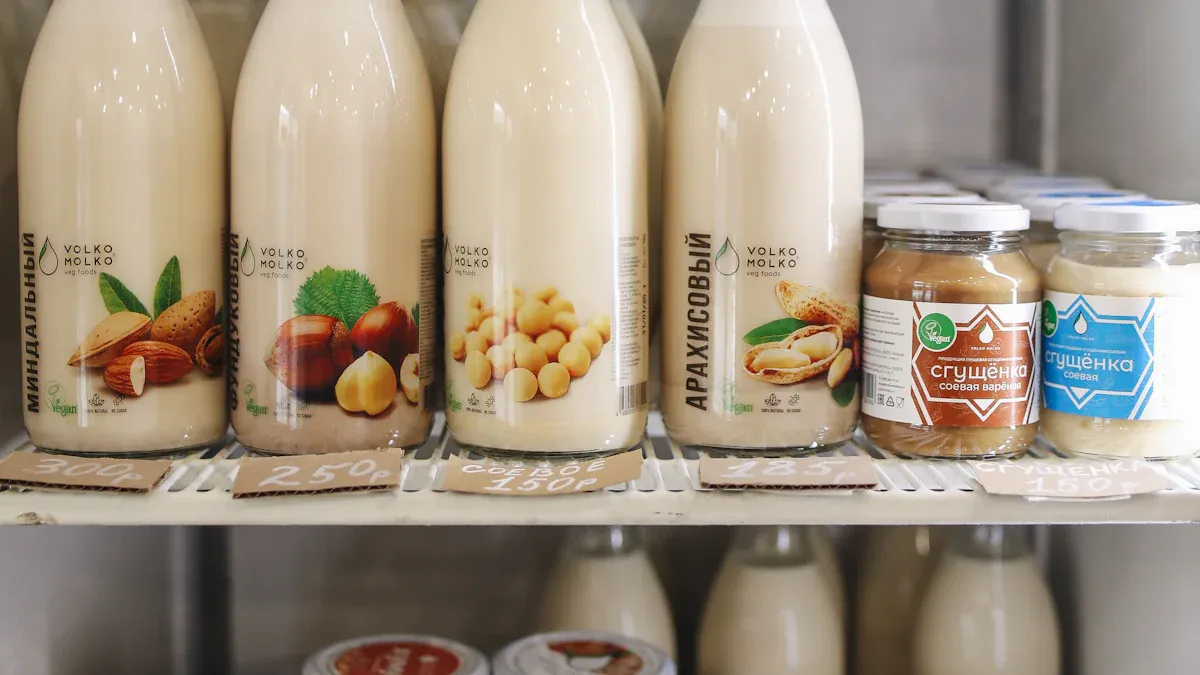
Understanding the nutritional composition of different milks helps people make informed choices. Both goat milk and cow milk offer valuable nutrition information. However, their specific nutrient profiles show some key differences. Goat milk often appears thicker and creamier than cow milk. This section details the macronutrient and micronutrient profiles of both milks.
Macronutrient Breakdown
Macronutrients include proteins, fats, and carbohydrates. These provide the body with energy and building blocks.
Protein: Both milks are sources of high-quality protein. A typical serving of goat milk (one cup) provides around 9 grams of protein. Cow milk offers about 8 grams of protein per cup. Goat milk also contains less aS1 casein. This specific protein can sometimes be an allergen for certain individuals. Therefore, goat milk can be a good option for those seeking a high in digestible protein source with potentially fewer allergenic components.
Fats: Goat milk generally has a slightly higher fat content and more calories than cow milk. However, the type of fat differs. Goat milk contains more short-chain fatty acids. It also has twice as many medium-chain triglycerides. The body absorbs these fats more easily. The liver processes them directly, unlike longer-chain fatty acids. Goat milk also has a higher percentage of non-cholesterol-raising fatty acids. This contributes to its unique nutritional value.
Carbohydrates: Lactose is the primary carbohydrate in milk. Goat milk exhibits significantly lower lactose concentrations compared to cow milk. It shows an 8.7% reduction in lactose. For example, 100 grams of goat milk contains about 4.13 grams of lactose. Cow milk contains about 4.52 grams per 100 grams. This difference in lactose content is important for individuals with lactose sensitivities.
Micronutrient Profile
Micronutrients are vitamins and minerals essential for health. Both milks provide a range of these vital compounds.
Minerals: The calcium content in both milks is quite similar. One cup of either goat milk or cow milk provides approximately 300 mg of calcium. However, goat milk often contains higher levels of other important minerals. It has more magnesium and potassium. For instance, one cup of goat milk provides about 498 mg of potassium, while cow milk offers around 322 mg. Goat milk also contains higher levels of phosphorus. It has about 271 mg per 100 grams compared to 222 mg in cow milk. It also offers higher amounts of trace minerals like iron and copper.
Vitamins: Goat milk provides higher levels of vitamins A, C, and B1. Cow milk, on the other hand, contains more selenium, folate, and riboflavin. Cow milk is also significantly higher in vitamin B12. The vitamin D content can vary in both milks, often depending on fortification. This detailed nutrition information helps consumers understand the specific benefits of each milk.
Nutritional Comparison Table
This table summarizes key nutritional value differences between goat milk and cow milk.
Nutrient/Component | Goat Milk | Cow Milk |
|---|---|---|
Calorie Density | Slightly more | Less |
Calories from Sugars | Fewer | More |
Calories from Fat & Protein | More | Less |
Medium-Chain Triglycerides | Twice as much | Less |
Magnesium | Higher | Lower |
Calcium | Similar (~300mg/cup) | Similar (~300mg/cup) |
Phosphorus | Higher | Lower |
Potassium | Higher | Lower |
Trace Minerals (Iron, Copper) | Higher | Lower |
Folate | Lower | Significantly Higher |
Zinc | Lower | Significantly Higher |
B12 | Lower | Significantly Higher |
Vitamin A, C, B1 | Higher | Lower |
Selenium, Riboflavin | Lower | Higher |
Digestibility Factors

Goat milk is often considered easier to digest than cow milk. Several factors contribute to this perception. These include its unique fat structure, which features smaller fat globules. Goat milk also has an alkaline-forming nature. This can help create a more balanced gut environment. It contains lower levels of certain allergenic compounds. Goat milk also has slightly lower lactose content. Finally, its protein type, primarily A2 beta-casein, plays a role.
Lactose Content Differences
Goat milk contains less lactose than cow milk. This is a key reason many people find it easier to digest. Goat milk has about 4.1 grams of lactose per 100 grams. Cow milk typically contains 4.7 to 5 grams per 100 grams. This means goat milk has approximately 10% to 13% less lactose. This lower lactose content can be beneficial for individuals with mild lactose intolerance. They may experience fewer digestive issues when consuming goat milk. Many people with lactose intolerance find goat milk more tolerable.
Protein Structure: A1 vs. A2
The type of protein in milk also affects digestion. Milk contains beta-casein proteins. These come in two main forms: A1 and A2. The difference lies in one amino acid at position 67. A1 beta-casein can break down into beta-casomorphin-7 (BCM-7) during digestion. BCM-7 is an opioid peptide. Some research suggests BCM-7 can cause inflammation and digestive issues. A2 beta-casein does not form BCM-7. Goat milk primarily contains the A2 type of beta-casein. This makes goat milk potentially easier to digest for some people. Many cow milk varieties contain A1 beta-casein, especially from breeds like Holstein.
Goat milk generally forms smaller protein aggregates and softer curds in the stomach compared to cow milk. This leads to faster protein hydrolysis and gastric emptying. Studies show goat-milk-based formulas have faster protein digestion rates. They form curds that stay for shorter times in the stomach. For example, goat milk caseins often digest faster than cow milk caseins. This is likely due to the softer coagulum goat milk forms. However, some research indicates no significant differences in protein digestion between cow and goat milk in certain situations. Other studies even suggest slower hydrolysis for goat milk proteins in specific contexts. These varying results show the complexity of digestion.
Fat Globule Size
The size of fat globules in milk impacts how the body processes it. Goat milk has smaller fat globules compared to cow milk. Research shows fat globule size decreases from buffalo to cow to goat to camel milk. These smaller fat globules create a larger surface area for digestive enzymes to act upon. This leads to faster digestion and more efficient nutrient absorption. This contributes to its easier digestion.
Prebiotic Content and Gut Health
Goat milk contains special carbohydrates called oligosaccharides. These act as prebiotics. Prebiotics feed beneficial bacteria in the gut. Goat milk has a diverse range of these oligosaccharides. Scientists have identified 40 different structures in mature goat milk. These include neutral and acidic types. These oligosaccharides promote the growth of good gut bacteria, like bifidobacteria and lactobacilli. They also help protect against harmful pathogens. They act as decoys, preventing bad bacteria from attaching to the gut lining. This supports a healthy gut microbiome and overall gut health.
Goat Milk: Health Benefits and Considerations
Goat milk offers specific health advantages. However, consumers should also consider potential drawbacks. Understanding these points helps individuals make informed dietary choices.
Allergenicity and Sensitivities
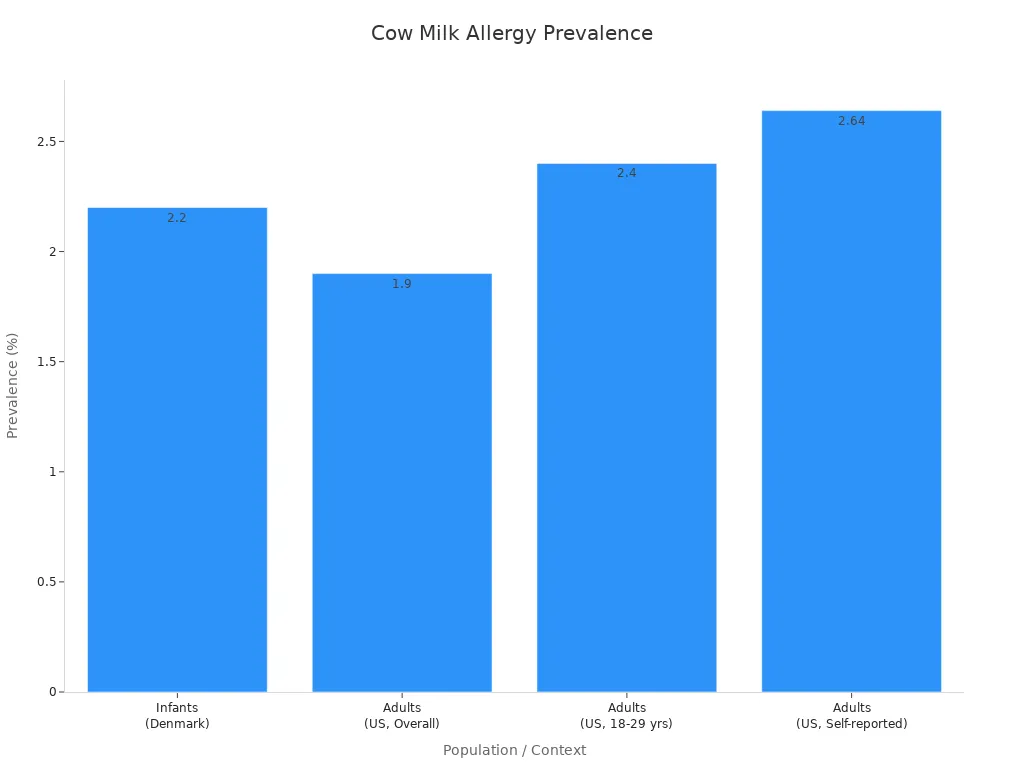
Some people find goat milk easier to digest than cow milk. This is not always true for those with true milk allergies. Cow milk allergy (CMA) affects 2–3% of US infants. It is the most prevalent allergen in this population.
Population | Prevalence (%) | Age Group/Context |
|---|---|---|
Infants (Developed Countries) | 0.5% – 3% | At 1 year of age |
Infants (Denmark) | 2.2% | First year of life (incidence) |
Adults (US, survey 2015–2016) | 1.9% | Overall |
Adults (US, survey 2015–2016) | 2.4% | Aged 18 to 29 years |
Most individuals with cow milk allergies cannot tolerate milk from other mammals. This includes goat milk. Approximately 90% of patients allergic to cow milk will react to goat’s or sheep’s milk. A study found only 25% of patients tolerated goat protein. Therefore, individuals with cow milk allergies should not use goat milk as a substitute without specialist advice.
Bone Health and Mineral Absorption
Goat milk is rich in essential nutrients. It provides protein, calcium, potassium, phosphorus, magnesium, and vitamin A. Adequate vitamin A intake can reduce the risk of cataracts and certain cancers. It also helps children fight off measles. Studies show no significant difference in calcium availability between goat milk and cow milk. Calcium availability ranges between 18% and 23% for both.
Gut Health Support
Goat milk contains oligosaccharides. These act as prebiotics. They feed beneficial bacteria in the gut. Research shows whole goat milk treatment significantly increases the relative abundance of the genus Lactobacillus. Goat milk-based infant formula promotes beneficial bacteria like Blautia and Roseburia. These benefits contribute to a healthy gut microbiome.
Calorie and Fat Content
Goat milk has a similar calorie count to whole cow milk.
Milk Type | Calories per 100ml |
|---|---|
Goat Milk | 67 Cal |
Whole Cow Milk | 65 Cal |
Goat milk contains more calories per serving compared to some plant milks. Calorie-conscious individuals might need to consume it in smaller portions. It is not always a healthier alternative for weight loss. Plant milks or skim cow milk are often better choices due to lower calorie, fat, and sugar content.
Flavor and Texture
The sensory experience of milk, including its taste and feel, often guides consumer preference. Goat milk and cow milk offer distinct profiles.
Distinctive Taste Profiles
Goat milk has a unique flavor. Many describe it as clean and sweet, with a distinct character. It often presents a subtle tanginess, similar to plain yogurt or cultured butter. Some people detect subtle earthy or grassy notes, which can vary based on the goat’s diet. High-quality, fresh goat milk often has nutty and earthy undertones. It typically offers a smooth, creamy mouthfeel and a clean finish without a lingering aftertaste. Occasionally, individuals notice subtly savory or minerally undertones. This contrasts with cow milk, which generally has a milder, more universally familiar taste.
Culinary Applications
The unique flavor and texture of goat milk make it versatile in the kitchen. Its creamy consistency works well in sauces, soups, and baked goods. Many chefs use it to make cheeses, such as chèvre, which highlights its tangy notes. People also enjoy goat milk in smoothies or coffee for a different taste. Its distinct profile can complement both sweet and savory dishes. For example, it pairs well with fruits, honey, or herbs.
Neither goat milk nor cow milk is universally superior. The best choice depends on individual needs. Goat milk offers favorable protein and calcium, but has higher fat and calories. Its digestibility advantages include lower lactose, smaller fat globules, and prebiotics. This makes goat milk a good alternative for some. Individuals with mild cow milk sensitivities or digestive issues may find goat milk beneficial. Those seeking better mineral absorption also benefit from goat milk. Cow milk suits those preferring a familiar taste or specific protein needs. Consider your health goals and preferences when choosing an alternative.
FAQ
What makes goat milk easier to digest for some people?
Goat milk has smaller fat globules. It also contains less lactose than cow milk. Its protein structure is mainly A2 beta-casein. These factors help the body process it more easily.
What are the key nutritional differences between goat milk and cow milk?
Goat milk has slightly more protein, fat, and calories. It offers higher levels of potassium, magnesium, and vitamin A. Cow milk contains more folate, zinc, and vitamin B12.
Can individuals with a cow milk allergy drink goat milk?
Most people with a cow milk allergy cannot drink goat milk. About 90% of those allergic to cow milk also react to goat milk. Consult a specialist before trying it.
How does goat milk support gut health?
Goat milk contains oligosaccharides. These act as prebiotics. They feed beneficial gut bacteria. This promotes a healthy gut microbiome. It can also help protect against harmful pathogens.
What is the calorie content of goat milk compared to cow milk?
Goat milk has a similar calorie count to whole cow milk. For example, 100ml of goat milk contains about 67 calories. Whole cow milk has approximately 65 calories per 100ml.