


Milk holds a long-standing reputation as a foundational food for health and growth. More than 6 billion individuals worldwide regularly consume milk and dairy products. This beverage is more than just a drink; it is a nutrient-dense food packed with essential components. Its nutritional composition of milk includes key players like protein, calcium, and a spectrum of vitamins. The nutritional content of milk also features other vital minerals. This article explores the comprehensive nutritional profile of milk and its significant contributions to overall well-being, highlighting its many benefits. Understanding milk nutrition helps appreciate its health benefits of milk and its overall nutritional benefits.
Key Takeaways
Milk is full of important nutrients. It has protein, calcium, and vitamins like D and B12. These help your body stay healthy.
Drinking milk helps make your bones strong. Calcium and vitamin D in milk work together. They build strong bones and teeth.
Milk helps your muscles grow and heal. It has good protein. This protein gives your muscles what they need after you exercise.
Milk can make your immune system stronger. It has vitamins and minerals. These help your body fight off sickness.
There are many types of milk. You can choose dairy milk or plant-based milks. Pick the one that fits your needs best.
Key Milk Nutrients

Milk offers a rich array of essential nutrients. It provides a unique combination of components vital for human health. Milk contains thirteen essential nutrients. These include calcium, vitamin D, and potassium. These are important dietary components. Milk is also a good source of protein, vitamin A, and B vitamins. This comprehensive nutritional value makes milk a foundational food.
Protein Power
Milk is an excellent source of protein. It contains high-quality protein. This protein provides all nine essential amino acids. These amino acids are crucial for vital bodily functions. They help with nutrient absorption, tissue repair, and protein synthesis. Milk proteins are composed of about 80% casein and 20% whey protein. Both are heteroproteins. Caseins are easily broken down by digestive enzymes. This helps maintain amino acid balance. Whey proteins, like α-lactalbumin, are involved in lactose creation. They are also used in food products.
Amino Acid | Cow (g/100g protein) | Sheep (g/100g protein) | Goat (g/100g protein) |
|---|---|---|---|
Essential Amino Acids | |||
Histidine (His) | 3.66 | 2.52 | 2.34 |
Isoleucine (Ile) | 4.01 | 4.22 | 3.93 |
Leucine (Leu) | 8.81 | 7.91 | 8.23 |
Lysine (Lys) | 7.79 | 7.47 | 7.15 |
Methionine (Met) | 2.91 | 2.80 | 2.65 |
Phenylalanine (Phe) | 4.67 | 4.76 | 4.75 |
Threonine (Thr) | 4.87 | 5.06 | 5.47 |
Tryptophan (Trp) | n.d. | n.d. | n.d. |
Valine (Val) | 4.79 | 5.01 | 5.22 |
Non-Essential Amino Acids | |||
Alanine (Ala) | 3.31 | 3.64 | 2.92 |
Arginine (Arg) | 3.33 | 3.40 | 2.75 |
Aspartic Acid (Asx) | 7.49 | 7.27 | 6.55 |
Cysteine (Cys) | 0.87 | 1.06 | 0.87 |
Glutamic Acid (Glx) | 21.67 | 19.69 | 19.71 |
Glycine (Gly) | 1.80 | 1.74 | 1.52 |
Proline (Pro) | 6.58 | 9.31 | 8.94 |
Serine (Ser) | 5.96 | 5.69 | 5.16 |
Tyrosine (Tyr) | 5.00 | 5.04 | 3.78 |
Note: n.d. indicates ‘not determined’.
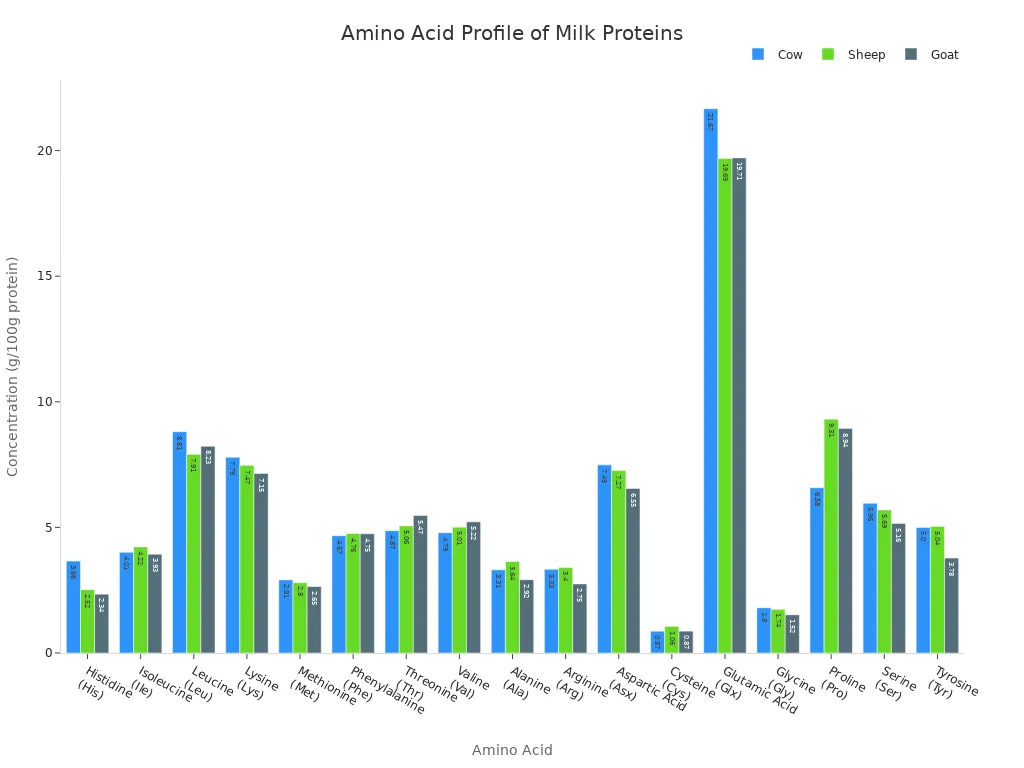
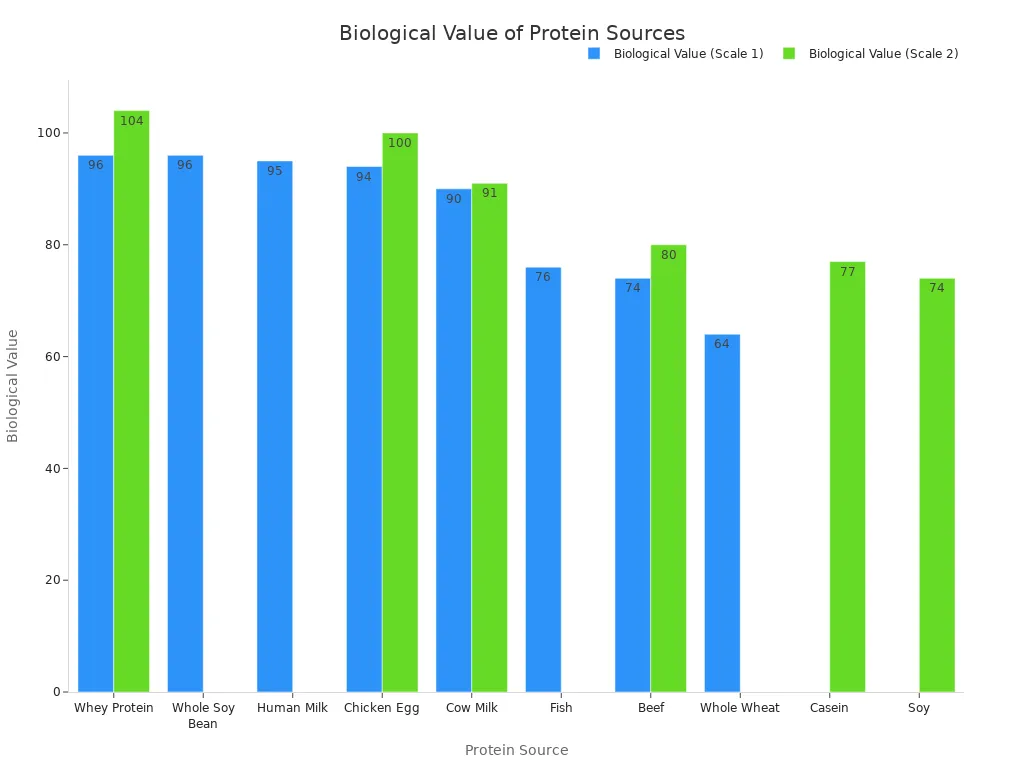
Milk protein has a high total amino acid content. Glutamic acid is the most common amino acid in cow, goat, and sheep raw milk proteins. Essential amino acids make up about 40% of the total proteins. This confirms the high protein quality of milk. Milk is considered an ideal protein source. It has a high biological value. This means the body uses its protein very efficiently. Milk can also improve the overall protein quality of a meal. This happens when people eat it with lower quality proteins like cereals.
Protein Source | Biological Value (Scale 1) | Biological Value (Scale 2) |
|---|---|---|
Whey Protein | 96 | 104 |
Human Milk | 95 | N/A |
Chicken Egg | 94 | 100 |
Cow Milk | 90 | 91 |
Whole Soy Bean | 96 | N/A |
Fish | 76 | N/A |
Beef | 74 | 80 |
Casein | N/A | 77 |
Soy | N/A | 74 |
Whole Wheat | 64 | N/A |
Calcium for Bones
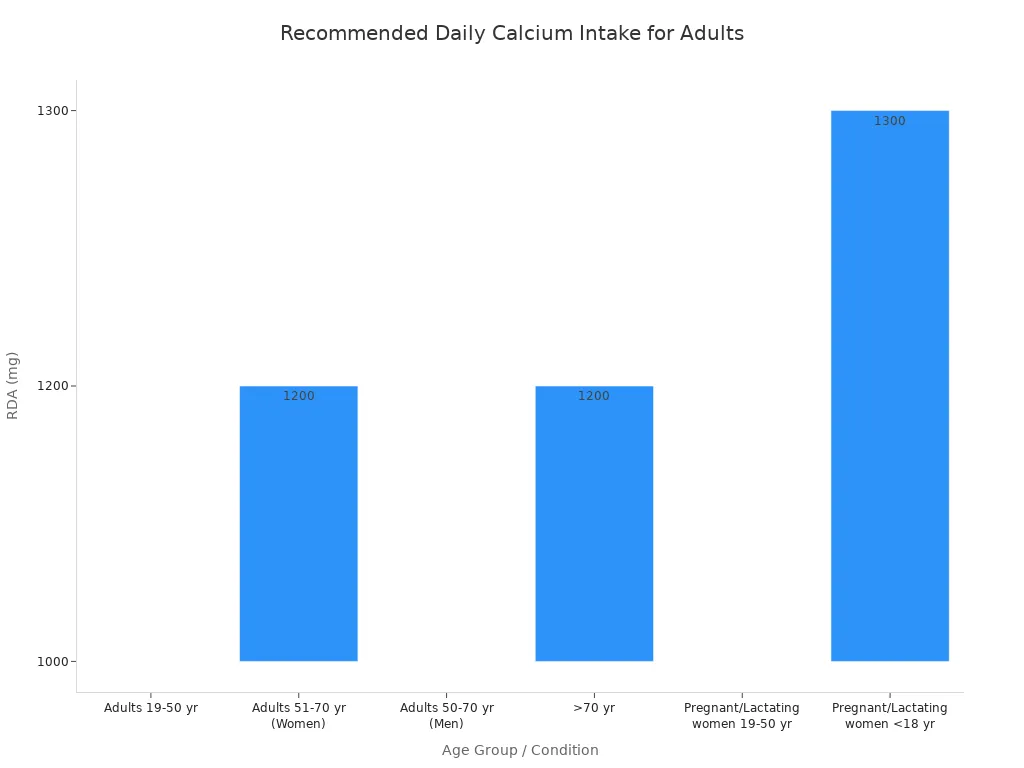
Milk is a primary source of calcium. Calcium is essential for strong bones and teeth. It also plays a role in other bodily functions. These include nerve function and muscle contraction. Adults need specific amounts of calcium daily. For women aged 50 and younger, the recommended daily calcium intake is 1,000 milligrams (mg). For women over 50, it is 1,200 mg. Men aged 50-70 need 1,000 mg. Men over 70 need 1,200 mg.
Age Group | Recommended Daily Allowance (mg) |
|---|---|
Adults 19-50 yr | 1,000 |
Adults 51-70 yr (Women) | 1,200 |
Adults 50-70 yr (Men) | 1,000 |
>70 yr | 1,200 |
Pregnant/Lactating women 19-50 yr | 1,000 |
Pregnant/Lactating women <18 yr | 1,300 |
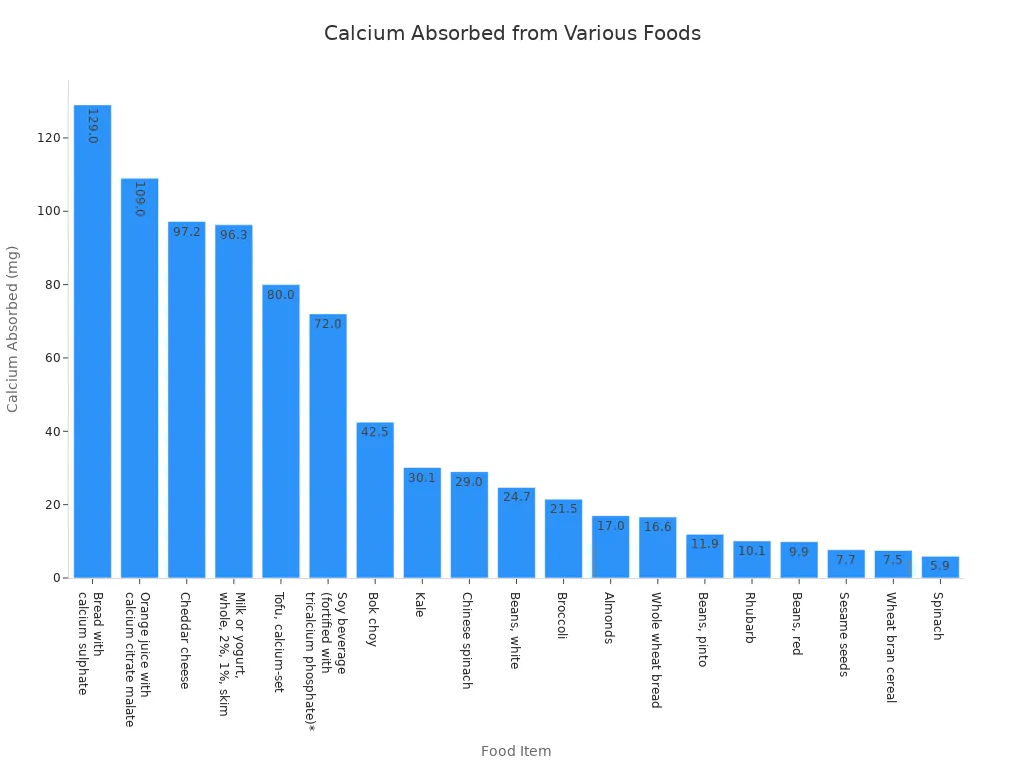
The body absorbs calcium from milk well. Its bioavailability is about 30% to 35%. This is often better than many plant-based sources. Plant foods can contain substances that reduce calcium absorption. For example, cooked spinach has 115 mg of calcium per serving. But the body only absorbs about 5% (6 mg). Milk’s calcium absorption is around 32%. This means one cup of milk provides about 101 mg of absorbed calcium. You would need about 8 cups of spinach to get the same amount of absorbable calcium as 1 cup of milk. Some fortified foods can have similar or higher calcium absorption.
Essential Vitamins
Milk contains several essential vitamins. These vitamins support various body functions.
Vitamin D: This vitamin helps the body absorb calcium. It is needed for healthy teeth and bones. It also helps maintain proper blood levels of calcium and phosphorus. Vitamin D supports the immune system. It may also help with mood regulation.
Vitamin B12 (Cobalamin): This vitamin is important for metabolism. It helps form red blood cells. It also maintains the central and peripheral nervous systems. Vitamin B12 is involved in DNA synthesis. A lack of B12 can lead to anemia and nerve problems. It also helps convert food into energy.
Riboflavin (Vitamin B2): One cup of whole cow’s milk contains about 0.41 mg of Riboflavin. Riboflavin helps the body convert food into energy. It also supports cell growth and function.
Vitamin A: Milk provides Vitamin A. One cup of milk contains about 461.16 IU of Vitamin A. This vitamin is important for good vision. It also supports immune function and skin health.
Other Vital Minerals
Milk and dairy products also provide other important nutrients. These minerals contribute to the overall nutritional value of milk.
Potassium: This mineral works with sodium. It helps maintain fluid balance in the body. Potassium is especially critical for heart function. It helps send nerve signals and regulates muscle contraction.
Phosphorus: Phosphorus is a key element in forming bones, teeth, and cell membranes. It helps activate enzymes. It also maintains blood pH. Phosphorus regulates nerve and muscle function, including the heart. It is a building block of DNA, RNA, and ATP, which is the body’s main energy source.
Zinc: Zinc supports the immune system. It also plays a role in wound healing and cell division.
Iodine: Iodine is essential for thyroid hormone production. These hormones control metabolism and growth.
Selenium: Selenium acts as an antioxidant. It protects cells from damage. It also supports thyroid function.
Pantothenic Acid (Vitamin B5): This vitamin helps convert food into energy. It is also involved in making hormones and cholesterol.
Milk offers a comprehensive package of these important nutrients per serving. This makes it a valuable part of a healthy diet.
Health Benefits of Milk
Milk offers many health benefits. Scientific evidence shows that dairy products contribute to meeting nutrient recommendations. They also protect against chronic diseases. An umbrella review of many studies found that consuming milk was more often associated with benefits than harm. It showed reduced risks for cardiovascular disease, stroke, hypertension, colorectal cancer, metabolic syndrome, obesity, osteoporosis, type 2 diabetes, and Alzheimer’s disease. These findings support including this beverage as part of a healthy diet.
Bone Health Support
Milk is crucial for strong bones. Calcium, vitamin D, phosphorus, and protein work together to build and maintain bone density. This helps prevent osteoporosis across all ages. Studies show a strong link between milk consumption and bone mineral density (BMD). For example, men who drank it daily during midlife had higher femoral neck BMD in old age. Women showed similar trends. Intake during adolescence and old age also linked to higher BMD.
Research confirms milk’s role in preventing osteoporosis. A meta-analysis of randomized controlled trials found that this beverage favorably impacts bone density. It attenuates bone loss. Another review showed that lower dairy consumption links to lower bone mineral density over time. It also found positive associations between intake in infancy/adolescence and hip BMD in women. Intake after age 65 linked to arm BMD at the wrist. Fermented dairy products also showed benefits. They linked to larger bone size and less bone loss in postmenopausal women. Dairy protein also associated with increased bone mineral density over five years in adults aged 50 and older. Maintaining proper peak bone mass is vital for osteoporosis prevention. Dairy products are a primary source of calcium for this purpose. Experts advise against avoiding milk later in life to prevent bone mass loss. This supports overall bone health.
Muscle Growth and Repair
Milk’s protein content aids muscle growth and repair. It provides high-quality protein with all essential amino acids. These are vital for rebuilding damaged muscle fibers and promoting strength. Milk proteins, including casein and whey, are particularly effective. Whey protein contains branched-chain amino acids like leucine, isoleucine, and valine. These are beneficial for muscle building, preventing muscle loss, and fueling exercise. Regular consumption links to lower age-related muscle loss. It also links to greater whole-body muscle mass and improved physical performance in older adults.
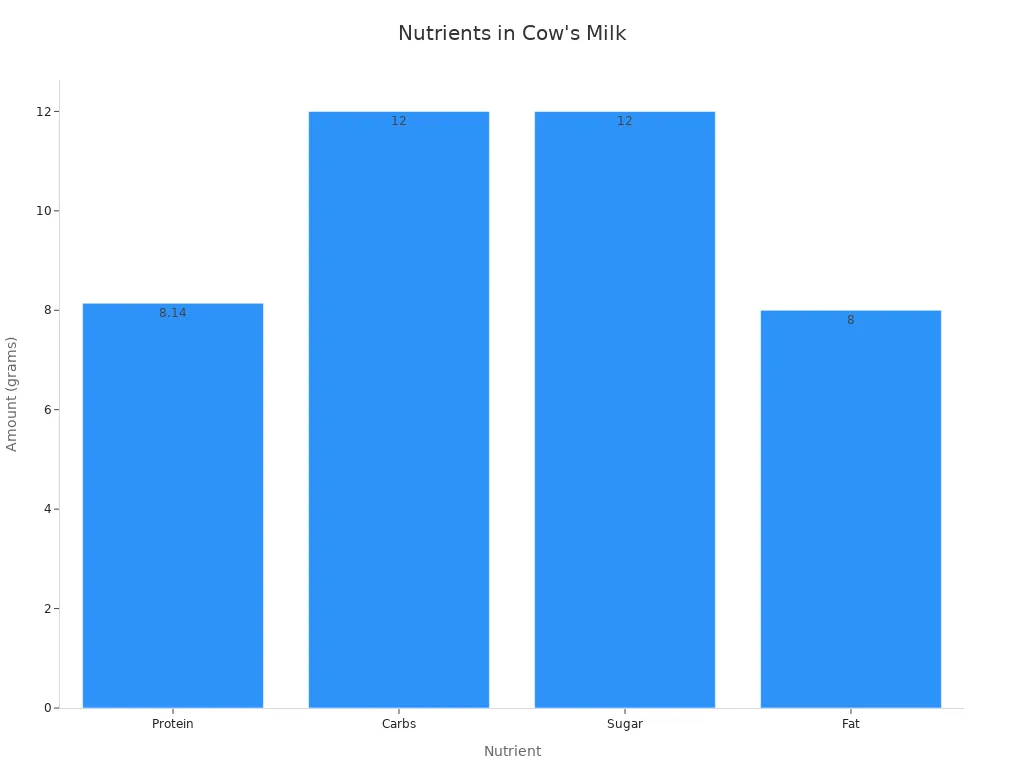
After exercise, milk helps muscle recovery. Ingestion of milk protein stimulates net muscle protein synthesis. For example, 9 grams of milk protein augmented the signaling response to resistance exercise in middle-aged men. This dose stimulates muscle anabolism. Thirty grams of milk-derived protein also resulted in a robust muscle protein synthetic response in young males. This beverage provides 8 grams of high-quality protein per serving. This is essential for muscle repair and growth after exercise. It also contains natural electrolytes like potassium, sodium, and magnesium. These maintain fluid balance, prevent dehydration, and reduce muscle cramps. The carbohydrates in milk replenish glycogen stores in muscles. This provides energy for recovery. Chocolate milk offers an optimal carbohydrate-to-protein ratio. This aids rehydration, muscle repair, and energy replenishment after workouts.
Immune System Boost
Milk contains various vitamins and minerals that contribute to a healthy immune response. Vitamin D supports the immune system. It helps absorb calcium, which signals white blood cells to fight disease. Vitamin A is essential for immune health. Vitamin B12 is required for healthy red blood cell formation and metabolism regulation. Zinc is crucial for fighting infections and creating new skin cells. Selenium acts as a dietary antioxidant. It helps the body create proteins that defend against oxidative stress.
This beverage also contains immune modulators. Lactoferrin, an iron-binding glycoprotein in milk, has antimicrobial and antioxidant properties. It influences innate and adaptive immunity. Fermented dairy products, like yogurt, can strengthen the immune system. Probiotic yogurt is particularly effective. Studies show that milk fermented with specific cultures can modulate immune responses in stressed students. Bioactive peptides in milk increase the activity of immune system cells. They support lymphocyte proliferation, natural killer cell function, and antibody synthesis.
Heart Health Contributions
Milk contributes to cardiovascular well-being. Potassium in this beverage plays a key role in blood pressure regulation. It works with sodium to maintain fluid balance. Potassium is critical for heart function. It helps send nerve signals and regulates muscle contraction. Studies show that potassium treatment can improve vascular endothelial function and arterial distensibility. Potassium-enriched high-calcium skim milk also decreased seated office systolic blood pressure in individuals with untreated hypertension. This indicates a small but significant hypotensive effect.
The relationship between dairy consumption and cardiovascular disease (CVD) is complex. It depends on the type of dairy product. Moderate intake of total dairy foods generally has a neutral effect on CVD risk. Fermented dairy products, such as yogurt and cheese, may offer beneficial health effects. They influence key cardiovascular risk factors like lipids and inflammation. This beverage contains various components that impact heart health. Milk polar lipids can reduce lipid biomarkers of CVD. Conjugated Linoleic Acids (CLA) and Omega-3s link to reduced risk of heart disease. Calcium intake associates with decreased total cholesterol and LDL-C. Milk proteins can significantly reduce systolic and diastolic blood pressure. Overall, current evidence suggests dairy products have a neutral or positive effect on human cardiovascular diseases. This highlights the importance of focusing on whole foods. The benefits of drinking milk every day extend to cardiovascular health.
Milk Types and Alternatives

People have many choices when selecting milk. These choices include different types of dairy milk and various plant-based options. Each type offers a unique nutritional profile.
Dairy Milk Varieties
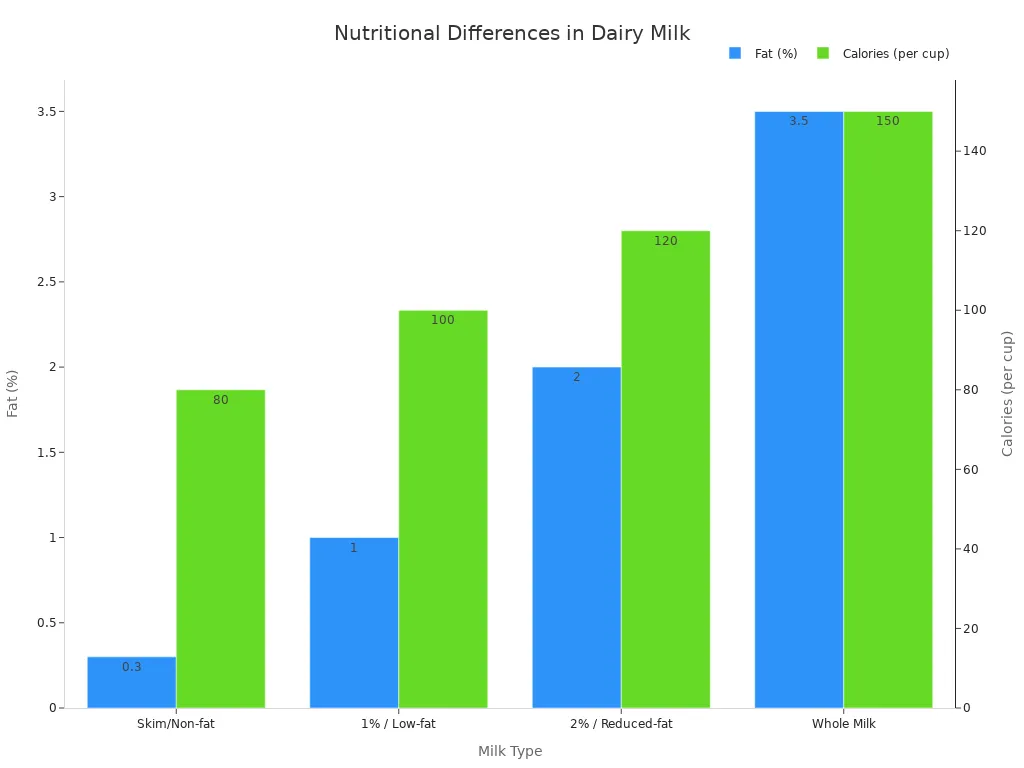
Dairy milk comes in several forms. These forms differ mainly in their fat content. Whole milk contains about 3.5% fat. It has 150 calories per cup. Reduced-fat milk (2%) has 120 calories. Low-fat milk (1%) contains 100 calories. Skim milk, also called non-fat milk, has virtually no fat and 80 calories.
Milk Type | Fat (%) | Calories (per cup) | Fat (grams) | Saturated Fat (grams) |
|---|---|---|---|---|
Skim/Non-fat | 0.3 | 80 | Virtually 0 | N/A |
1% / Low-fat | 1 | 100 | N/A | N/A |
2% / Reduced-fat | 2 | 120 | N/A | N/A |
Whole Milk | 3.5 | 150 | 8 | 5 |
While fat and calorie content vary, the amount of protein, carbohydrates, and other essential nutrients generally stays consistent across all types of milk. Each cup provides 8 grams of protein. Lower fat milk options undergo processing to remove fat. This process can remove vitamins A and D. Companies typically add these vitamins back into lower-fat milks. This ensures their nutritional value remains similar. It is a common belief that lower-fat versions have more added sugar. This is not true.
Plant-Based Options
Many people choose dairy alternatives. These include almond, soy, and oat milk. Their nutritional value differs from dairy milk and from each other. Almond milk is low in calories. It provides vitamin D, E, calcium, magnesium, and potassium. Soy milk is high in protein. It is a complete protein source. Oat milk offers a creamy texture. It contains beneficial beta-glucans for digestive health.
Nutrient | Almond Milk (per 100g) | Soy Milk (per 100g) | Oat Milk (per 100g) |
|---|---|---|---|
Energy (kcal) | 19 | 38 | 48 |
Protein (g) | 0.66 | 3.55 | 0.8 |
Total lipid (fat) (g) | 1.56 | 2.12 | 2.75 |
Carbohydrate (g) | 0.67 | 1.29 | 5.1 |
Calcium (mg) | 158 | 101 | 148 |
Magnesium (mg) | 8.2 | 21.5 | 5.9 |
Potassium (mg) | 49 | 158 | 148 |
Sodium (mg) | 59 | 34 | 42 |
Vitamin D (µg) | 1.59 | 0.68 | 1.7 |
Soy milk contributes significantly to daily recommended allowances for many nutrients. Other plant-based drinks, like almond and oat, generally have lower contributions.
Fortification Benefits
Fortification helps plant-based milks match milk‘s nutritional content. Many plant-based milks are fortified with vitamins D, A, B12, and calcium. This bridges nutritional gaps. Fortification with Vitamin D helps prevent rickets. It also boosts calcium absorption. This promotes bone health. Fortified milk has helped reduce nutrient deficiency diseases. This includes rickets in developed countries.
Dietary Considerations
Dietary guidelines recommend specific amounts of dairy products. Preteens, teens, and adults need 3 cup equivalents of dairy per day. Children aged 4 to 8 years need 2½ cups. Many regions recommend low-fat dairy options. A serving is 1 cup of milk, 1 cup of yogurt, or 1½ ounces of hard cheese. Lactose-free milk is also available for those with sensitivities. Choosing fortified dairy alternatives as part of a varied diet supports a healthy lifestyle.
Age Group | Daily Recommendation (cups) |
|---|---|
Toddlers (12-23 months) | 1⅔ to 2 |
Children (2-3 yrs) | 2 to 2½ |
Children (4-8 yrs) | 2½ |
Girls (9-18 yrs) | 3 |
Boys (9-18 yrs) | 3 |
Women (19+ yrs) | 3 |
Men (19+ yrs) | 3 |
Milk: Concerns and Choices
While milk offers many nutritional benefits, some people experience concerns or choose alternatives. Understanding these issues helps individuals make informed dietary decisions.
Lactose Intolerance
Lactose intolerance is a common digestive issue. It occurs when the body cannot fully digest lactose, the sugar found in milk. This can cause various gastrointestinal disorders. Symptoms include abdominal pain, bloating, excessive gas, and watery stools. Globally, about 68% of people experience reduced lactose digestion after infancy. This prevalence is very high among East Asian, West African, Arab, Jewish, Greek, and Italian populations. In contrast, only about 5% of Northern Europeans are affected. All milk contains lactose, and raw milk does not contain enzymes to break it down. For those affected, choosing lactose-free milk or other dairy alternatives can help manage symptoms while maintaining a balanced diet.
Dairy Allergies
Some individuals have a cow’s milk allergy (CMA). This is different from lactose intolerance. CMA is an immune response to proteins in milk. It affects 2–3% of US infants, making it a common allergen in this age group. In adults, CMA prevalence is around 1.9%. Reactions can be immediate (IgE-mediated) or delayed (non-IgE-mediated). Symptoms appear within seconds to minutes for immediate reactions. Milk ingredients can trigger gastrointestinal discomfort and disorders. This allergy requires strict avoidance of milk and dairy products.
Fat Content Facts
Dairy products are a primary source of saturated fat in the American diet. High dairy consumption has been linked to increased overall mortality in some studies. However, research on fat content in milk is complex. Meta-analyses show that consuming regular-fat dairy does not increase total or LDL cholesterol levels compared to minimal dairy consumption. Both regular- and low-fat dairy intake can lead to similar reductions in blood pressure within a healthy diet. Higher dairy intake, regardless of fat content, generally does not affect body weight, body composition, or glycemic control. Some studies suggest a link between high fat content and hormones in dairy with increased risks for certain cancers, like breast cancer.
Raw Milk Risks
Raw milk is milk that has not been pasteurized. Pasteurization is a heating process that kills harmful bacteria. Raw milk can contain various disease-causing pathogens. These pathogens can lead to foodborne illnesses. Numerous scientific studies and outbreaks have confirmed these risks. While some believe raw milk offers unique health benefits, it still contains lactose and poses significant health risks due to potential contamination. Therefore, public health organizations generally recommend consuming pasteurized milk as part of a safe diet.
Milk remains a highly nutritious beverage. It offers a rich blend of protein, calcium, and essential vitamins. This comprehensive milk nutrition provides significant health benefits. It reinforces its role in bone health, muscle maintenance, and overall well-being. While milk offers many milk benefits, individual dietary needs and preferences guide consumption choices. People can explore fortified dairy alternatives. Incorporating milk and dairy products or other suitable options into a balanced diet supports a healthy lifestyle. This balanced diet is crucial for good nutrition. A healthy diet includes various foods. Everyone needs a good diet. This diet helps maintain health. A proper diet is key.
FAQ
What nutrients does milk provide?
Milk offers a rich array of nutrients. It contains protein, calcium, and essential vitamins. These vitamins include D, B12, and A. Milk also provides vital minerals like potassium, phosphorus, and zinc.
How does milk help bone health?
Milk is crucial for strong bones. Calcium, vitamin D, and phosphorus work together. They build and maintain bone density. This helps prevent osteoporosis. Regular milk consumption supports bone health throughout life.
What if someone cannot drink dairy milk?
Many alternatives exist for those who cannot drink dairy milk. Lactose-free milk is an option. Plant-based milks like soy or almond milk also provide nutrients. Fortified yogurt can also be a good choice.
Is raw milk safe to drink?
No, raw milk is not pasteurized. It can contain harmful bacteria. These bacteria cause foodborne illnesses. Public health organizations recommend pasteurized milk for safety. Pasteurization kills dangerous germs.
Does milk help with muscle growth?
Yes, milk helps with muscle growth and repair. It has high-quality protein. This protein provides all essential amino acids. These amino acids are vital for rebuilding muscle fibers. They also promote strength after exercise.