

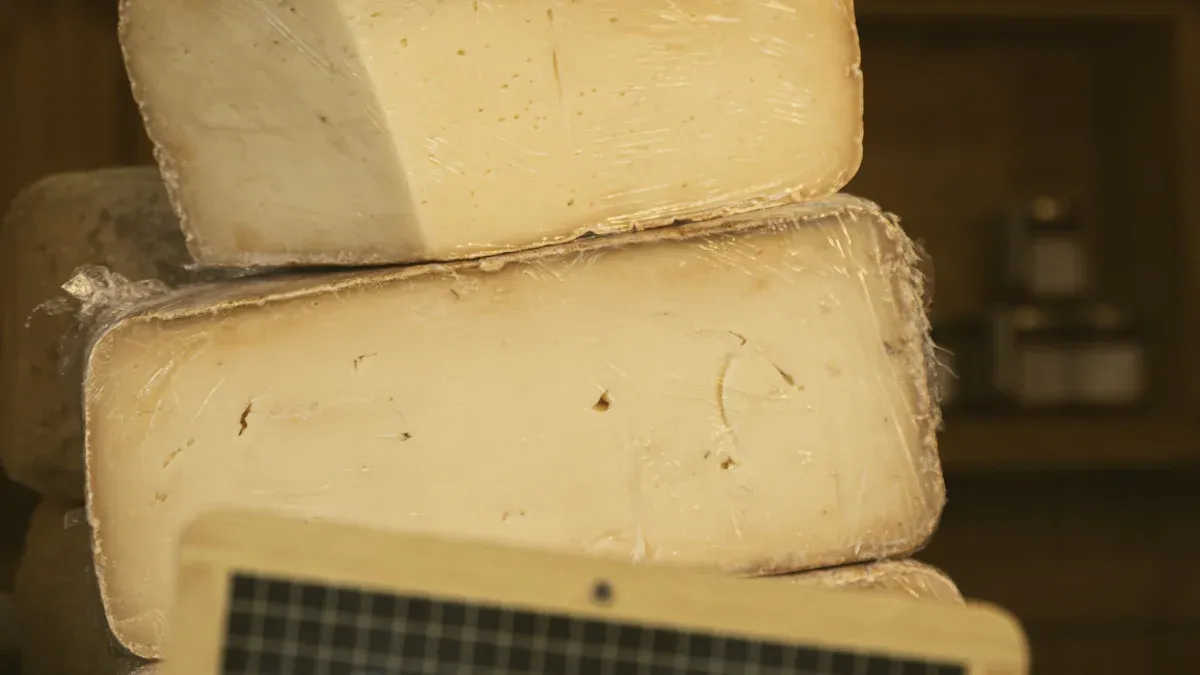
Provolone cheese is a popular Italian cheese with significant Provolone Cheese Nutrition. You’ll find notable protein and calcium in provolone, making this cheese a beneficial addition to your diet. This versatile provolone cheese offers many nutritional benefits for your health. Enjoying provolone helps you meet your daily needs for essential nutrients. This delicious cheese also adds great flavor to your meals.
Key Takeaways
Provolone cheese offers good nutrition. It provides protein and calcium. It also has vitamins A and B12.
One ounce of provolone cheese gives you about 7 grams of protein. This protein helps build and fix your body’s tissues.
Provolone cheese is high in calcium. One ounce has about 200 mg of calcium. This calcium helps make your bones strong.
You can often eat provolone cheese if you have lactose intolerance. It has low lactose levels. The cheese-making process removes much of the lactose.
Enjoy provolone cheese in small amounts. This helps you get its health benefits without eating too much.
Provolone Cheese Nutrition Facts
Calories and Macronutrients
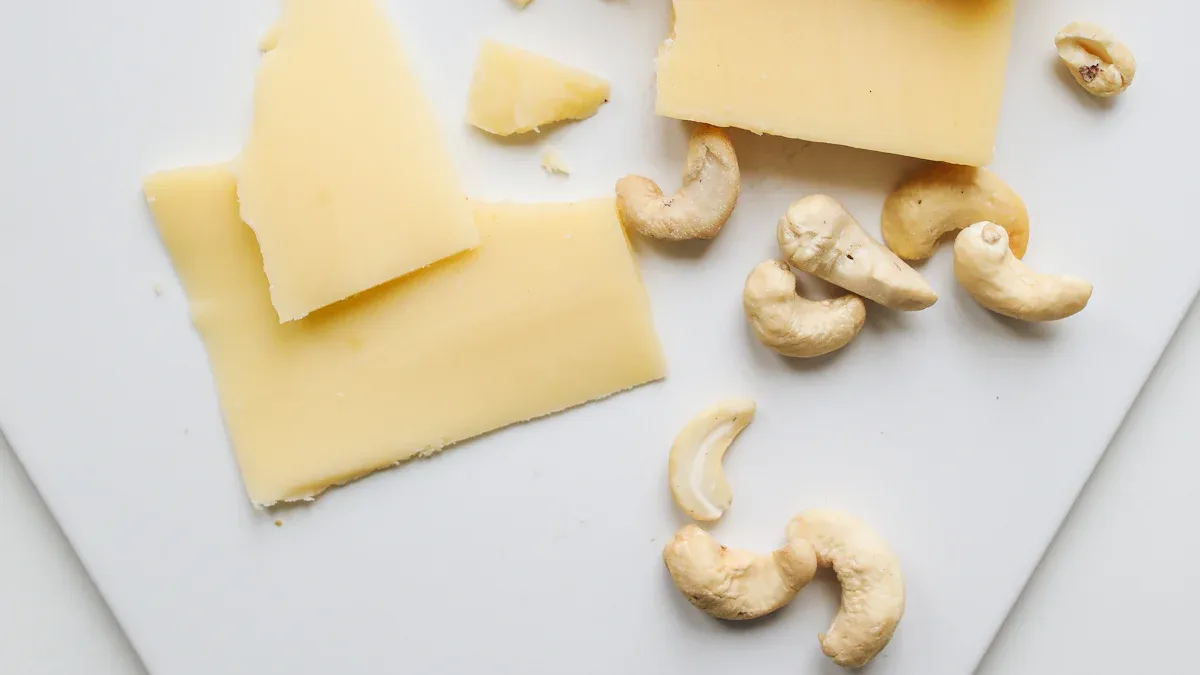
You want to understand the specific nutritional content of provolone cheese. This popular Italian cheese offers clear calorie and macronutrient details. An ounce of provolone cheese typically contains 80-100 calories. For example, one slice (1 ounce) provides about 98 calories. Other sources list 100 calories for one ounce. This provolone cheese gives you energy.
You also get important macronutrients from provolone. An ounce provides 5.99-8 grams of fat, about 1 gram of carbohydrates, and 7-8 grams of protein. Looking at the overall nutritional content, fat makes up the largest portion of calories.
Macronutrient | Percentage of Calories |
|---|---|
Fat | 68.4% |
Protein | 29.2% |
Carbohydrates | 2.4% |
This breakdown shows you how much energy each macronutrient provides in provolone.
Key Vitamins and Minerals
Beyond calories and macronutrients, provolone cheese also gives you essential vitamins and minerals. This provolone cheese contains important vitamins. You find Vitamin A in provolone. Vitamin A is crucial for healthy vision. It helps your eyes work well. Provolone is a top food source for Vitamin A in the U.S. Your body absorbs this vitamin as retinol to support eye membrane and cornea function. You also get Vitamin B12 from provolone. Vitamin B12 helps your central nervous system work properly. It also helps make healthy red blood cells.
This provolone also provides many minerals. Salt, which contains sodium chloride, is a natural mineral in cheese. It adds flavor and can give a tangy taste. You also get other important minerals from provolone.
Mineral | Amount Per Serving (28g) |
|---|---|
Calcium (Ca) | 200 mg |
Magnesium (Mg) | 6.2 mg |
Potassium (K) | 20 mg |
Phosphorus (P) | 208.3 mg |
Selenium (Se) | 4.1 mcg |
Zinc (Zn) | 0.8 mg |
These minerals contribute to the overall nutritional content of provolone. They are vital for many body functions.
Sodium Levels
You should also know about the sodium levels in provolone cheese. Sodium is an important part of the nutritional content of this cheese. One ounce of provolone cheese contains about 210 mg of sodium. Some sources show one slice (1 ounce) of provolone cheese has 248 mg of sodium. Another source states 250 mg of sodium for a 1-ounce serving. These numbers are very close. Sodium is a key nutrient in provolone. It adds to the flavor of the cheese. Understanding the provolone cheese nutrition helps you make informed choices about your diet.
Protein and Calcium Benefits
You gain specific health benefits from provolone’s protein and calcium content. This provolone cheese offers important nutrients. You can improve your overall health by including it in your diet.
Protein Content
Provolone cheese gives you a good amount of protein. Protein is vital for your body. It helps build and repair tissues. You get about 7 grams of protein in one ounce of provolone. Some sources show you get 7.16 grams.
Nutrient | Amount per 1 oz serving |
|---|---|
Protein | 7 g |
This high protein content makes provolone a valuable food. You can compare provolone’s protein to other cheeses.
Cheese Type | Protein Content (per 100g) |
|---|---|
Mozzarella | 27.5g |
Provolone | 25.58g |
Provolone has slightly less protein than mozzarella per 100g. However, Swiss cheese contains even more protein than provolone. Provolone still offers excellent protein for your diet.
Calcium Benefits
Provolone is also high in calcium. Calcium is a crucial mineral for your bones. You get about 200 mg of calcium per ounce of provolone. This amount provides 20% of your daily value. This calcium intake helps keep your bones strong. It also plays a role in preventing osteoporosis.
Dairy products like provolone offer unique calcium benefits for bone health.
Cheese consumption increased cortical bone mass compared to calcium supplements.
In 10-12 year old girls, calcium from cheese led to higher bone gain than calcium from pills.
Dairy products reduced bone turnover markers by 6–40%. They also lowered PTH levels in short-term intervention trials.
Four servings of dairy products per day decreased serum CTX in overweight adolescent girls following a weight loss program.
Two servings per day of soft white cheese fortified with vitamin D and calcium reduced PTH and bone resorption markers in 85-year-old institutionalized individuals.
These benefits show how important calcium from provolone is for your bones.
Muscle and Tissue Support
The protein in provolone cheese supports your muscle and tissues. Provolone cheese is rich in protein. This protein is essential for supporting muscle growth and repair. Protein breaks down into amino acids. Your body uses these amino acids. They mend muscle fibers that sustain damage during intense physical activity. Cheese is an excellent source of this crucial protein. It helps with muscle building.
Provolone cheese is a source of high-quality protein. This protein includes all essential amino acids. This protein is crucial for various bodily functions. It helps with the building and repairing of tissues. You support your overall health by consuming provolone. It provides the necessary building blocks for your body.
Additional Health Benefits of Provolone
You discover even more health benefits when you explore other essential nutrients in provolone cheese. This delicious cheese offers more than just protein and calcium. It provides other vital nutrients that support your overall health.
Vitamin A for Eye Health
Provolone cheese gives you a good source of Vitamin A. This vitamin is crucial for your eye health. You get 67 mcg of Vitamin A RAE (Retinol Activity Equivalents) from just one ounce of provolone. This amount contributes 5% of your daily value for Vitamin A. This vitamin helps your eyes function properly. It is specifically known to prevent night blindness. Vitamin A also supports the overall health of your eyes. Provolone cheese contains 261µg of Vitamin A, further highlighting its role in supporting your vision.
Vitamin B12 for Red Blood Cells
You also find Vitamin B12 in provolone cheese. This vitamin is essential for producing healthy red blood cells. It also helps your central nervous system work correctly.
Nutrient | Amount | Daily Value |
|---|---|---|
Vitamin B12 | 0.4 mcg | 7.2% |
This amount of Vitamin B12 helps your body create new red blood cells. These cells carry oxygen throughout your body. Getting enough Vitamin B12 from foods like provolone supports your energy levels and nerve function.
Monounsaturated Fats
Provolone cheese contains monounsaturated fats. These are considered healthy fats. You find 2 grams of monounsaturated fat in a serving of 43% Lower Sodium Provolone Cheese. These fats offer various health benefits. They are associated with a reduced risk of heart disease. Including provolone in your diet can contribute these beneficial fats. You support your heart health when you choose foods with monounsaturated fats. This cheese provides these important nutrients.
Enjoying Provolone Responsibly
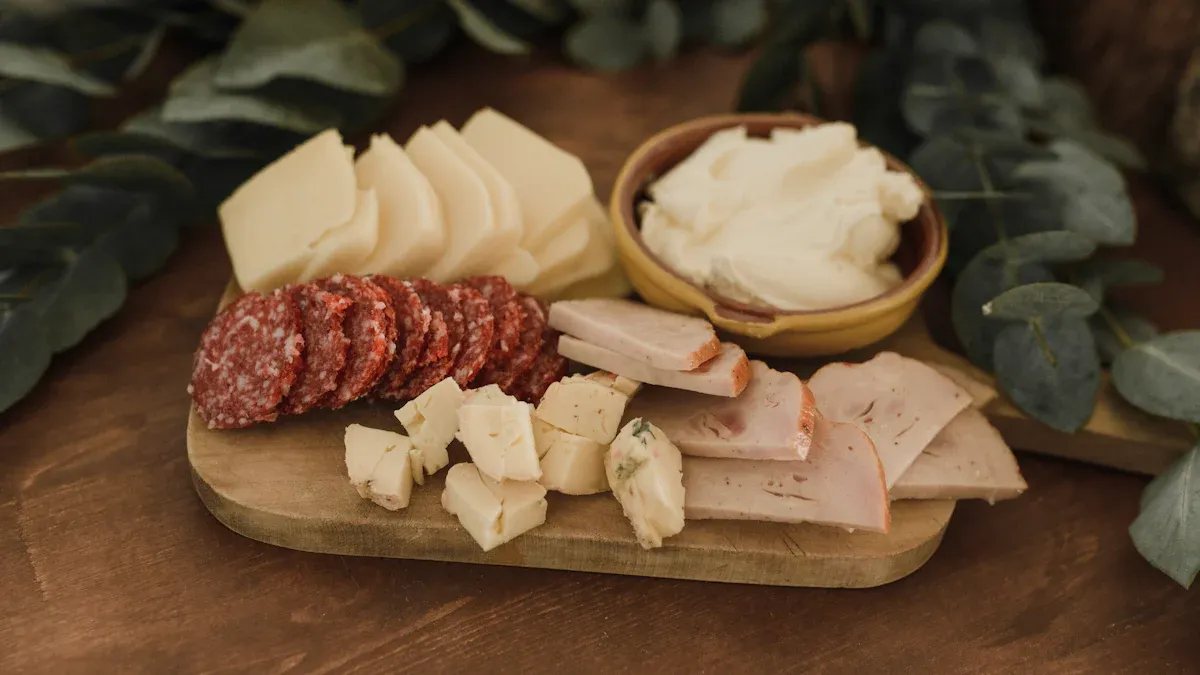
You can enjoy provolone cheese as part of a healthy diet. It is important to understand how to include it responsibly. This means knowing about potential sensitivities and proper serving sizes.
Lactose and Intolerance
You might wonder about lactose if you have intolerance. Provolone cheese is often a good choice for you. Many sources list provolone as a lactose-free cheese option. This means it is suitable for people with lactose issues. The cheese processing removes much of the lactase. This makes provolone more digestible. You can still enjoy its taste and nutrients. Aged provolone cheese naturally contains lower levels of lactose. This makes it easier for your body to handle.
Allergies and Sensitivities
You should know about potential reactions to dairy products like provolone. Lactose intolerance causes digestive discomfort. This is due to difficulty processing lactose. Dairy protein sensitivity or allergies are different. Your immune system reacts to milk proteins like casein and whey. This can cause various symptoms.
Common issues include:
Lactose Intolerance: You may feel digestive discomfort.
Dairy Protein Sensitivity/Allergies: This can lead to gas, bloating, or more severe reactions.
High Fat Content: This may slow digestion. You might feel heavy or bloated.
A severe delayed allergy is Food Protein-Induced Enterocolitis Syndrome (FPIES). It causes severe vomiting and diarrhea hours after eating. Symptoms of a dairy allergy can include:
Hives or rash
Stomach upset, vomiting, or diarrhea
Swelling, especially in your lips and face
Wheezing or tightness in your throat
Anaphylaxis (a rare, serious reaction)
If you experience these symptoms, you should talk to a doctor.
Balanced Diet Integration
You can easily add provolone cheese to your meals. It fits well into a balanced diet. To manage your sodium intake, limit your servings. One or two ounces of cheese is a good amount. A standard serving of provolone cheese is about 1 ounce (28 grams). This is based on common dietary guidelines. Enjoy provolone in moderation. This helps you get its nutritional benefits without overdoing it. You support your overall health by making smart food choices.
You now understand the great provolone cheese nutrition. This provolone cheese offers excellent protein and calcium. Provolone also provides other essential nutrients for your health. Provolone is a versatile Italian cheese. You can enjoy this provolone as part of a healthy diet. Remember to consume this cheese in moderation. Thoughtfully enjoy provolone for its many benefits.
FAQ
Is provolone cheese healthy for you?
Yes, provolone cheese offers good nutrition. You get protein and calcium. It also provides vitamins A and B12. Enjoy it in moderation for health benefits.
How much protein does provolone cheese have?
You get about 7 grams of protein in one ounce of provolone cheese. This protein helps build and repair your body’s tissues. It is a good source of this essential nutrient.
Is provolone cheese high in calcium?
Yes, provolone cheese is high in calcium. It contains about 200 mg of calcium per ounce. This calcium helps keep your bones strong. It also supports bone health.
Can you eat provolone cheese if you are lactose intolerant?
Yes, you can often eat provolone cheese. It has low lactose levels. The cheese-making process removes much of the lactose. This makes it easier for you to digest.