

The Nordic Diet represents a healthy eating pattern. It draws inspiration from the traditional Nordic diet of Denmark, Finland, Iceland, Norway, and Sweden. This traditional Nordic diet emphasizes local, seasonal, sustainable, and wild foods. It outlines specific rules for consumption. People recognize the significant health benefits and positive environmental impact of this Scandinavian diet. This healthy Nordic diet offers many benefits, highlighting seasonal ingredients and sustainability, and connects deeply with Scandinavian cuisine.
Key Takeaways
The Nordic Diet focuses on eating local, seasonal, and sustainable foods from Nordic countries.
This diet prioritizes fruits, vegetables, whole grains, and fish, using rapeseed oil as its main fat.
It helps improve heart health, manage weight, and lower blood sugar.
The Nordic Diet also benefits the environment by reducing greenhouse gas emissions and promoting sustainable food systems.
What Is The Nordic Diet

Defining The Nordic Diet
The Nordic Diet is a dietary pattern. It draws inspiration from the traditional ways of eating in Nordic countries. These countries include Denmark, Finland, Iceland, Norway, and Sweden. This healthy way of eating focuses on foods readily available in the region. It emphasizes local, time-appropriate, and sustainable ingredients. The Nordic Diet is not just a set of rules. It is a lifestyle that promotes well-being and environmental responsibility.
A key characteristic distinguishes the Nordic Diet from other healthy dietary patterns. It emphasizes high consumption of fruits, vegetables, whole grains, and fish. It also includes unsaturated fats. The diet limits sweets and sugar-sweetened beverages. A major difference lies in the type of oil it recommends. The Nordic Diet uses rapeseed oil as its primary fat source. Other diets, like the Mediterranean diet, emphasize olive oil. Rapeseed oil is low in saturated fat. It is high in healthy monounsaturated fat. It also contains alpha-linolenic acid, which is an omega-3 fatty acid. This makes the Nordic Diet unique in its fat choices. It prioritizes more fruits, vegetables, and whole grains. It includes more food from seas, lakes, and the wild. This traditional nordic diet advocates for higher-quality meat but in smaller quantities. It limits processed and sugary foods. It encourages cooking at home more often. It promotes reducing food waste.
Core Principles And Philosophy
The Nordic Diet operates on several core principles. These principles guide food choices and preparation. The overarching principle is to consume locally grown, seasonal, and minimally processed foods. This approach aligns with the environment and supports local economies. The diet emphasizes eating more plant-based foods. These include whole grains, fruits, vegetables, legumes, and nuts. Seafood serves as a primary protein source. It often replaces red meat.
The philosophy behind the Nordic Diet also promotes sustainability. It advocates for reducing food waste. People utilize all parts of ingredients. They support sustainable practices. The diet encourages reducing red meat consumption. People typically limit it to once or twice a week. It focuses on choosing quality over quantity. It prioritizes small portions of nutrient-dense foods. The diet promotes limiting added sugars and saturated fats. This reflects traditional Nordic cooking.
Traditional cooking methods are central to this healthy nordic diet. These methods include baking, boiling, and steaming. They use minimal added sugar and salt. The diet also employs sustainable cooking methods. These methods use minimal energy and produce less waste. Examples include steaming, boiling, and fermenting.
The Nordic Diet prioritizes foods grown and produced in the Nordic region. It emphasizes fresh, regionally available, and sustainable ingredients. These ingredients align with regional weather and farming cycles. This focus on locally sourced produce and traditional food practices promotes sustainability. It reduces the carbon footprint. It also supports local economies. Central to the diet is the emphasis on fruits, vegetables, and berries native to the Nordic landscape. These foods are available according to the season. The selection of ingredients is influenced by local production and environmental considerations. This promotes practices that respect natural resources. This approach reflects a respect for nature, simplicity, and the environment. It encourages eating in harmony with regional traditions and nordic food traditions. The ‘Sustainable Nordic Diet’ specifically centers on minimally processed, locally sourced, and seasonal produce. It promotes practices that support environmental health, reduce waste, and maintain biodiversity. This nordic-style diet offers a comprehensive approach to health and sustainability.
Rules Of The Nordic Diet

The Nordic Diet follows clear guidelines. These rules help people choose foods that support health and the environment. The diet emphasizes certain foods, allows others in moderation, and limits or avoids some. This approach ensures a balanced and sustainable eating pattern.
Foods To Prioritize
The Nordic Diet places a strong emphasis on foods from the local environment. It encourages eating foods that are seasonal and grown nearby. This includes a wide variety of fruits, vegetables, and berries. People should eat these foods often.
Fruits and Vegetables: Focus on root vegetables like carrots, potatoes, and beets. Include cabbage, onions, and legumes such as peas and beans. Berries are especially important. Bilberries, which are relatives of blueberries, are a common choice.
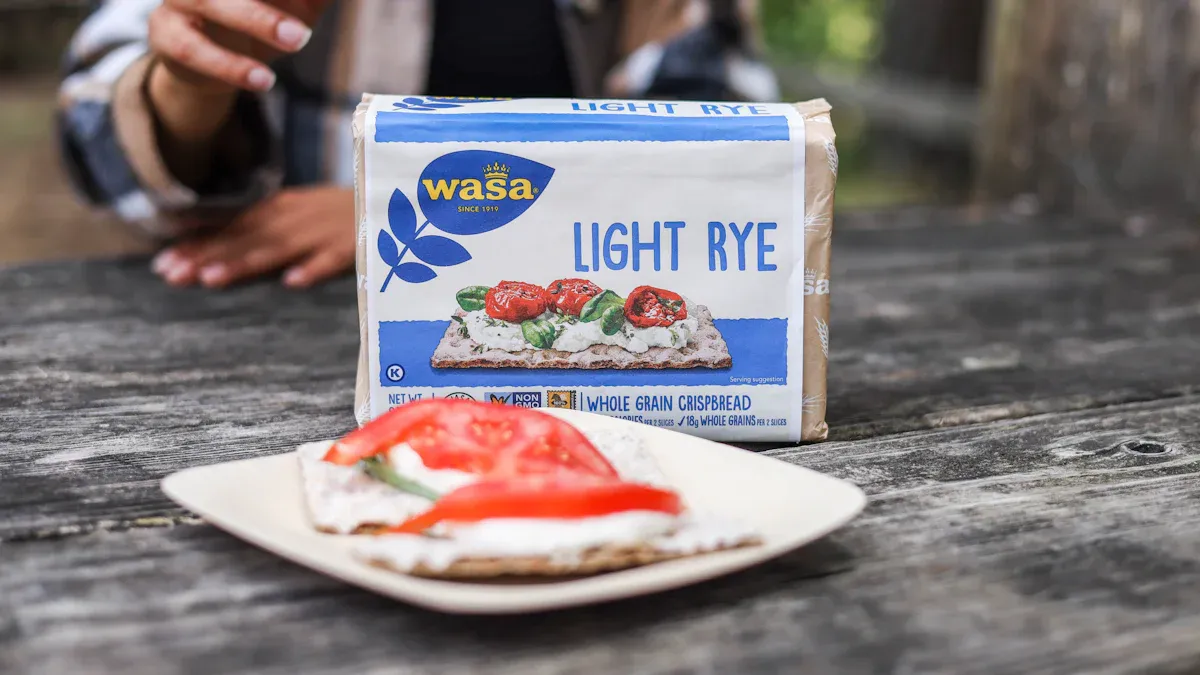
Whole Grains: The nordic diet promotes whole grains. These include rye, barley, and oats. Examples are dark, dense sourdough rye bread from Denmark and whole-grain crackers from Sweden. People also eat oat bran rusks, muesli, and pearled barley. Whole-grain pasta is also part of this diet. These grains provide much fiber.
Fatty Fish and Seafood: Fish is a cornerstone of the nordic diet. People should eat fatty fish often. This includes herring, Baltic herring, mackerel, and salmon. Sardines and albacore tuna are also good choices. These fish provide healthy fats, including omega-3 fatty acids. The diet suggests eating twice the amount of seafood compared to typical Western diets.
Wild Foods: The diet encourages wild foods. This includes mushrooms, herbs, and game meats.
Nuts and Seeds: Include linseed, psyllium, and sunflower seeds. These add healthy fats and fiber.
Rapeseed Oil: This oil is the primary fat source in the nordic diet. It is also known as canola oil. It is low in saturated fat and high in healthy monounsaturated fats.
Foods To Enjoy In Moderation
Some foods fit into the healthy nordic diet but in smaller amounts. These foods still offer nutrients but should not be the main focus of meals.
Lean Meats: People can eat lean meats like skinless poultry. Eggs are also acceptable in moderation. The diet suggests choosing lean meat and lean meat products.
Dairy Products: Low-fat dairy products are recommended. This helps avoid too much saturated fat. Fermented dairy products, such as yogurt and cheese, are good choices. They may help lower cholesterol and reduce the risk of type 2 diabetes. Milk, yogurt, and cheese provide calcium, protein, and iodine. However, people should limit cream and butter. These items do not offer many essential nutrients and are not linked to health benefits.
Foods To Limit Or Avoid
The nordic diet aims to reduce certain foods. These foods often contain ingredients that are not beneficial for health when eaten regularly. The diet emphasizes less sugar and fewer processed items.
Processed Foods: People should limit processed foods. These often contain high amounts of added sodium and sugar. They may also have preservatives and other additives. Refined fast foods are also on the list to avoid.
Red Meat: The diet advises limiting red meat. People should eat it rarely. This includes processed meats. Choosing lean meat is better, but overall red meat consumption should be low.
Added Sugars: Avoid sugar-rich foods and beverages for everyday use. This includes sugar-sweetened beverages. The diet recommends keeping refined foods and added sugars to a minimum.
Saturated Fats: Limit foods high in saturated fats. This includes excessive animal fats.
Alcohol: People should consume alcohol in moderation. Excessive alcohol intake is not part of this healthy eating pattern.
Salt and Other Additives: The diet suggests limiting salt and other food additives.
Starchy Carbs: While whole grains are good, the diet suggests limiting excessive starchy carbohydrates from refined sources.
Health Benefits Of The Nordic Diet
The Nordic Diet offers many significant health benefits. This eating pattern promotes overall well-being. It impacts various aspects of health, from the cardiovascular system to gut function.
Cardiovascular Health
The nordic diet significantly improves heart health. Adherence to this diet reduces LDL cholesterol levels. It also lowers high systolic blood pressure. Studies show a decrease in total cholesterol and LDL cholesterol. Systolic blood pressure also drops by nearly 4 mmHg. Diastolic blood pressure decreases by over 2 mmHg. These benefits contribute to better heart health. The diet’s unique fats, from fish and rapeseed oil, play a key role.
Weight Management
The nordic diet helps with weight management. Following this diet leads to improved body weight. A study compared the New Nordic Diet (NND) to an average Danish diet. Participants on the NND lost an average of 4.7 kg. Those on the average Danish diet lost 1.5 kg. This shows the NND’s effectiveness for weight loss.
Diabetes And Blood Pressure
The healthy nordic diet positively affects blood sugar and blood pressure. It lowers blood sugar and cholesterol levels. This happens even without weight loss. The diet’s composition, including fats from fish and rapeseed, contributes to this. Whole grains, like rye and oats, slow carbohydrate absorption. They improve glycemic control. Fatty fish, rich in omega-3s, reduce inflammation and insulin resistance. Berries and fruits, with their antioxidants, prevent blood sugar spikes. Adherence to the nordic diet lowers the risk of type 2 diabetes. It improves insulin sensitivity and glucose metabolism.
Gut Health And Inflammation
The nordic diet also impacts gut health and inflammation. It down-regulates pathways involved in immune responses. Studies show a decrease in C-reactive protein (CRP), a marker of inflammation. Cathepsin S levels also decrease. These benefits suggest the diet reduces systemic inflammation. The diet’s rich fiber content and diverse plant foods support a healthy gut microbiome.
Environmental Benefits Of The Nordic Diet
Sustainable Food Systems
The Nordic Diet offers significant environmental benefits by promoting sustainable food systems. It emphasizes a plant-based diet. This approach reduces the demand for meat, eggs, and dairy products. This improves the long-term viability of the food system. Health-motivated dietary changes can greatly enhance food system sustainability. Conversely, concerns about environmental impact can drive people towards more plant-based diets. Strong political cooperation and a shared food culture among Nordic countries help with this. They facilitate actions, policy changes, and knowledge sharing for sustainable eating. Initiatives like the Nordic Food Policy Lab and the green Keyhole nutrition label guide consumers. These tools help people choose healthier and more environmentally friendly options. The Nordic countries have a tradition of strong government cooperation. They also have resources to implement dietary changes and focus on innovative solutions for environmental care. The Nordic Diet promotes locally produced food. Consumer interest in local food increases due to awareness of climate change and food security. Balancing import and export to minimize environmental impact is a key principle for future Nordic food policy. It also advocates for organic farming. Organic farming uses fewer pesticides. It can increase soil organic matter. It reduces nitrate and phosphate leaching. These practices contribute to environmental benefits. Reduced meat consumption, as part of the Nordic Diet, would make organic production sufficient for the region’s food supply.
Reduced Environmental Impact
Adopting the Nordic Diet‘s food consumption patterns, especially those rich in plants, offers significant environmental advantages. These patterns consistently show lower greenhouse gas emissions (GHGE) and reduced land use. This contrasts with current diets, which often contain much meat and dairy products. Animal-based foods, particularly ruminant meat and dairy, contribute greatly to dietary GHGE and land use. For example, studies show that plant-based purchase patterns have the lowest GHGE among various dietary patterns. One Finnish study found that strong adherence to a plant-based pattern resulted in a 13% lower GHGE of food purchases compared to the average. This was 27% lower than those with the highest animal-based pattern scores. Furthermore, a ‘more sustainable diet’ identified in a study across European countries had a carbon footprint that was 15% lower than average observed diets. This diet was high in plant-based foods, about 700 grams per day. It was also 45% lower than the cluster with the highest dietary GHGE. This highlights the substantial environmental benefits, mainly in reducing GHGE and land use, linked to a shift towards plant-rich Nordic dietary patterns.
The Nordic Diet Versus Mediterranean Diet
Similarities In Healthy Eating
The Nordic Diet and the Mediterranean Diet share many common nutritional benefits. Both emphasize nutrient-dense, plant-based foods. These foods are rich in vitamins, minerals, and antioxidants. They help reduce inflammation, support digestion, and protect against chronic diseases. Both diets include healthy fats. They also promote lean protein sources like fish, poultry, and legumes. These diets base their recommendations on typical local and seasonal foods. They share similar nutritional principles, focusing on plant-based eating. Both diets also orient toward environmental protection and sustainability. This makes them excellent choices for healthy eating.
Key Dietary Differences
Despite their similarities, the Nordic Diet and the Mediterranean Diet have distinct differences. A primary difference lies in their main fat source. The Nordic diet uses rapeseed oil, also known as canola oil. This oil is rich in omega-3s. The Mediterranean diet favors olive oil. Olive oil contains monounsaturated fats and antioxidants. The Nordic diet emphasizes root vegetables, whole grains like rye and barley, and berries. It also includes fatty fish. The Mediterranean diet focuses on fruits, vegetables, legumes, and whole grains. It features local leafy vegetables, onions, courgettes, tomatoes, and peppers. The Nordic diet places less emphasis on dairy compared to the Mediterranean diet. It relies on nuts, whole grains, and leafy greens for calcium and magnesium. The Nordic diet also encourages locally available foods like mosses, seeds, and wild herbs. This leads to berries like lingonberries over citrus fruits.
Choosing Your Healthy Diet
Both the Nordic Diet and the Mediterranean Diet are healthy options. They are recognized by the World Health Organization for reducing the risks of cancer, diabetes, and cardiovascular disease. The choice between them often depends on personal preference, local food availability, and cultural background. The Nordic diet is relatively new in research. Its long-term effects on chronic disease reduction are still under study. In contrast, the Mediterranean diet has a longer research history, dating back to the 1950s. This provides a robust understanding of its links to lower risks of heart disease, type 2 diabetes, and certain cancers. Both diets offer a path to a healthy lifestyle. People can choose the one that best fits their environment and taste.
Embracing The Healthy Nordic Diet
People can easily adopt the nordic diet into daily life. This section offers practical advice. It helps individuals start this eating pattern. The healthy nordic diet focuses on whole, local foods.
Practical Steps To Start
Starting the nordic diet involves simple changes. People should begin with seasonal produce. This ensures freshness and supports local farms. Choosing organic and local foods also minimizes pesticide exposure. Incorporate whole grains like rye, barley, and oats. These grains offer better health benefits. Meal planning helps make deliberate food choices. It also reduces waste. When eating meat, select lean, high-quality options. Treat meat as a side dish, not the main part of a meal. Aim for at least two servings of fatty fish each week. Salmon and mackerel provide omega-3 benefits. Experiment with new recipes to keep meals exciting. Educate oneself about food choices. This helps maintain motivation.
Essential Nordic Foods
The traditional nordic diet includes many staple ingredients. Leafy greens like spinach and kale are important. Root vegetables such as beets, carrots, and potatoes are common. Berries are especially vital. Cloudberries, blueberries, and lingonberries are popular choices. Whole grains like rye, barley, and oats form a base. Dark, dense whole grain breads are also essential. Fresh, canned, or pickled fish like salmon and herring are key protein sources. Canola oil serves as the primary cooking fat. Fermented dairy products, such as Skyr, also fit into this diet.
Sample Meal Ideas
The nordic diet offers diverse meal options. For breakfast, people can have oat porridge with berries and flaxseeds. Another option is yogurt with honey and nuts. Lunch might include an open-faced rye sandwich with smoked mackerel. A warm lentil salad with beets is also a good choice. Dinner could feature roasted root vegetables with barley risotto. Baked cod with green beans is another excellent meal. People can also enjoy venison meatballs with lingonberry sauce. These examples show how to incorporate the principles of the nordic diet into daily eating.
The Nordic Diet emphasizes whole, local, and sustainable foods. This traditional nordic diet provides specific rules and comprehensive health benefits. It also offers significant environmental advantages. The Nordic Diet stands as a balanced and sustainable eating pattern for long-term well-being. People can adopt elements of this healthy nordic diet for a healthy lifestyle. This traditional nordic diet offers many positive outcomes. Consider this healthy nordic diet for improved well-being.
FAQ
What is the main fat source in the Nordic Diet?
The Nordic Diet primarily uses rapeseed oil. This oil is also known as canola oil. It contains healthy monounsaturated fats. It also provides alpha-linolenic acid, an omega-3 fatty acid. This choice distinguishes it from diets that use olive oil.
What types of fish does the Nordic Diet prioritize?
The Nordic Diet prioritizes fatty fish and seafood. People often eat herring, mackerel, and salmon. These fish provide essential omega-3 fatty acids. The diet encourages eating seafood twice as often as typical Western diets.
What are the primary grains in the Nordic Diet?
The Nordic Diet emphasizes whole grains. These include rye, barley, and oats. People consume them in breads, porridges, and other dishes. These grains provide significant fiber. They contribute to better digestive health.
What role do berries play in the Nordic Diet?
Berries are a vital part of the Nordic Diet. People consume bilberries, lingonberries, and blueberries. They are rich in antioxidants and vitamins. Berries are often eaten fresh or used in various traditional dishes. They support overall health.